Toronto Star
· collected 2026-10-05 · by Mauricio Savarese And Anna-catherine Brigida The Associated Press
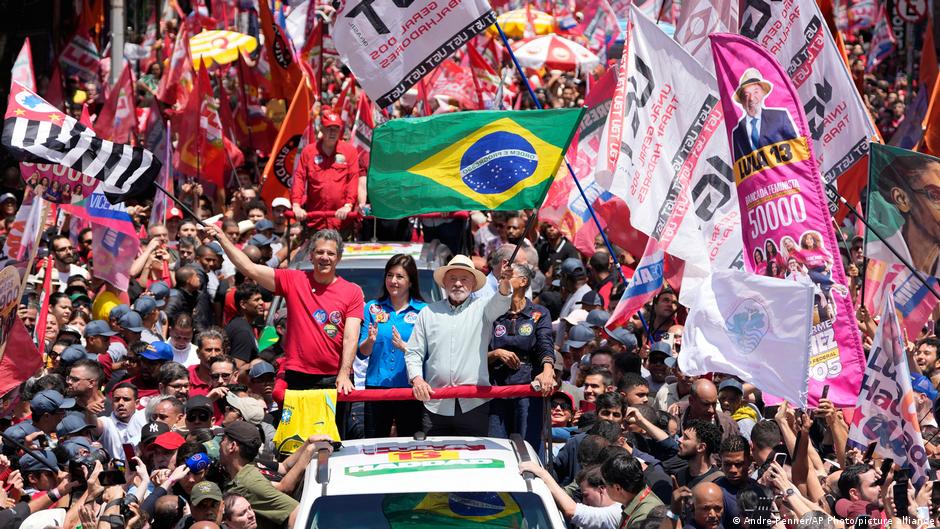
Sen. Flávio Bolsonaro secured 47% of the vote in Brazil’s first round of presidential elections, placing him narrowly ahead of incumbent President Luiz Inácio Lula da Silva with 45%, setting up a runoff on October 25. Both candidates are strategizing for the tight race: Lula's team aims to refine their message and reallocate resources to battleground states, while Bolsonaro is consolidating support among political figures and parties. Analysts suggest that Lula faces significant challenges due to Brazil’s shift towards right-wing politics since 2016.
Written locally by qwen2.5:14b on 2026-10-05,
using this article's own text rather than the other coverage of the
same event (that is the story summary below).
Why this leaning score
The model judged this article politically coded and scored it -0.35, but every quote it verified points right, so the score is not published.
Written under an earlier scoring contract, which gave a paragraph
rather than checkable quotes. Re-analysing this article replaces it.
Leaning score withheld for article 57823: score contradicts its own evidence · logged 2026-10-05
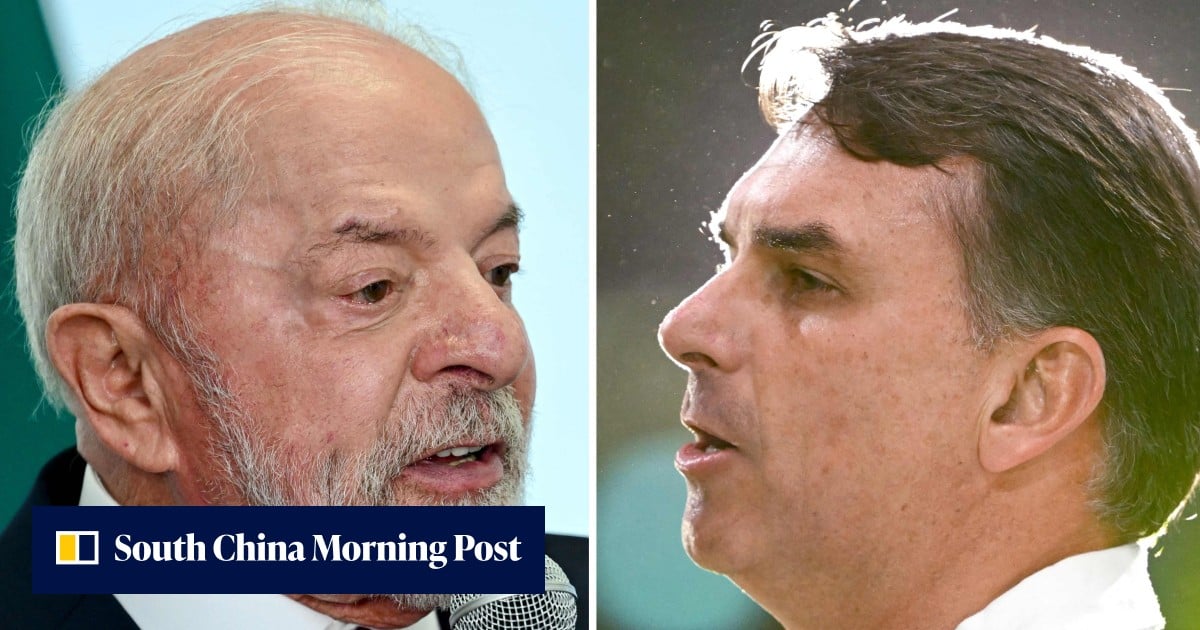
Sen. Flavio Bolsonaro, an ally of President Donald Trump, has pulled off a surprisingly strong showing in Brazil’s first round of presidential elections, giving him momentum in the weeks before an Oct. 25 runoff against incumbent President Luiz Inácio Lula da Silva.
asserted
Bolsonaro → pull → Silva
Bolsonaro, the 45-year-old son of former President Jair Bolsonaro, has allied himself with the Trump administration at a moment when Trump allies are taking power in Latin America, while Lula has spoken out against U.S. interference in the Brazilian elections and built a stronger relationship with Beijing.
asserted
Lula → ally → Beijing
In a tight race on Sunday, Bolsonaro garnered 47% of the vote to the populist leftist president’s 45%.
asserted
Bolsonaro → garner → %
Since neither candidate secured an absolute majority, they will face off again in three weeks.
asserted
they → secure → weeks
The winner of Brazil’s first round of voting has never lost an election, though never before has the second-place candidate been so close in the results.
asserted
candidate → lose → results
Here’s what to know about the upcoming second round and what it means for Brazil.
asserted
it → ’ → Brazil
Candidates are preparing strategies for a tight race
The 80-year-old Lula will face an uphill battle to win the presidency for the fourth nonconsecutive term, analysts say.
asserted
analysts → prepare → term
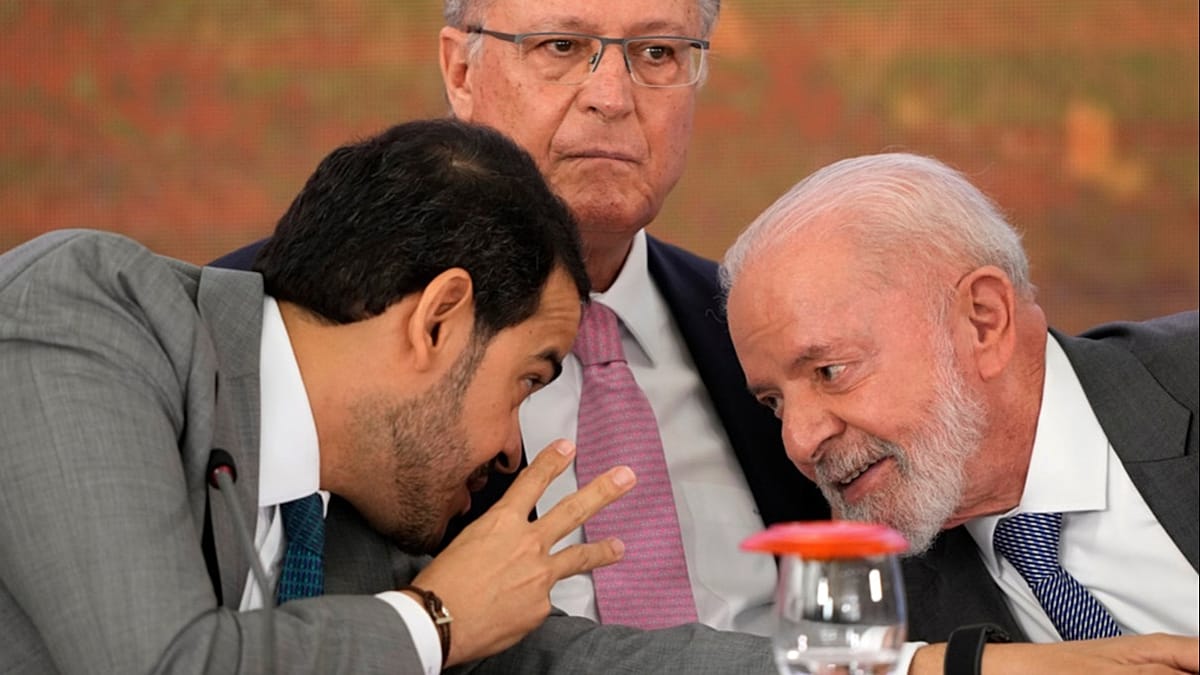
Edinho Silva, the chairman of Lula’s Workers’ Party, told journalists in Sao Paulo that the president will meet with campaign managers in Brasilia seeking to refine his message delivery, evaluate regional turnout figures, and re-allocate resources to key battleground states ahead of the second round.
asserted
president → tell → round
We will show Brazilians that Flávio Bolsonaro is dangerous and will not run this country in a way they will see their lives improve,” Silva said.
asserted
Silva → show → way
“We will try to speak to every democratic force in this country.”
asserted
We → try → country
On the opposition side, Bolsonaro is engaging in outreach to political figures, party leaders and regional allies to consolidate support.
asserted
Bolsonaro → engage → support
His team is focusing on building on his already impressive congressional backing: His Liberal Party won more than one-third of the Senate on Sunday — which is unusual in Brazil’s fractured political system.
asserted
which → focus → system
Three of the other 10 presidential candidates from the first round have said they will not endorse either candidate.
asserted
they → say → candidate
Lula faces a spirit of change with Brazil’s right-wing
Lula is fighting a trend of frustration with incumbents and a shift to the right in Brazil and worldwide, according to Creomar de Souza, a political analyst with Dharma Political Risk and Strategy, a political consultancy firm based in Brasilia.
uncertain
Lula → face → Brasilia
“The spirit of the times is pushing Brazil to another place.
asserted
spirit → push → place
It leaned to Flávio this time, but it could have been anybody else on the right,” de Souza said.
uncertain
Souza → lean → right
“It will be tough for Lula to win.
asserted
Lula → win → ?
He is rowing from the back when he thought by now they would be winning by a small margin.
asserted
they → row → margin
Can he do it?
asserted
he → do → it
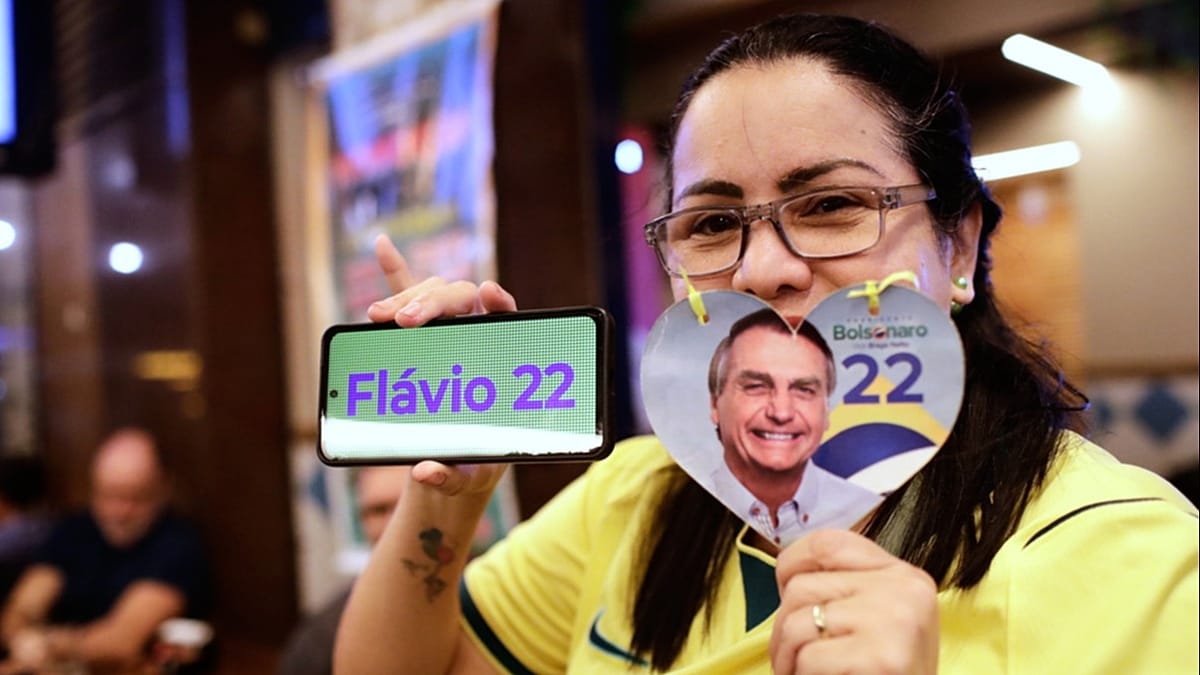
Tom Ferreira, 35, a business administrator who has voted for Lula in past elections, is an example of a former Lula voter who swung to Bolsonaro.
asserted
who → vote → Bolsonaro
He cast his ballot for Bolsonaro this time, although he preferred the proposals of some of the other candidates who didn’t get many votes, like Romeu Zema and Ronaldo Caiado.
asserted
who → cast → Zema
He doesn’t think Bolsonaro has strong proposals.
asserted
Bolsonaro → think → proposals
“It’s more of a question of change,” he said.
asserted
he → ’ → change
“Today, people vote in a way that’s like, ‘I’m for Bolsonaro,’ or ‘I’m for Lula.’
asserted
I → vote → Lula
Nobody votes because they researched the candidate or saw what they’ve done.”
asserted
they → vote → what
The shuttered Banco Master corruption scandal that exposed Bolsonaro had accepted millions of dollars from disgraced banker, Daniel Vorcaro, to fund a movie about his father’s life wasn’t a deal-breaker for Ferreira because he believes most politicians are corrupt.
asserted
politicians → shutter → Ferreira
“They bring Bolsonaro into it, but really everyone’s involved,” he said.
asserted
he → bring → it
Some voters give some hope to Lula, too.
asserted
voters → give → Lula
Brenda Alves de Carvalho, a 27-year-old financial assistant, voted for another presidential candidate, Augusto Cury, in the first round but says she will support Lula in the runoff.
asserted
she → vote → runoff
That doesn’t mean she is excited about it.
asserted
she → mean → it
She said that the president’s third term was not great, but it is “closer to what we want.”
asserted
we → say → what
“I didn’t want to vote at first.
asserted
I → want → ?
I know now I’ll have to vote for one side, because I don’t want to cast a blank vote.”
___
Savarese reported from Sao Paulo.
asserted
Savarese → know → Paulo
 The Aporia