The Aporia
The Aporia
The Aporia
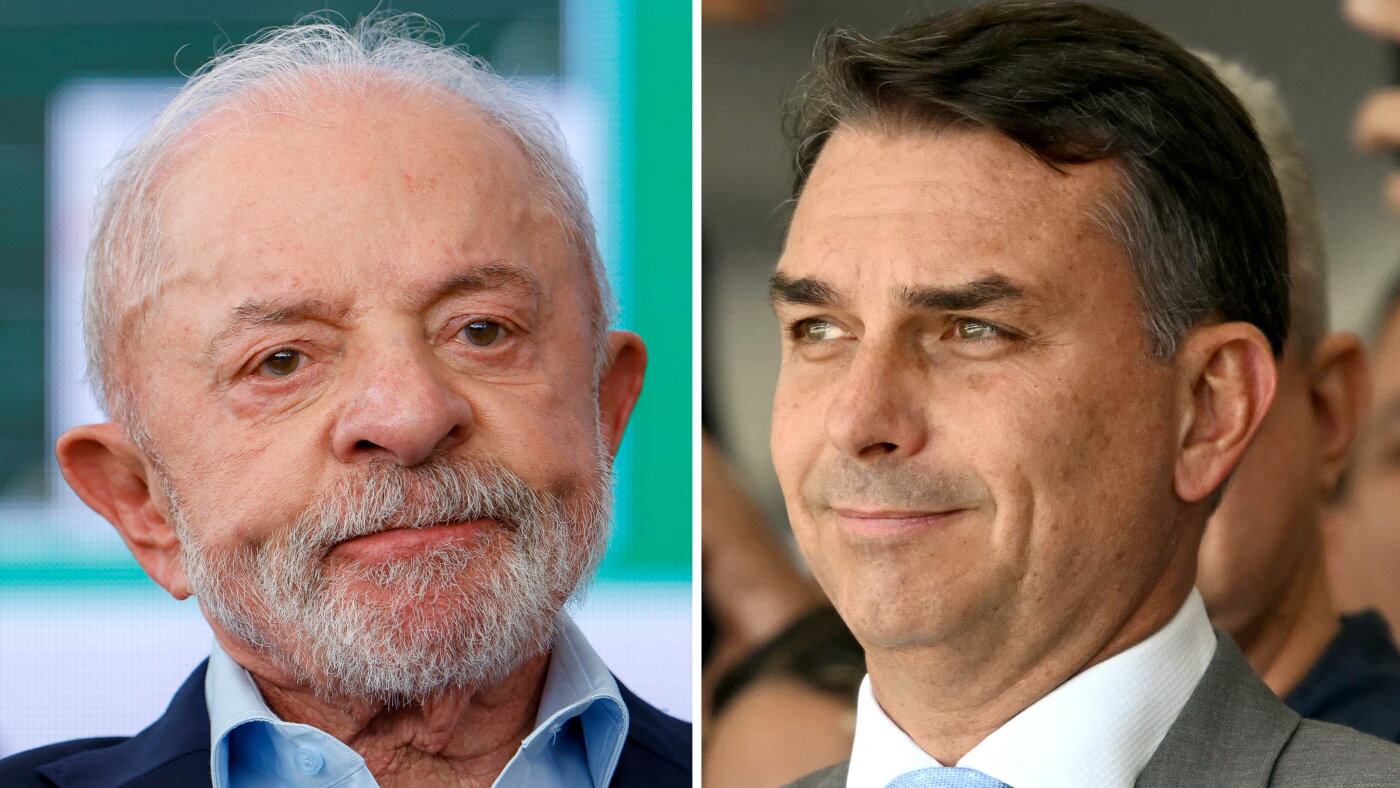
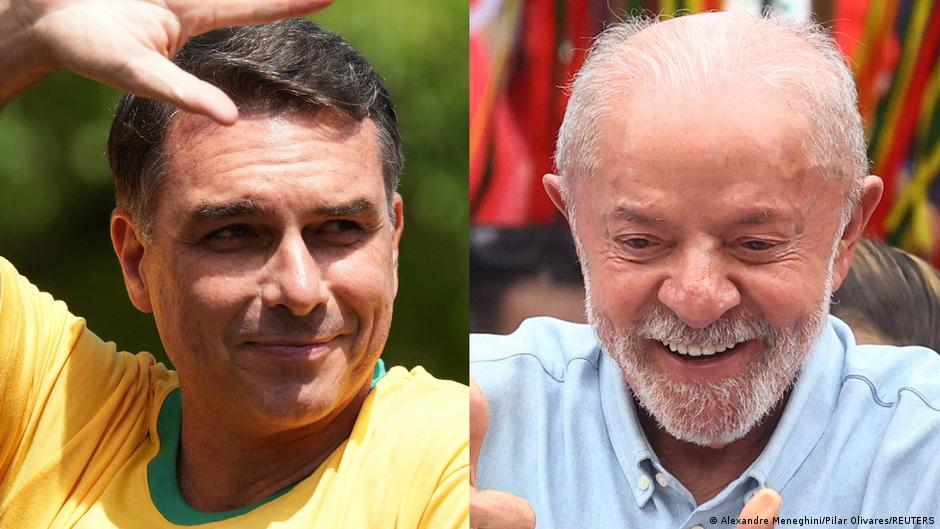
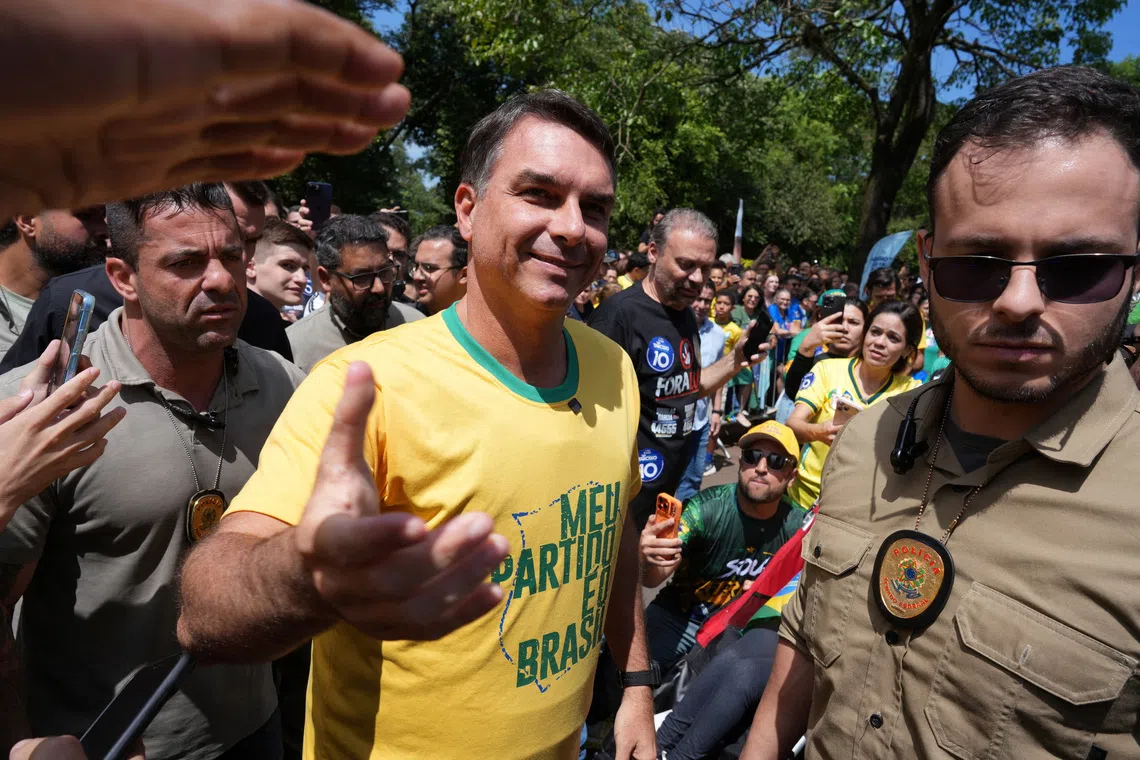
On October 4, 2026, Brazilians went to the polls for a high-stakes presidential election between incumbent leftist President Luiz Inácio Lula da Silva and right-wing challenger Senator Flávio Bolsonaro, son of former far-right president Jair Bolsonaro. Polls showed a tight race: Datafolha indicated 45% support for Lula and 42% for Bolsonaro in the first round, with a likely runoff showing Lula at 47% to Bolsonaro's 46%. The election was crucial as it followed four years of political turmoil after Jair Bolsonaro’s conviction for plotting a coup. If no candidate secured over 50% on October 4, a second-round runoff would be held on October 25 between the top two vote-getters. Lula campaigned by framing the election as a choice between "democracy and sovereignty" versus "barbarism and corruption," while Bolsonaro leaned into his ideological alliance with U.S. President Donald Trump, who had closely watched the election without an official endorsement. The outcome would significantly impact Brazil's ties with China and its stance on potential U.S. intervention in Latin American politics. Almost 159 million Brazilians were eligible to vote in this tense political showdown.
If Mr Bolsonaro triumphs in the October 25 election, Brazil will be the latest country in Latin America to swing to the right, a trend championed by US President Donald Trump.