That is 0 articles you have read today.
The Aporia is free and carries no advertising, so readers are the only
thing paying for it. If you are getting this much out of it, a small
donation is what keeps it independent.
Daily limit reached
You have read 0 articles today.
That is more than the 15 a day The Aporia gives away,
and well past what it can carry on nothing. Your allowance resets at
midnight.
There is no advertising here and nothing about you is sold, so readers
are the only thing paying for it. If the site is worth this much of
your day, it is worth a few dollars.
Everything else stays open: the
maps, the
directory and
search do
not count against this, and neither does re-opening something you have
already read today.
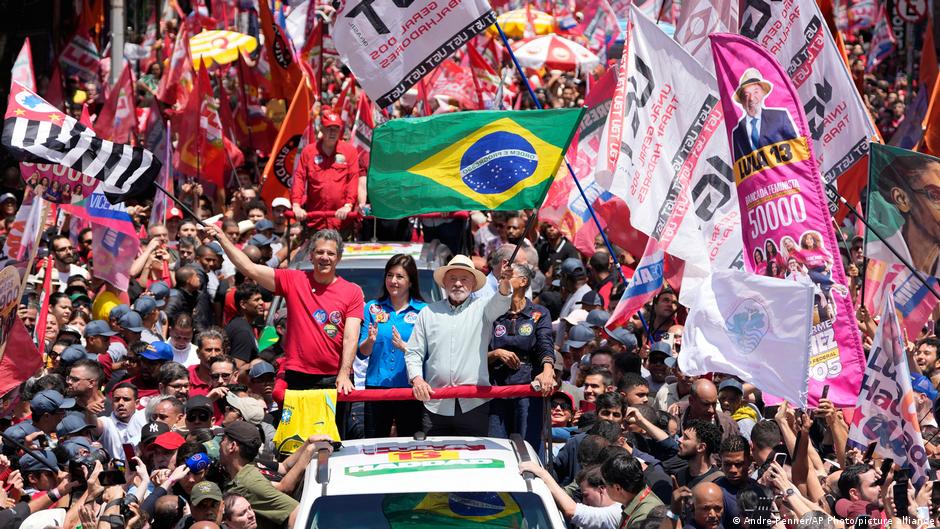
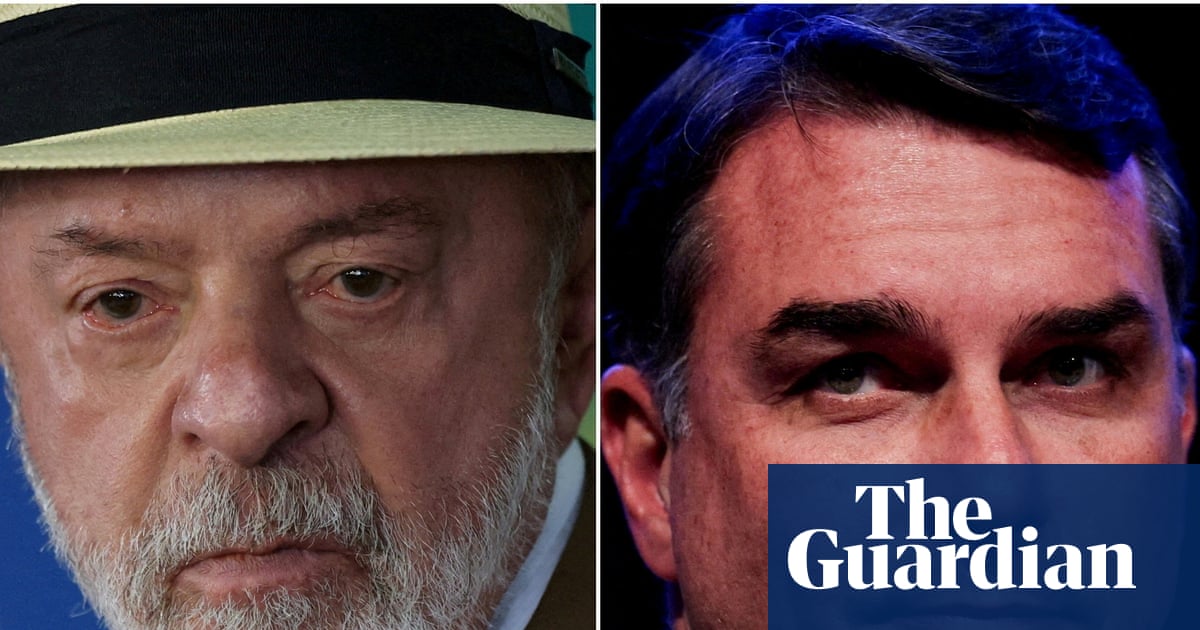
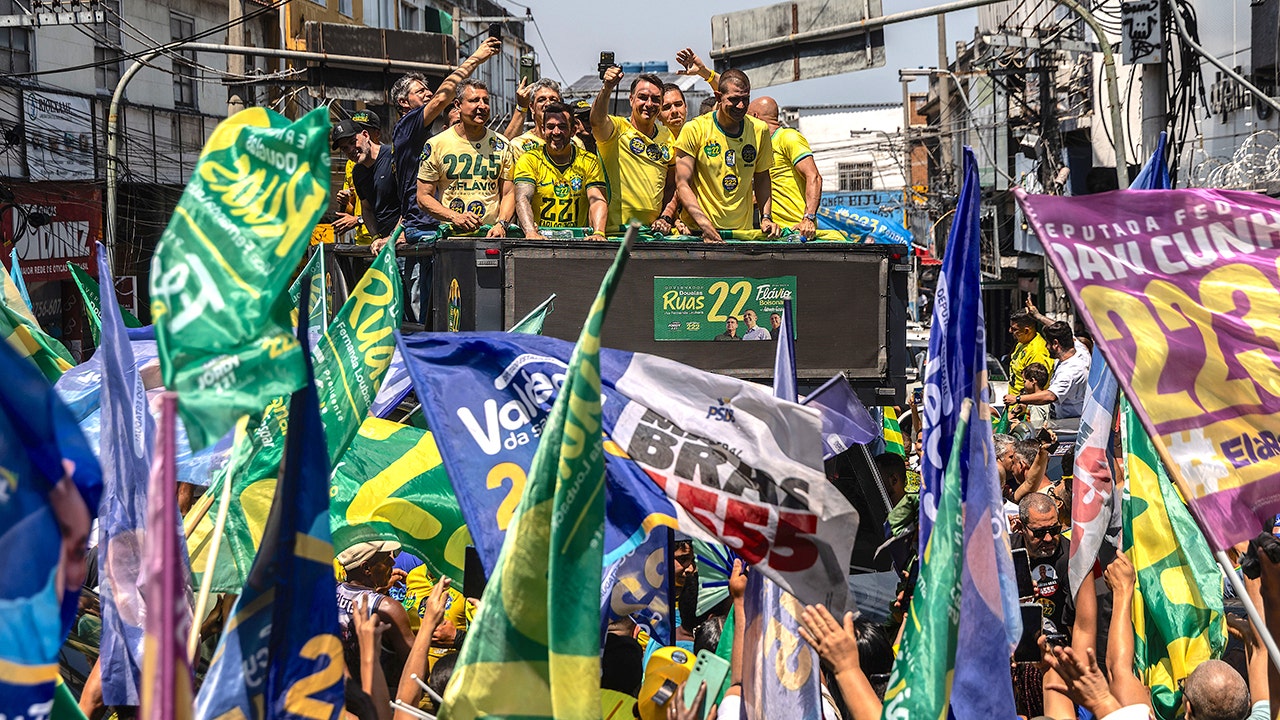
Brazilian voters cast their ballots in a polarized presidential election between incumbent left-wing president Luiz Inacio Lula da Silva and right-wing candidate Senator Flavio Bolsonaro, son of former President Jair Bolsonaro. The election also involves legislative races for lawmakers, governors, and senators among 160 million registered voters. If no candidate secures over 50% of the vote, a runoff will be held on October 25th. Key issues include crime, insecurity, and economic hardship, with concerns about corruption and US intervention also influencing voter sentiment.
Written locally by qwen2.5:14b on 2026-10-04,
using this article's own text rather than the other coverage of the
same event (that is the story summary below).
Story summary
Brazilians voted on Sunday in a high-stakes presidential election pitting incumbent Luiz Inácio Lula da Silva against Senator Flávio Bolsonaro. The outcome of this decisive vote could shape not only Brazil but also influence Latin America’s political direction. If no candidate secures more than 50% of the votes, a runoff is scheduled for October 25. Lula, an 80-year-old left-wing leader aiming for his fourth non-consecutive term, campaigns on welfare programs and state-funded development. Flávio Bolsonaro, son of former President Jair Bolsonaro who is serving a sentence for plotting a coup after losing the last election to Lula in 2022, aligns closely with U.S. President Donald Trump and promises continued right-wing policies. The political landscape remains highly polarized, with social media campaigns intensifying around every gaffe or rumor, and concerns about potential interference from foreign entities. This critical vote could mark a significant shift for Brazil and the broader Latin American region.
Written for “Brazil Presidential Election 2022” on 2026-10-04,
grounded in this article and the 16 other(s) covering the same event.
Why this leaning score
The article's own words the score was based on. Each is quoted
verbatim and was checked against the article text before being
stored, so you can find it in the original.
Leaning: leans left for article 55364 (high confidence, 2 verified quotes) · logged 2026-10-04
Polls have opened in Brazil’s presidential election, once again pitting left-wing incumbent Luiz Inacio Lula da Silva against a right-wing candidate from the Bolsonaro family – Senator Flavio Bolsonaro, the eldest son of former President Jair Bolsonaro.
asserted
Polls → open → Bolsonaro
Some 160 million registered voters are eligible to cast ballots in Sunday’s elections, which will elect lawmakers, governors and senators.
asserted
which → register → lawmakers
Recommended Stories
list of 4 items- list 1 of 4Latin America sees China as more positive global influence than US:
asserted
America → see → US
Poll
- list 2 of 4US and Australia suspend diplomatic operations in Brazil before election
asserted
list → suspend → election
- list 3 of 4What to know about Brazil’s 2026 presidential election
- list 4 of 4Brazil’s Lula and Bolsonaro close campaigns ahead of critical election
asserted
Lula → know → election
If no presidential candidate wins more than 50 percent of valid votes, the top two contenders will proceed to a run-off on October 25.
asserted
contenders → win → October
Most opinion polls ahead of the vote showed a close contest, with Lula holding a marginal advantage over Bolsonaro that tightens further in a potential second round.
asserted
that → show → round
Lula, of the Workers’ Party, is seeking a fourth nonconsecutive term.
asserted
Lula → seek → term
The 80-year-old, who previously served as president from 2003 to 2010, wants to continue his series of social programmes aimed at addressing inequality.
asserted
who → serve → inequality
Bolsonaro, of the Liberal Party, has promised a hard stance on crime and insecurity.
asserted
Bolsonaro → promise → crime
The 45-year-old has also pledged close collaboration with the United States under President Donald Trump.
asserted
old → pledge → Trump
His father is currently serving a 27-year prison sentence over his role in a coup plot following his election loss to Lula by 1.8 percentage points in 2022.
asserted
father → serve → 2022
The far-right leader’s conviction and that of several military officers raised questions about the strength of Brazilian democracy, reviving past traumas of the 21-year-long period during which Brazil was ruled by a US-backed military dictatorship.
asserted
Brazil → raise → dictatorship
The presidential election has been dominated by issues such as crime, insecurity and the high cost of living.
asserted
election → dominate → living
Corruption and concerns about US intervention in the country’s domestic affairs have also loomed over the campaign.
asserted
Corruption → loom → campaign
A recent survey by Quaest says violence was cited as the biggest concern by 31 percent of respondents, followed by corruption (20 percent), economy (19 percent) and healthcare (12 percent).
“The stakes of this election are incredibly stark because the candidates stand for such opposing visions about what Brazil’s recent history means,” Andre Pagliarini, an assistant professor of history and international studies at Louisiana State University and the author of a book on Lula, told Al Jazeera.
asserted
Pagliarini → say → Jazeera
He added that while Lula embodies the “consolidation of Brazilian democracy since the end of the dictatorship”, the Bolsonaro family argues that “the institutions that Brazilian democracy has erected since the end of dictatorship are either rotten and unresponsive”.
asserted
democracy → add → dictatorship
 The Aporia