The Aporia
The Aporia
The Aporia
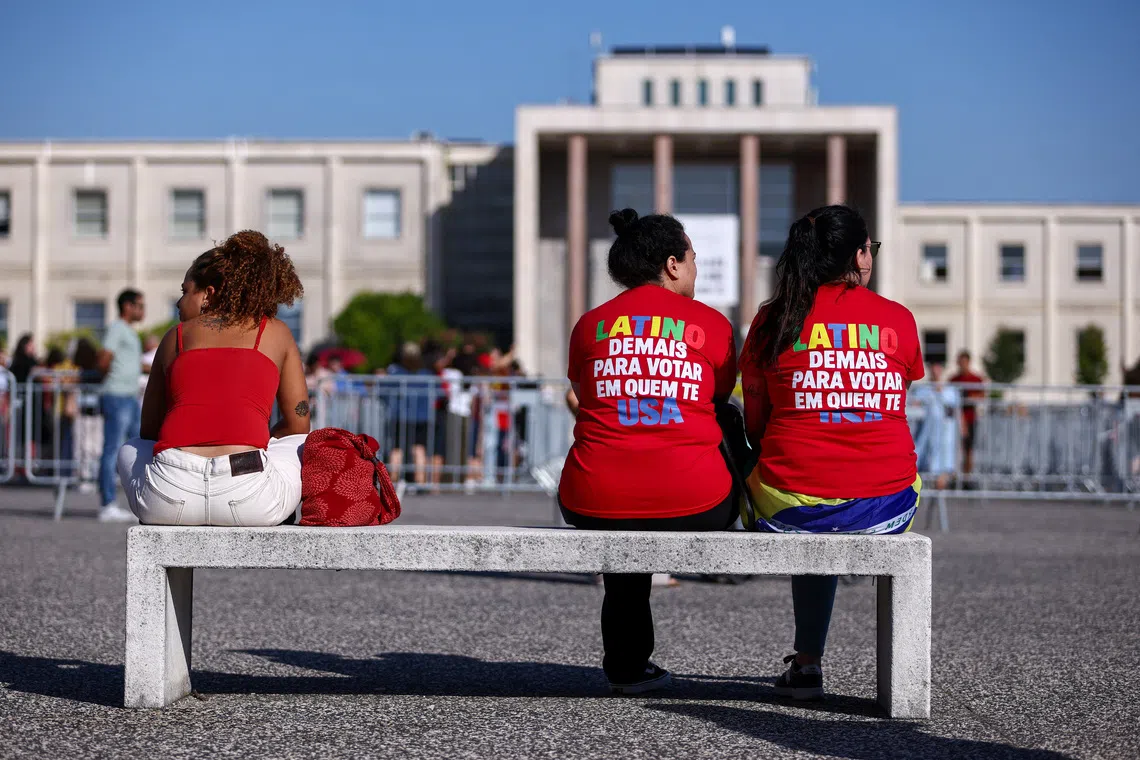
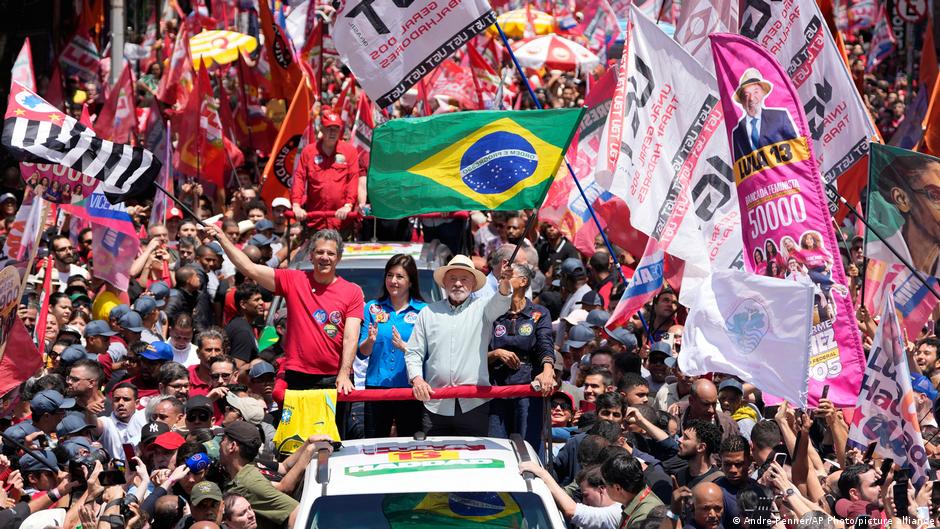
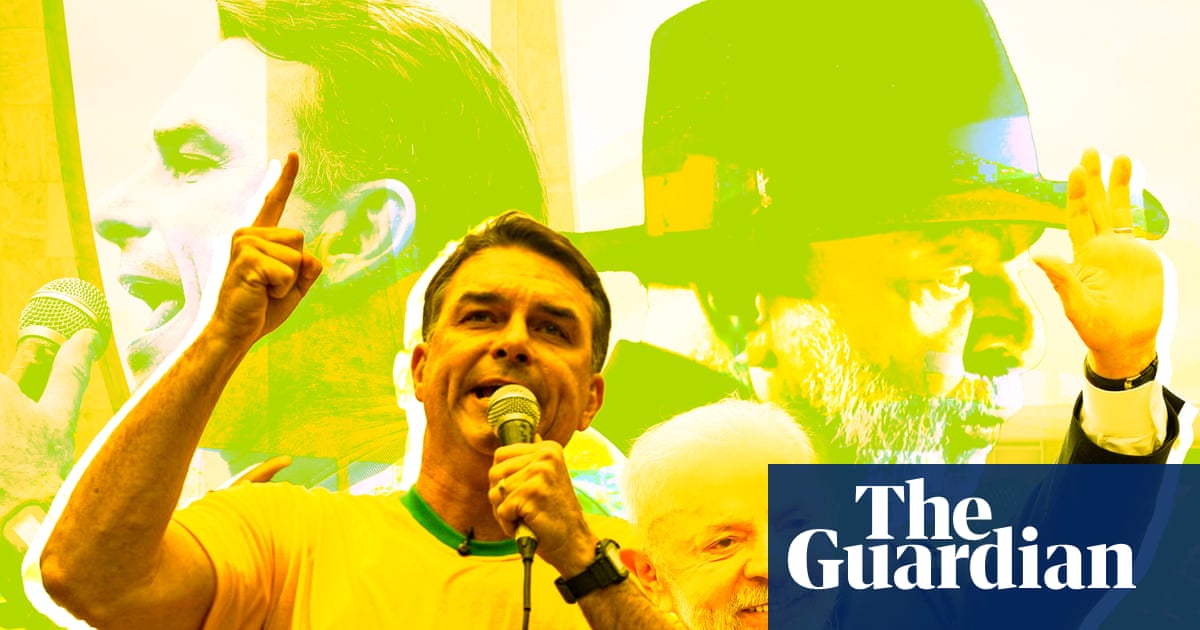
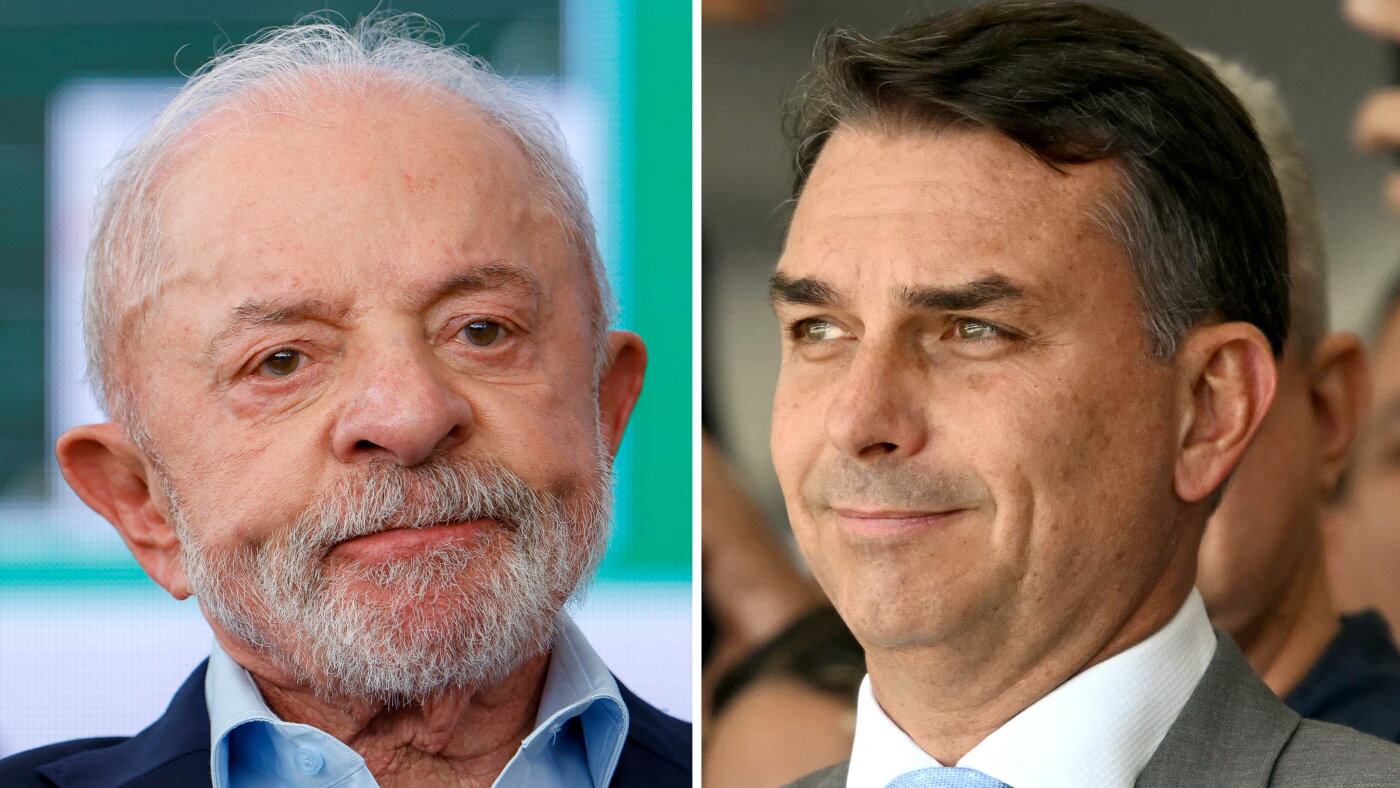
On October 4, 2026, Brazilians voted in a high-stakes presidential election pitting incumbent leftist President Luiz Inácio Lula da Silva against right-wing challenger Senator Flávio Bolsonaro. Polls showed a tight race with Lula leading slightly but both candidates neck-and-neck heading into the vote. If no candidate secured over 50% of the valid votes, the top two would face off in a runoff on October 25.
Lula campaigned on continuing his left-leaning Workers' Party platform focusing on welfare programs and state-led development. Bolsonaro, son of far-right former President Jair Bolsonaro who is serving a 27-year sentence for plotting a coup, emphasized law and order while leaning into support from U.S. President Donald Trump's allies.
The election was seen as a choice between "democracy and sovereignty" versus the "far right." Lula criticized potential U.S. intervention after the Trump administration imposed high tariffs on Brazilian exports and sanctioned Brazilian officials. Campaigning was bitter, with both sides seizing on gaffes and accusations online.
The outcome could have significant implications for Brazil's economic direction and international relations, particularly with China under Lula versus continued ties to the U.S. through Bolsonaro's allies. With nearly 159 million eligible voters, the results were closely watched both domestically and internationally.