The Guardian
· collected 2026-10-04 · by Tiago Rogero in Rio de Janeiro
Brazilians are voting in the first round of a presidential election that could significantly influence Latin America's political landscape. The main contenders are incumbent President Luiz Inácio Lula da Silva, running for a fourth non-consecutive term, and Senator Flávio Bolsonaro, son of former president Jair Bolsonaro who is serving time for attempting a coup. Polls indicate the race is tight, with both candidates trying to secure over 50% support to avoid a runoff on October 25. The election has drawn international attention due to allegations of US interference and concerns about democratic stability in Brazil.
Written locally by qwen2.5:14b on 2026-10-04,
using this article's own text rather than the other coverage of the
same event (that is the story summary below).
Story summary
Brazilians voted on Sunday in a high-stakes presidential election pitting incumbent Luiz Inácio Lula da Silva against Senator Flávio Bolsonaro. The outcome of this decisive vote could shape not only Brazil but also influence Latin America’s political direction. If no candidate secures more than 50% of the votes, a runoff is scheduled for October 25. Lula, an 80-year-old left-wing leader aiming for his fourth non-consecutive term, campaigns on welfare programs and state-funded development. Flávio Bolsonaro, son of former President Jair Bolsonaro who is serving a sentence for plotting a coup after losing the last election to Lula in 2022, aligns closely with U.S. President Donald Trump and promises continued right-wing policies. The political landscape remains highly polarized, with social media campaigns intensifying around every gaffe or rumor, and concerns about potential interference from foreign entities. This critical vote could mark a significant shift for Brazil and the broader Latin American region.
Written for “Brazil Presidential Election 2022” on 2026-10-04,
grounded in this article and the 16 other(s) covering the same event.
Brazilians go to the polls on Sunday in the first round of a highly polarised and high-stakes presidential election that could change not only the direction of Latin America’s largest country but that of the entire region.
uncertain
that → go → region
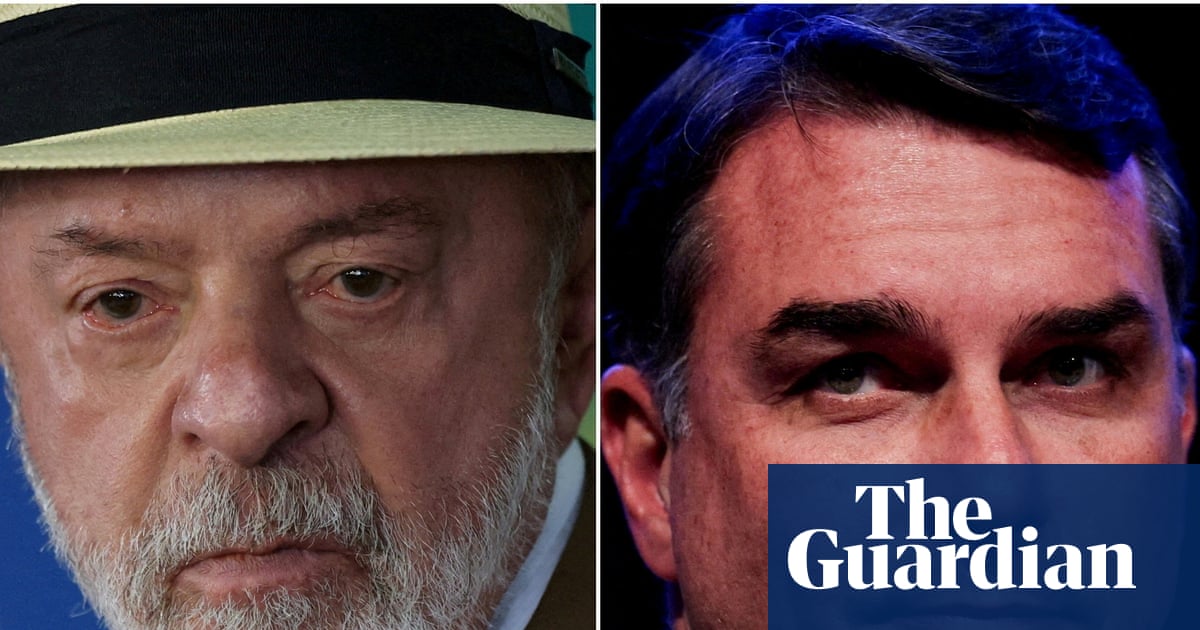
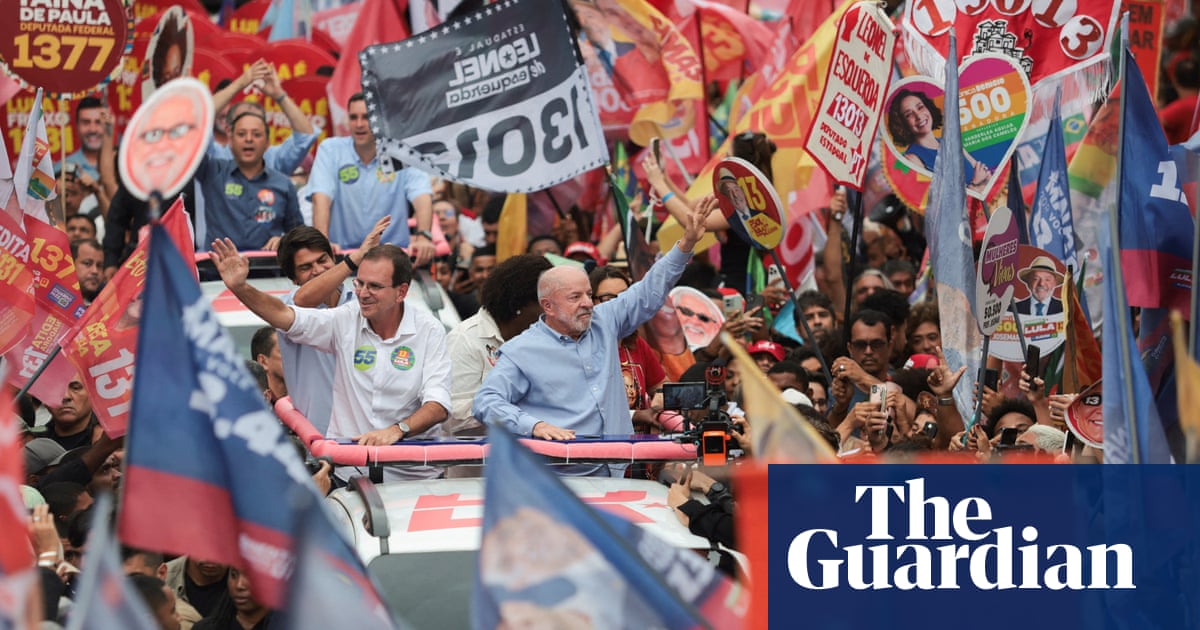
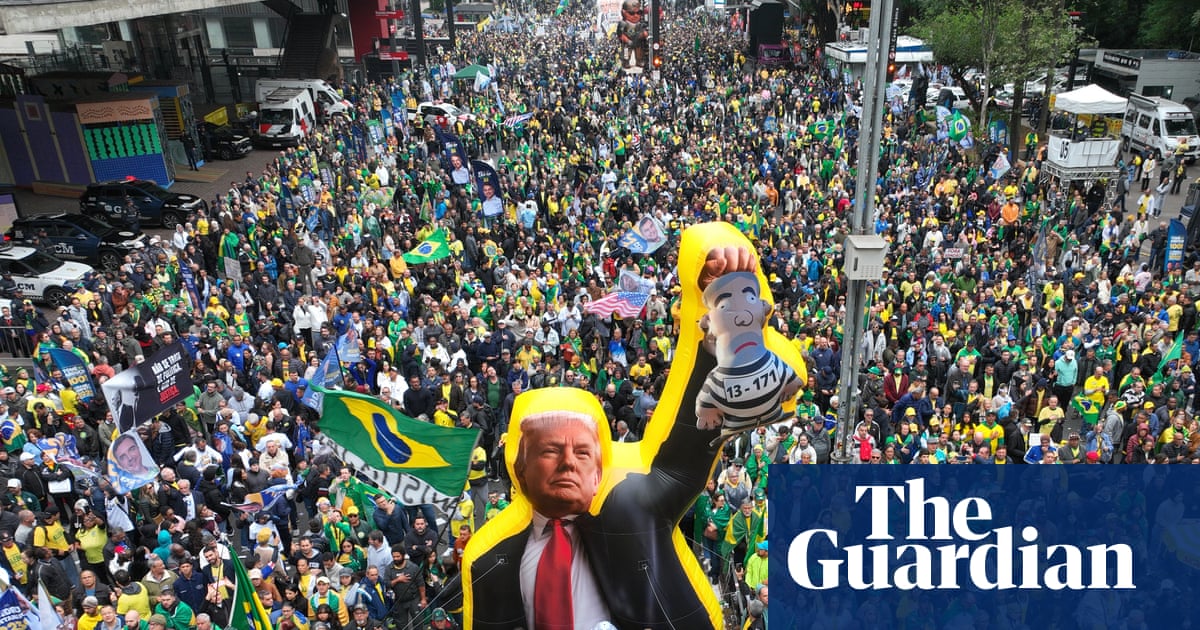
The election pits the leftwing president, Luiz Inácio Lula da Silva, who is seeking a fourth non-consecutive term, against the far-right senator Flávio Bolsonaro, an ally of Donald Trump and the son of the former president Jair Bolsonaro, who is serving a 27-year sentence for attempting a coup after his failed 2022 re-election attempt.
asserted
who → pit → attempt
Brazil is one of the few Latin American countries that still has a leftwing government after a wave of rightwing and far-right electoral victories across the region and the US takeover of Venezuela following the capture of Nicolás Maduro.
asserted
that → have → Maduro
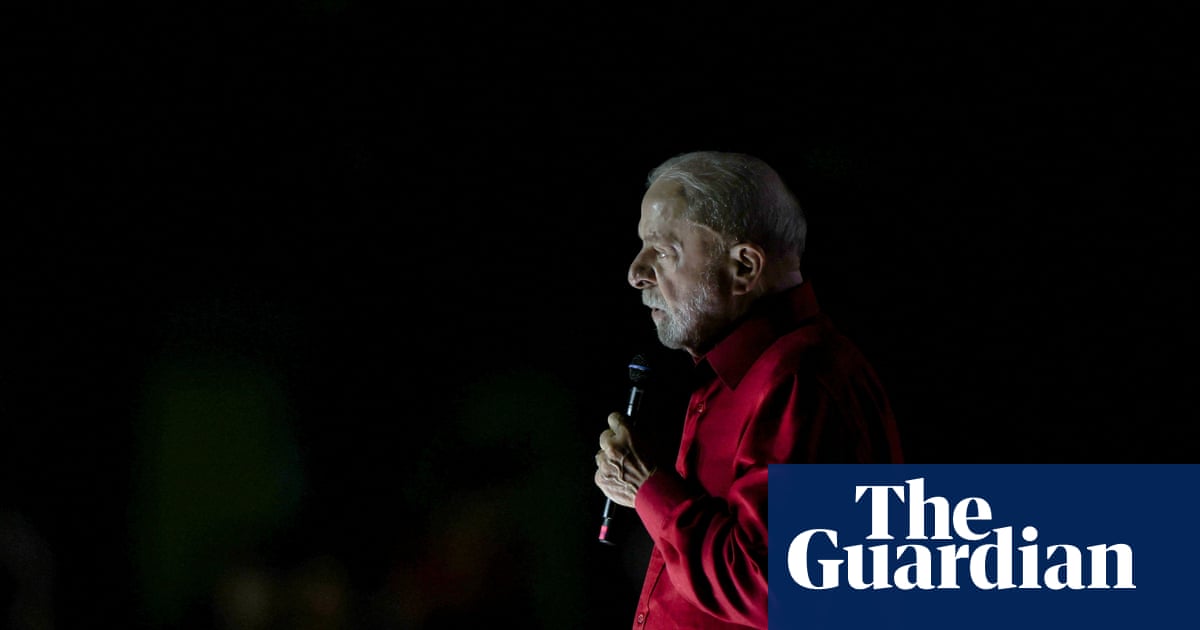
The 80-year-old Lula has positioned himself as one of the last regional leaders still willing to say no to Trump, and has recently accused the US president of trying to interfere in Brazil’s election in Bolsonaro’s favour.
asserted
Lula → position → favour
Like his father, who was Brazil’s president during Trump’s first term, Flávio Bolsonaro, 45, frequently praises the US president and has pledged to join the US-led anti-drug cartel coalition that has killed dozens in airstrikes and carried out military operations across the region.
Lula and Bolsonaro have alternated as frontrunners in the final stretch, making the outcome unpredictable.
asserted
outcome → pledge → stretch
In recent days, both have focused on persuading undecided voters in hopes of reaching 50% plus one vote; if neither does, there will be a runoff on 25 October.
asserted
neither → focus → October
“My first choice would be Jair Bolsonaro but, since he is under house arrest and there is no other rightwing candidate strong enough to take on the current president, I’m going with Flávio,” said Claudinei Ferreira Viana, 45, a workshop manager in Pinhais, in Paraná state.
asserted
Viana → be → state
At the beginning of the year, polls suggested Bolsonaro voters would have preferred a ticket led by the São Paulo governor, Tarcísio de Freitas, or the former first lady Michelle Bolsonaro.
uncertain
voters → suggest → governor
But the former president chose his eldest son.
asserted
president → choose → son
The campaign was also marked by a scandal in which the senator was caught on tape asking a banker accused of corruption for $26.8m (£20m) to fund a film about his father, as well as speculation that Bolsonaro might strip the country’s widely cherished patron saint of her status, but he has nevertheless remained highly competitive.
uncertain
he → mark → status
For many analysts, that reflects a combination of a straightforward transfer of his father’s voter base – Jair Bolsonaro lost to Lula by less than two percentage points in 2022 – and an anti-Lula vote, with the president still facing high rejection rates despite strong social and economic indicators.
asserted
president → reflect → indicators
The incumbent’s campaign has also been hit by corruption allegations – still under investigation – involving his son and a former aide, as well as a scandal involving supreme court justices which, despite having no connection to Lula, is seen as fuelling an “anti-system” vote and, by extension, an anti-incumbent one.
asserted
which → hit → extension
Brazilians will also elect 27 state governors, members of state legislatures, all 513 federal congress members and 54 of the country’s 81 senators in Sunday’s vote.
asserted
Brazilians → elect → vote
AMC, 40, who asked to be identified only by her initials because she fears reprisals from the local conservative government where she works in the interior of Amazonas state, will vote for Lula on Sunday “because of the many programmes he created to support the most vulnerable groups”.
asserted
he → ask → groups
“Jair Bolsonaro weakened protections for Indigenous peoples, and everything Lula has done over the past four years to strengthen those protections and protect the Amazon would be seriously threatened if his son came to power,” she said.
asserted
she → weaken → power
 The Aporia