Story summary
US President Donald Trump met with Chinese President Xi Jinping, where Xi pressed Trump to adopt Beijing's stance against Taiwan independence, which Taiwan rejected outright. Meanwhile, Taiwan is crucial for global tech and economy due to its leading semiconductor production; TSMC alone produces the majority of advanced chips that power smartphones, AI systems, and more. As Stanford Hoover fellow Eyck Freymann noted, economic disruption from a conflict over Taiwan would be severe.
In unrelated developments, Iranian President Masoud Pezeshkian met with US media at the UN General Assembly, where he denied Iran's nuclear ambitions while offering to dilute its enriched uranium and allow inspections under international law. He also blamed Washington for ongoing conflicts in the Middle East. The International Atomic Energy Agency (IAEA) estimates that Iran has over 440 kilograms of uranium enriched up to 60%, raising concerns despite Pezeshkian's denials.
Taiwan's representative, Ambassador Alexander Yui, clarified during an interview on CBS’s "Face the Nation" that while Taiwan was discussed between Trump and Xi, it wasn't a major focus. He emphasized there has been no change in US policy towards Taiwan amid recent tensions with China.
Written for “Taiwan Iran Us Relations Midterms” on 2026-10-05,
grounded in this article and the 386 other(s) covering the same event.
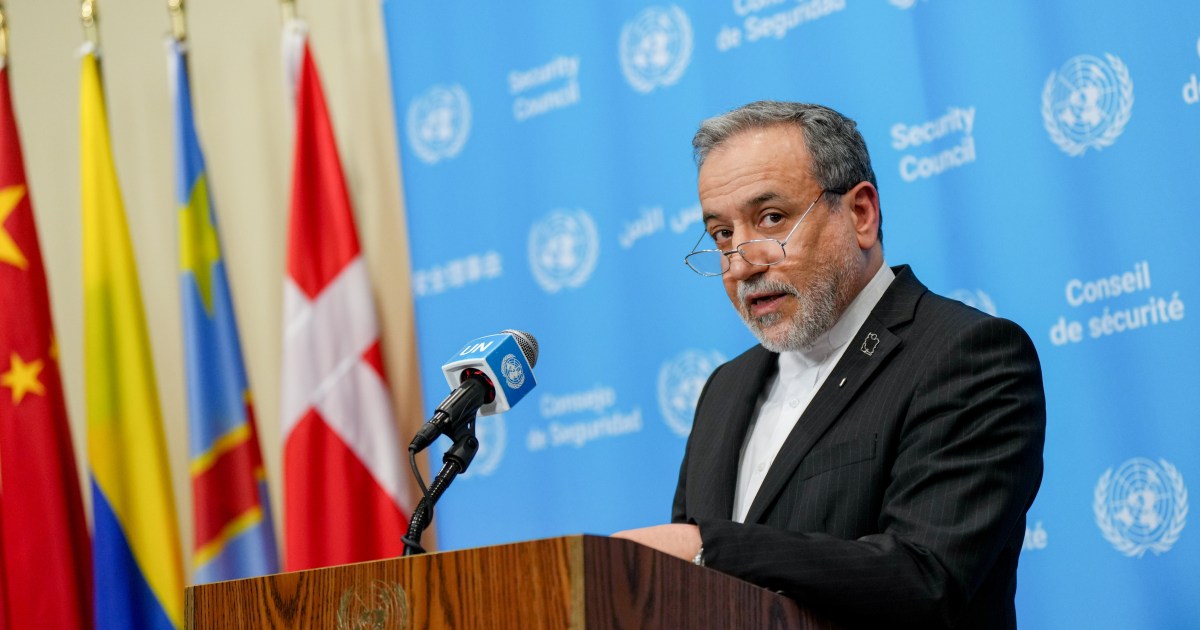
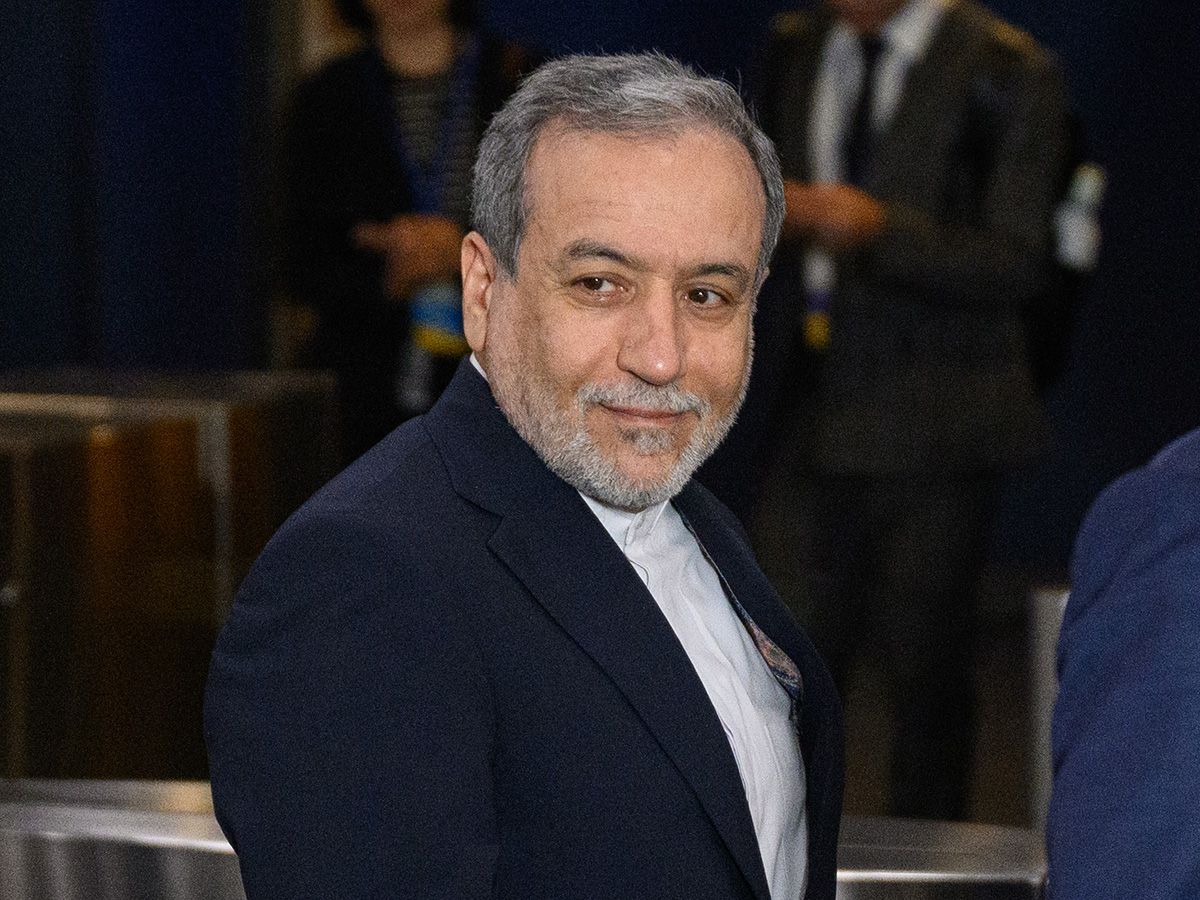
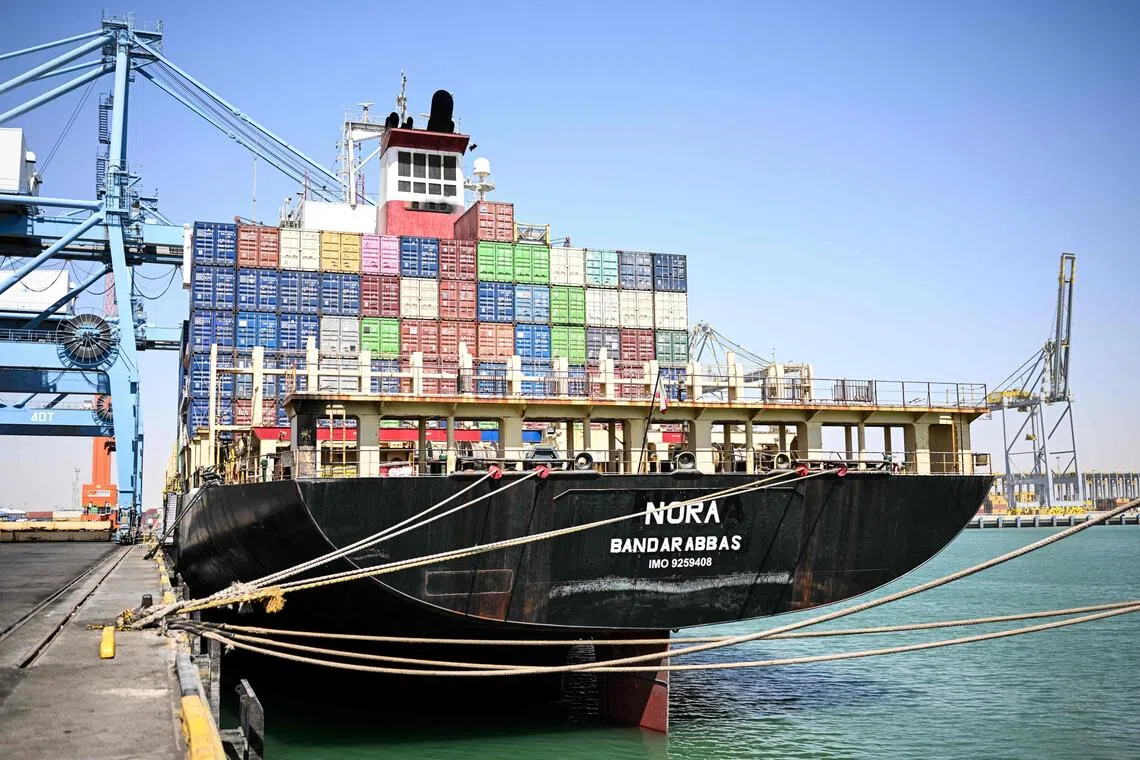
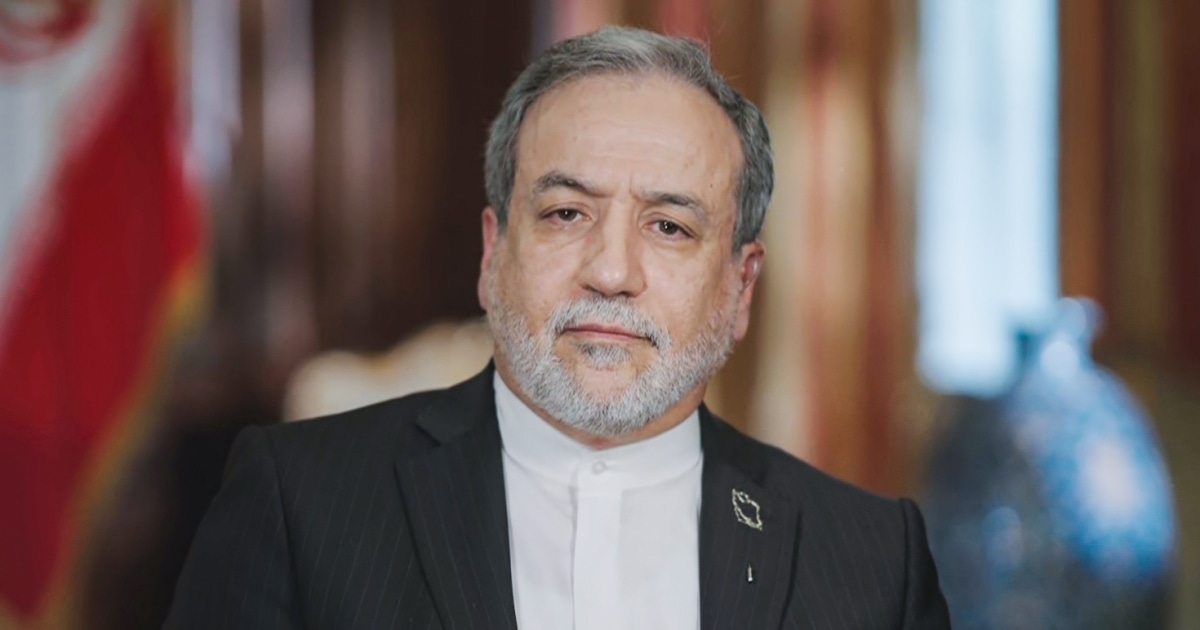
The choice to reopen the Strait of Hormuz “rests with the United States,” Iranian Foreign Minister Abbas Araghchi said Friday, indicating shipping through the critical waterway could resume within days once a deal is reached.
uncertain
deal → reopen → days
“If the necessary conditions are met, the strait can be reopened, and normal maritime passage restored within seven days,” Araghchi told reporters.
asserted
Araghchi → meet → reporters
“The choice now rests with the United States.”
asserted
choice → rest → States
He said a “concrete seven-day plan” had been conveyed to the U.S. through Qatar, after indirect talks through mediators were held on the sidelines of this week’s United Nations General Assembly in New York.
asserted
talks → say → York
“The seven day timeline starts as soon as the United States accepts this plan,” he added.
asserted
he → start → plan
“If they accept this plan tomorrow, the seven days will start from tomorrow.
asserted
days → accept → tomorrow
And we believe that these actions can be taken in four or five days.”
asserted
actions → believe → days
Iran offers new proposal to reopen Strait of Hormuz
asserted
Iran → offer → Hormuz
Araghchi said that the actions required by the U.S. in their proposal were already agreed to in the June Memorandum of Understanding between the two countries that laid out plans for a temporary ceasefire.
asserted
that → say → ceasefire
That agreement, signed in June, collapsed within days after fresh strikes were exchanged.
asserted
strikes → sign → days
“They fall already under the commitments of the United States, so we don’t see any difficulty to implement them,” he said.
asserted
he → fall → them
One of the conditions of the plan is for the U.S. to accept a maritime transit route through the Strait of Hormuz that has been agreed upon by Iran and Oman, Araghchi said Thursday.
asserted
Araghchi → accept → Iran
A U.S. official said the Trump Administration is having positive and constructive discussions through the mediators but that they were not in any hurry to reach an agreement.
asserted
they → say → agreement
“The United States is in a very strong position with control of the Strait of Hormuz, so we are not in a rush,” the U.S. official said.
asserted
official → say → rush
“Over the last 48 hours, nearly 40 million barrels of oil have transited the Strait.”
asserted
barrels → transit → Strait
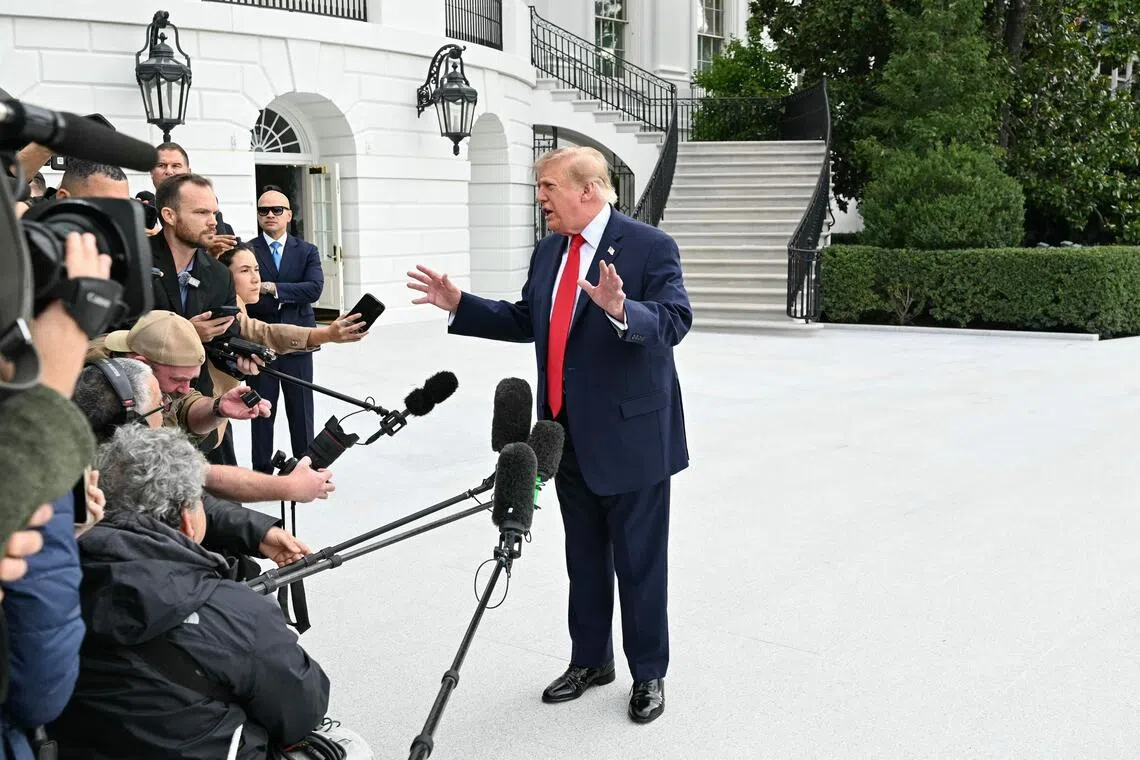
Early Saturday, President Donald Trump posted an image to Truth Social of the Strait of Hormuz labelled the “Trump Strait.”
asserted
Trump → post → Hormuz
Earlier this week, he had said he was still considering whether to “annihilate” Iran or make a deal.
asserted
he → say → deal
In an interview with Al Jazeera on Saturday, Iranian President Masoud Pezeshkian said that resolving the Hormuz issue “is possible through negotiations, not the use of force,” but warned that his country does not “trust” talks with Washington.
asserted
country → say → Washington
Trump has repeatedly said that the goal of attacking Iran was to prevent the development of a nuclear weapon.
asserted
goal → say → weapon
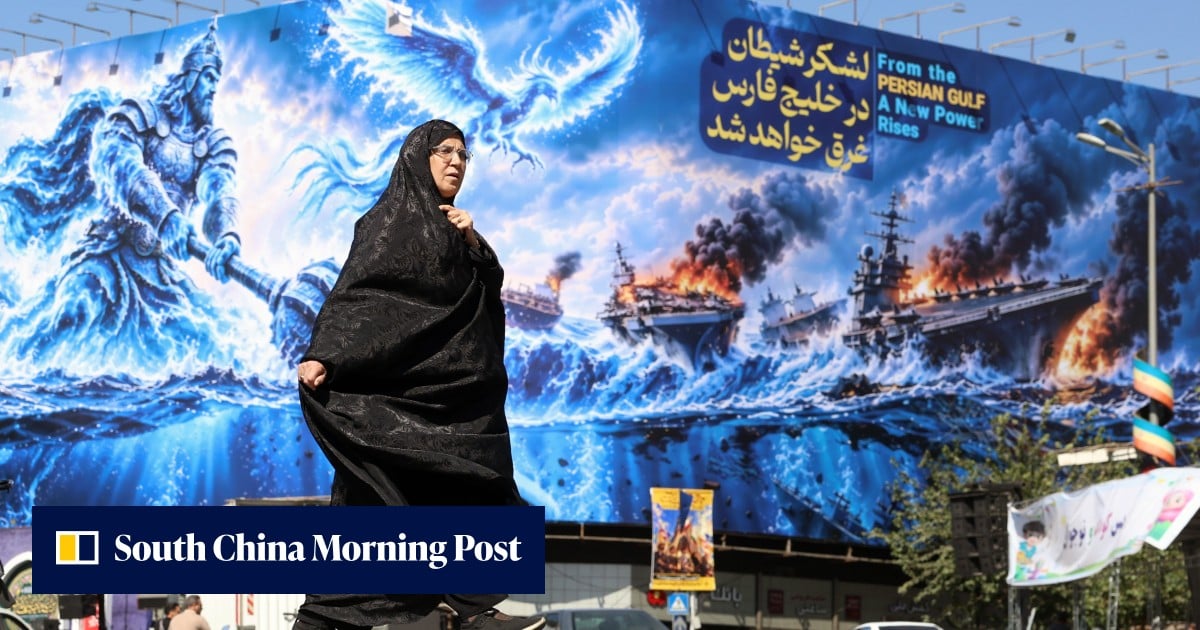
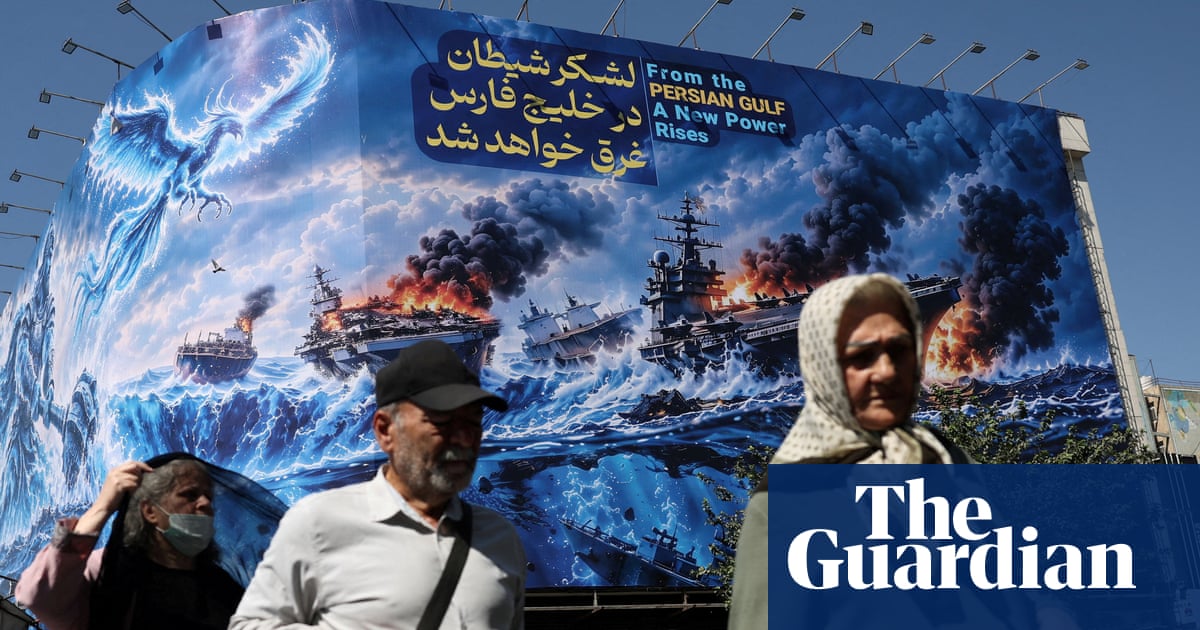
Soon after the war started, Iran blocked the Strait of Hormuz, a key waterway through which some 20% of the world’s oil flowed before the conflict, sending shock waves through the world economy.
asserted
% → start → economy
Polls show Democrats with an advantage heading into the November contests.
asserted
Polls → show → contests
The latest NBC News Decision Desk Poll found 31% of respondents approved of Trump’s handling of the Iran war, while 69% disapproved.
asserted
% → find → war
Pezeshkian on Thursday suggested his government was willing to make a deal with the U.S. to end the war before Americans head to the polls this November.
uncertain
Americans → suggest → polls
“We don’t want it to get to the midterm elections,” Pezeshkian said in a brief meeting with NBC News and other news organizations, two days after Trump said that he believed the Iranian regime would not make a deal to settle the conflict until after November’s elections.
asserted
regime → want → elections
“I believe we’ll make a deal right after the election because it doesn’t make sense for them not to,” Trump said.
asserted
Trump → believe → sense
“They’re waiting to see how I do in the midterm election.”
asserted
I → wait → election
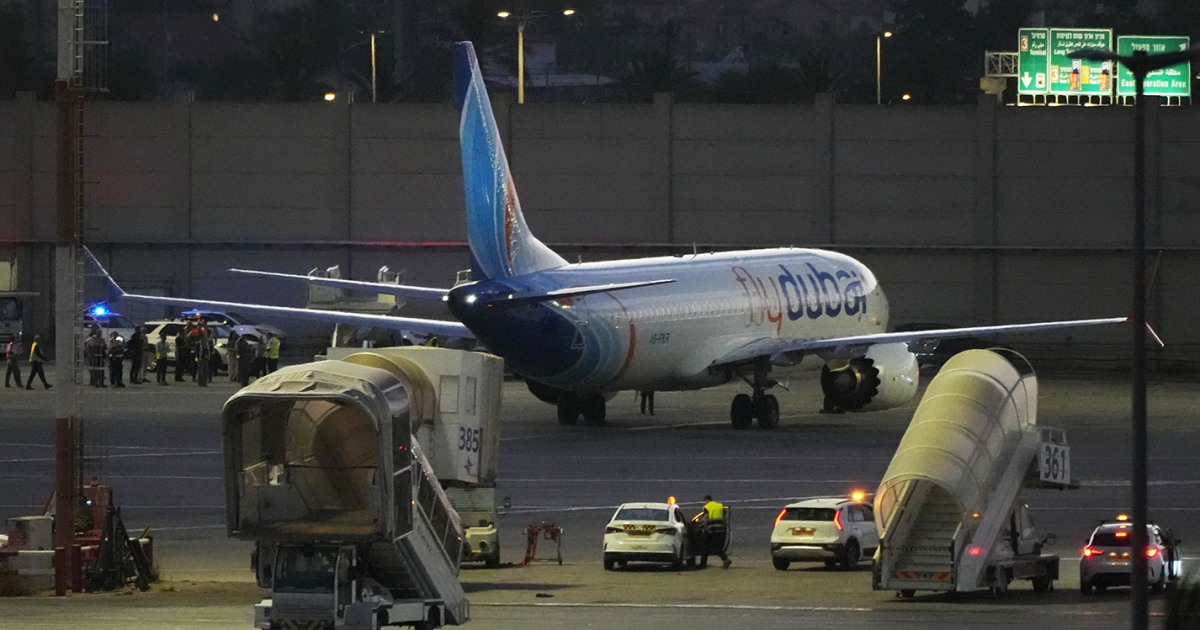
The U.S. this week announced it would put sanctions on any global companies doing business with Iranian airlines, with the aim of grounding Iran’s entire civil fleet worldwide.
asserted
it → announce → fleet
Iraq said Saturday that it was engaging with the U.S. in an effort to restore humanitarian flights to and from Iran, after Iranian airlines were barred from neighboring countries in response to the sanctions.
asserted
airlines → say → sanctions
Efforts were ongoing to “secure exemptions for certain Iraqi airports from these measures” in order to enable “the resumption of flights for humanitarian reasons, such as medical treatment, education, religious pilgrimages, and the interests of civilians,” the Iraqi prime minister’s office said.
asserted
office → secure → civilians
Iran’s Tasnim news agency reported that flights had also been shut down to Oman, Georgia and Azerbaijan.
asserted
flights → report → Oman
 The Aporia