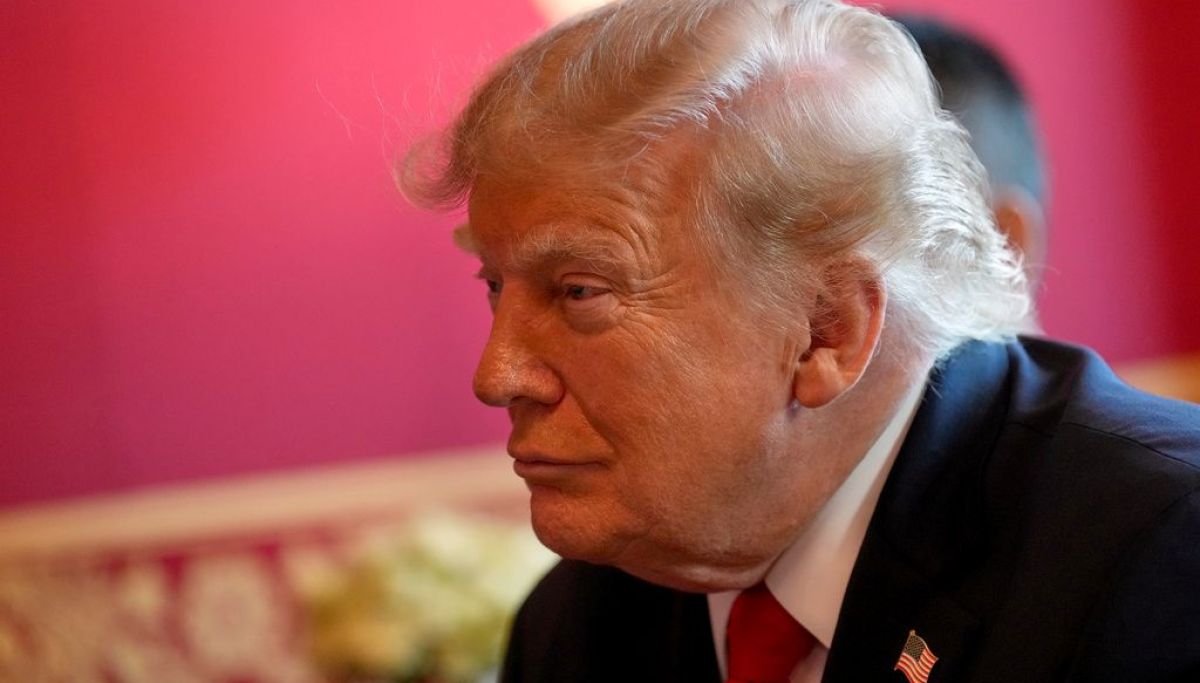
President Donald Trump rejected Iran’s proposal to reopen the Strait of Hormuz as insufficient, warning that military action could resume after midterm elections. In an interview with Time Magazine, he dismissed Iran's offer and reiterated his stance on maintaining a strong military presence. Meanwhile, Iranian President Masoud Pezeshkian stated Tehran is open to dialogue but emphasized its right to self-defense against the US naval blockade it considers a violation of their agreement.
Written locally by qwen2.5:14b on 2026-10-02,
using this article's own text rather than the other coverage of the
same event (that is the story summary below).
Story summary
US President Donald Trump met with Chinese President Xi Jinping, where Xi pressed Trump to adopt Beijing's stance against Taiwan independence, which Taiwan rejected outright. Meanwhile, Taiwan is crucial for global tech and economy due to its leading semiconductor production; TSMC alone produces the majority of advanced chips that power smartphones, AI systems, and more. As Stanford Hoover fellow Eyck Freymann noted, economic disruption from a conflict over Taiwan would be severe.
In unrelated developments, Iranian President Masoud Pezeshkian met with US media at the UN General Assembly, where he denied Iran's nuclear ambitions while offering to dilute its enriched uranium and allow inspections under international law. He also blamed Washington for ongoing conflicts in the Middle East. The International Atomic Energy Agency (IAEA) estimates that Iran has over 440 kilograms of uranium enriched up to 60%, raising concerns despite Pezeshkian's denials.
Taiwan's representative, Ambassador Alexander Yui, clarified during an interview on CBS’s "Face the Nation" that while Taiwan was discussed between Trump and Xi, it wasn't a major focus. He emphasized there has been no change in US policy towards Taiwan amid recent tensions with China.
Written for “Taiwan Iran Us Relations Midterms” on 2026-10-05,
grounded in this article and the 386 other(s) covering the same event.
• US president warns strikes against Tehran could resume after midterms; Washington sanctions Iran’s top carmakers, rail operators
• Pezeshkian says his country is open to dialogue; Putin hopes the strait reopens, says Russia’s offer to take enriched uranium still stands
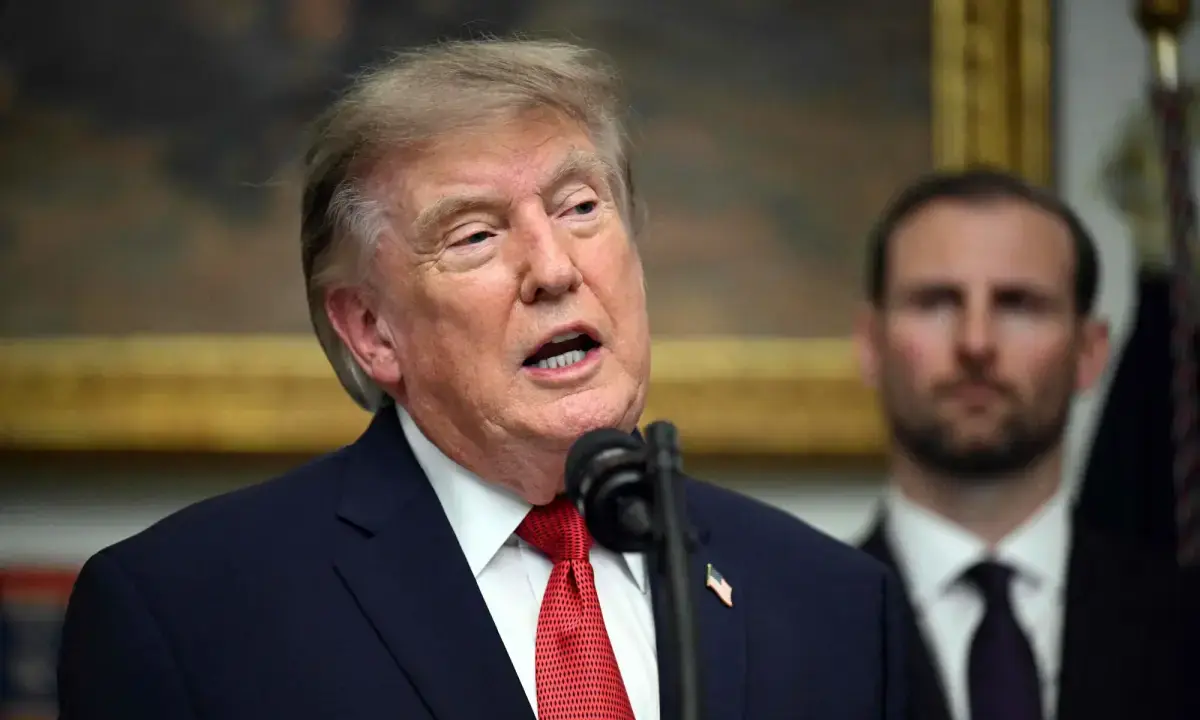
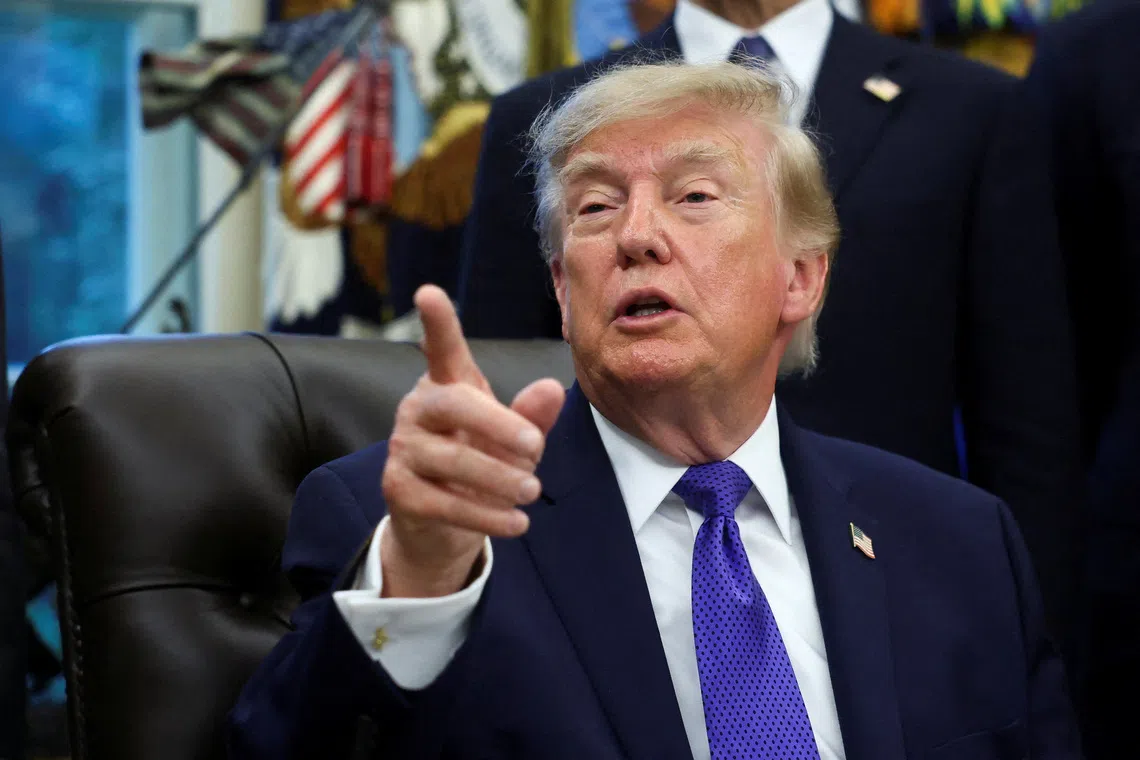
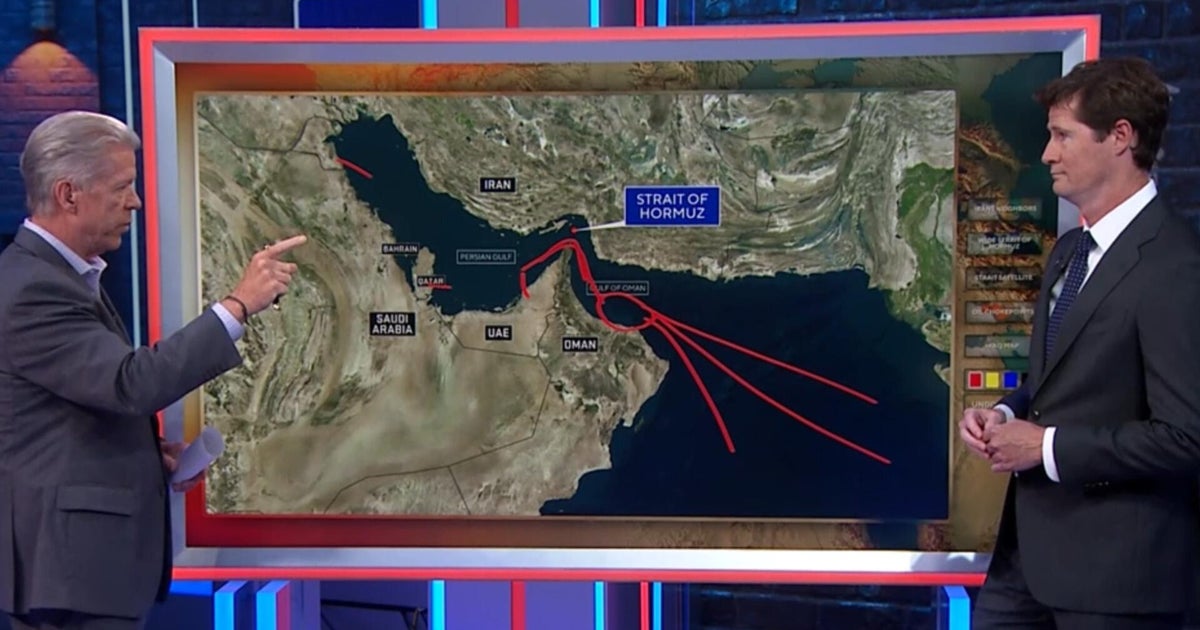
PRESIDENT Donald Trump rejected Iran’s offer to reopen the Strait of Hormuz as “simply not enough”, warning that military action against Tehran could resume after the midterm elections and predicting long-term peace with the country is unlikely.
uncertain
peace → warn → country
In an interview with Time Magazine, Trump said he had seen “some aspects” of the Iranian proposal regarding the strait, but deemed it “simply not enough”.
asserted
it → say → strait
Asked why he rejected the proposal, Trump said: “Because things that I wouldn’t have approved a year ago I wouldn’t have today.”
asserted
I → ask → that
Regarding Tehran’s past threats to close the waterway, Trump said: “There was always a threat they had, and it worked for a little while.
asserted
it → regard → while
But we basically closed it on them.
asserted
we → close → them
You know, they said we’re going to close.
asserted
we → know → ?
I said, ‘Well, if you close it, you’re going to have big trouble.’
asserted
you → say → trouble
We took it over.”
asserted
We → take → it
In response to his previous UN remarks about annihilating Iran, Trump told Time, “Yeah, I would do that.
asserted
I → annihilate → that
It’s possible.”
asserted
It → ’ → ?
Defending his title as the “president of peace”, he argued, “Because by annihilating Iran, we’ve created peace in the world.
asserted
we → defend → world
With Iran, I don’t think you could ever have peace.”
uncertain
you → think → peace
He noted post-midterm bombings remain possible, adding, “We have a lot of weapons.”
asserted
We → note → weapons
Addressing a Pentagon report citing munitions shortfalls caused by Operation Epic Fury in Iran, Trump dismissed it as “mostly fake news”.
asserted
Trump → address → news
Acknowledging some ammunition forms are lower, he said the US is “stocking up at levels we’ve never done before”.
asserted
we → acknowledge → levels
Separately, Trump claimed on Truth Social that while eliminating a nuclear threat typically takes four to six weeks, he “did it in one night”, adding that the remainder of the seven-month conflict ensures it stays that way.
asserted
it → claim → conflict
He told Time the US destroyed Iran’s navy, air force and radar systems.
asserted
US → tell → navy
Meanwhile, Iranian President Masoud Pezeshkian said on Thursday that Tehran would defend itself but remains open to dialogue, as the country weighs a US response to its proposal to resurrect a collapsed mid-June ceasefire, IRNA news agency reported.
asserted
agency → say → ceasefire
“We defend the rights of our society with dignity and pride, and we have never run away from dialogue and will not do so, although the United States has targeted our country three times despite having signed the agreement,” Pezeshkian told entrepreneurs, according to the official IRNA news agency.
uncertain
Pezeshkian → defend → agency
Iran accused the US of violating the agreement by maintaining a naval blockade.
asserted
Iran → accuse → blockade
“The US should get the idea of bringing us to our knees with terror and martyrdom out of its head,” Pezeshkian said.
asserted
Pezeshkian → get → head
He added Iran is seeking to expand import-export avenues via land with Pakistan, Iraq, Turkmenistan and Azerbaijan, despite “restrictions at sea”.
asserted
Iran → add → sea
To counter those alternative trade routes, the US Treasury Department imposed fresh sanctions on Thursday on Iran’s rail and automotive conglomerates.
asserted
Department → counter → conglomerates
The measures target Iran Khodro Company and SAIPA, which represent more than 90pc of Iran’s domestic auto market, alongside the state-owned Islamic Republic of Iran Railway Company and top private freight lines.
asserted
which → target → Company
The sanctions fall under “Operation Economic Outcast”, launched on Aug 24, to cut Tehran’s funding for warfare and the Islamic Revolutionary Guard Corps.
asserted
sanctions → fall → warfare
US Treasury Secretary Scott Bessent said the action “directly targets Iran’s enablers and lays the groundwork for the United States and our partners to drain the regime’s revenue once and for all”.
asserted
States → say → all
Separately, Russian President Vladimir Putin told a forum he hoped the Strait of Hormuz would be open to shipping and that sanctions on Iran would eventually be lifted, noting Russia’s proposal to receive enriched uranium from Iran remained on the table.
asserted
proposal → tell → table
 The Aporia