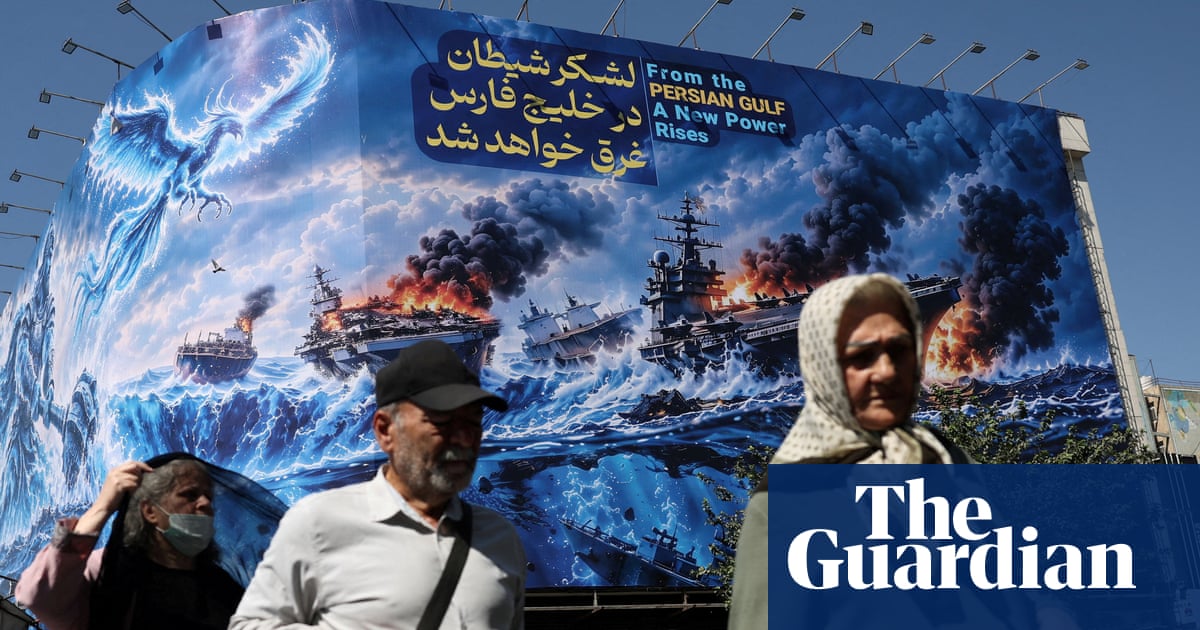
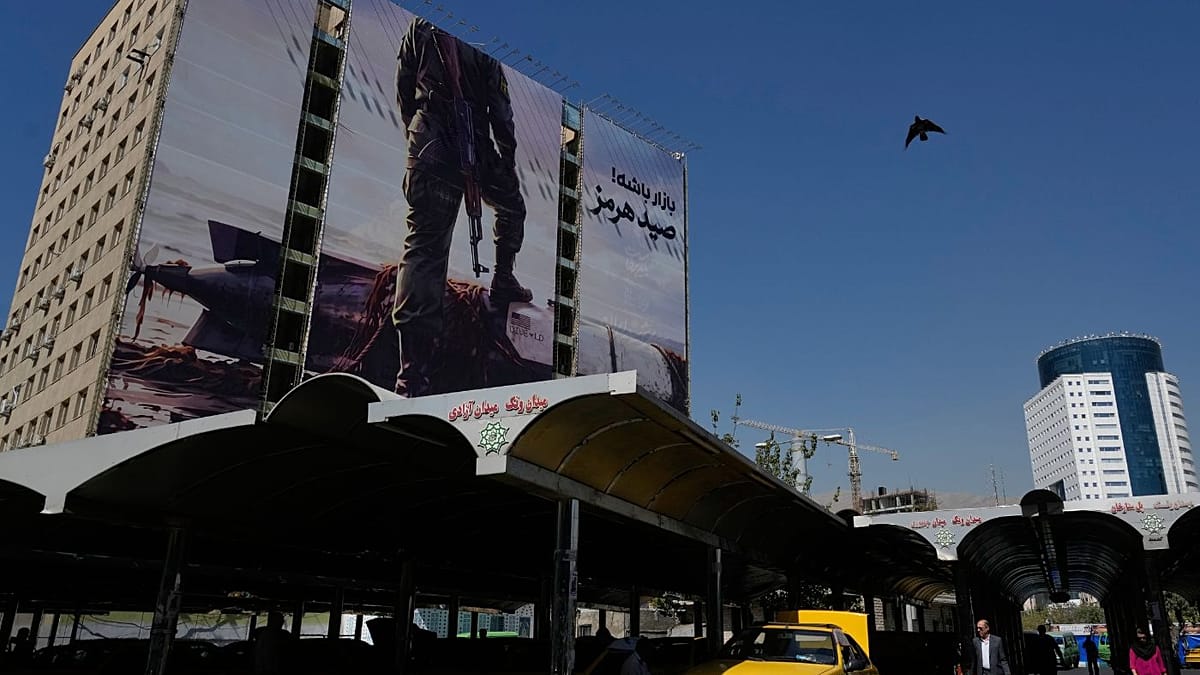
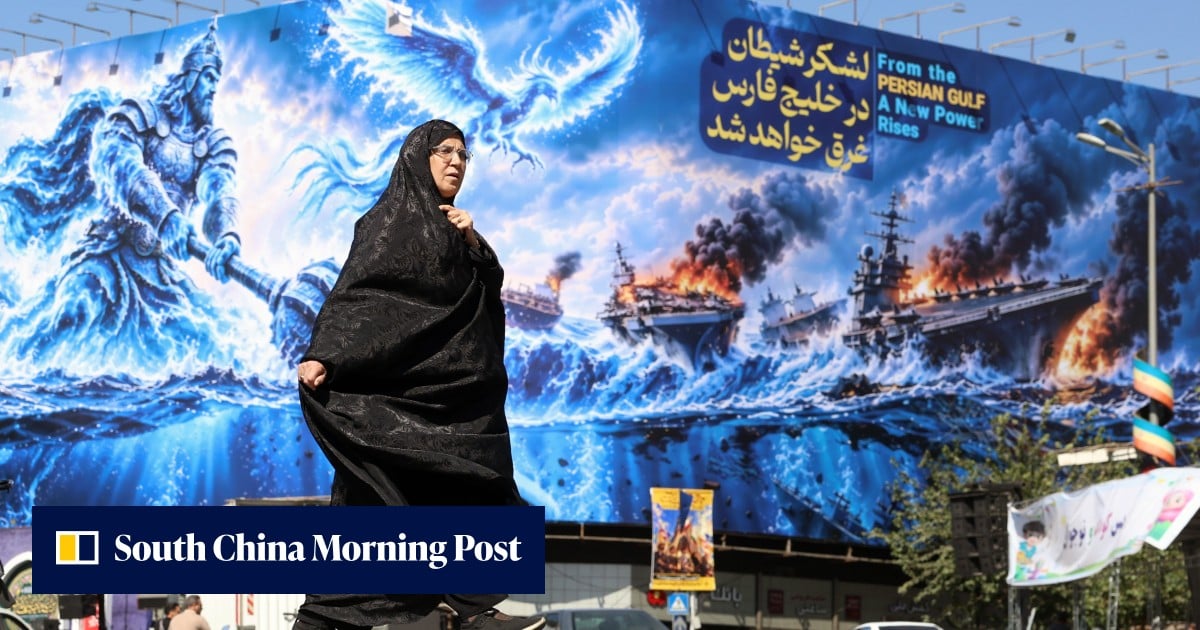
Iran has presented a seven-day plan to reopen the Strait of Hormuz and restart nuclear negotiations, which could ease global energy pressures but requires President Donald Trump to make significant concessions before U.S. midterm elections. Key demands include lifting asset freezes on Iran, allowing oil exports, and ending attacks by Israel on Hezbollah in Lebanon. Iranian officials expressed doubt about the United States' willingness to comply with these terms despite initial productive talks with U.S. envoy Steve Witkoff. The proposal seeks rapid implementation of previous agreements while accelerating timelines for nuclear discussions from 60 days to seven days.
Written locally by qwen2.5:14b on 2026-09-25,
using this article's own text rather than the other coverage of the
same event (that is the story summary below).
Story summary
US President Donald Trump met with Chinese President Xi Jinping, where Xi pressed Trump to adopt Beijing's stance against Taiwan independence, which Taiwan rejected outright. Meanwhile, Taiwan is crucial for global tech and economy due to its leading semiconductor production; TSMC alone produces the majority of advanced chips that power smartphones, AI systems, and more. As Stanford Hoover fellow Eyck Freymann noted, economic disruption from a conflict over Taiwan would be severe.
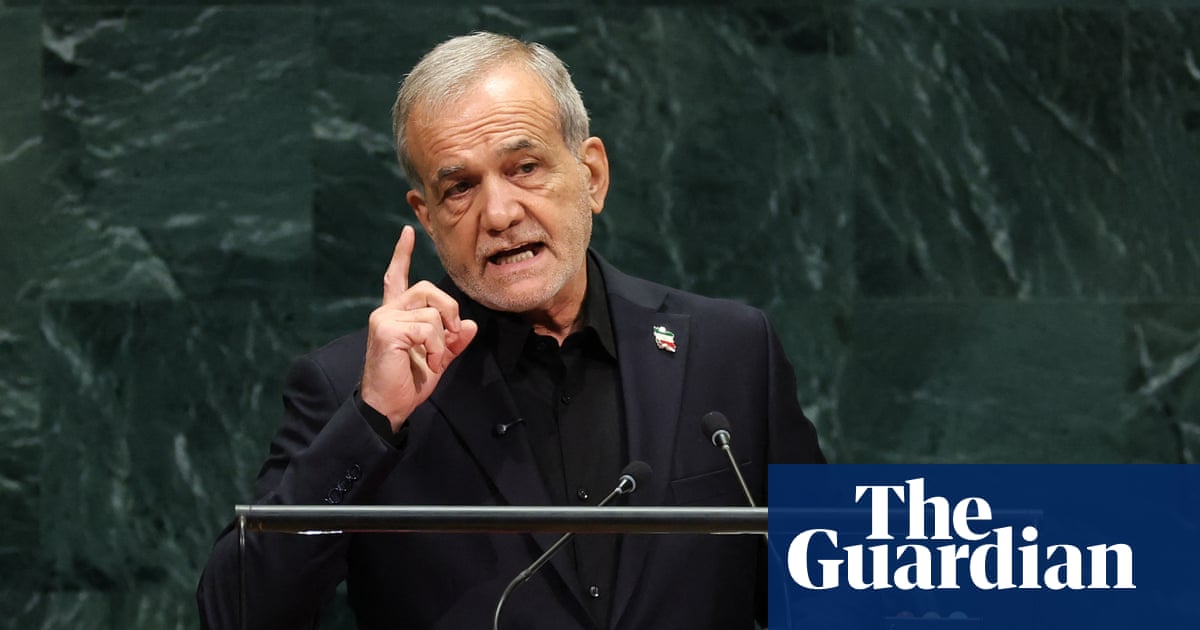
In unrelated developments, Iranian President Masoud Pezeshkian met with US media at the UN General Assembly, where he denied Iran's nuclear ambitions while offering to dilute its enriched uranium and allow inspections under international law. He also blamed Washington for ongoing conflicts in the Middle East. The International Atomic Energy Agency (IAEA) estimates that Iran has over 440 kilograms of uranium enriched up to 60%, raising concerns despite Pezeshkian's denials.
Taiwan's representative, Ambassador Alexander Yui, clarified during an interview on CBS’s "Face the Nation" that while Taiwan was discussed between Trump and Xi, it wasn't a major focus. He emphasized there has been no change in US policy towards Taiwan amid recent tensions with China.
Written for “Taiwan Iran Us Relations Midterms” on 2026-10-05,
grounded in this article and the 386 other(s) covering the same event.
Iran’s seven-day timetable to reopen the strait of Hormuz and start talks on its nuclear programme has been pitched as a deal that could rapidly extricate Donald Trump from a political crisis but requires the US president to make difficult concessions.
uncertain
that → reopen → concessions
In the five days left before the proposed reopening of the strait, which is expected to relieve pressure on global energy markets, Trump would need to lift Iranian asset freezes, permit Iran to export its oil and, probably most difficult of all, order Benjamin Netanyahu to end Israel’s attacks on Hezbollah in Lebanon, thus achieving the “ceasefire on all fronts”.
asserted
Trump → leave → fronts
Iranian diplomats in New York said they thought a three-hour meeting earlier this week with the US envoy Steve Witkoff in which they laid out the seven-day plan was productive, but were doubtful the US would deliver.
asserted
US → say → plan
Iran nevertheless feels it has done the diplomatic spadework, taking the proposal to China for endorsement and ensuring that Oman, located on the south side of the strait, was also on board.
asserted
Oman → feel → board
The foreign minister, Abbas Araghchi, explained that the idea was to take the elements of the Iran-US memorandum of understanding that Trump signed in June and repackage and accelerate the process since, as they understood it, Trump had come to hate the MoU.
“The conditions we have asked the US to meet is nothing new, nothing more than what was already in the Islamabad agreement, which was signed by the US president,” Araghchi said.
asserted
Araghchi → explain → president
In the first four to five days under this timetable, the US will have to lift the naval blockade on Iran’s oil ports, restore the waiver lifting sanctions on Iran’s oil exports, end the war on all fronts and permit the release of some of Iran’s frozen assets.
asserted
US → have → assets
On the sixth day, the strait of Hormuz would be reopened by Iran with ships using a new route designated by Oman and Iran.
asserted
ships → reopen → Oman
And on the next day, negotiations will start on the future of Iran’s civil nuclear programme, including a protocol to allow UN nuclear inspectors back in to look at Iran’s damaged sites and the Iranian stockpile of highly enriched uranium.
asserted
inspectors → start → uranium
This accelerates the point at which nuclear talks would begin from 60 days in the June agreement to seven.
asserted
talks → accelerate → seven
Those talks could, of course, then take a long time, but from Trump’s perspective, the strait of Hormuz would be reopened before the midterm elections, a point in the political calendar that the Iranian president, Masoud Pezeshkian, says has never been a factor in Iranian thinking.
uncertain
president → take → thinking
Trump had claimed Iran was waiting until after the vote to offer a deal.
asserted
Iran → claim → deal
Iran, Araghchi argued at a largely off-the-record briefing with reporters – at which Pezeshkian was also present – has every reason not to negotiate with the US.
asserted
Pezeshkian → argue → US
In particular, he admitted to being sceptical that Witkoff could deliver.
uncertain
Witkoff → admit → ?
He recounted how he had twice held talks with Trump’s special envoy, with Witkoff saying the talks had been “productive and good”, only for Iran to be bombed by the US the next day.
asserted
Iran → recount → US
Other Iranian diplomats say Trump’s willingness to rein in Netanyahu in Lebanon remains key.
asserted
willingness → say → Lebanon
If he were to do that, a deal would be feasible.
asserted
deal → do → that
It is a difficult deal for Trump to swallow since the strait would reopen largely on Iran’s terms, with the new route predominantly going through Iranian waters.
asserted
route → swallow → waters
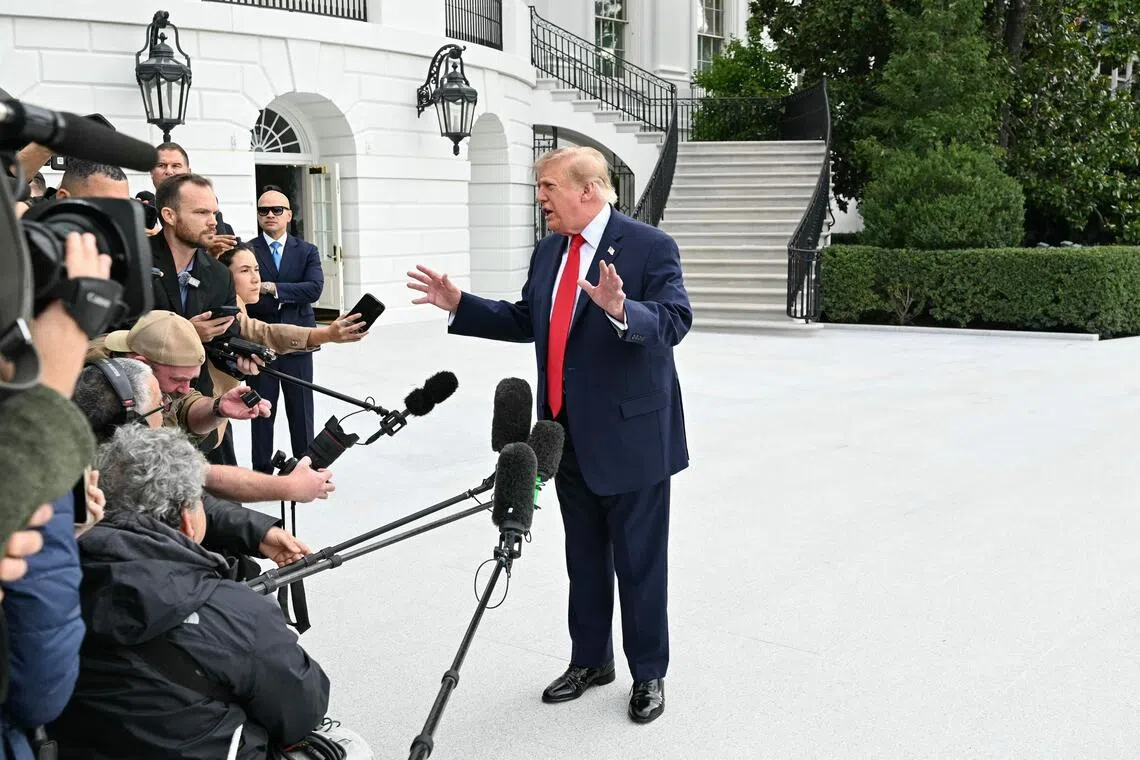
Trump says he has a choice to make between the annihilation of Iran and engagement – an engagement that he says, with typical hyperbole, could make Iran one of the great countries of the world.
uncertain
Iran → say → world
In reality, the judgement he has to make is more prosaic.
asserted
he → have → reality
Is he prepared to go back to war with Iran, after the midterms and, if not, does he believe the US can squeeze the Iranian economy so hard that the leadership will succumb.
asserted
leadership → go → economy
Pezeshkian – who handed all questions about the talks to Araghchi, who was sitting to his right – admitted Iranians wanted the war to end and did not deny the economic pressure, but said the public had withstood sanctions for 45 years.
asserted
public → hand → years
He also insisted Iran’s decision-making machinery was functioning.
asserted
machinery → insist → ?
The reclusive supreme leader Mojtaba Khamenei was completely healthy, he claimed – a testimony based on spending seven hours in his presence.
asserted
he → claim → presence
He did not explain what, apart from security, led Khamenei to not even issue a voice recording, photograph, let alone a video, as proof of life.
asserted
what → explain → life
 The Aporia