Iran has proposed reopening the Strait of Hormuz within a week if the US ends its military pressure campaign, as both sides consider reviving peace talks during the UN General Assembly in New York. Secretary of State Marco Rubio suggested that engagement with Iran could provide insights into their intentions but also emphasized that no Iranian oil is currently passing through the strait due to the blockade and mine clearance efforts by the US. This offer presents a "golden opportunity" for diplomatic resolution, though complications from past negotiations persist over alignment between Iran’s civilian and military leadership on demands and agreements.
Written locally by qwen2.5:14b on 2026-09-22,
using this article's own text rather than the other coverage of the
same event (that is the story summary below).
Story summary
US President Donald Trump met with Chinese President Xi Jinping, where Xi pressed Trump to adopt Beijing's stance against Taiwan independence, which Taiwan rejected outright. Meanwhile, Taiwan is crucial for global tech and economy due to its leading semiconductor production; TSMC alone produces the majority of advanced chips that power smartphones, AI systems, and more. As Stanford Hoover fellow Eyck Freymann noted, economic disruption from a conflict over Taiwan would be severe.
In unrelated developments, Iranian President Masoud Pezeshkian met with US media at the UN General Assembly, where he denied Iran's nuclear ambitions while offering to dilute its enriched uranium and allow inspections under international law. He also blamed Washington for ongoing conflicts in the Middle East. The International Atomic Energy Agency (IAEA) estimates that Iran has over 440 kilograms of uranium enriched up to 60%, raising concerns despite Pezeshkian's denials.
Taiwan's representative, Ambassador Alexander Yui, clarified during an interview on CBS’s "Face the Nation" that while Taiwan was discussed between Trump and Xi, it wasn't a major focus. He emphasized there has been no change in US policy towards Taiwan amid recent tensions with China.
Written for “Taiwan Iran Us Relations Midterms” on 2026-10-05,
grounded in this article and the 386 other(s) covering the same event.
WASHINGTON — Iran has offered to reopen the Strait of Hormuz within a seven-day period if the US agrees to end its blockade and military pressure campaign, according to a report.
uncertain
US → offer → report
The pitch was conveyed to US officials last week as both sides explored whether they can revive peace talks as their leaders converge on New York City for the United Nations General Assembly, Reuters said.
asserted
Reuters → convey → Assembly
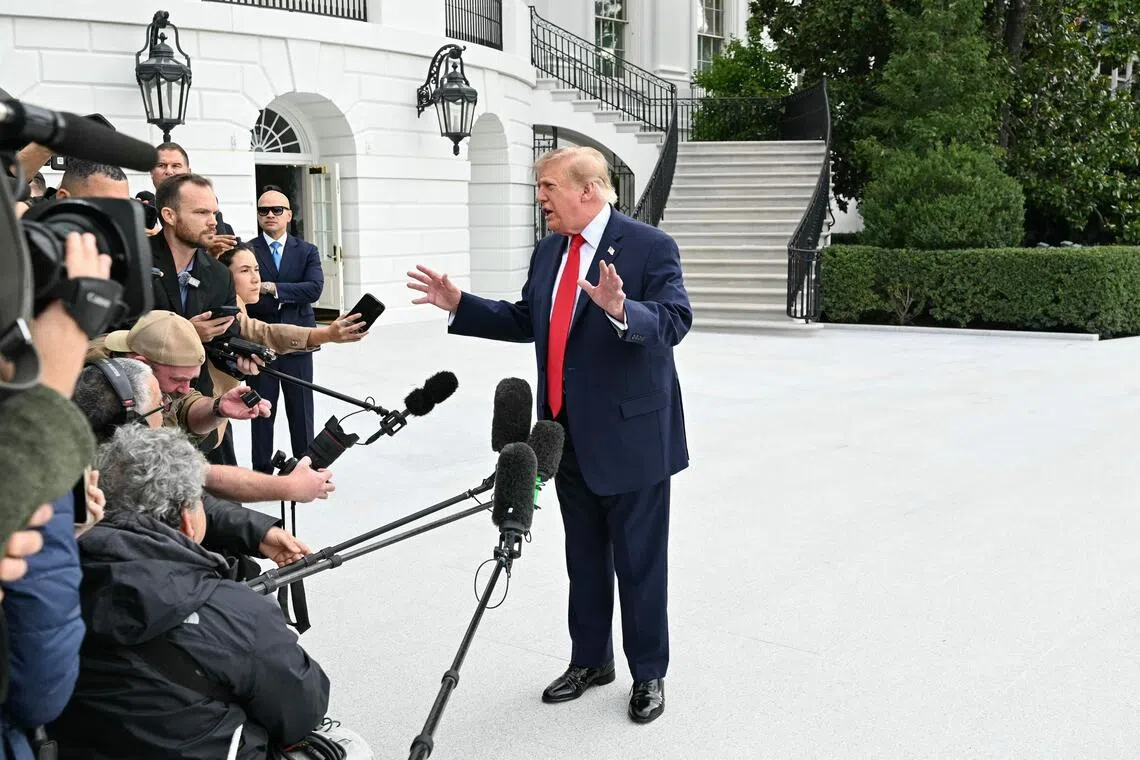
Secretary of State Marco Rubio, asked Tuesday about a potential related meeting between President Trump and Iranian President Masoud Pezeshkian at the UNGA, replied, “Common sense tells you there’s no harm in engaging and talking to someone.
asserted
sense → ask → someone
“In fact, if you do talk to them, you may at least get insights into who they are and what they’re thinking,” he told “Fox & Friends.”
uncertain
he → talk → Fox
“Maybe nothing good will come of it, but nothing bad would come of it.”
asserted
nothing → come → it
Pezeshkian is widely seen as a more moderate figure within Iranian leadership.
asserted
Pezeshkian → see → leadership
So far, there are no indications that a Pezeshkian-Trump powwow will take place on the sidelines of the UNGA.
asserted
powwow → be → UNGA
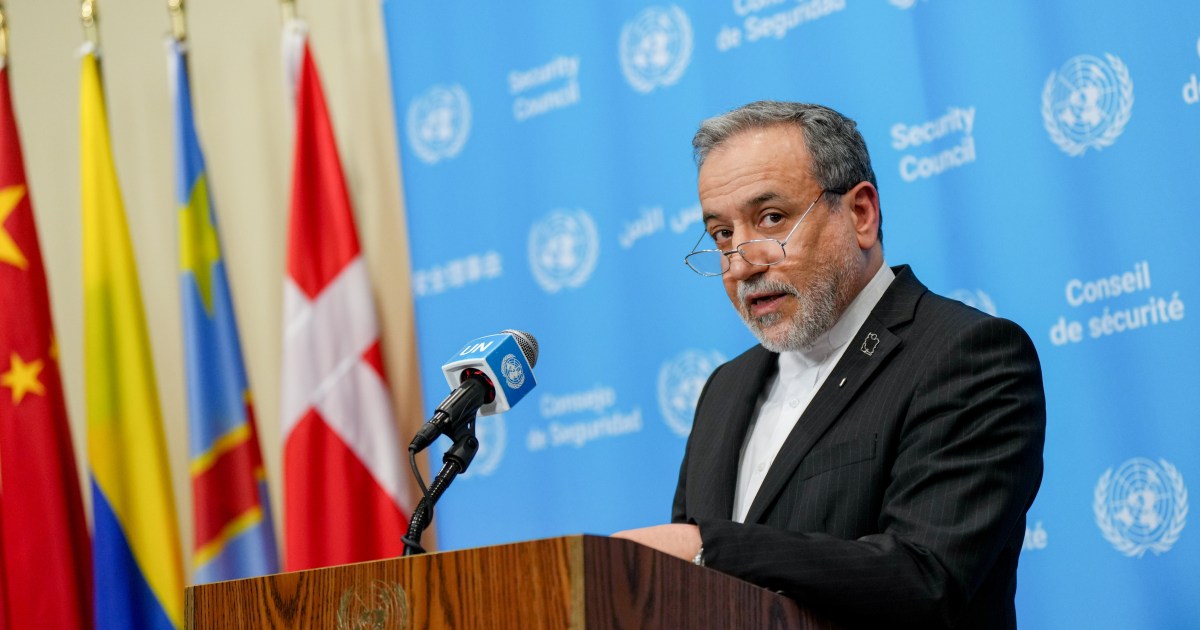
But a senior Iranian official seemed to support the idea, telling Reuters, “The US needs to announce that it wants to resolve the issue diplomatically, make that official and then agree on a timeline for how the process will move forward.
asserted
process → seem → timeline
“The UN General Assembly is a golden opportunity for the US to return to diplomacy.”
asserted
US → return → diplomacy
A prior preliminary peace deal framework with Iran, known as a Memorandum of Understanding, collapsed in July.
asserted
framework → know → July
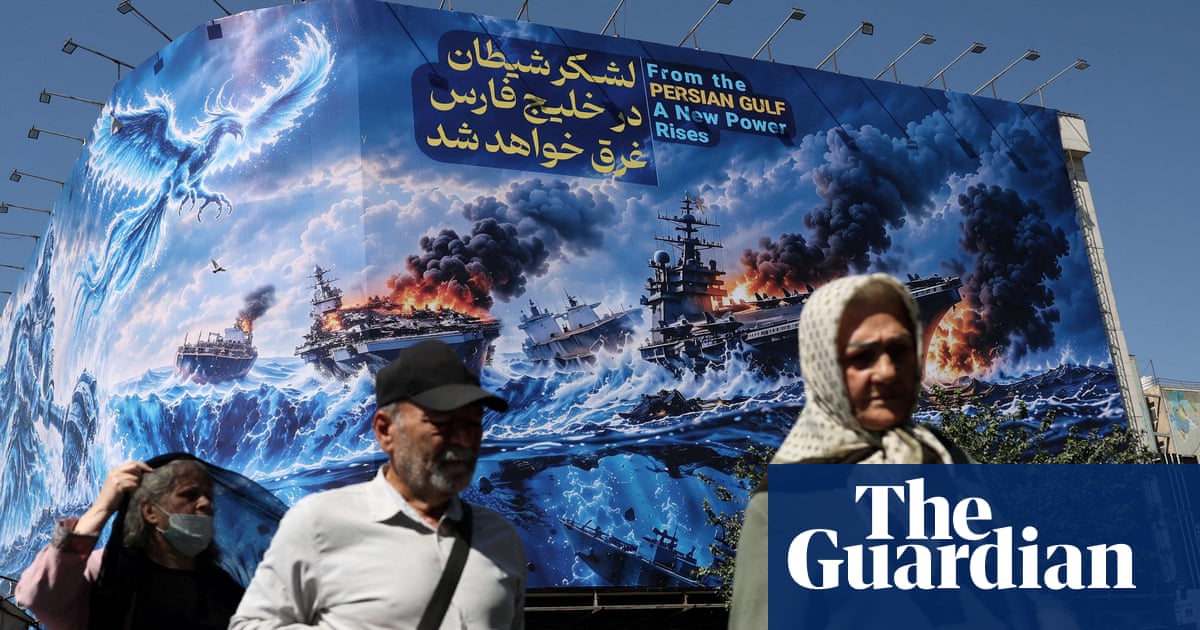
Iran then fully resumed its campaign of stoking havoc in the Strait of Hormuz, where nearly a fifth of the world’s seaborne oil supplies usually flow through annually.
asserted
fifth → resume → supplies
Complicating past negotiations with Iran was a sense that Iran’s civilian and military leaders were out of sync with each other on their demands, top Trump administration officials have said.
asserted
officials → complicate → demands
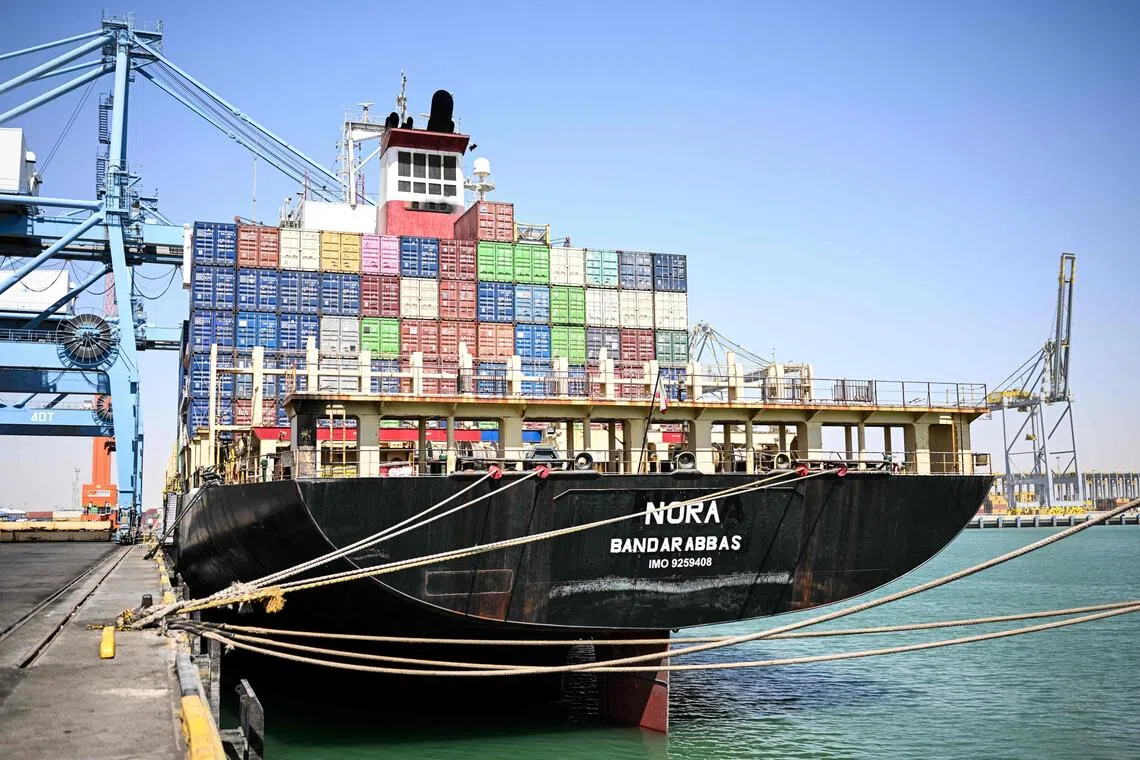
US officials have insisted that despite Iran’s efforts, they are getting oil through the Strait of Hormuz by using routes close to the shores of Oman, with Central Command claiming last week to have gotten 1 billion barrels through within the past several months.
asserted
Command → insist → months
But passage through routes close to Iran’s shores has been seen as perilous because of concerns about mines and the theocratic regime carrying out drone attacks on the oil vessels.
asserted
passage → see → vessels
Rubio stressed that the Trump administration has “cleared” the critical waterway of mines and underscored how “no oil” from Iran is getting through thanks to the blockade, either.
asserted
oil → stress → blockade
Still, Iran’s proxies have found other ways to cause chaos, with a drone strike earlier this month forcing the Saudis to briefly shutdown their East-West Pipeline, which caused oil prices to jump.
asserted
prices → find → Pipeline
“That’s a dangerous conflict, obviously, because what it’s done is — it’s not just the Houthis,” Rubio said of the conflict being widened by rogue groups such as the Yemen terrorists.
asserted
Rubio → ’ → terrorists
“These Kata’ib Hezbollah out of Iraq, which is an Iranian proxy, also fired into Saudi Arabia, and it has shut down their main pipeline,” Rubio said.
“That pipeline needs to get restarted.
asserted
pipeline → fire → pipeline
We have a defense agreement with Saudi Arabia.
asserted
We → have → Arabia
We intend to live up to our commitments on it.”
asserted
We → intend → it
Trump has contemplated retaliation against the Houthis but opted to hold off amid theUNGA, Axios reported.
asserted
Axios → contemplate → theUNGA
Over the weekend, the Islamic Republic’s central military command warned that it would retaliate “without limitations and considerations” if the US resumed military operations against it.
asserted
US → warn → it
 The Aporia