The Sydney Morning Herald
· collected 2026-09-26 · by Trevor Hunnicutt, Yomna Ehab, Parisa Hafezi, Menna AlaaElDin
Iran's foreign minister, Abbas Araghchi, stated on Sunday that diplomacy is essential for resolving conflicts with the United States and Israel, responding to US President Donald Trump's rejection of Iran’s proposal to reopen the Strait of Hormuz through diplomatic means. Despite Trump's public stance against the Iranian peace plan, mediators facilitating talks between the two countries have not officially relayed a rejection from the US side. Araghchi emphasized that any movement toward reopening the strategic waterway is contingent upon meeting specific conditions proposed by Iran.
Written locally by qwen2.5:14b on 2026-09-27,
using this article's own text rather than the other coverage of the
same event (that is the story summary below).
Story summary
US President Donald Trump met with Chinese President Xi Jinping, where Xi pressed Trump to adopt Beijing's stance against Taiwan independence, which Taiwan rejected outright. Meanwhile, Taiwan is crucial for global tech and economy due to its leading semiconductor production; TSMC alone produces the majority of advanced chips that power smartphones, AI systems, and more. As Stanford Hoover fellow Eyck Freymann noted, economic disruption from a conflict over Taiwan would be severe.
In unrelated developments, Iranian President Masoud Pezeshkian met with US media at the UN General Assembly, where he denied Iran's nuclear ambitions while offering to dilute its enriched uranium and allow inspections under international law. He also blamed Washington for ongoing conflicts in the Middle East. The International Atomic Energy Agency (IAEA) estimates that Iran has over 440 kilograms of uranium enriched up to 60%, raising concerns despite Pezeshkian's denials.
Taiwan's representative, Ambassador Alexander Yui, clarified during an interview on CBS’s "Face the Nation" that while Taiwan was discussed between Trump and Xi, it wasn't a major focus. He emphasized there has been no change in US policy towards Taiwan amid recent tensions with China.
Written for “Taiwan Iran Us Relations Midterms” on 2026-10-05,
grounded in this article and the 386 other(s) covering the same event.
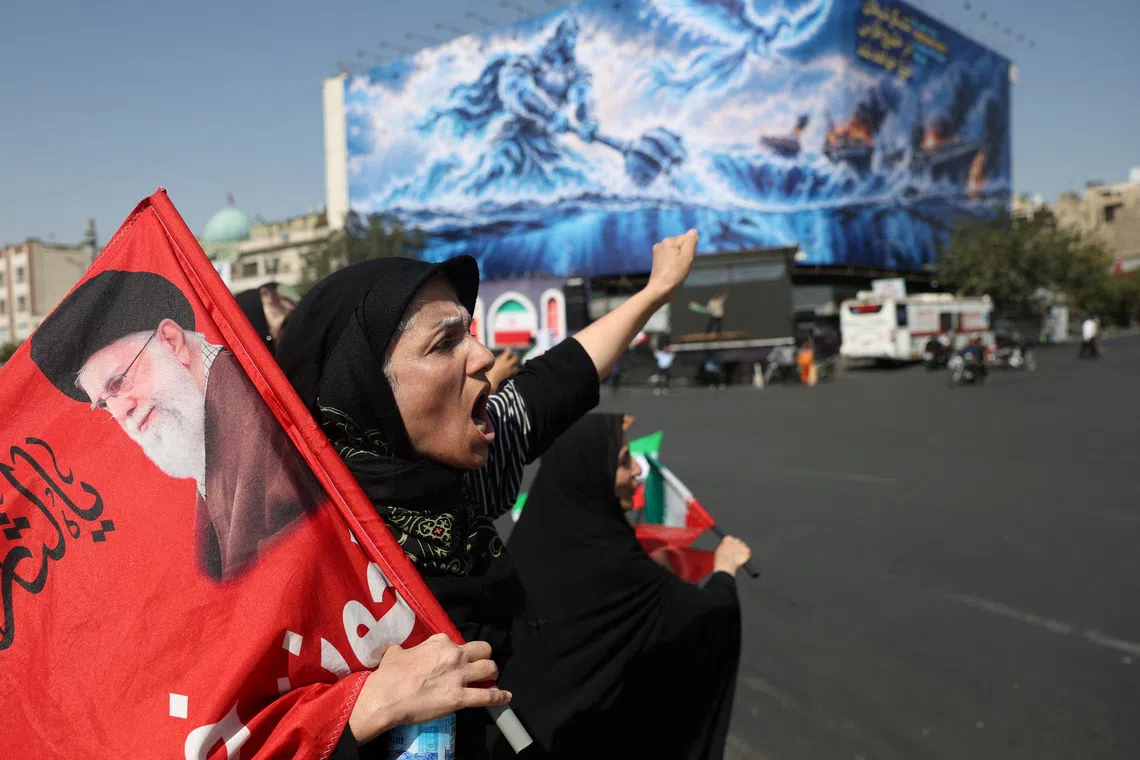
Iran on Sunday insisted that only diplomacy could solve its conflict with the United States and Israel after US President Donald Trump said he rejected an Iranian proposal to reopen the
Strait of Hormuz and end fighting.
uncertain
he → insist → fighting
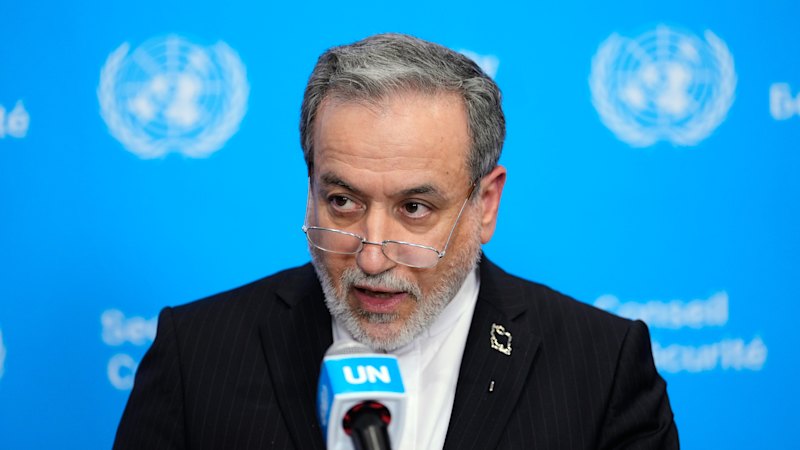
“Our conditions are clear, and any move towards reopening the Strait of Hormuz is contingent on these conditions being met,” Iranian Foreign Minister Abbas Araghchi posted on social media.
asserted
Araghchi → reopen → media
“Only a negotiated solution can get them out of this deadlock.”
asserted
solution → negotiate → deadlock
Iran announced a peace proposal earlier this week at the UN General Assembly in New York, saying it had been transmitted to the Americans via Qatari mediators.
asserted
it → announce → mediators
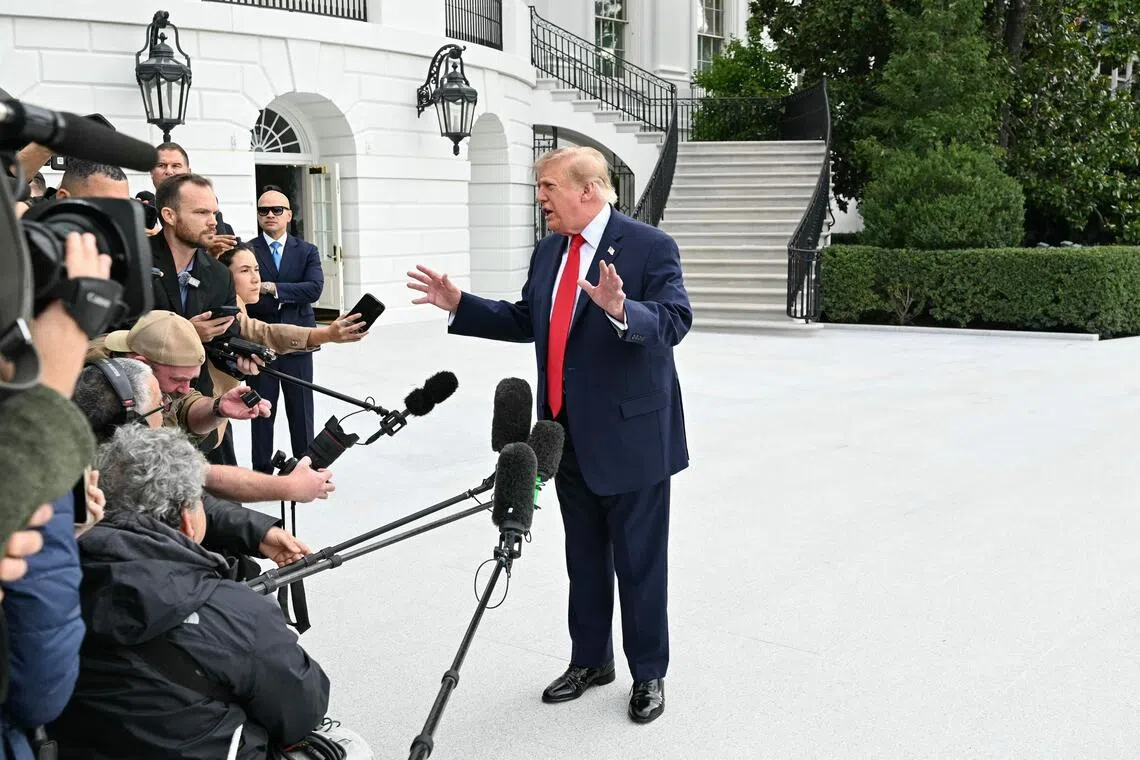
Trump on Saturday said he rejected the plan and argued that desperation drove the Iranians’ push for an agreement on the key waterway.
asserted
desperation → say → waterway
“They want to make a deal to open the Hormuz Strait immediately because they’re losing so badly,” Trump told
reporters at the White House.
asserted
Trump → want → House
Despite Trump’s public statements, mediators facilitating US-Iran talks have not officially relayed a US rejection of the plan, according to Araghchi.
uncertain
mediators → facilitate → Araghchi
“We are waiting for the mediators to convey the definitive views to us, and we will make a decision based on them,” Araghchi posted.
asserted
Araghchi → wait → them
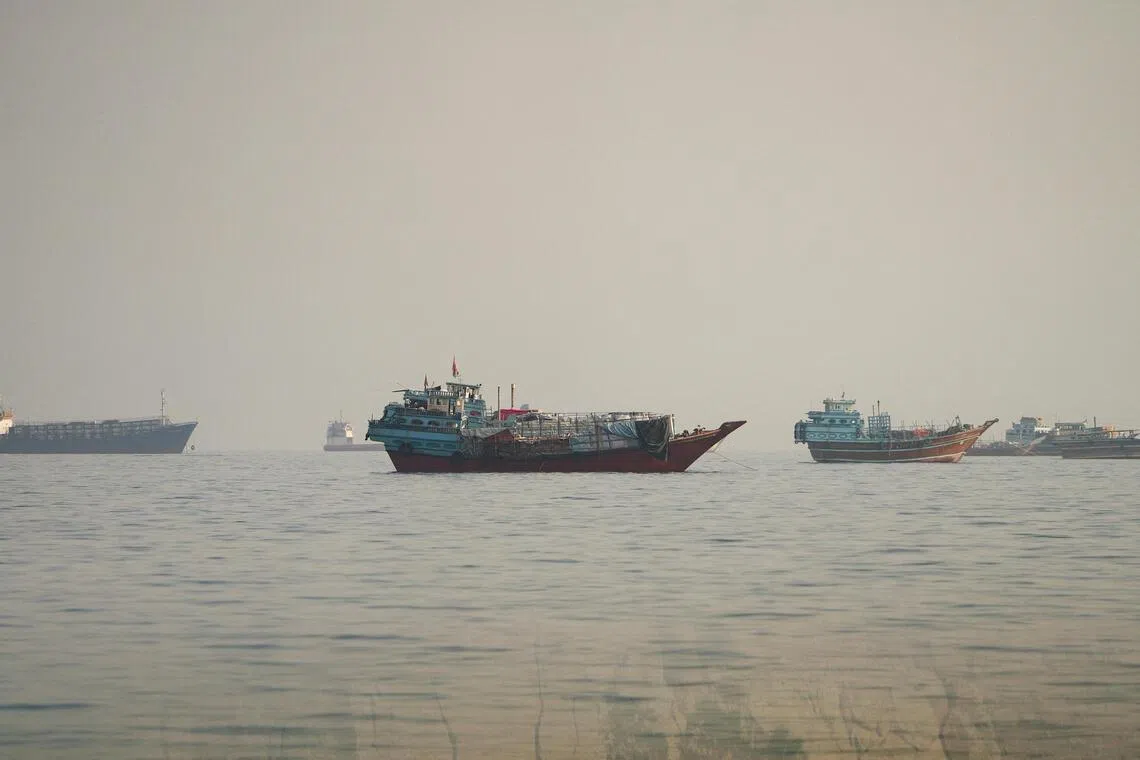
The US has imposed an economic blockade on Iran to put pressure on Tehran to stop Iranian attacks on vessels in the Strait of Hormuz, which have drastically reduced shipping through the area even as Trump repeatedly asserts that the US controls the waterway.
asserted
US → impose → waterway
The Wall Street Journal first reported that Trump had rejected the Iranian proposal, citing unnamed US officials.
asserted
Trump → report → officials
It said Trump was privately sceptical that Iran would meet his demands and had told his staff that he sees a renewed bombing campaign as likely after the November US midterm elections.
asserted
he → say → elections
A US official had said earlier that discussions with Iran through mediators were “positive and constructive”.
asserted
discussions → say → mediators
The Iranians also engaged their Saudi rivals regarding the Strait of Hormuz, underscoring the stakes of a seven-month-old conflict that has disrupted oil flows through a critical shipping lane and taken a toll on the global economy.
asserted
that → engage → economy
Araghchi told reporters at the United Nations on Friday the proposed deal would trigger a seven-day countdown to reopening the strait and a pause in regional fighting.
“If there is seriousness on the US side to come to a deal and reopen the Strait of Hormuz, everything is now
prepared,” Araghchi said.
asserted
Araghchi → tell → Hormuz
If the US were to agree, the warring parties could start wider talks “on mutually agreed subjects”.
uncertain
parties → agree → subjects
That could potentially include discussions of Iran’s nuclear program.
uncertain
That → include → program
Trump has said Tehran must never acquire a nuclear bomb, while a senior Iranian official told Reuters that Iran would show no flexibility over its nuclear program even if the US accepted its peace deal.
asserted
US → say → deal
Iran would grant no concessions over its rights, including enriching uranium or shipping its highly enriched uranium out of the country, the official said.
asserted
official → grant → country
Iranian President Masoud Pezeshkian, in an interview with the CBS show Face the Nation, said Tehran was ready for talks on its nuclear program and other issues, but would not accept “bullying or coercion”.
asserted
Tehran → say → bullying
“Iran is not seeking war, but will defend itself against pressure, threats and attacks,” Pezeshkian said, adding that it had already agreed that “we’re not supposed to develop nuclear weapons”.
asserted
we → seek → weapons
Previous attempts at diplomacy have failed to end the war, which began on February 28 with US and Israeli attacks.
asserted
which → fail → attacks
Since then, the war has alternated between pauses and renewed strikes, killing thousands while degrading Iran’s
conventional forces and damaging Iran’s already ailing economy.
asserted
war → alternate → economy
Iran and its allies have retaliated by extending the conflict throughout the region.
asserted
Iran → retaliate → region
Iran has struck US allies in the
Gulf with drones and missiles while its Houthi allies in Yemen have targeted Saudi interests.
asserted
allies → strike → interests
Get a note directly from our foreign correspondents on what’s making headlines around the world.
asserted
what → get → world
 The Aporia