That is 0 articles you have read today.
The Aporia is free and carries no advertising, so readers are the only
thing paying for it. If you are getting this much out of it, a small
donation is what keeps it independent.
Daily limit reached
You have read 0 articles today.
That is more than the 15 a day The Aporia gives away,
and well past what it can carry on nothing. Your allowance resets at
midnight.
There is no advertising here and nothing about you is sold, so readers
are the only thing paying for it. If the site is worth this much of
your day, it is worth a few dollars.
Everything else stays open: the
maps, the
directory and
search do
not count against this, and neither does re-opening something you have
already read today.
Iran has proposed to reopen the Strait of Hormuz within seven days if the United States shows initial signs of easing military pressure, according to a senior Iranian official speaking to Kyodo News on September 22. This offer is part of Iran’s effort to restart negotiations with the US and includes conditions such as ending the blockade of Iranian ports and halting related military operations. The proposal has been approved by Iran's top security body and Supreme Leader Khamenei, who set a deadline for the US to lift the blockade or face potential further attacks from Iran.
Written locally by qwen2.5:14b on 2026-09-22,
using this article's own text rather than the other coverage of the
same event (that is the story summary below).
Story summary
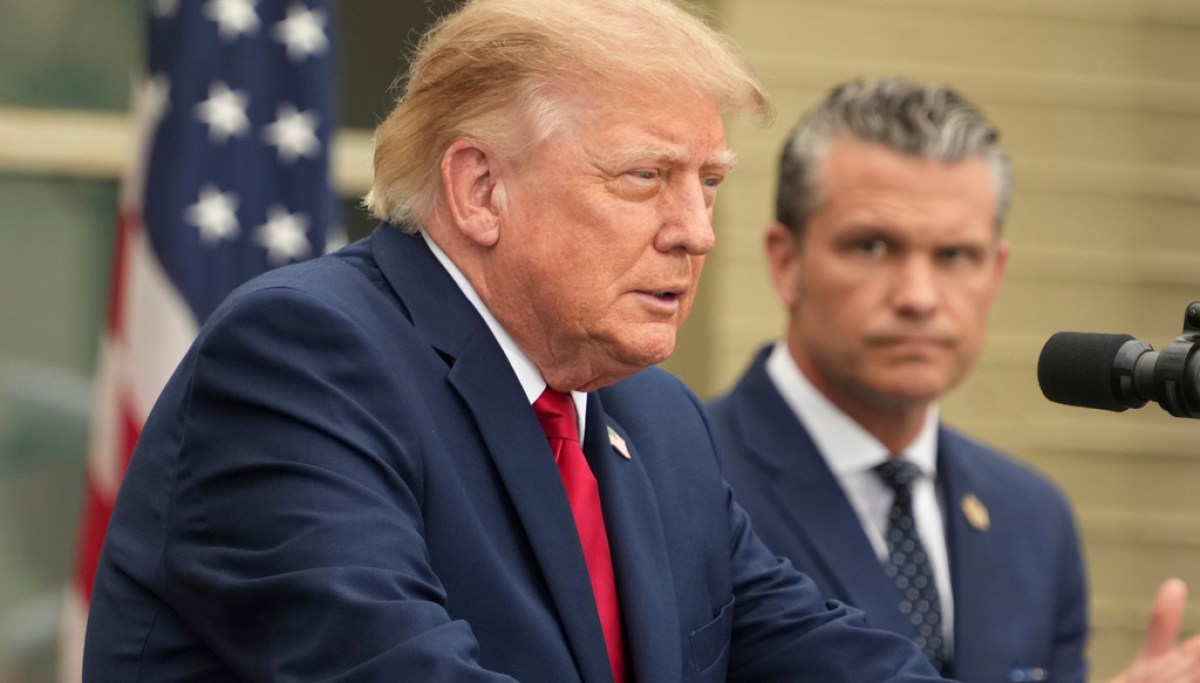
US President Donald Trump met with Chinese President Xi Jinping, where Xi pressed Trump to adopt Beijing's stance against Taiwan independence, which Taiwan rejected outright. Meanwhile, Taiwan is crucial for global tech and economy due to its leading semiconductor production; TSMC alone produces the majority of advanced chips that power smartphones, AI systems, and more. As Stanford Hoover fellow Eyck Freymann noted, economic disruption from a conflict over Taiwan would be severe.
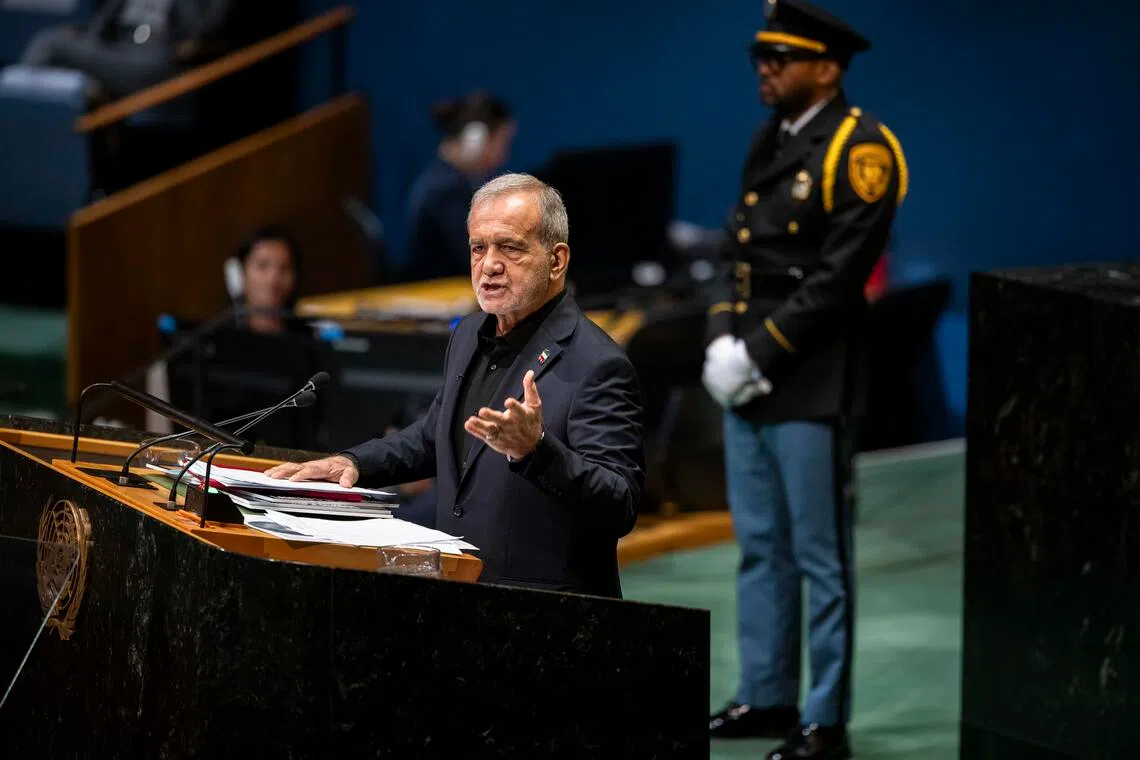
In unrelated developments, Iranian President Masoud Pezeshkian met with US media at the UN General Assembly, where he denied Iran's nuclear ambitions while offering to dilute its enriched uranium and allow inspections under international law. He also blamed Washington for ongoing conflicts in the Middle East. The International Atomic Energy Agency (IAEA) estimates that Iran has over 440 kilograms of uranium enriched up to 60%, raising concerns despite Pezeshkian's denials.
Taiwan's representative, Ambassador Alexander Yui, clarified during an interview on CBS’s "Face the Nation" that while Taiwan was discussed between Trump and Xi, it wasn't a major focus. He emphasized there has been no change in US policy towards Taiwan amid recent tensions with China.
Written for “Taiwan Iran Us Relations Midterms” on 2026-10-05,
grounded in this article and the 386 other(s) covering the same event.
Iran offers to reopen Hormuz strait within 7 days in push for diplomacy
AI generated
asserted
Iran → offer → diplomacy
Iran has offered to reopen the Strait of Hormuz within seven days if the United States takes initial steps toward easing military pressure, a senior Iranian government official told Kyodo News on Sept 22, as part of Tehran’s ramped-up efforts to revive negotiations with Washington.
asserted
official → offer → Washington
The proposal, which has already been conveyed to Washington through mediators, calls for renewed talks aimed at reaching a permanent end to hostilities between the two countries, the official said.
asserted
official → convey → countries
Tehran plans to use the UN General Assembly gathering this week in New York to consult with countries acting as intermediaries.
asserted
Tehran → plan → intermediaries
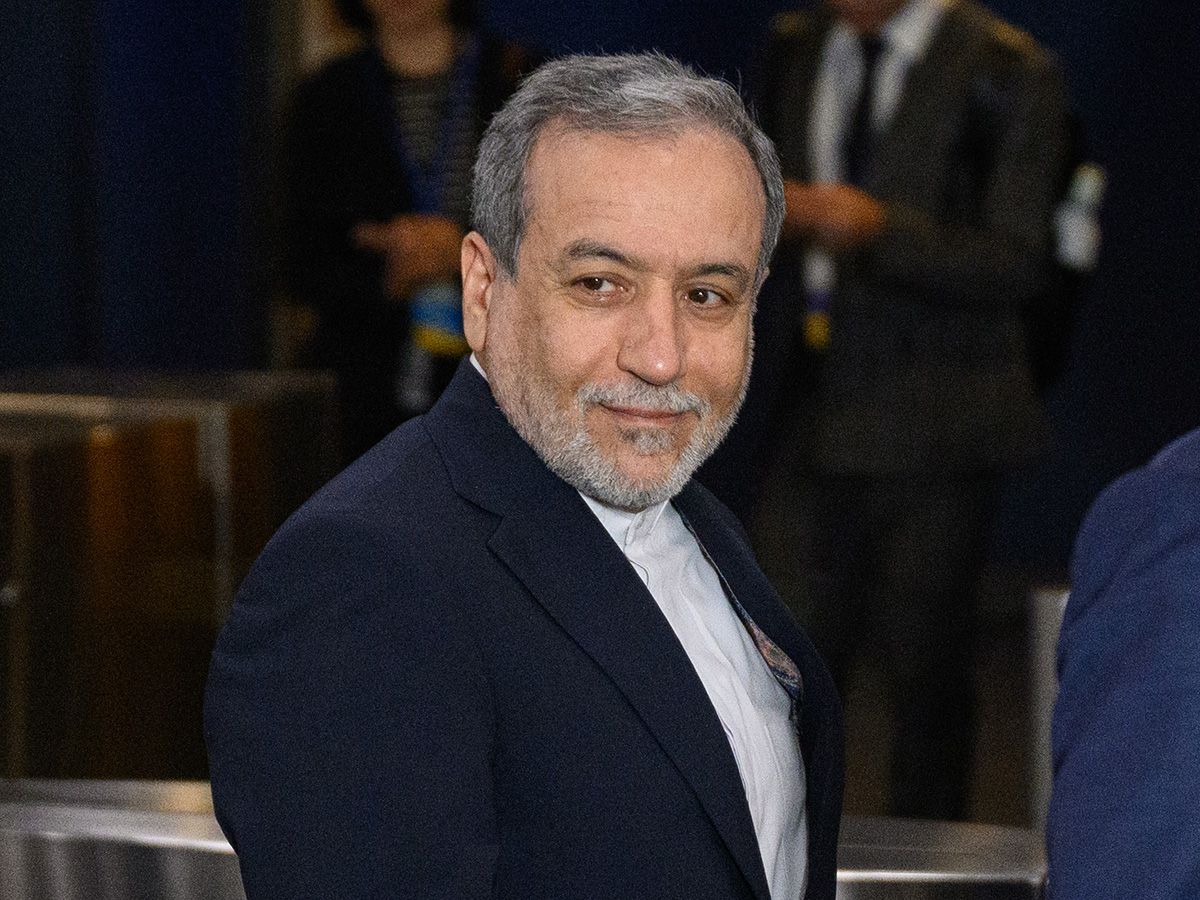
The official ruled out a meeting between Iranian President Masoud Pezeshkian and US President Donald Trump on the fringes of the gathering, but said progress toward an agreement remains possible.
“There is a possibility of moving toward an agreement,” the official said, while adding that Washington must demonstrate “seriousness and commitment” if diplomacy is to advance.
asserted
diplomacy → rule → seriousness
Iran is seeking signs from Washington that it is prepared to return to negotiations and take steps toward an end to the US military blockade of Iranian ports and a halt to military operations related to the Strait of Hormuz, the official said.
asserted
official → seek → Hormuz
If such steps are taken, Iran is prepared to reopen the strategic waterway within seven days and return to the negotiating table, according to the official.
uncertain
Iran → take → official
Tehran’s growing emphasis on diplomacy comes as restrictions on its ports squeeze crude oil exports, one of its main revenue sources.
asserted
restrictions → grow → sources
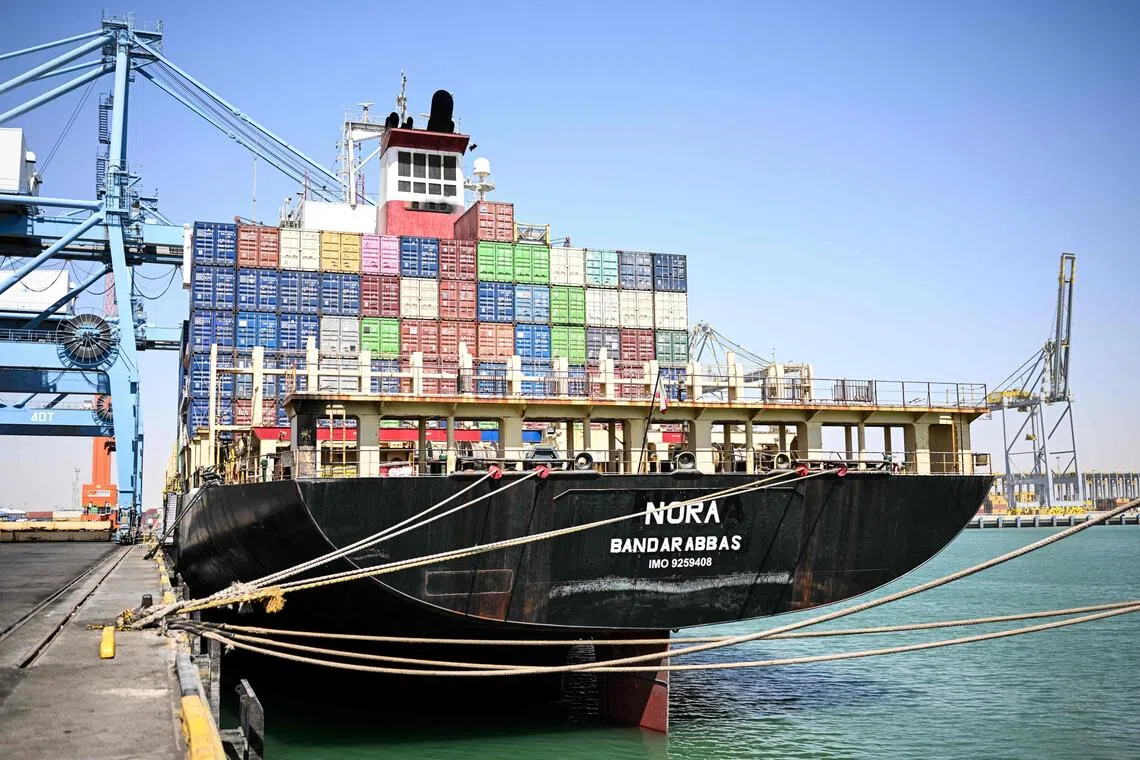
The prolonged confrontation continues to disrupt maritime traffic through the Strait of Hormuz, an important energy corridor.
asserted
confrontation → continue → Hormuz
The new initiative has been approved by Supreme Leader Mojtaba Khamenei and the Supreme National Security Council, the country’s top security body, according to the official.
uncertain
initiative → approve → official
Supreme National Security Council Secretary Mohsen Rezaei said on Sept 19 that Tehran had presented Washington with seven conditions, including an end to the blockade of Iranian ports and the unfreezing of Iranian assets.
The Iranian official who spoke to Kyodo News did not say whether the latest proposal amounted to a partial relaxation of any of those conditions.
asserted
proposal → say → conditions
The revelation comes as a deadline set by the council is approaching.
asserted
deadline → come → council
According to the official, the council decided on Aug 16 that Iran would retain the option of carrying out another attack on US forces if Washington fails to lift the blockade of Iranian ports within 45 days.
uncertain
Washington → accord → days
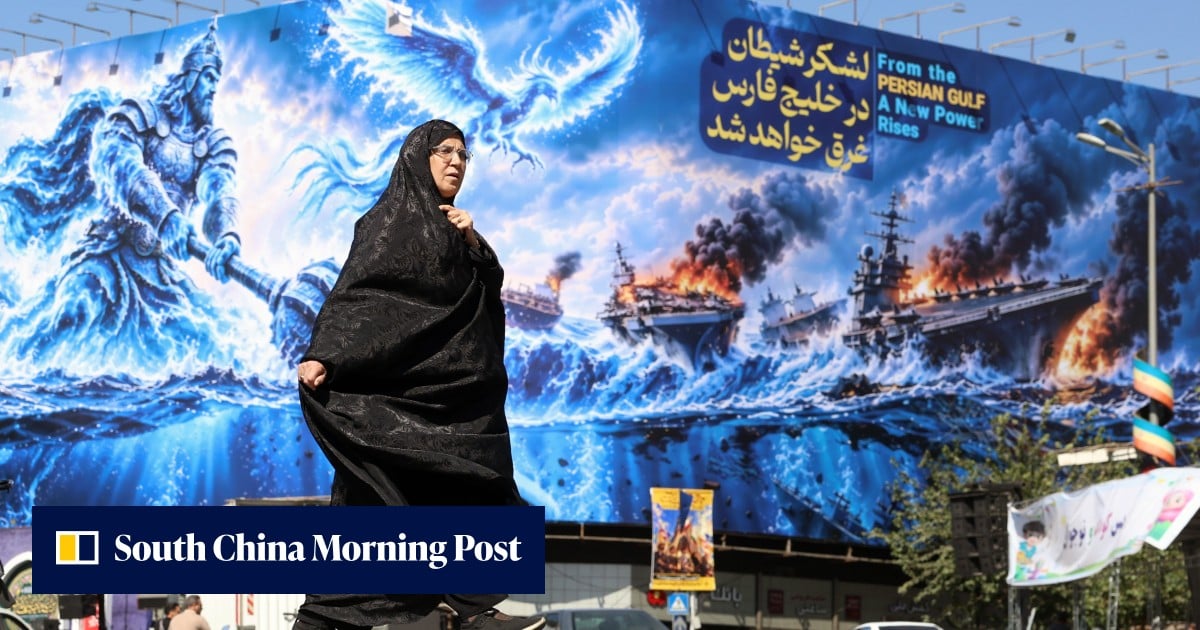
The war began in late February after the United States and Israel launched attacks on Iran.
asserted
States → begin → Iran
A US-Iran memorandum of understanding reached in June broke down amid renewed hostilities and unresolved disputes while commercial shipping through the waterway remains far below prewar levels.
asserted
shipping → reach → levels
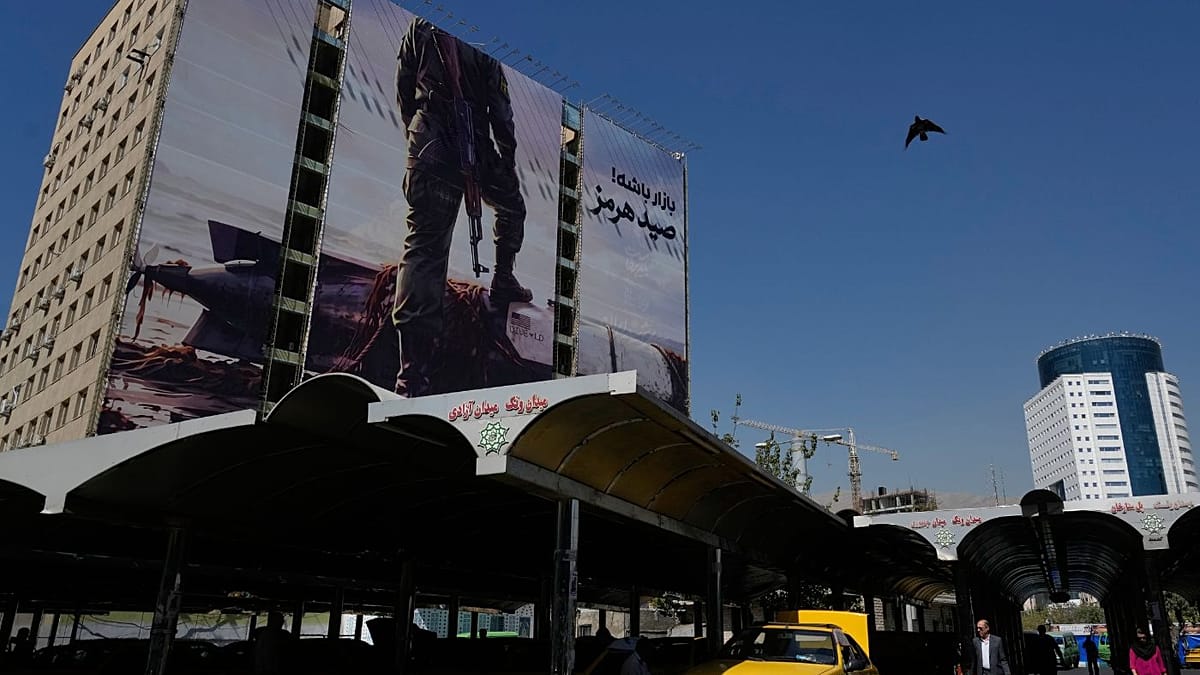
The two sides have since engaged in intermittent exchanges of attacks, raising concern over a full-scale resumption of hostilities.
asserted
sides → engage → hostilities
 The Aporia