That is 0 articles you have read today.
The Aporia is free and carries no advertising, so readers are the only
thing paying for it. If you are getting this much out of it, a small
donation is what keeps it independent.
Daily limit reached
You have read 0 articles today.
That is more than the 15 a day The Aporia gives away,
and well past what it can carry on nothing. Your allowance resets at
midnight.
There is no advertising here and nothing about you is sold, so readers
are the only thing paying for it. If the site is worth this much of
your day, it is worth a few dollars.
Everything else stays open: the
maps, the
directory and
search do
not count against this, and neither does re-opening something you have
already read today.
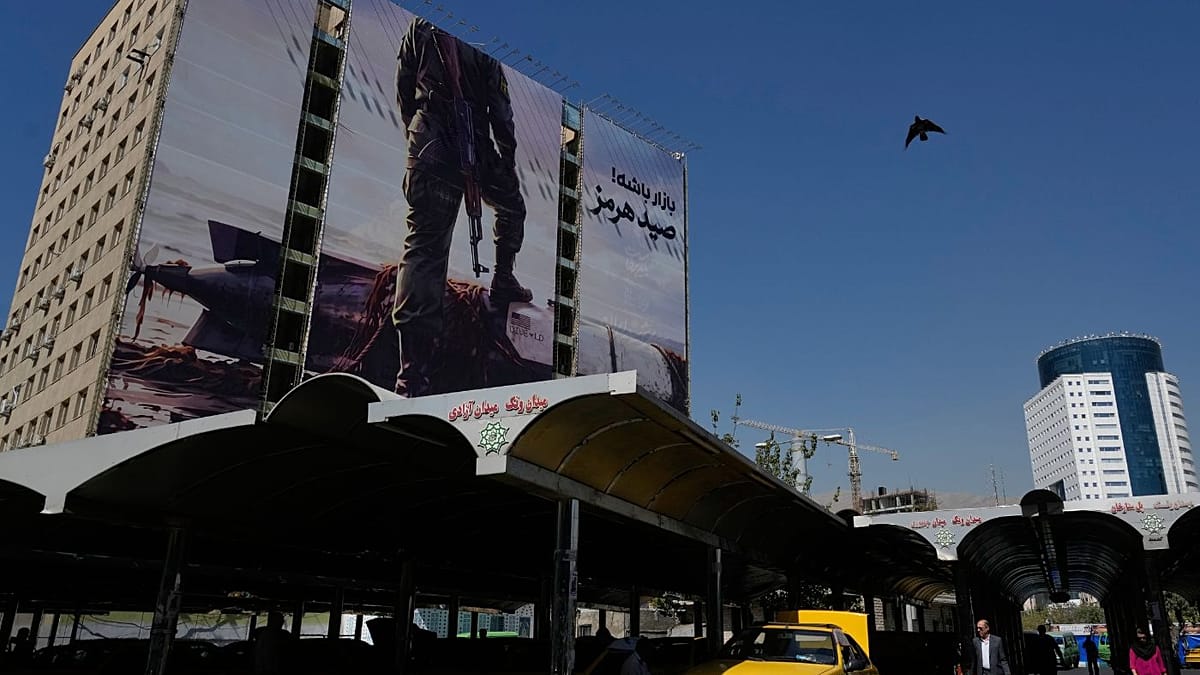
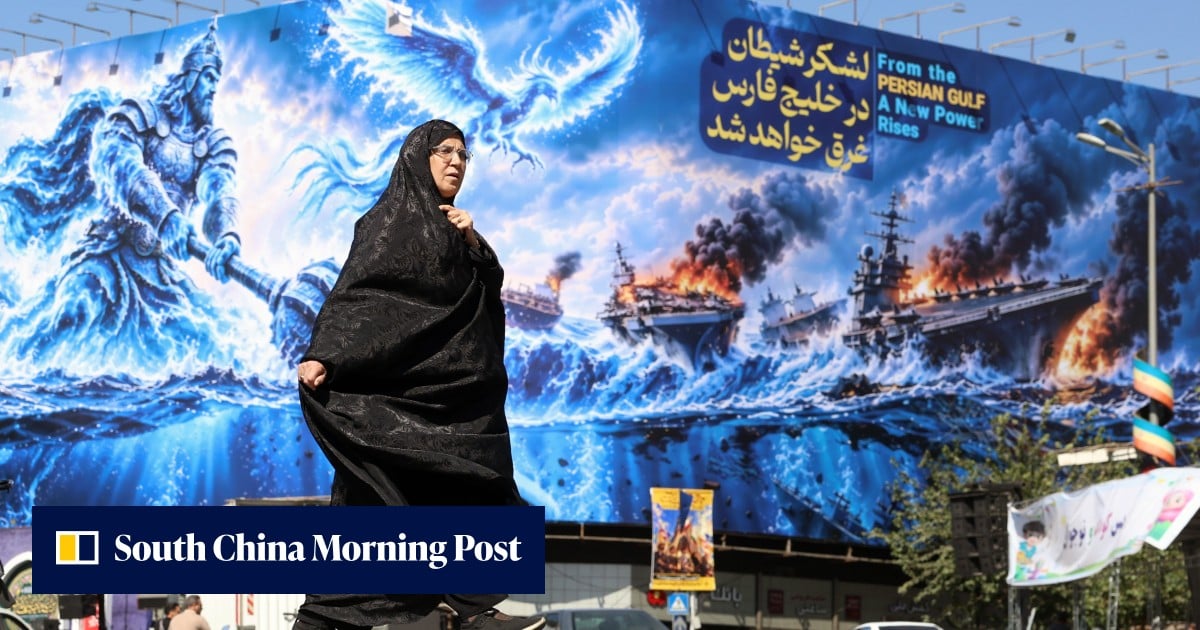
US and Iranian negotiators are considering a phased deal to ease tensions over the Strait of Hormuz, as reported by Reuters and The Post. Talks took place on the sidelines of the UN General Assembly in New York on Thursday. Both sides aim to open the strategically important waterway and lift economic sanctions but disagree on who should make concessions first. US officials claim they hold a strong negotiating position due to their ongoing escort missions through Hormuz, while Iranian officials insist that sanctions must be lifted before any agreement is made.
Written locally by qwen2.5:14b on 2026-09-25,
using this article's own text rather than the other coverage of the
same event (that is the story summary below).
Story summary
US President Donald Trump met with Chinese President Xi Jinping, where Xi pressed Trump to adopt Beijing's stance against Taiwan independence, which Taiwan rejected outright. Meanwhile, Taiwan is crucial for global tech and economy due to its leading semiconductor production; TSMC alone produces the majority of advanced chips that power smartphones, AI systems, and more. As Stanford Hoover fellow Eyck Freymann noted, economic disruption from a conflict over Taiwan would be severe.
In unrelated developments, Iranian President Masoud Pezeshkian met with US media at the UN General Assembly, where he denied Iran's nuclear ambitions while offering to dilute its enriched uranium and allow inspections under international law. He also blamed Washington for ongoing conflicts in the Middle East. The International Atomic Energy Agency (IAEA) estimates that Iran has over 440 kilograms of uranium enriched up to 60%, raising concerns despite Pezeshkian's denials.
Taiwan's representative, Ambassador Alexander Yui, clarified during an interview on CBS’s "Face the Nation" that while Taiwan was discussed between Trump and Xi, it wasn't a major focus. He emphasized there has been no change in US policy towards Taiwan amid recent tensions with China.
Written for “Taiwan Iran Us Relations Midterms” on 2026-10-05,
grounded in this article and the 386 other(s) covering the same event.
US and Iranian negotiators are exploring a phased cease-fire deal aimed at opening the Strait of Hormuz and lifting Washington’s economic blockade on Tehran, according to multiple reports.
uncertain
negotiators → explore → reports
Delegates from the two warring countries met on the sidelines of the United Nations General Assembly Thursday to discuss a deal similar to the memorandum of understanding struck in mid-June, sources told Reuters.
asserted
sources → war → Reuters
The negotiating teams fear that because neither side wants to surrender its leverage first, the only hope for peace is to secure a phased deal.
asserted
hope → fear → deal
“One way forward would be to solve the crisis in stages.
asserted
way → solve → stages
The first would be to end the blockade and reopen Hormuz,” a senior Iranian official told Reuters.
asserted
official → end → Reuters
A US official told The Post the talks were “positive” and “constructive,” with the US in a strong position to negotiate as it continues to escort ships through the Strait of Hormuz.
asserted
it → tell → Hormuz
While top Iranian officials have ruled out making concessions to the US, the fact that they are now willing to negotiate suggests Tehran has recognized the pain inflicted on its economy under the American blockade and sanctions, a White House official claimed.
uncertain
official → rule → blockade
“Iran is desperate for a deal, President Trump holds all the cards and will make whatever decision is best for the United States,” the US official said.
asserted
official → hold → States
Iranian officials, however, rejected the characterization and said Tehran would be ready for all outcomes, including war, if a deal isn’t reached.
asserted
deal → reject → war
“Our fingers are on the trigger,” an Iranian official told Reuters.
asserted
official → tell → trigger
“The Americans know what they need to do but, because of their excessive demands, the chances of diplomacy resolving this are extremely low.”
asserted
diplomacy → know → this
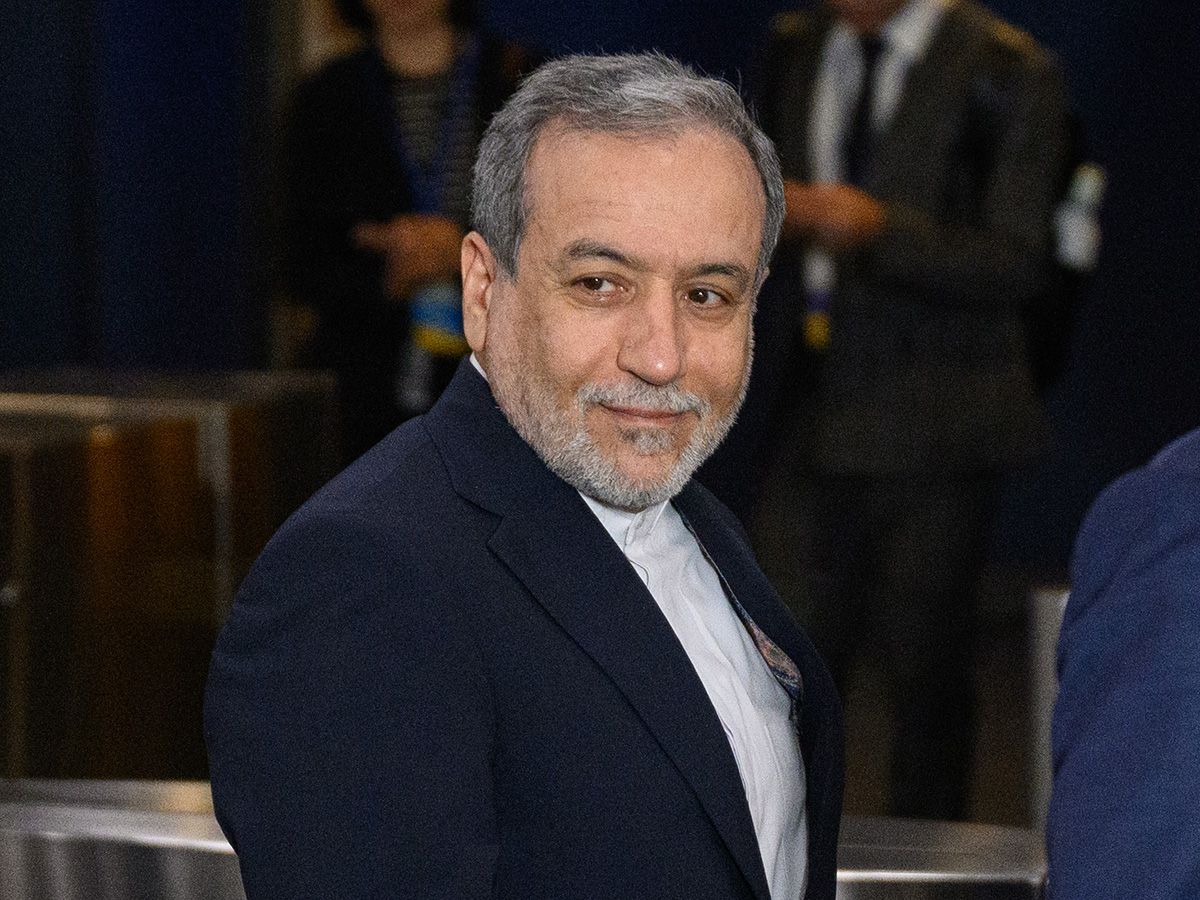
The discussions come as Iranian Foreign Minister Abbas Araghchi told reporters in New York that he offered a new, seven-day proposal to reopen the Strait of Hormuz if the US met certain conditions.
asserted
US → come → conditions
Iranian President Masoud Pezeshkian reiterated that the strait would not be reopened until US sanctions and the naval blockade were cleared.
asserted
sanctions → reiterate → ?
 The Aporia