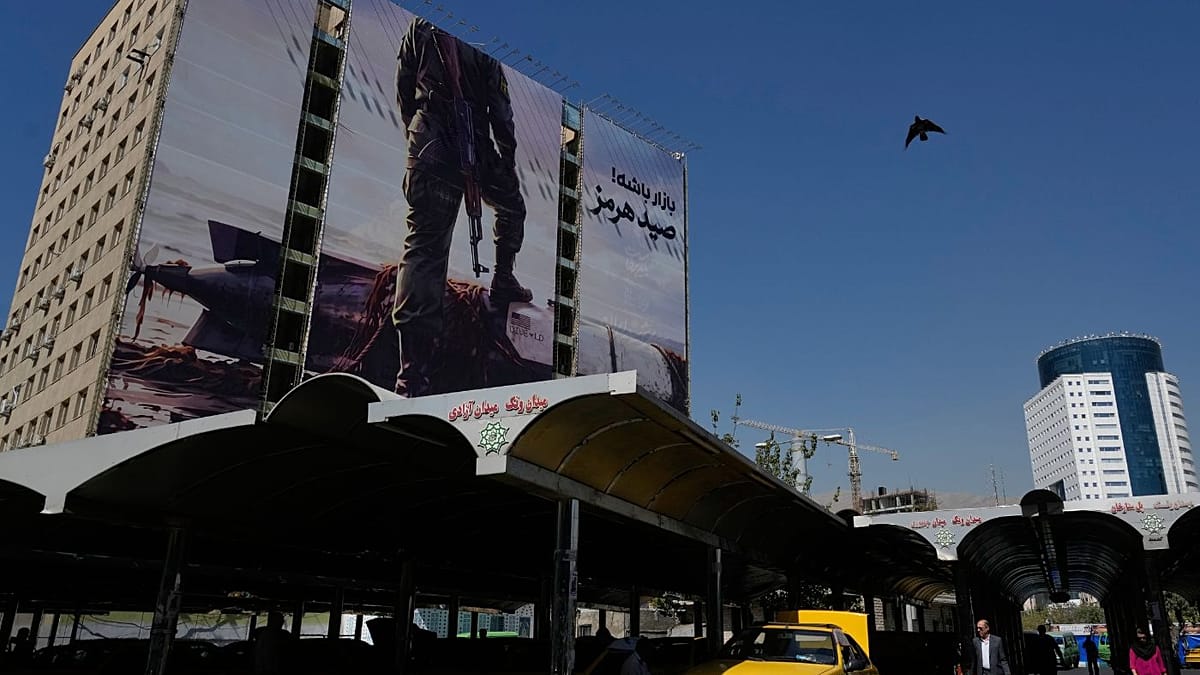
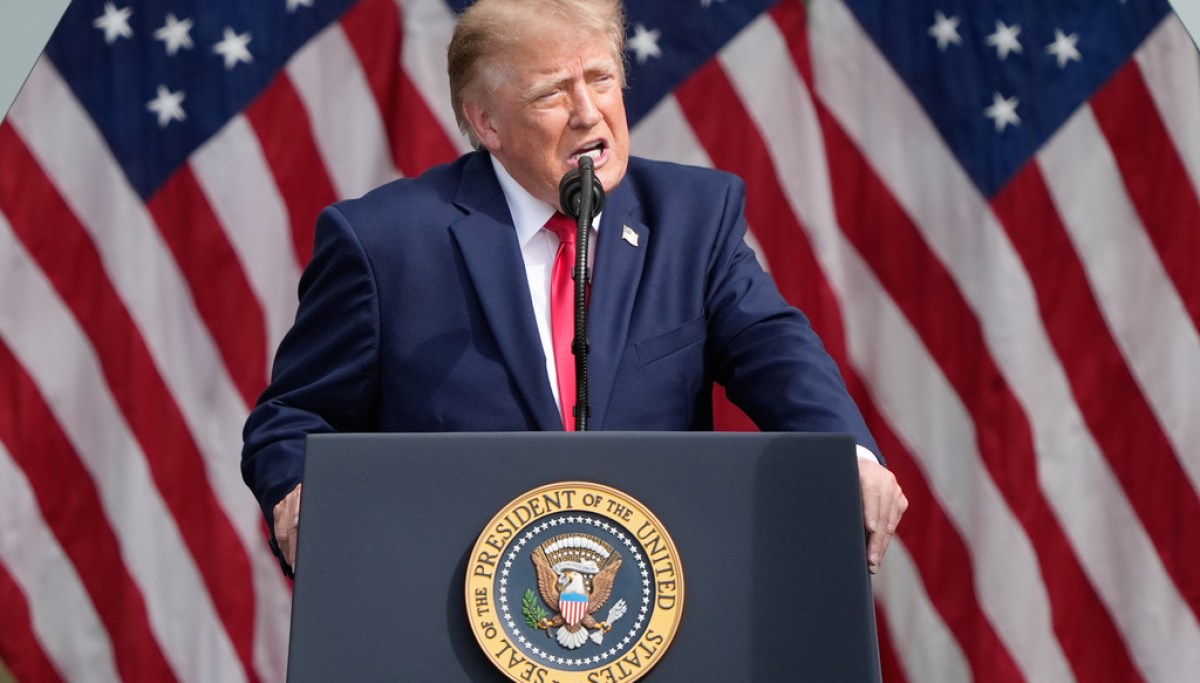
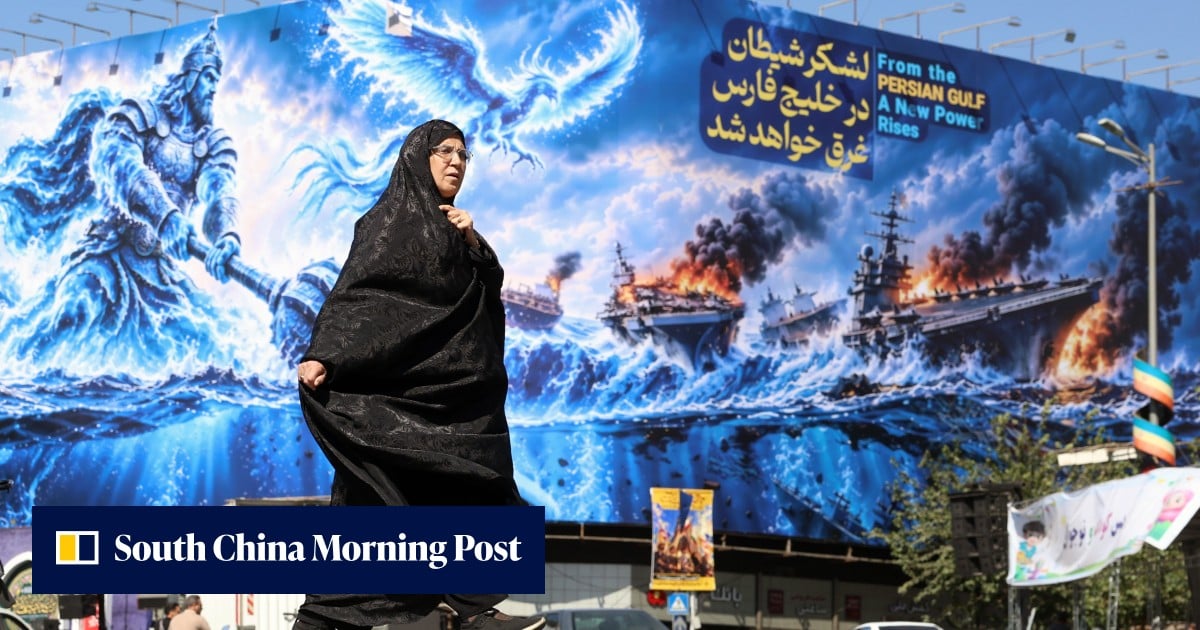
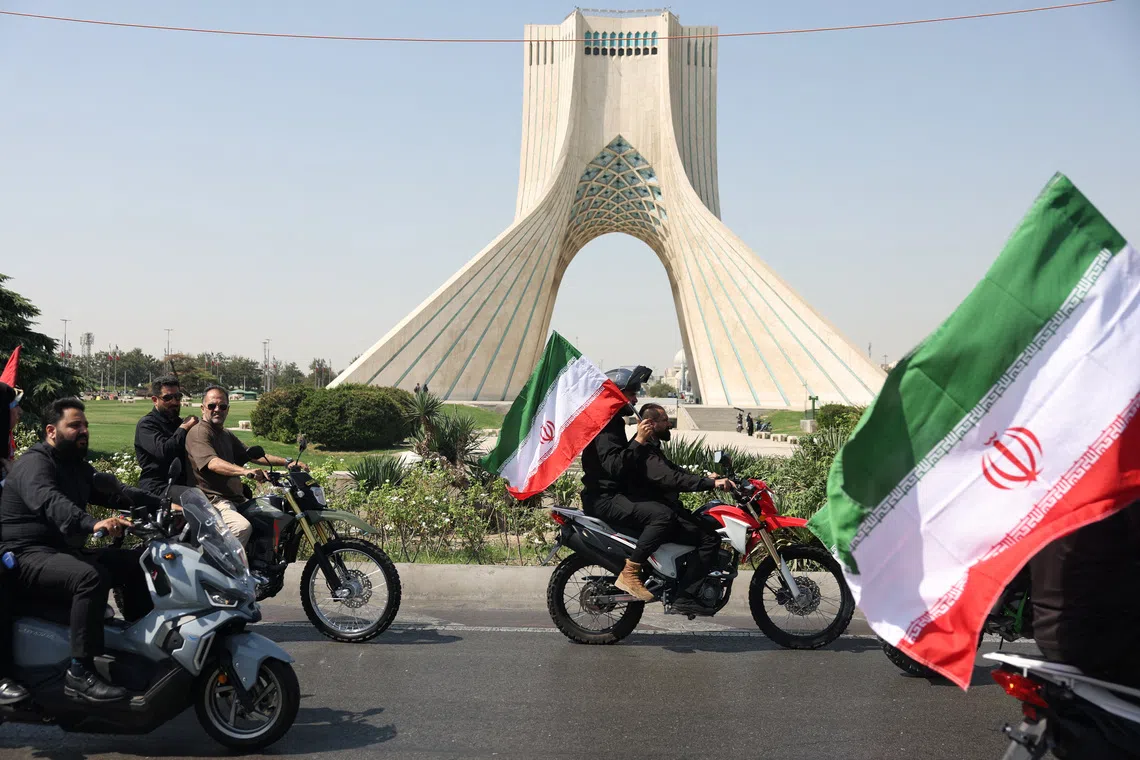
It was hardly surprising that Tehran chose the United Nations General Assembly (UNGA) in New York as the platform for its latest offer.
asserted
Tehran → choose → offer
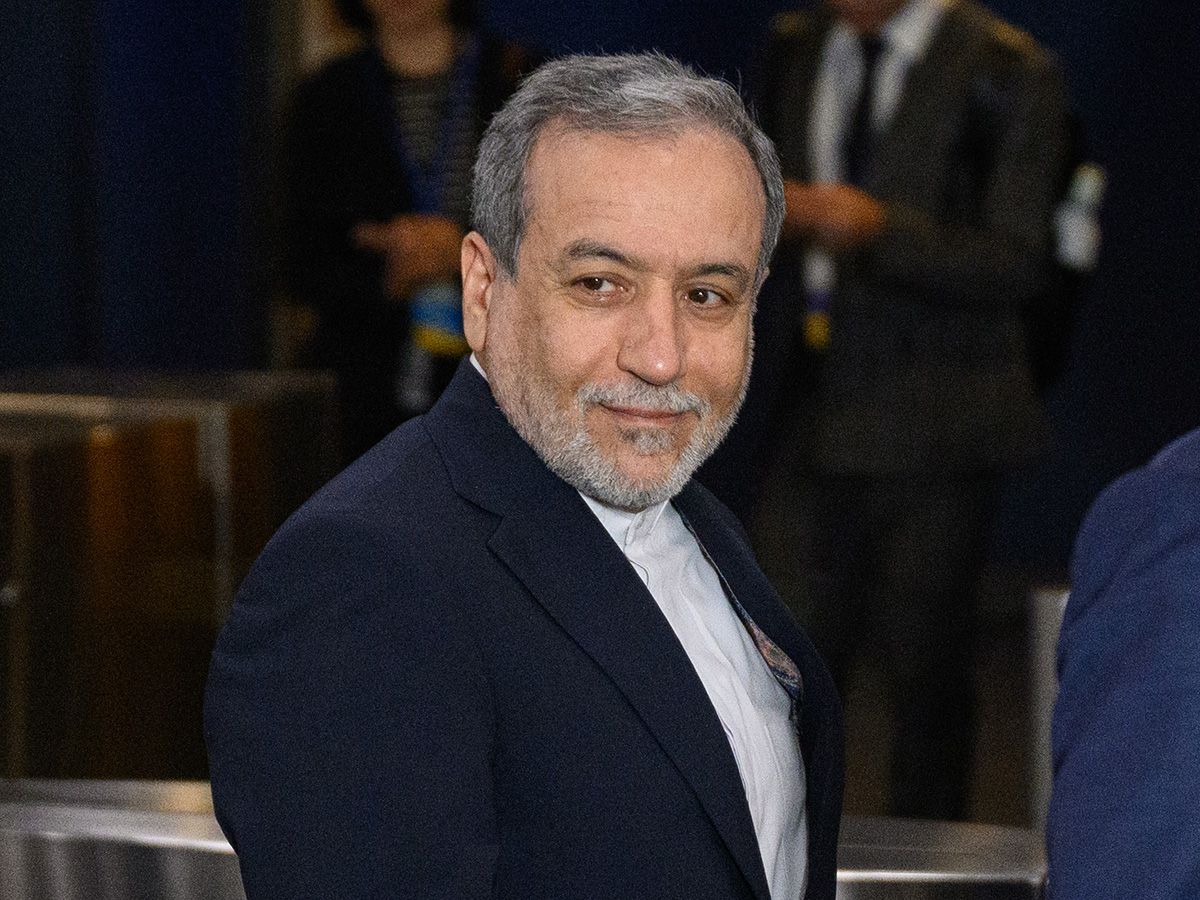
After nearly seven months of war with the United States, Iranian Foreign Minister Abbas Araghchi returned with a plan that, on its face, says the waterway through which roughly a fifth of the world’s oil and a similar share of its gas pass could reopen within seven days if Washington accepts Tehran’s conditions.
uncertain
Washington → return → conditions
But reading the offer simply as a de-escalation initiative misses what is most dangerous about it.
asserted
what → read → it
In reality, it is an attempt to turn leverage Iran itself created into a bargaining chip to be sold at the highest possible price.
asserted
Iran → turn → price
And Tehran wants part of that price paid in Yemen.
asserted
Tehran → want → Yemen
The heart of the plan: Controlled reopening
As presented by Araghchi, the plan calls for a seven-day cessation of hostilities across the region, including Lebanon; the release of at least $12bn in frozen Iranian assets; the lifting of sanctions on Iranian oil; and an end to the US naval blockade.
asserted
plan → control → blockade
In return, the Strait of Hormuz would reopen through a new route determined by Iran and Oman.
asserted
Strait → reopen → Iran
That final detail alone is enough to show what Tehran is seeking.
asserted
Tehran → show → what
It is not a return to the way the strait operated before the war, but the establishment of a new reality in which international shipping becomes conditional on an arrangement set by Iran.
asserted
shipping → operate → Iran
Iran already requires ships to obtain prior authorisation before passing through, while vessels that refuse are targeted.
asserted
that → require → authorisation
And when Tehran takes its proposal to Beijing in search of Chinese backing and secures support from Oman, it is building a regional political framework around this new reality that would make it much harder to reverse later.
asserted
it → take → reality
The picture becomes clearer still when the timing is considered.
asserted
timing → become → ?
Tehran has made no secret of the fact that it is watching the US political calendar, openly signalling that it would prefer to reach an agreement before the midterm elections, at a moment when rising energy prices are putting pressure on both American consumers and the administration.
asserted
prices → make → consumers
The calculation is straightforward: Iran knows that the cost of keeping the strait closed rises for its opponent as the November elections approach, so it is offering a solution at the moment when that solution is at its most valuable.
asserted
solution → know → valuable
Hossein Mohebbi, a spokesperson for the Islamic Revolutionary Guard Corps (IRGC) who oversees Iran’s Yemen portfolio, told the AFP news agency that ending hostilities in Yemen was among Tehran’s demands.
asserted
ending → oversee → demands
Notably, this new condition was announced by the IRGC and may not appear in the plan presented by Araghchi.
uncertain
condition → announce → Araghchi
It remains unclear whether the formal proposal includes the renewed conflict in Yemen.
uncertain
proposal → remain → Yemen
This discrepancy should not be read as confusion, but as a familiar division of roles in Iranian policy: one side publicly raises the ceiling of demands, while another keeps the negotiating document flexible enough to allow room to advance or retreat.
asserted
another → read → room
Some reports go further.
asserted
reports → go → ?
They say, one day before announcing his seven-day plan, Araghchi gave US envoys a written document setting out a roadmap for a region-wide ceasefire lasting up to 60 days, alongside a gradual reopening of the strait and an end to the US naval blockade.
asserted
Araghchi → say → blockade
According to published accounts of the document, Tehran is demanding the release of about $24bn in frozen Iranian funds and a halt to enforcement of the blockade imposed on the Houthis as a precondition for any comprehensive settlement.
uncertain
Tehran → accord → settlement
If these reports are accurate, Tehran presented two documents within two days: one offering a rapid arrangement for Hormuz, and another setting out a broader framework that explicitly incorporates Yemen.
asserted
that → present → Yemen
That would suggest Iran is negotiating on more than one level at once: offering the world what appears to be an immediate way out of the energy crisis while placing the real price it wants to extract in the broader document.
asserted
it → suggest → document
The 60-day track: MoU and missing document
The 60-day track is thought to refer not to a new document from Araghchi, but to the framework of the memorandum of understanding signed remotely by Presidents Donald Trump and Masoud Pezeshkian on June 17, which was intended to consolidate the ceasefire and reach a final agreement within 60 days.
asserted
which → miss → days
Washington has signalled that it considers the MoU to have run its course, while Trump has declared the ceasefire over.
asserted
ceasefire → signal → course
His administration has treated the memorandum as an agreement Iran violated and one that has therefore lost its political basis.
asserted
that → treat → basis
Araghchi, meanwhile, is now publicly calling for a return to that understanding and has welcomed China’s efforts to revive it.
asserted
Araghchi → call → it
If the seven-day plan is merely an entry point for restarting the 60-day process, then Trump’s refusal to lift the blockade effectively amounts to rejecting the entire track at this stage, even if he has not formally rejected a specific document.
However, no open source appears to have reported the existence of a separate written document handed over by Araghchi containing a 60-day regional roadmap.
asserted
source → restart → roadmap
The claim could therefore stem either from a leak that has not been widely published or from media confusion.
uncertain
that → stem → confusion
In any case, Washington is refusing to accept Tehran’s conditions over Hormuz.
asserted
Washington → refuse → Hormuz
The US administration has said it will not return to the terms of the June MoU, while one official indicated that Washington was in no hurry given its advantage in the strait.
asserted
Washington → say → strait
The Wall Street Journal has also reported that Trump rejected an Iranian offer conveyed through intermediaries under which Iran would reopen the Strait of Hormuz and resume talks over its nuclear programme in exchange for an end to the US naval blockade of Iranian ports.
asserted
Iran → report → ports
The newspaper cited officials familiar with the matter as saying Washington had informed Tehran and the mediators that it had no plans to lift the blockade.
asserted
it → cite → blockade
What Iran is bargaining for
The danger in Iran’s manoeuvre lies in the fact that, under these conditions, Tehran is not so much bargaining over reopening the strait as over effective control of it.
asserted
Tehran → bargain → it
Hormuz is an international waterway where, for centuries, navigation has rested on the right of transit passage for civilian and military vessels, including submarines, as well as aircraft, without requiring anyone’s prior permission.
asserted
navigation → rest → permission
A route determined by two coastal states and made conditional on advance authorisation would transform the strait from an international space into a managed corridor whose operators could decide when to open or close it and which vessels would be permitted to pass.
uncertain
vessels → determine → it
If such an arrangement is accepted today under pressure from high energy prices, it could become the basis for any later settlement.
uncertain
it → accept → settlement
The discussion would no longer be about freedom of navigation, but about the terms under which permission to navigate is granted.
asserted
permission → navigate → which
The sequence of the proposal adds to the danger.
asserted
sequence → add → danger
All the gains sought by Iran come first, from the payment of funds to the lifting of sanctions and the end of the blockade, while the nuclear file is postponed until after the strait is reopened.
asserted
strait → seek → blockade
…and 19 more, not listed.
 The Aporia