That is 0 articles you have read today.
The Aporia is free and carries no advertising, so readers are the only
thing paying for it. If you are getting this much out of it, a small
donation is what keeps it independent.
Daily limit reached
You have read 0 articles today.
That is more than the 15 a day The Aporia gives away,
and well past what it can carry on nothing. Your allowance resets at
midnight.
There is no advertising here and nothing about you is sold, so readers
are the only thing paying for it. If the site is worth this much of
your day, it is worth a few dollars.
Everything else stays open: the
maps, the
directory and
search do
not count against this, and neither does re-opening something you have
already read today.
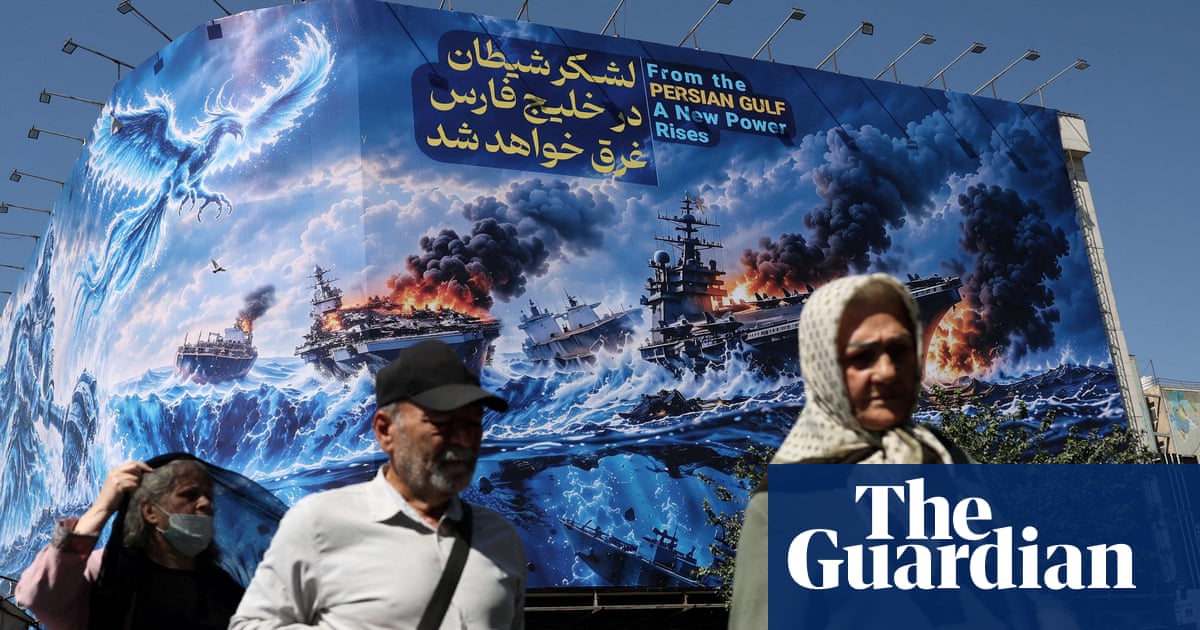
President Trump rejected an Iranian plan to reopen the Strait of Hormuz, calling it "not acceptable," during a press conference at the White House on Saturday. The proposal, communicated through Qatar, would have allowed Iran to immediately reopen the strategic waterway in exchange for resuming negotiations with the U.S., similar to a previous memorandum that collapsed due to disagreements over its terms. Iranian Foreign Minister Abbas Araghchi and President Masoud Pezeshkian emphasized that the U.S. needs to show it does not intend to overthrow the Iranian government before Iran will agree to reopen the strait and resume nuclear talks, including allowing UN inspections.
Written locally by qwen2.5:14b on 2026-09-26,
using this article's own text rather than the other coverage of the
same event (that is the story summary below).
Story summary
US President Donald Trump met with Chinese President Xi Jinping, where Xi pressed Trump to adopt Beijing's stance against Taiwan independence, which Taiwan rejected outright. Meanwhile, Taiwan is crucial for global tech and economy due to its leading semiconductor production; TSMC alone produces the majority of advanced chips that power smartphones, AI systems, and more. As Stanford Hoover fellow Eyck Freymann noted, economic disruption from a conflict over Taiwan would be severe.
In unrelated developments, Iranian President Masoud Pezeshkian met with US media at the UN General Assembly, where he denied Iran's nuclear ambitions while offering to dilute its enriched uranium and allow inspections under international law. He also blamed Washington for ongoing conflicts in the Middle East. The International Atomic Energy Agency (IAEA) estimates that Iran has over 440 kilograms of uranium enriched up to 60%, raising concerns despite Pezeshkian's denials.
Taiwan's representative, Ambassador Alexander Yui, clarified during an interview on CBS’s "Face the Nation" that while Taiwan was discussed between Trump and Xi, it wasn't a major focus. He emphasized there has been no change in US policy towards Taiwan amid recent tensions with China.
Written for “Taiwan Iran Us Relations Midterms” on 2026-10-05,
grounded in this article and the 386 other(s) covering the same event.
Trump calls Iranian plan to reopen Strait of Hormuz not 'acceptable'
asserted
Trump → call → Hormuz
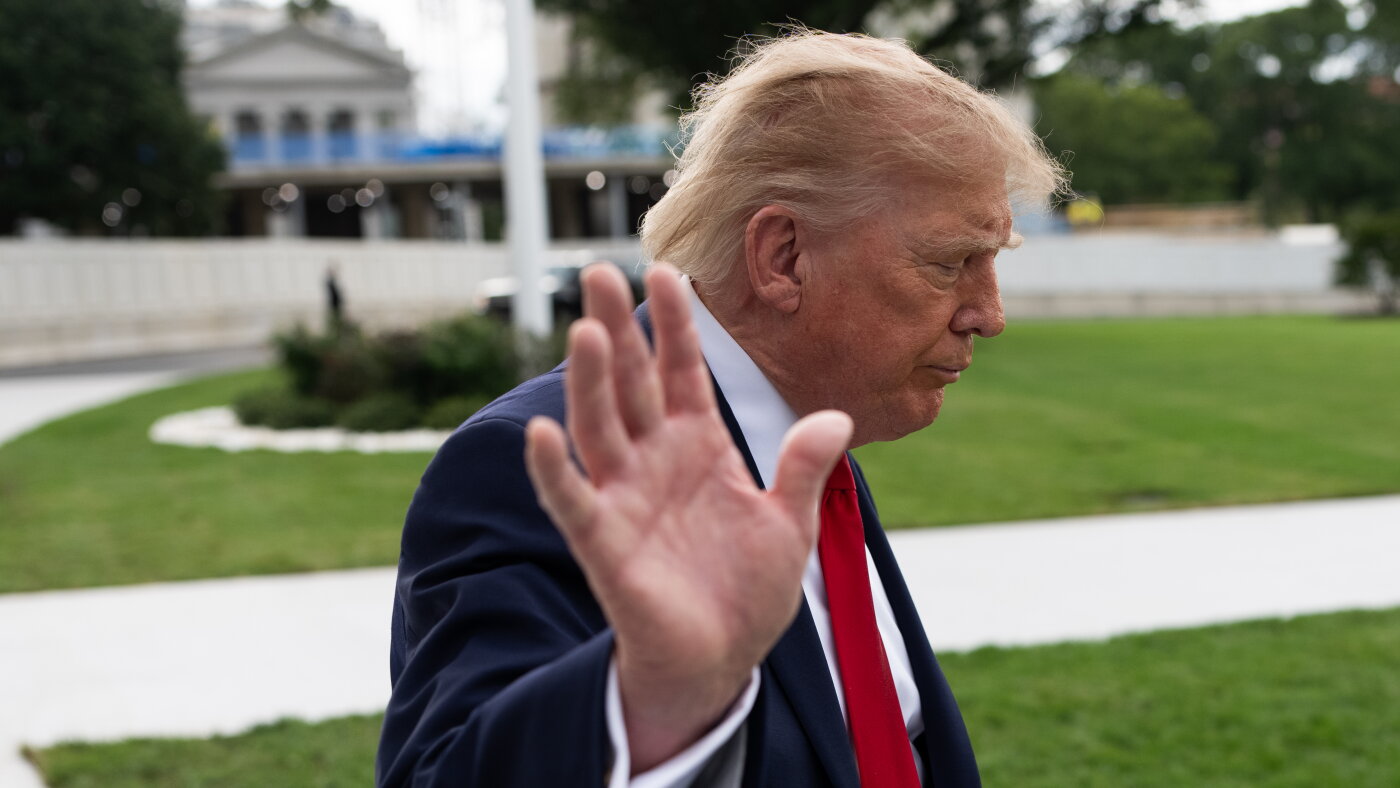
President Trump said on Saturday that he was rejecting an Iranian plan to reopen the Strait of Hormuz.
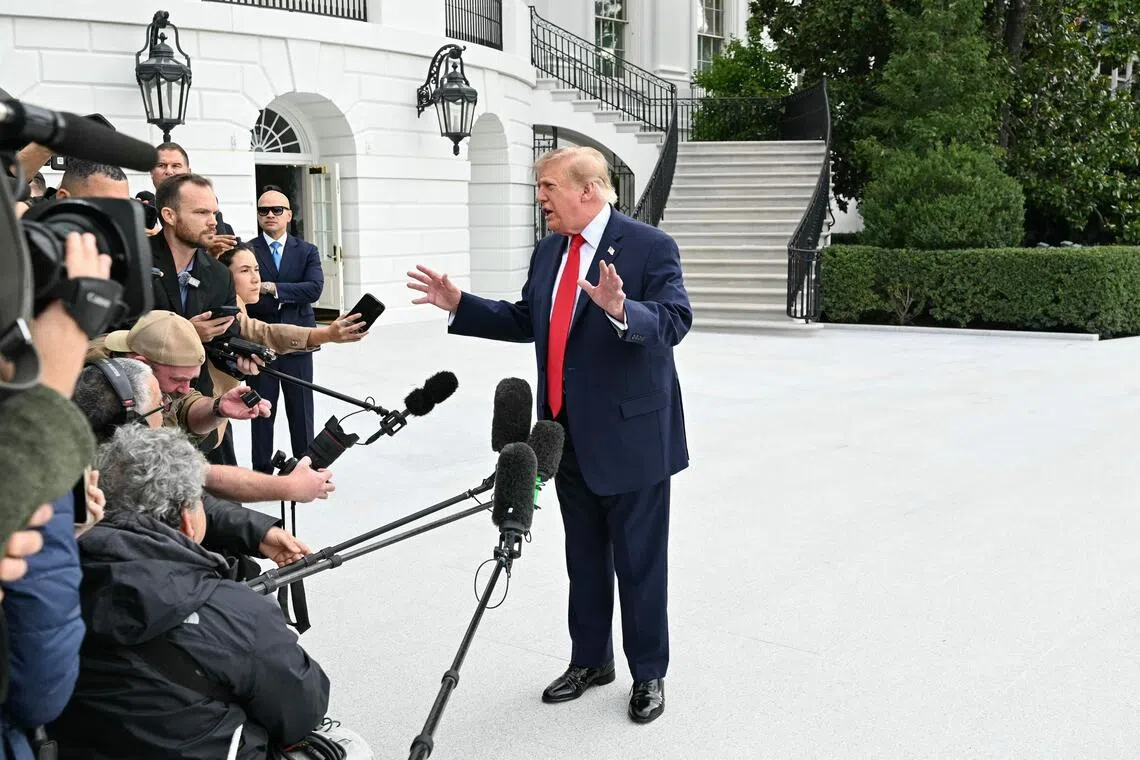
Trump said the deal "would not be acceptable," speaking to reporters as he was departing the White House, without giving further explanation.
asserted
he → say → explanation
"I like making a deal too," he said.
asserted
he → like → deal
"But, I'm not — that deal would not be acceptable."
"They want to make a deal where they open the strait immediately because they're losing so badly," Trump added.
asserted
Trump → want → strait
Iran made the proposal, which also called for resuming negotiations between the U.S. and Iran, at the United Nations General Assembly meetings in New York this week.
asserted
which → make → York
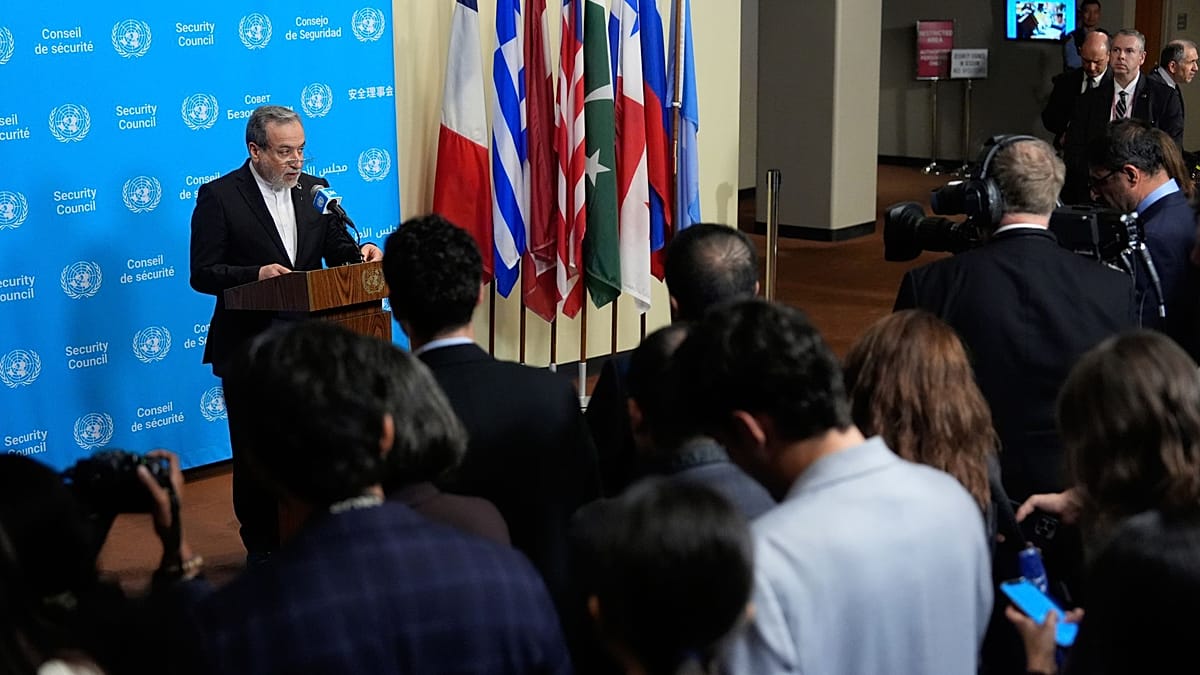
Iranian Foreign Minister Abbas Araghchi told reporters on Friday that Iran conveyed to the U.S. through Qatar a "concrete seven-day plan" to reopen the strait.
asserted
Iran → tell → strait
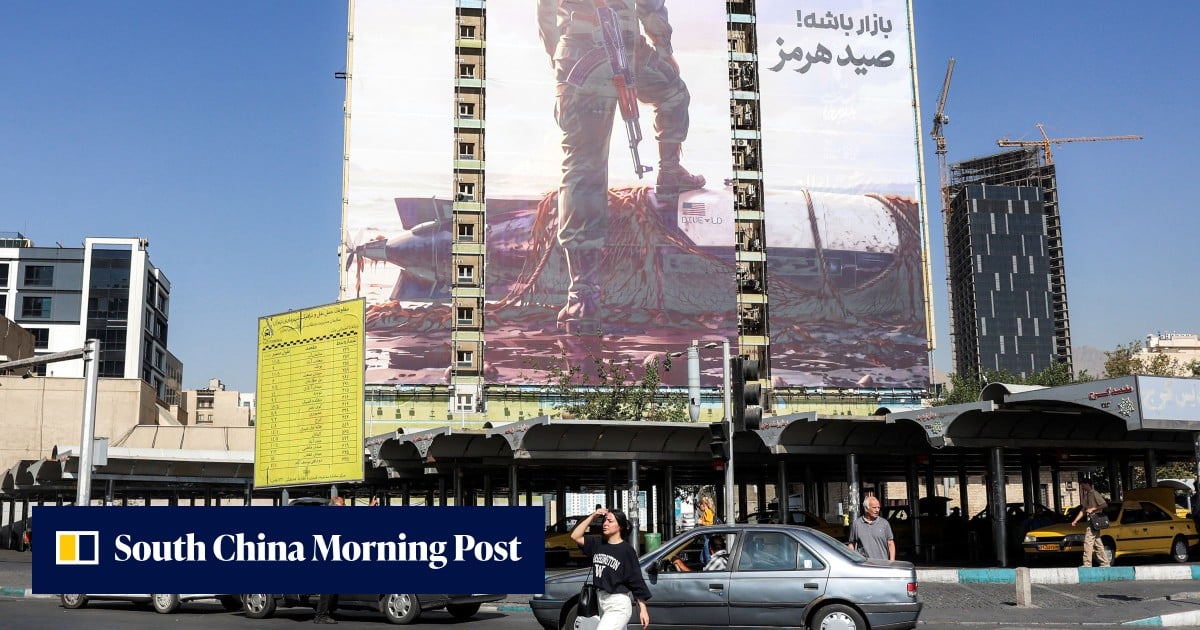
Iran initially closed the strait after the U.S. and Israel attacked Iran on Feb. 28.
asserted
U.S. → close → Feb.
The repeated closures have caused major disruptions to the world's oil supply.
asserted
closures → repeat → supply
"If the necessary conditions are met, the strait can be reopened and normal maritime passage restored within seven days," Araghchi said on Friday.
asserted
Araghchi → meet → Friday
"The choice now rests with the United States."
asserted
choice → rest → States
The Iranian proposal is similar to a "memorandum of understanding" agreed upon by the U.S. and Iran back in June.
asserted
proposal → agree → June
It would have temporarily ended fighting and restarted ceasefire talks.
asserted
It → end → talks
The MoU gave Iran relief from a U.S. naval blockade.
asserted
MoU → give → blockade
The U.S. eased sanctions and freed up frozen Iranian assets.
asserted
U.S. → ease → assets
In return, Iran promised not to seek a nuclear weapon and said it would reopen the Strait of Hormuz.
asserted
it → promise → Hormuz
The June agreement collapsed after disputes over the memo's vague wording, including language related to who would control the strait.
asserted
who → collapse → strait
The U.S. and Iran resumed strikes soon after.
asserted
U.S. → resume → strikes
"The actions that the United States should take are not new," Araghchi said.
asserted
Araghchi → take → that
So we don't see any difficulty to implement them."
asserted
we → see → them
In a prerecorded interview with CBS set to air Sunday, Iranian President Masoud Pezeshkian said Iran will abide by its commitments and said the U.S. needs to show "that it does not intend to overthrow our government or our administration."
"If the United States agrees to proceed in that way, everything will return to the way it was before," Pezeshkian said to CBS.
asserted
Pezeshkian → set → CBS
"Because right now, it's the United States that has blocked our way, and naturally, Iran has also blocked the way from its side.
asserted
Iran → block → side
These are things that both sides need to open up first; then we can sit down at the negotiating table and discuss other issues at hand."
asserted
we → need → hand
Pezeshkian said if the U.S. accepts the Iranian proposal on reopening the strait and resuming nuclear negotiations, Iran would allow U.N. nuclear inspectors to enter the country.
asserted
inspectors → say → country
NPR's Hadeel Al-Shalchi and Emily Feng contributed reporting.
asserted
Shalchi → contribute → reporting
 The Aporia