That is 0 articles you have read today.
The Aporia is free and carries no advertising, so readers are the only
thing paying for it. If you are getting this much out of it, a small
donation is what keeps it independent.
Daily limit reached
You have read 0 articles today.
That is more than the 15 a day The Aporia gives away,
and well past what it can carry on nothing. Your allowance resets at
midnight.
There is no advertising here and nothing about you is sold, so readers
are the only thing paying for it. If the site is worth this much of
your day, it is worth a few dollars.
Everything else stays open: the
maps, the
directory and
search do
not count against this, and neither does re-opening something you have
already read today.
Nepal's death toll from flash floods on August 26 has surpassed 1,450 as of Sunday, September 20, 2026, according to Nepal Police. The floods devastated northern and central parts of the country, with over 6,000 people still missing. The hardest-hit areas include Chitwan district with 367 deaths and Rasuwa with 236 deaths. Authorities are struggling with identifying the dead due to severe damage and decomposition of bodies, complicating rescue operations and recovery efforts across damaged infrastructure.
Written locally by qwen2.5:14b on 2026-09-20,
using this article's own text rather than the other coverage of the
same event (that is the story summary below).
Story summary
In late August 2026, flash floods caused by a glacial collapse near the Nepal-Tibet border devastated central and northern Nepal, leading to over 1,450 deaths as of September 20. The floodwaters swept away homes, vehicles, roads, bridges, and hydropower projects in multiple districts including Chitwan, Rasuwa, and Nawalparasi. With more than 6,000 people still missing, recovery efforts are hampered by severe damage to infrastructure and the decomposed state of many recovered bodies, complicating identification processes.
Prime Minister Balendra Shah has declared an early warning system for natural disasters as a top priority in Nepal, acknowledging that such systems could have saved lives. Meanwhile, international experts suggest climate change likely contributed to the instability of glaciers and permafrost, triggering the devastating avalanche that caused the floods. The disaster highlights the urgent need for global action on climate issues, with scientists noting that without faster transitions towards zero fossil fuel emissions, similar catastrophic events will become more frequent in the future.
Written for “Nepal Flood Disaster” on 2026-10-05,
grounded in this article and the 18 other(s) covering the same event.
The death toll from last month's devastating flash floods in Nepal crossed 1,450 on Sunday (September 20, 2026), as the Himalayan nation continues to reel from the aftereffects of the disaster.
asserted
nation → cross → disaster
In a statement, Nepal Police said the death toll of the August 26 flash floods has reached 1,451, with more bodies recovered from affected areas.
asserted
bodies → say → areas
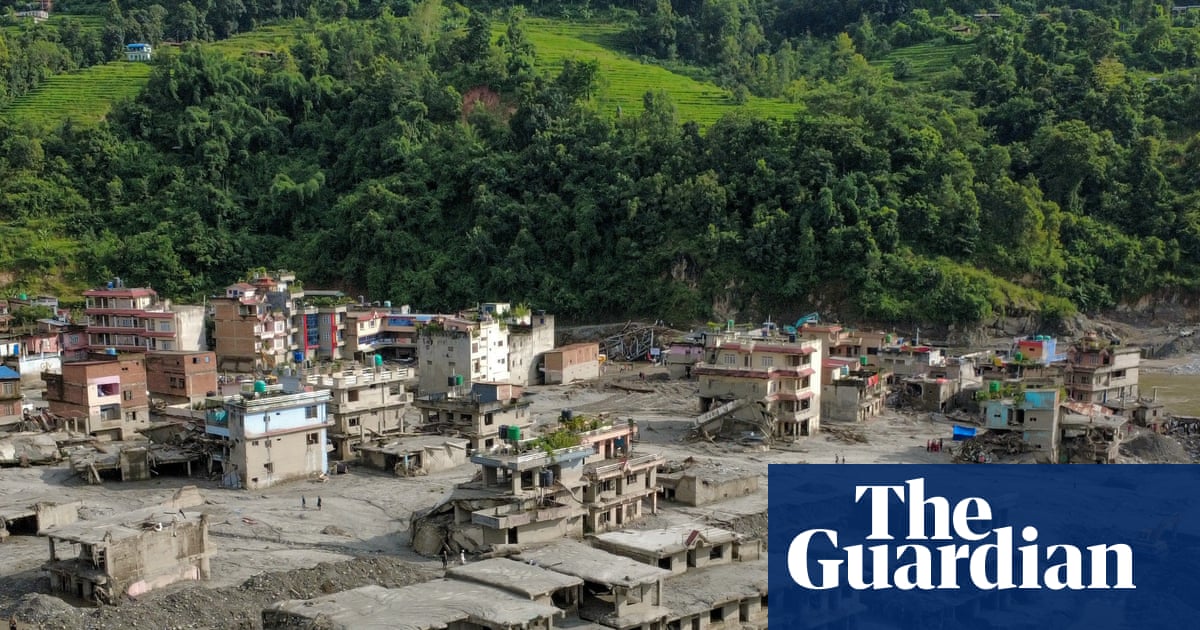
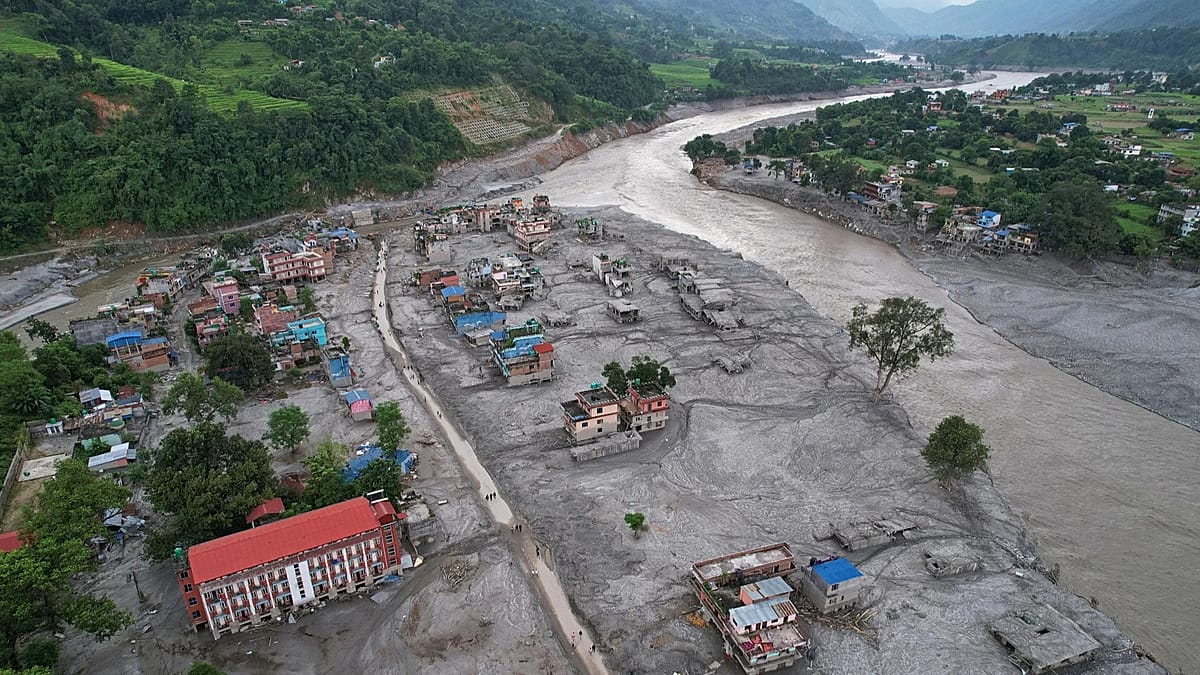
Originating near the Nepal-Tibet border, the floods devastated towns and villages in northern and central Nepal.
asserted
floods → originate → Nepal
The Bhotekoshi River, which flows south from the Himalayan border region, carried the floodwaters downstream, sweeping away homes, vehicles, roads and bridges and damaging hydropower projects.
asserted
which → flow → projects
The floods also killed 43 people on the Chinese side, where more than 500 remain missing, according to Chinese media.
uncertain
500 → kill → media
In Nepal's Chitwan district, 367 dead bodies were recovered; 236 bodies were recovered from Rasuwa; 232 from Nawalparasi East and 222 from Nawalparasi West
asserted
bodies → recover → West
, the police statement said.
asserted
statement → say → ?
Similarly, 203 bodies were recovered from Nuwakot, 79 bodies from Gorkha, 72 bodies from Dhading and 38 bodies from Tanahu, it said.
asserted
it → recover → Tanahu
Two flood victims also died in Kathmandu hospitals while undergoing treatment.
asserted
victims → die → treatment
So far, 13,784 people affected by the flood have been rescued from across the country.
asserted
people → affect → country
Nepal Police has estimated that around 6,000 people continue to remain missing after the flood.
asserted
people → estimate → flood
The search for those missing in Nepal has continued across river stretches, debris fields and damaged hydropower projects in Rasuwa and neighbouring districts.
asserted
search → miss → Rasuwa
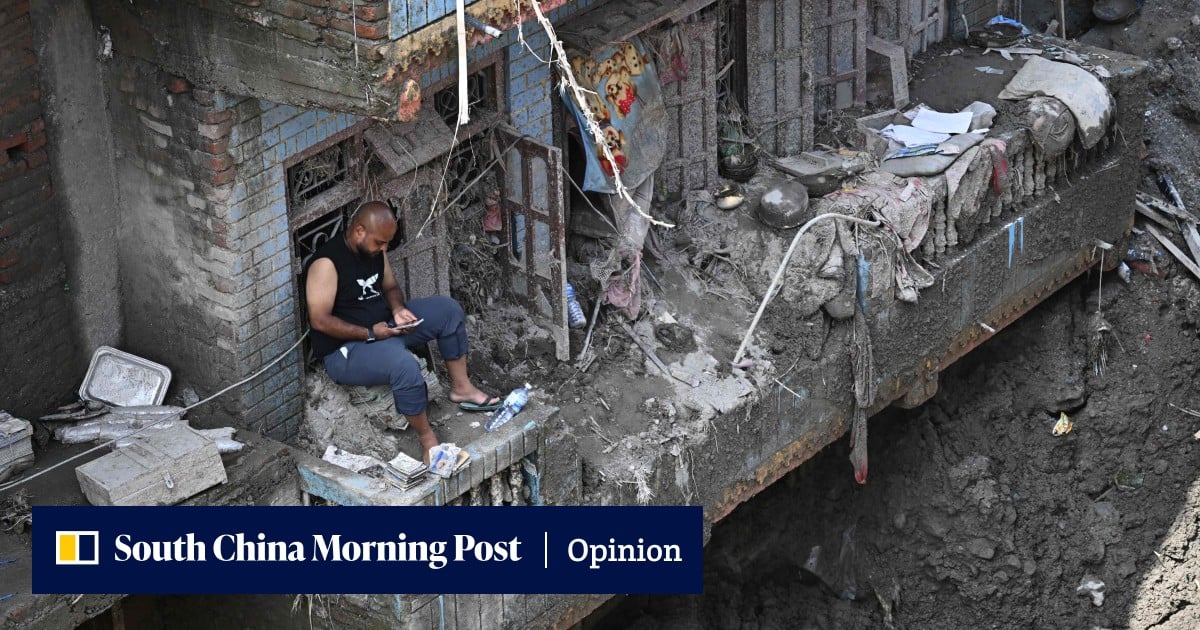
The country is also reeling from the aftermath of the floods, which left large parts of the affected region struggling with damaged roads and bridges.
asserted
which → reel → roads
Identifying the dead has also emerged as a major challenge, with only around 110 of the total bodies recovered being handed over to families after identification so far, authorities said.
Bodies recovered after being swept downstream have often been severely damaged, decomposed or recovered only in parts, making identification by face, clothing or personal belongings difficult, officials said.
asserted
officials → identify → face
So far, nearly 1,300 bodies have been temporarily buried after their DNA samples were collected, officials said.
asserted
officials → bury → ?
 The Aporia