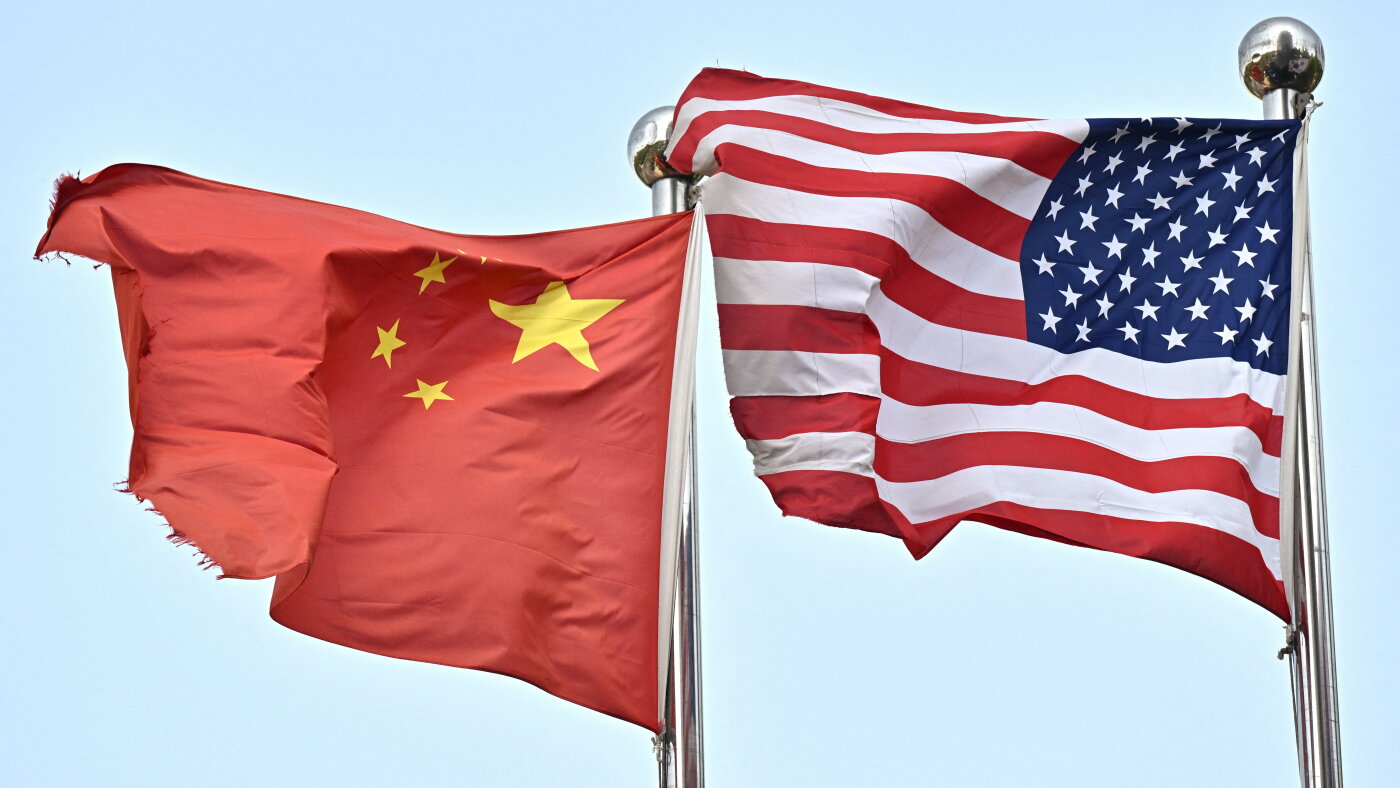
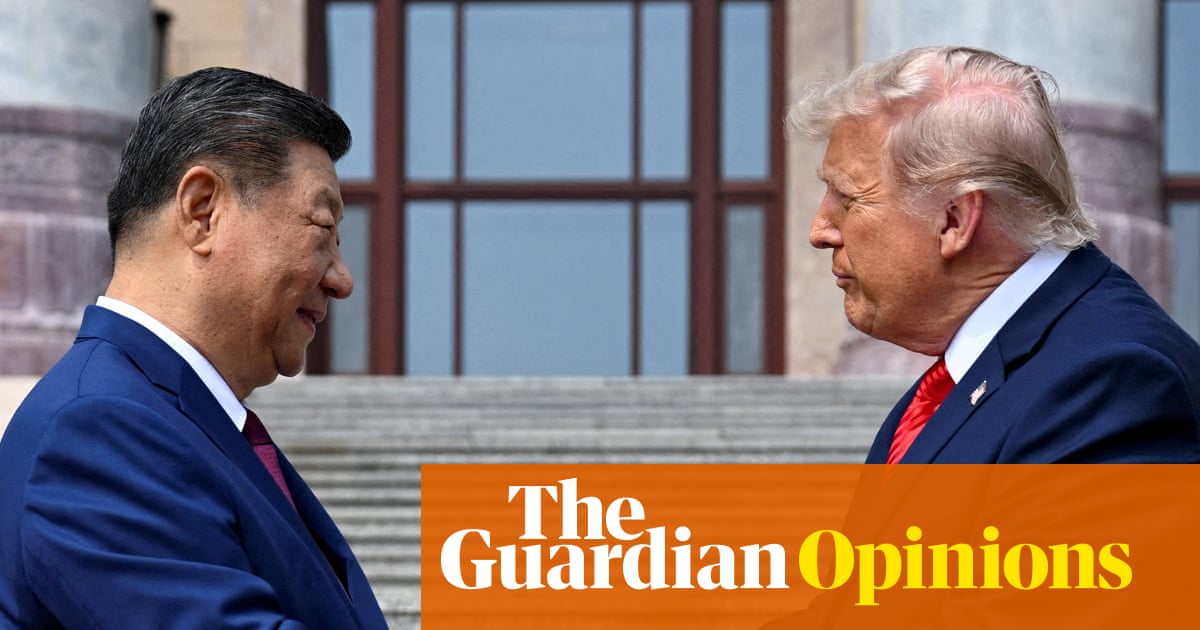
President Donald Trump is set to host Chinese President Xi Jinping for a state visit, emphasizing America's leadership in artificial intelligence (AI) over China despite previous trade conflicts. Trump has declared the U.S. will win the AI race and presented a guest list including major tech leaders with business interests in China, indicating a strategic approach toward cooperation despite economic tensions. The White House has allowed sales of advanced processors to Chinese buyers under certain conditions, highlighting a complex relationship between technological advancement and diplomatic relations.
Written locally by qwen2.5:14b on 2026-09-23,
using this article's own text rather than the other coverage of the
same event (that is the story summary below).
Story summary
Before the Xi-Trump summit last week, analysts expected soybeans to be included in tariff-reduced arrangements between China and the U.S., but China excluded them from a tariff-reduction list released on September 28, 2026, despite cutting tariffs on other agricultural goods like corn, wheat, meat, and dairy. This decision disappointed American farmers, such as John Bartman, an Illinois-based soybean farmer who called it "a missed opportunity." U.S. soybeans still face an additional tariff of 10%, which traders say is too high for private crushers to absorb, even as Chinese state buyers have stepped up purchases. Despite this exclusion, both sides agreed to form a trade council to discuss reciprocal tariff cuts on $30 billion worth of products and stabilize economic ties.
Written for “US-China Tariff Cuts Deal” on 2026-10-05,
grounded in this article and the 283 other(s) covering the same event.
Log in
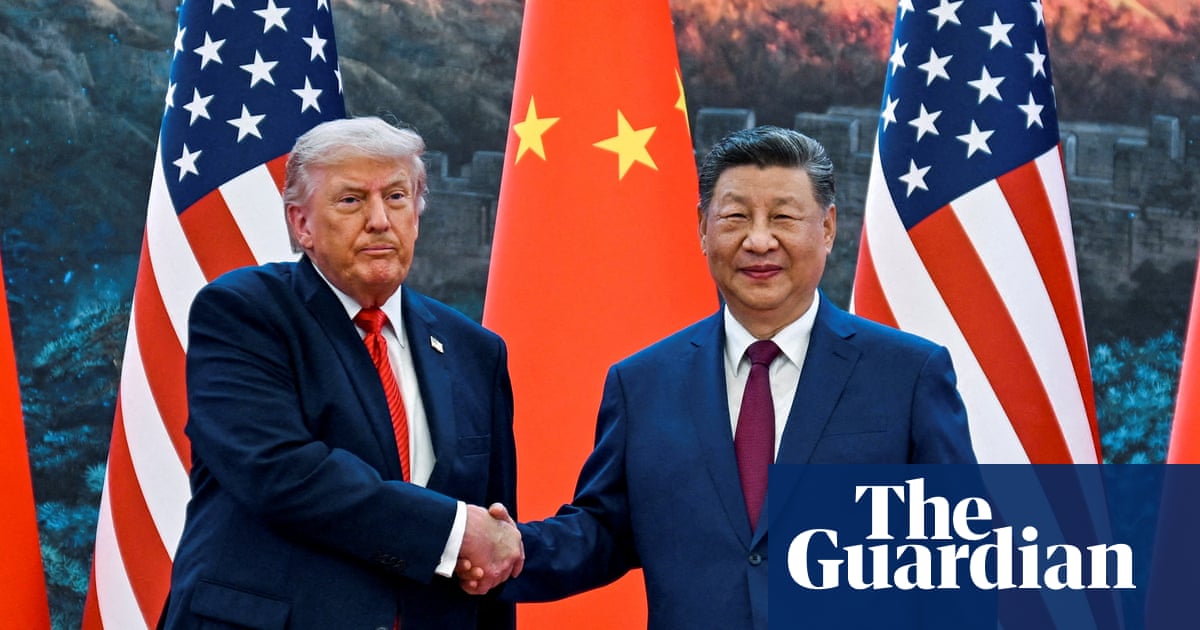
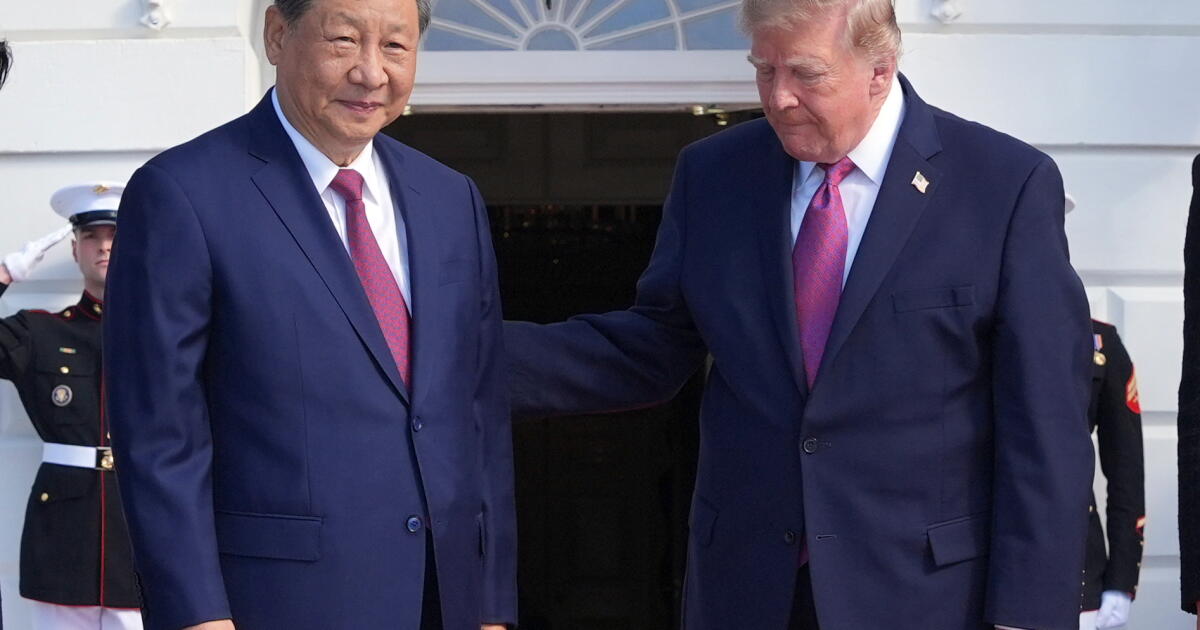
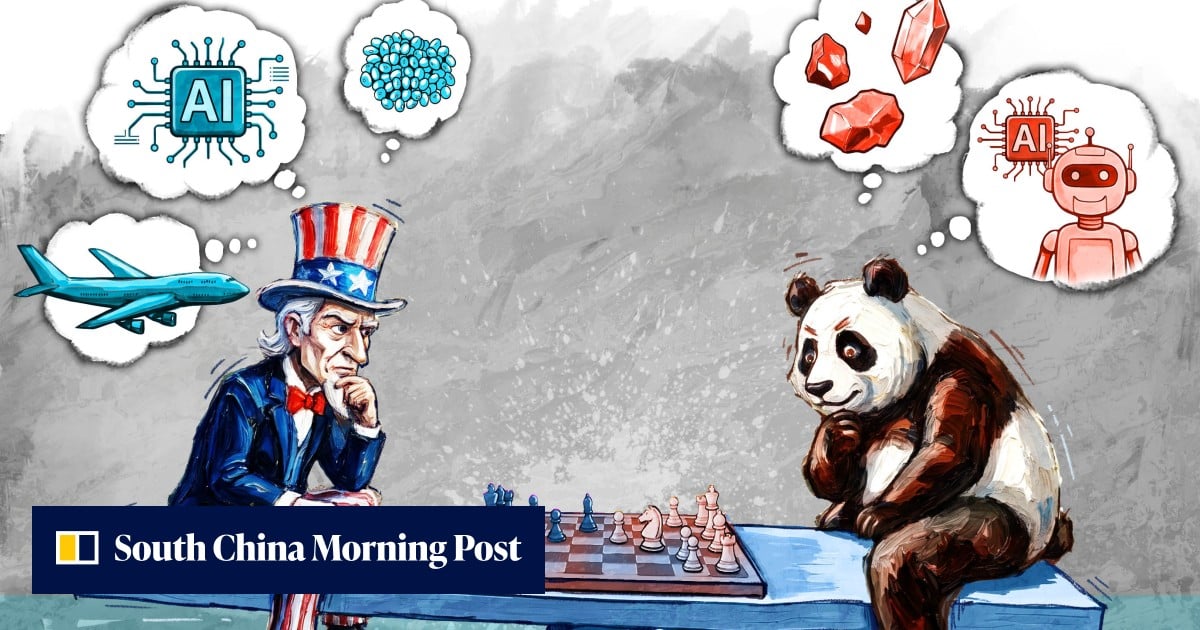
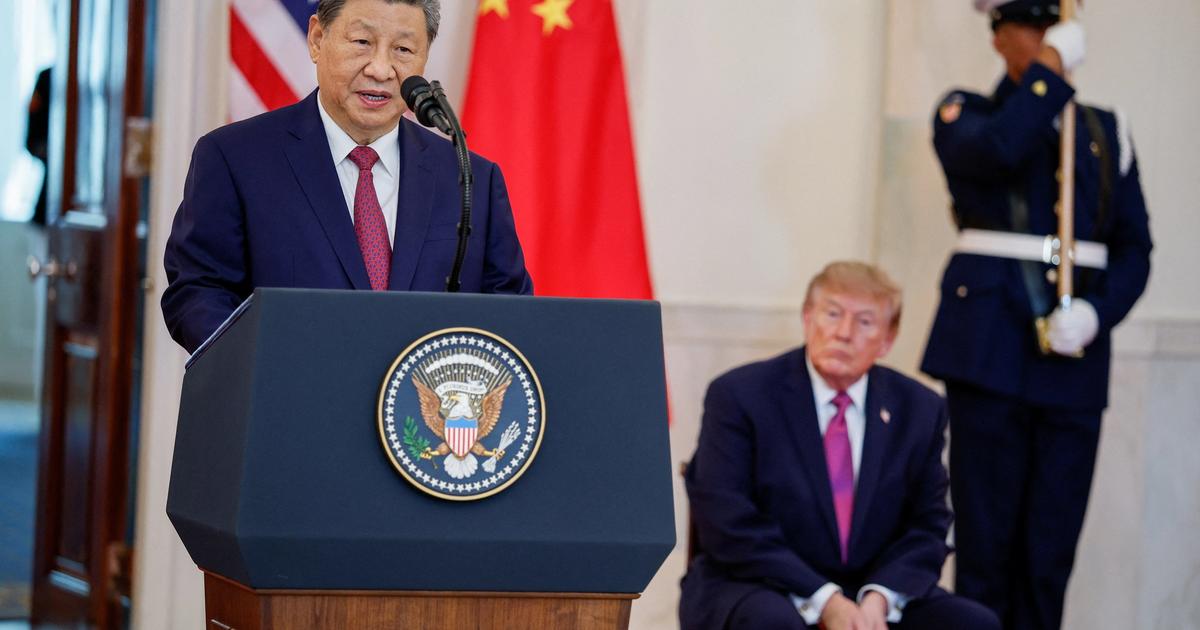
Less than 24 hours after declaring that the U.S. is “leading China by alot” in the race to develop cutting-edge Artificial Intelligence models, President Donald Trump will roll out a literal red carpet for the man most invested in changing that.
The president is set to host Chinese President Xi Jinping and his wife for a state visit on Wednesday and Thursday — Xi’s first since he made a similar trip during the Obama administration almost a decade ago.
asserted
he → log → administration
It follows a state visit to Beijing by Trump in May, during which the president hailed the “special relationship” between the United States and China and said he’d had “extremely positive and productive talks” on a variety of topics.
uncertain
he → follow → topics
Trump has spent his entire political career complaining about the Sino-American trade relationship and has kept the U.S. in an on again, off again trade war with Beijing while casting himself as a China hawk in all but important domains.
asserted
Trump → spend → domains
He’s repeatedly stressed the need for a laissez-faire approach to AI regulation dating back to when he signed his first set of artificial intelligence executive orders in July 2025.
asserted
he → stress → July
But in practice, Trump’s administration has made "whatever it takes" look more like something closer to "whatever the market will bear.”
asserted
market → make → whatever
Initially, Trump said America had started the AI race and would win it, that no foreign country would be allowed to beat the US, and that it was now official policy to do whatever it takes to lead the world in the field.
asserted
it → say → field
He’s made that a familiar refrain on the stump in his social media output as he’s cast AI as the defining contest of the century and China as the rival to beat.
asserted
he → make → rival
But late last year, the White House gave permission for Nvidia to sell its advanced H200 processors to approved Chinese buyers on the condition that the Treasury Department take a quarter of the profits.
asserted
Department → give → profits
It was a similar arrangement to the one they’d put into place earlier in 2025 for the weaker H20 chips.
asserted
they → put → chips
The administration also appears poised to extend a pause on heightened export controls that had drawn China’s ire, leading Beijing to cut off U.S. supplies of rare earth materials before a truce — set to expire next month — broke the stalemate.
asserted
truce → poise → stalemate
Take a look at some of the guests who will be at this week’s state dinner honoring Xi.
asserted
who → take → Xi
According to a senior administration official, the guest list includes Jeff Bezos, Elon Musk, Sundar Pichai, Michael Dell, Jensen Huang, Sam Altman, Jane Fraser, and Tim Cook.
uncertain
list → accord → Bezos
With the exception of Frazier, the head of Citi, all of those big tech executives have significant business interests in China — and nearly all have allied themselves with the administration since Trump returned to power.
asserted
Trump → have → power
And Trump knows they need one thing above all — access to Chinese rare earths.
asserted
they → know → earths
Without them, Apple and Google can’t build phones.
asserted
Apple → build → phones
Dell can’t build computers.
asserted
Dell → build → computers
Huang’s Nvidia can’t build the AI chips that Altman and Pichai need for their AI platforms.
asserted
Altman → build → platforms
And if those things can’t happen, none of those executives will be keeping the GOP coffers full.
asserted
none → happen → coffers
So when Trump says he wants the U.S. to stay ahead in the AI race, he probably thinks he’s telling the truth.
asserted
he → say → truth
But that lead could vanish if his administration continues to allow exports of key AI chips, made by Huang’’s Nvidia, and that will continue to happen as long as Trump’s contributors’ enterprises need the rare earths that Xi’s government has held hostage.
uncertain
government → vanish → that
And for now that leaves Americans, and maybe the world, at risk of a rogue AI “incident” or incidents, all because the bottom line was placed before public safety.
asserted
line → leave → safety
 The Aporia