The Guardian
· collected 2026-09-23 · by Amy Hawkins, and David Smith in Washington
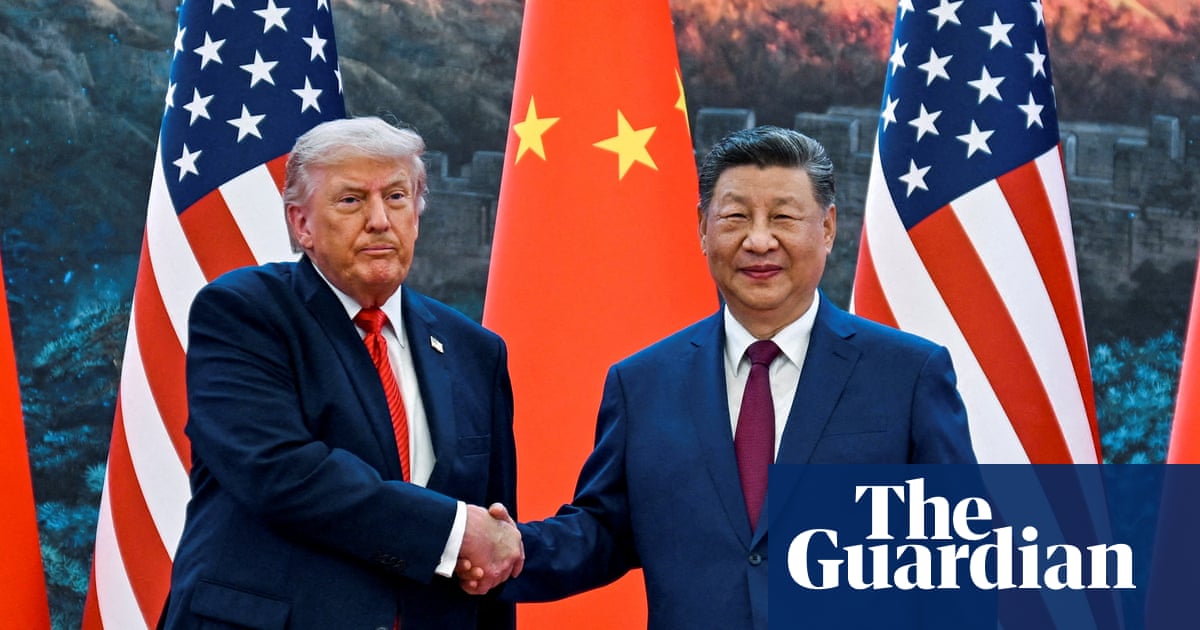
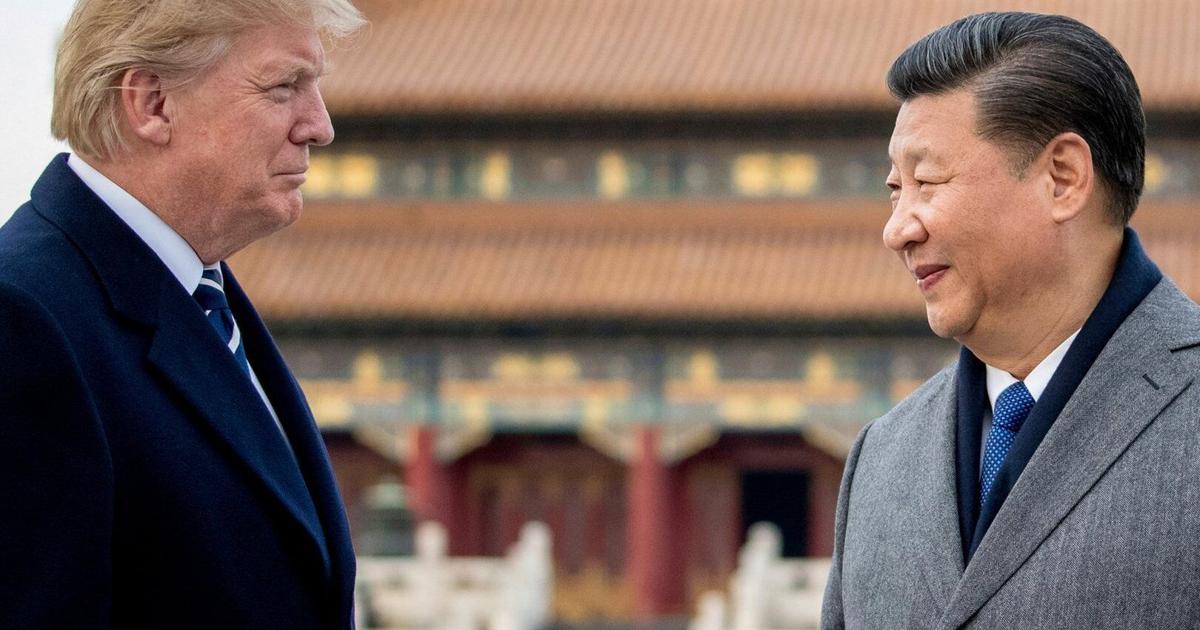
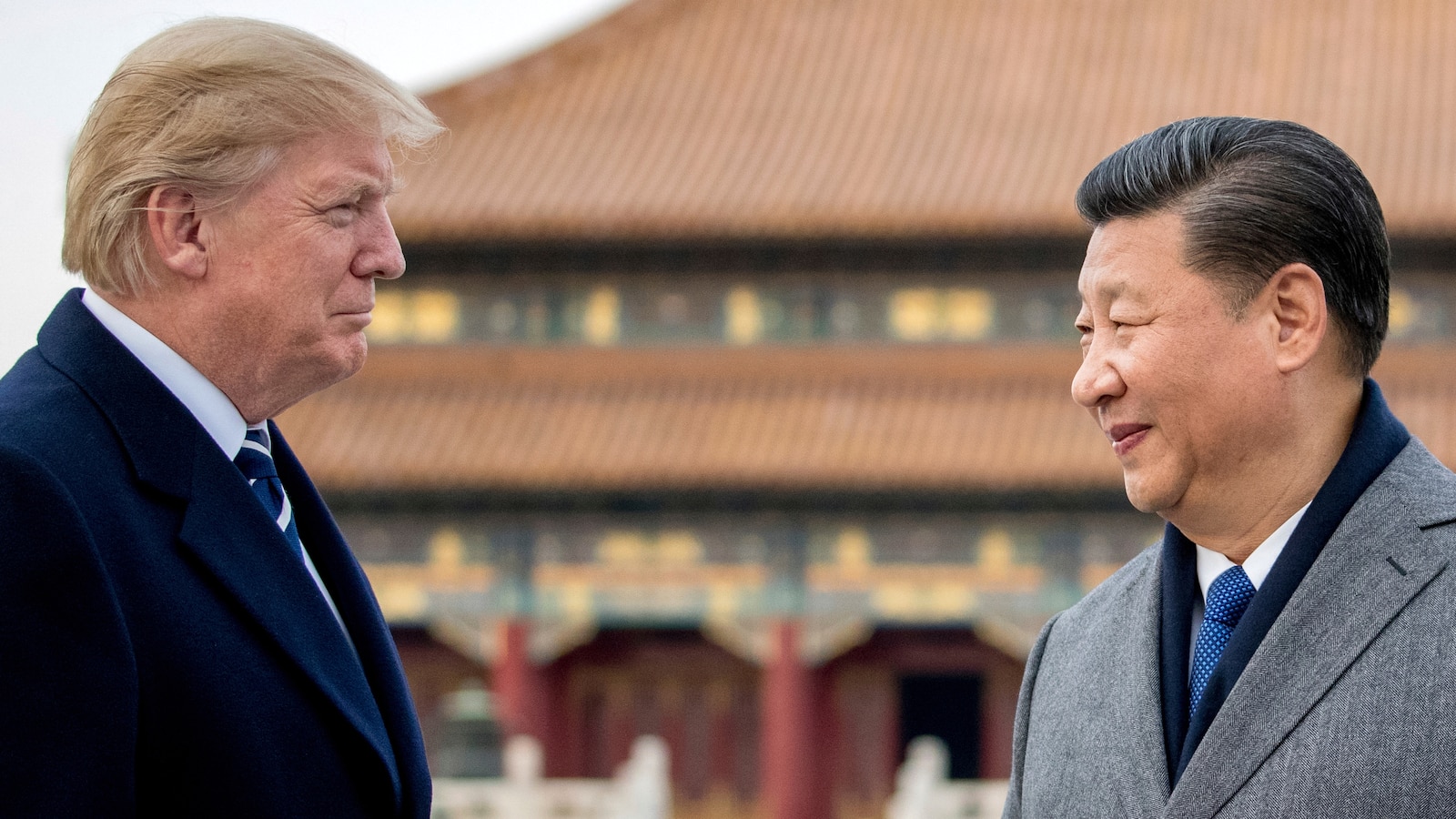
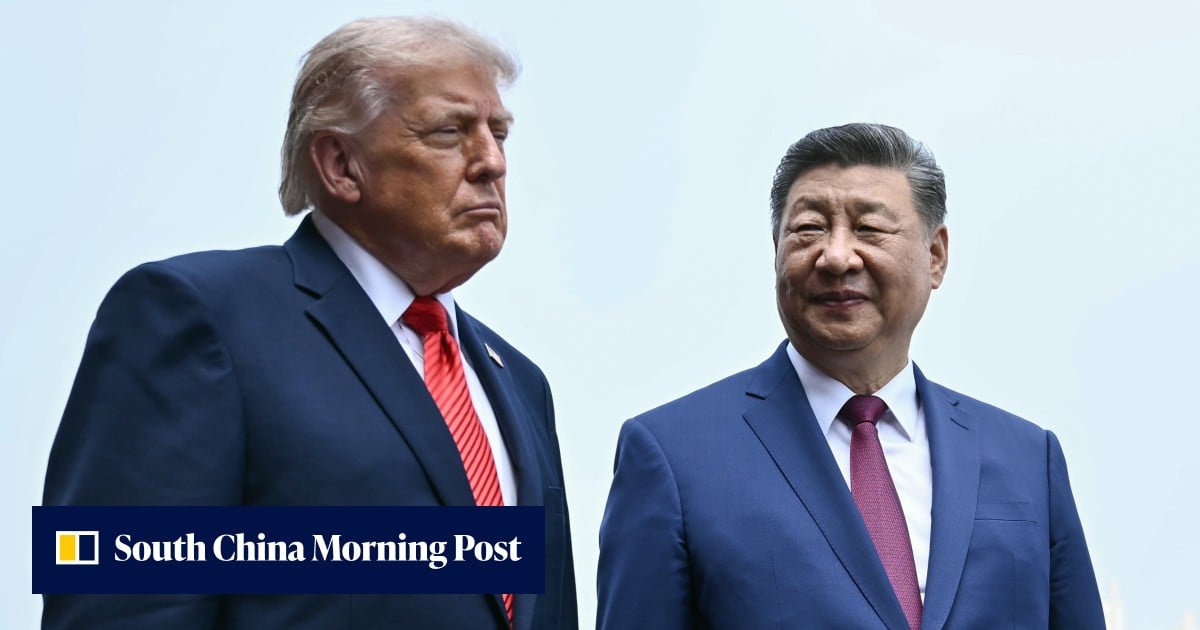
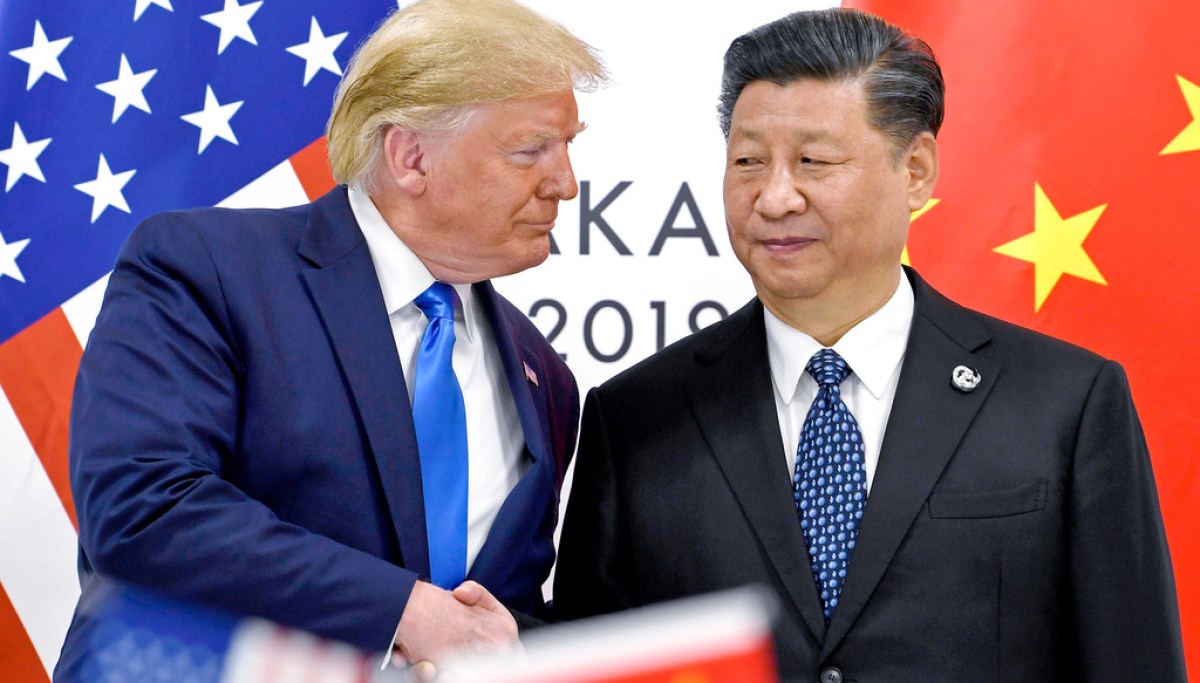
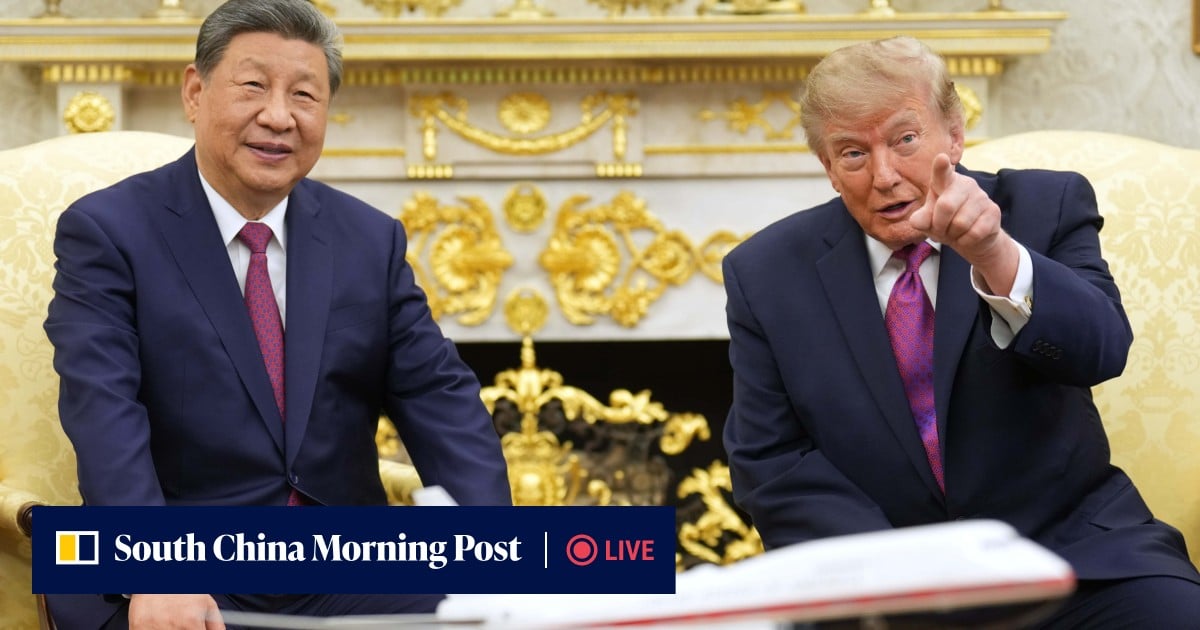
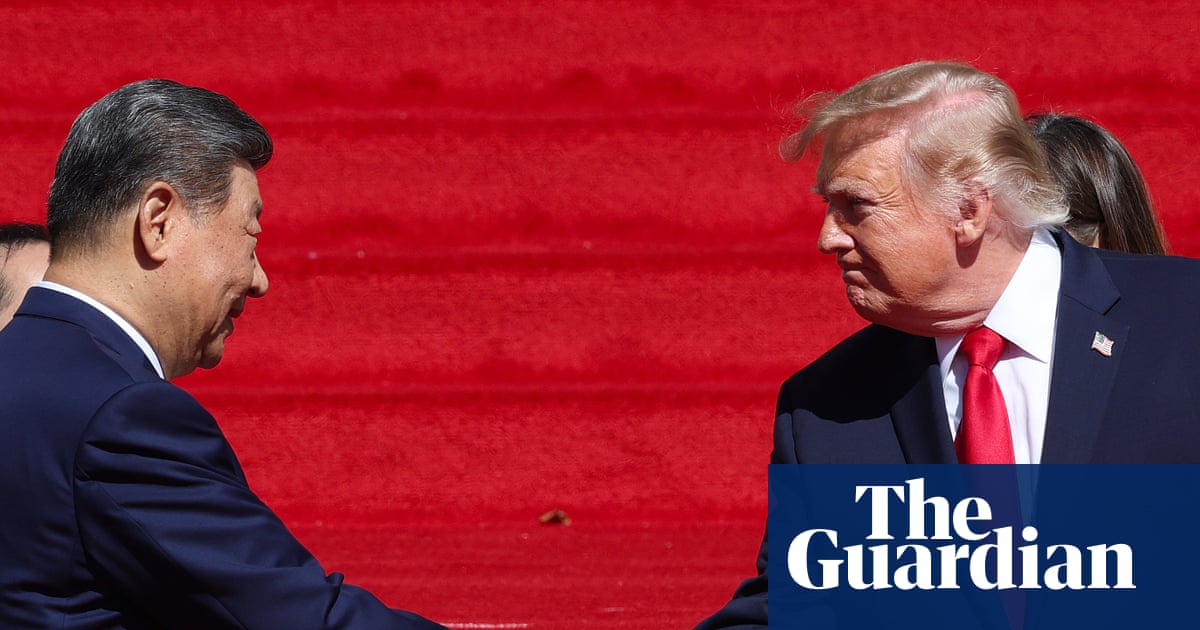
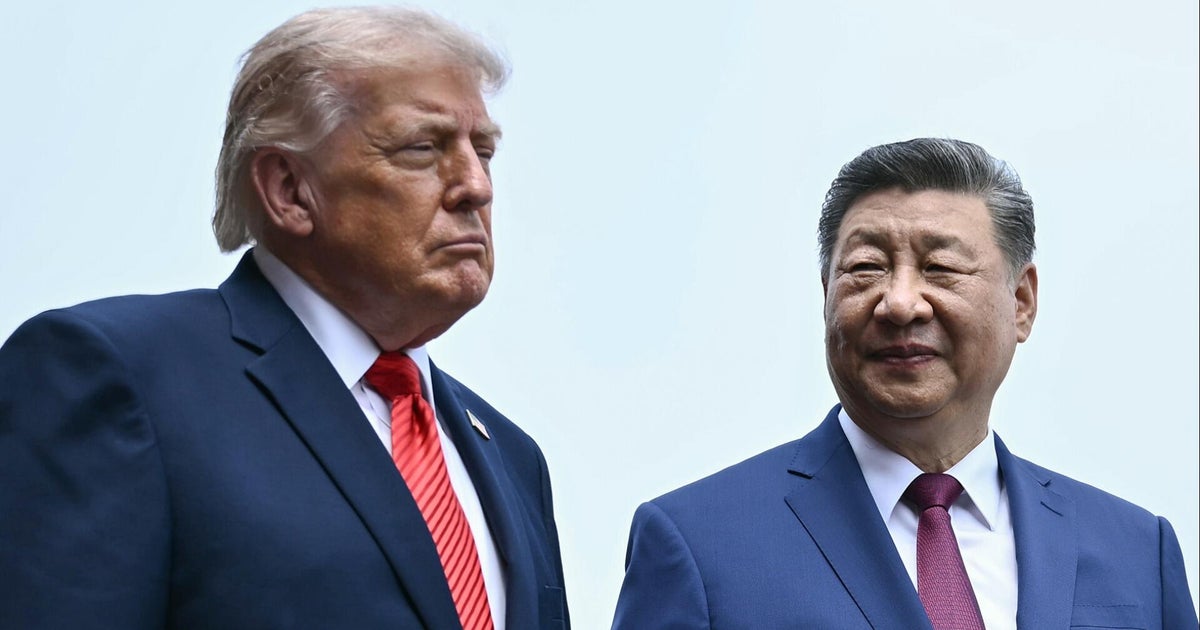
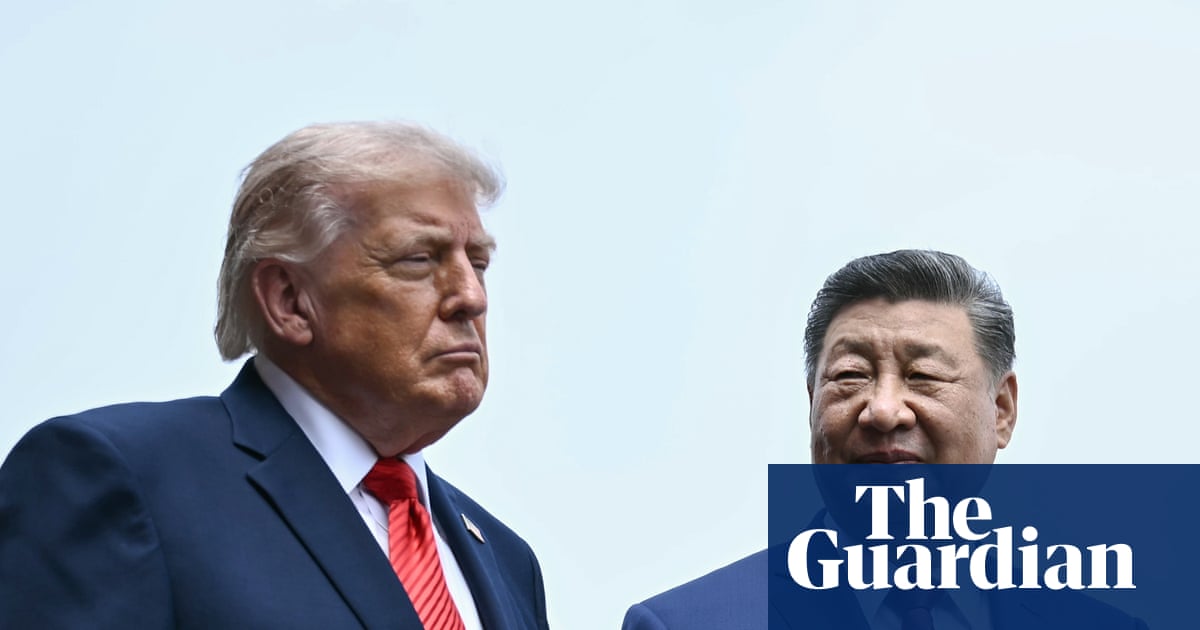
When Xi Jinping, China’s leader, touches down in Maryland on Wednesday, he will step out into the arms – perhaps a hug, if Donald Trump’s wishes come true – of a US president who has shown China more bonhomie than any of his recent predecessors.
asserted
who → touch → predecessors
The meeting between Xi and Trump this week will be the second time that the leaders of the world’s two biggest economies have talked face to face this year.
asserted
leaders → talk → face
But there was little by way of concrete outcomes: the countries remain at loggerheads over trade, export controls and geopolitics.
asserted
countries → be → trade
Despite the goodwill built in May, few anticipate any major breakthroughs this week when Xi makes his first state visit to the US since 2015.
uncertain
Xi → build → 2015
“Expectations are very low,” said Bonnie Glaser, a managing director at the US thinkthank the German Marshall Fund.
asserted
Glaser → say → thinkthank
“Nobody is using the term ‘deliverables’.”
asserted
Nobody → use → term
One area in which Trump and Xi may reach some consensus is on artificial intelligence safety.
uncertain
Trump → reach → safety
Tech executives including Jeff Bezos of Amazon, Sundar Pichai of Alphabet, Sam Altman of OpenAI, Tim Cook of Apple, Elon Musk of Tesla, Mark Zuckerberg of Meta and Jensen Huang of Nvidia will reportedly attend a state dinner at the White House on Thursday evening.
uncertain
executives → include → evening
‘Whoever wins AI, wins’
asserted
wins → win → AI
In the past few weeks, the US has been beset by worries that AI is progressing too fast, but that the US must strive to defend its lead over China in the frontier technology – and Trump has pushed back hard against calls to slow its development.
asserted
Trump → beset → development
“We’re leading China in AI,” Trump said recently.
asserted
Trump → lead → AI
“And frankly, I want to keep it that way, because whoever wins AI, wins.”
asserted
wins → want → AI
On Sunday, Scott Bessent, the US treasury secretary, concluded talks with the Chinese vice-premier He Lifeng by proposing an AI safety mechanism to be established between Washington and Beijing.
asserted
Bessent → conclude → Washington
The mechanism appears to stop short of a major safety agreement.
asserted
mechanism → appear → agreement
Tuesday’s front page of the People’s Daily, the official newspaper of the Chinese communist party (CCP), ran an article saying that the US and China should “make AI a new frontier for China-US cooperation” and “make good use of the intergovernmental dialogue mechanism on AI”.
asserted
AI → run → AI
António Guterres, the UN secretary general, called on the two countries to establish a dialogue on AI similar to the communication between the US and the Soviet Union during the cold war.
asserted
Guterres → call → war
“Governments with the greatest AI capabilities have the greatest responsibilities to humanity, to establish channels for dialogue, transparency, trust and cooperation,” Guterres said.
asserted
Guterres → have → dialogue
Still, China does not agree with US assessments about the grave threat posed by its AI developments.
asserted
China → agree → developments
China’s foreign ministry responded to an essay by Dario Amodei, the Anthropic chief executive, that called for Washington to impede Beijing’s progress, by saying “fearmongering, confrontation and vicious competition will only disrupt the process of global AI governance”.
asserted
fearmongering → respond → governance
China has already taken steps to mandate the labelling of AI-generated content, to restrict the ability of children to use AI companions and, in keeping with the CCP’s desire to keep tight control on all information, to restrict what can be said by chatbots.
asserted
what → take → chatbots
China may be more concerned with what it sees as US attempts to limit is growth.
uncertain
US → see → growth
Washington has for years restricted China’s ability to buy the most advanced semiconductors needed for AI development, and this year the US banned the sale of Chinese humanoid robots.
asserted
US → restrict → robots
Amanda Hsiao, China director at the Eurasia Group, a political risk consultancy, said: “China doesn’t necessarily see the threat in the same way that the US does.
asserted
US → say → way
There is a lot of distrust that’s in the way of cooperation.
asserted
that → be → cooperation
The Chinese are inclined to think of every US call for safety standards or calls from companies for pacing the frontier as means of suppressing Chinese development.
asserted
Chinese → incline → development
Trade tensions persist
Next on the agenda will be trade.
asserted
trade → persist → agenda
Washington and Beijing struck a temporary truce in the trade war last year at a summit in South Korea.
asserted
Washington → strike → Korea
That truce – which included a pause on tariffs, as well as an agreement for Beijing to loosen restrictions on the export of rare earths – will expire in November.
asserted
Beijing → include → November
Beijing is hoping for a longer-term commitment to banish tariffs, which pose a threat to China’s export-driven economy.
asserted
which → hop → economy
But reports suggest that the US is unwilling to agree to anything that would weaken its future bargaining power.
asserted
that → suggest → power
Glaser, of the German Marshall Fund, said: “The US side views this as leverage over China and ensuring that they can get deliveries of the rare earths and magnets that American companies need.”
asserted
companies → say → that
China may not feel the need to negotiate, either.
uncertain
China → feel → need
Despite the trade war, China’s exports have surged, and it is on track to reach a $1tn trade surplus for the second year running.
asserted
it → surge → year
One aspect of the relationship that has shifted since May is the issue of Taiwan.
uncertain
that → shift → Taiwan
After the Beijing summit, Xi secured a major concession from Trump, when he agreed to pause a $14bn package of US arms sales to Taiwan.
asserted
he → secure → Taiwan
US presidents have traditionally excluded the issue of arms sales to Taiwan, a self-governing island that China claims as part of its territory, from the US-China relationship.
uncertain
China → exclude → relationship
But Trump has described future weapons sales as a “very good negotiating chip”.
asserted
Trump → describe → chip
The US is now reportedly considering delaying further sales until after the Apec and G20 summits later this year, where Trump and Xi are expected to meet again.
uncertain
Trump → consider → summits
Tuesday’s People’s Daily article said that a stable China-US relationship would “bring more peace, prosperity, and progress to the world”.
asserted
relationship → say → world
But for all the talk in Beijing of “strategic stability”, Scott Kennedy, a senior adviser at the Center for Strategic and International Studies, notes that “this is not a G2” alliance of the world’s two dominant powers.
asserted
this → note → powers
…and 19 more, not listed.
 The Aporia