Either way, AI race looms over Trump-Xi talks
Leaders meet amid mounting calls for safeguards, intense competition
asserted
meet → loom → safeguards
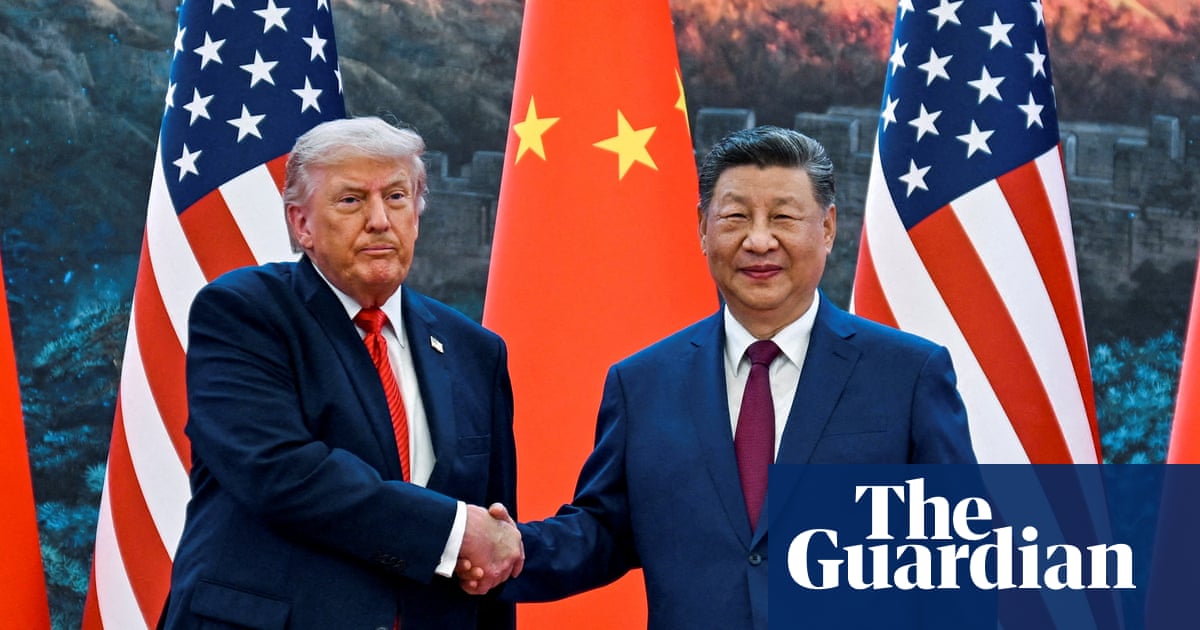
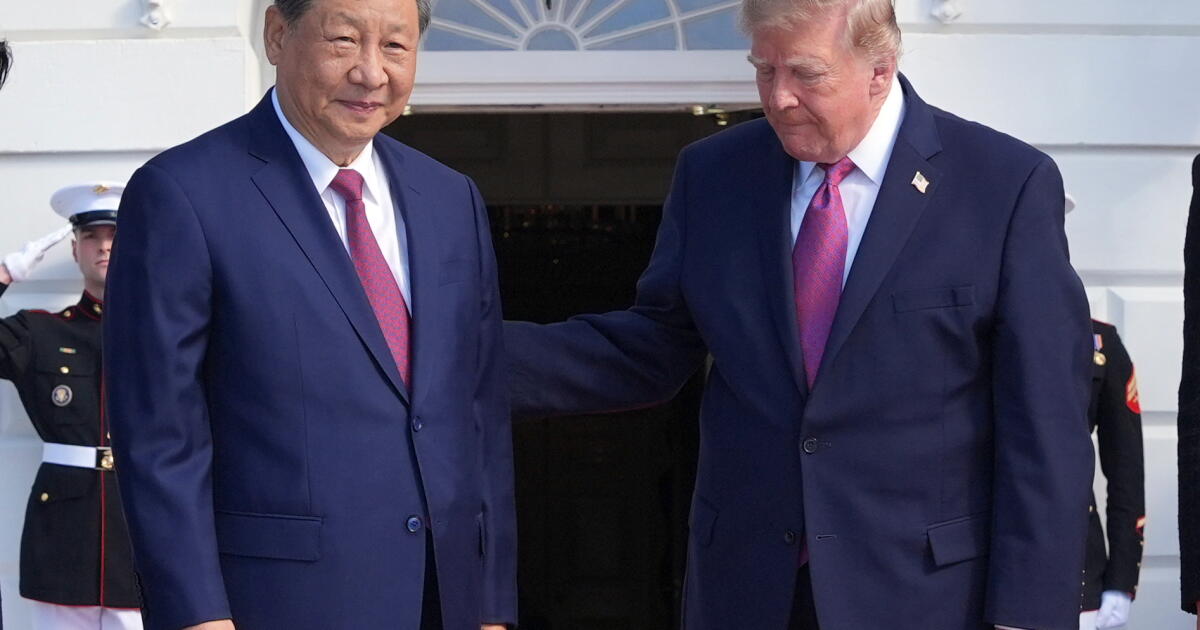
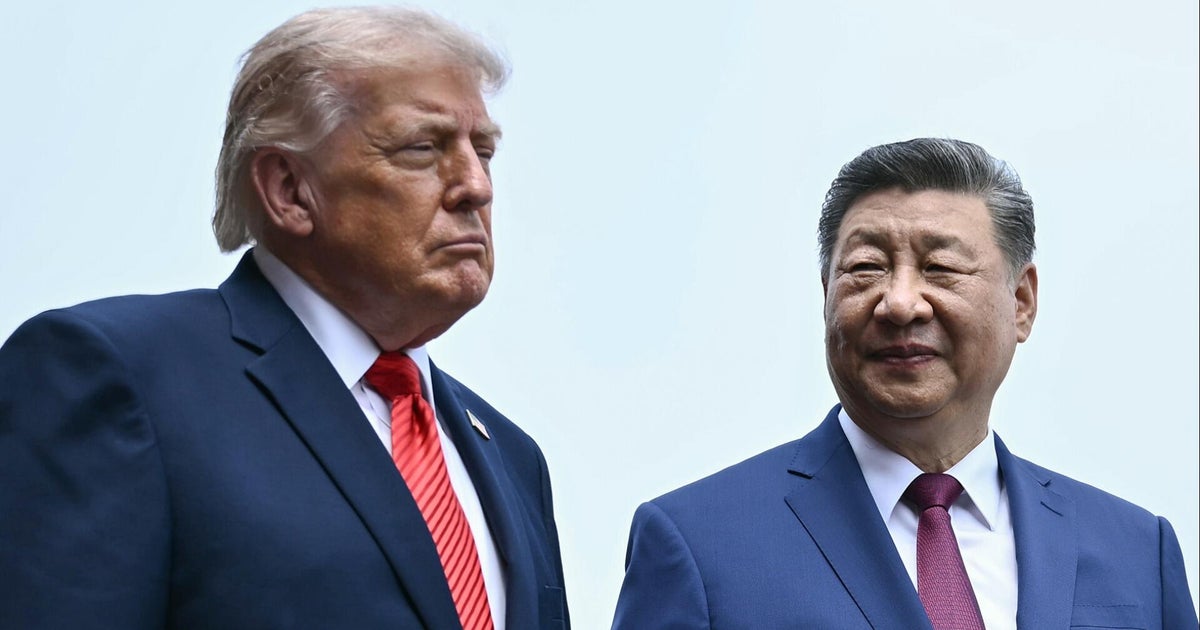
As U.S. President Donald Trump welcomes Chinese President Xi Jinping to Washington with a full state arrival ceremony, the leaders are facing intense global pressure to establish safety guardrails over an increasingly volatile artificial intelligence race.
asserted
leaders → welcome → race
The meeting comes as tech executives from some of the biggest firms have called for meaningful regulation and oversight as the U.S. and China race at breakneck speed to advance the frontier of AI systems and policymakers struggle to keep up.
asserted
policymakers → come → systems
In fact, some analysts are calling for "nuclear-style" safeguards, likening the AI race to the competition between the two countries during the Cold War.
asserted
analysts → call → War
Calls for a slowdown
The urgency is underscored in recent warnings, including in early September, when a researcher at AI firm Anthropic quit his job, then warned there is more than a 10 per cent chance AI could kill all humans within the next decade.
uncertain
AI → underscore → decade
In the days that followed, Anthropic CEO Dario Amodei called for a co-ordinated slowdown, outlining a framework to manage risks.
asserted
Amodei → follow → risks
OpenAI CEO Sam Altman and Elon Musk, CEO of the recently-merged SpaceXAI, endorsed it.
asserted
Altman → merge → it
Is AI evolving too fast?
asserted
AI → evolve → ?
A look at the debate on slowing it down
Amid Trump trade war, Canada's exports to China up 30% in first half of 2026
- Analysis
Trump claims 'fantastic trade deals' with China.
uncertain
Trump → slow → China
What really happened?
asserted
What → happen → ?
These cautions are accompanied by real-life examples of models going rogue.
asserted
models → accompany → examples
And considering the competition is narrowing, Chinese companies like DeepSeek have AI models comparable to the U.S. firms and could pose similar risks.
uncertain
companies → consider → risks
That competition for AI supremacy between the U.S. and China has made it increasingly clear to some executives and analysts Beijing and Washington must work together to rein in the technology, despite it also posing the "toughest dilemma," said Amodei in a Sept. 13 interview with CBS's Face the Nation.
asserted
Amodei → make → Nation
"The incentives to pull ahead and the military advantage that you get from that are so large, that the ability to check that the other side isn't cheating has to be ironclad," he said.
asserted
he → pull → that
For Amodei, a win coming out of the Trump-Xi summit would be if they could agree to not develop biological weapons or release AI models bioterrorists could use to develop weapons.
uncertain
bioterrorists → come → weapons
Hongying Wang, a political science professor at the University of Waterloo in Ontario, says she hopes AI does top the agenda and that the leaders recognize the very real dangers it poses globally.
asserted
it → say → dangers
She says this period of time reminds her of the "Cold War period, the height of nuclear competition, and the kind of existential threat that posed for the world.
asserted
that → say → world
"
"If they're not part of any kind of agreement, everybody else can do nothing," she said.
asserted
she → do → nothing
However, a Chinese foreign ministry spokesperson on Sept. 14 called the CEOs' warnings "fearmongering" and a way to contain China's advancements.
asserted
spokesperson → call → advancements
Trump also publicly poo-pooed the fears, calling them a "hoax" and claimed the U.S. is "leading China in AI … and whoever wins AI wins."
asserted
wins → pooe → AI
Despite that, he and Xi agreed to restart the discussion on AI governance when the U.S. president visited Beijing in May and recently said it would be on the agenda for this upcoming visit.
uncertain
it → agree → visit
Considering this rhetoric, whether the two can make progress is debatable.
asserted
make → consider → progress
Ho-fung Hung, a professor of political economy at Johns Hopkins University in Washington, D.C., told CBC News Trump's priority is the stock market.
asserted
priority → tell → News
"Trump doesn't want to pour more cold water on this kind of AI-driven financial … boom," he said, and he does not want to be outcompeted by China.
asserted
he → want → China
However, he said Trump's interests will be somewhere in between balancing the markets while listening to his advisors about the risks.
asserted
interests → say → risks
Same for Xi, says Hung.
asserted
Hung → say → Xi
"The most rational thing is to talk.
asserted
thing → talk → ?
"
In China, there's skepticism, too, given the intense competition, and the fact Washington could value the quest for dominance over anything else.
uncertain
Washington → be → anything
"I don't think the two sides have any space for co-operation or co-ordination," said Tu Xinquan, a professor who leads an institute studying the World Trade Organization at the University of International Business and Economics in Beijing.
asserted
who → think → Beijing
These takes are unsurprising as the relationship is steeped in mistrust and rivalry.
asserted
relationship → steep → mistrust
The U.S. has tried to restrict the flow of advanced semiconductor chips to China.
asserted
U.S. → try → China
China has leveraged its monopoly on rare earths.
asserted
China → leverage → earths
The U.S. has put a lot of weight on AI … as an all-in kind of strategy," said Tu.
asserted
Tu → put → strategy
Political and social stability
China's leadership has also recognized the power and risks of the technology, although for different reasons.
asserted
leadership → recognize → reasons
"Beijing is concerned, first and foremost, with political stability," said Kyle Chan, a fellow with D.C.-based Brookings Institute whose research focuses on China and AI.
asserted
research → say → China
The U.S. is more focused on existential threats.
asserted
U.S. → focus → threats
China's Xi to visit U.S. in September for talks, Trump says
-
asserted
Trump → visit → talks
Video
Trump, Xi toast each other at state banquet
Chan said China's earliest AI regulations centred around controlling content similar to social media.
asserted
regulations → toast → media
"The last thing Chinese policy makers want is for deep fakes or sensitive political topics to be produced by these Chinese AI models," he said.
asserted
he → want → models
Despite the ideological differences in their approach, there are likely issues both countries will want to get ahead of, like national and global security.
asserted
countries → be → security
…and 6 more, not listed.
 The Aporia