Flock cameras draw opposition from across the political spectrum

Read the original at NPR ↗
Cite

Anderson, M. (2026, September 5). Flock cameras draw opposition from across the political spectrum. NPR. https://www.npr.org/2026/09/05/nx-s1-5955778/flock-surveillance-camera-opposition-politics

Dated when The Aporia collected the article, usually within hours of publication. Check the original for its exact date and byline.

NPR · collected 2026-09-05 · by Meg Anderson

Quick Summary

Pennsylvania Democratic Gov. Josh Shapiro and Florida Republican Gov. Ron DeSantis are among those calling for a ban on Flock surveillance cameras, which use AI to track license plates and other vehicle data, with Shapiro stating they're "not in the public interest". DeSantis plans to revoke permits for the cameras on state highways. The technology has been criticized by both parties due to concerns over government surveillance and potential misuse, with some pointing out it's been used to track immigrants and people seeking abortions, while others worry it could create a national gun registry. Recent polling shows that more Americans disapprove of Flock Cameras than approve of them.
Written locally by qwen2.5:14b on 2026-09-05, using this article's own text rather than the other coverage of the same event (that is the story summary below).

AI analysis runs on qwen2.5:14b, locally

Story summary

Flock cameras, AI-powered license plate readers used by law enforcement, have sparked widespread opposition across the political spectrum in several U.S. states ahead of midterm elections. Both Pennsylvania Democratic Governor and Florida Republican Governor Ron DeSantis have voiced concerns about privacy invasions, with DeSantis announcing that Florida will revoke all permits for such cameras on state highways by September 2026.

Critics argue the technology treats civilians like suspects and can be misused, as evidenced by a case in Texas where police used Flock to track a woman who had an abortion. Advocacy groups report a surge in municipalities canceling contracts with Flock, with 90 cities dropping Flock in August 2026 alone.

Supporters claim the cameras enhance public safety and solve crimes more effectively, but concerns over privacy abuses persist. Vandalism against Flock cameras has also increased, indicating public unease with their deployment. The controversy underscores growing tensions between technological advancements and civil liberties protections.

Written for “Flock Surveillance Controversy” on 2026-10-21, grounded in this article and the 8 other(s) covering the same event.

Story

📰 Flock Surveillance Controversy
Politics · 9 article(s) covering the same event. Compare every outlet's account →

Compared with similar articles

This article reads leans left and hedges 4% of its claims. Each row says how that neighbour differs.
Fox News
⚖️ Leans right further right than this 🔴 7% hedged 2 of 28 📰 publisher trust 67
“Both articles mention Flock cameras, backlash against them, and warnings about creating a 'China-like surveillance state', suggesting they are discussing the same topic at the same time.”
The Guardian
⚖️ Leans left 🔴 12% hedged 4 of 33 📰 publisher trust 66
“Both articles describe a bipartisan backlash against Flock surveillance cameras, including opposition from politicians such as Pennsylvania Democratic Gov. Josh Shapiro.”
Reason
⚖️ leaning not scored 🔴 8% hedged 4 of 51 📰 publisher trust 67
“Article A mentions a 'widespread backlash' and references various states and a press conference, while Article B introduces a new bill called the Flock-Off Act as a response to the issue”
404 Media
⚖️ Leans right further right than this 🔴 4% hedged 1 of 23 📰 publisher trust 95
“The articles cover different aspects of a broader issue regarding Flock cameras, one article discussing Axon's response to Flock vandalism and the other focusing on the growing opposition from various political parties.”
CBC News
⚖️ Leans left 🔴 0% hedged 0 of 2 📰 publisher trust 74
“Article B mentions that Flock Safety's tech has yet to be used in Canada, implying a different location and possibly context than Article A”
Reason
⚖️ Leans left 🔴 4% hedged 1 of 28 📰 publisher trust 67
“Article A discusses general opposition to Flock cameras from both parties, while Article B reports on two specific governors taking action in response to incidents involving police misuse of ALPR data”
404 Media
⚖️ Leans strongly right further right than this 🔴 5% hedged 2 of 43 📰 publisher trust 95
“Article B discusses the opposition to Flock cameras in general, while Article A specifically reports on a webinar where Flock taught law enforcement how to surveil protesters using their technology”
The Intercept
⚖️ Leans left 🔴 6% hedged 5 of 80 📰 publisher trust 97
“Article B appears to be a general report on growing opposition to Flock cameras, while Article A focuses on increased donations by Flock to local politicians' groups in response to this opposition”
Mother Jones
⚖️ Leans left 🔴 10% hedged 3 of 30 📰 publisher trust 95
“Article A reports on Florida Gov. Ron DeSantis' announcement to revoke permits for license-plate-recognition cameras, while Article B discusses opposition from politicians across the political spectrum, including a mention of Pennsylvania's Gov. Josh Shapiro but not DeSantis”
The Intercept
⚖️ Leans left 🔴 0% hedged 0 of 70 📰 publisher trust 97
“Article A describes the opposition to Flock cameras, while Article B critiques the company's claims about its benefits, without mentioning a specific event or incident.”
How this article was measured signals, leaning charts, publisher record, byline, topics and claims

Signals How these are calculated →

Claims extracted
26
sentences that state something as happening or true
Uncertain
4%
1 of 26 hedged ("reportedly", "may", "according to")
Leaning
Leans left
of the writing, not the subject · beta estimate
Publisher signals
60/100
NPR's corrections and hedging, across everything collected from it. Not a measure of accuracy.
Outlets on this story
9
Politics
Same framing elsewhere
1
articles that frame the event the way this one does
Analyzed 2026-09-05 · how these are computed

How this is being covered How these are calculated →

Article leaning vs. publisher reliability
Source leaning vs. consistency

Publisher

NPR · 804 article(s) · 3 correction(s) detected
Running correction rate · 3 correction(s)

Who wrote this

Meg Anderson
6 article(s) here · 1 carrying a prediction
🔮 "We could put analysts in a room and have them access 40 different systems," says Benjamin Weir, a captain with the Oklahoma City Police Department.
🔮 "I would say the second lawsuit is very unusual," Rachel Moran, a law professor at the University of St. Thomas, told NPR.
🔮 Just five years ago, police would have most likely been dispatched to respond to this 911 call.
🔮 In court, one of Castro's lawyers, Daniel Gerdts, said that Castro had planned to self-surrender to Minnesota state authorities at the lawyer's downtown Minneapolis office, but was arrested before he could do so.
🔮 "I would welcome bipartisan legislation to ban these across the state," Shapiro said.
🔮 A sheriff's office in Texas used it to track a woman who may have had an abortion.
Also by Meg Anderson
Nothing else under this byline is closely related to this article, so these are simply their most recent.
All 6 articles by Meg Anderson →

Topics

Americans Democrats Florida Republican Republicans

Subjects

Americans NORP · 3× Florida GPE · 2× Republican NORP · 2× Republicans NORP · 2× Democratic NORP · 1× Democrats NORP · 1× Josh Shapiro PERSON · 1× Ohio GPE · 1× Pennsylvania GPE · 1× Wisconsin GPE · 1×

Narrative

The widespread backlash against AI-powered license plate readers, which allow police to track people over time, is becoming more of a political issue as the midterm elections approach in races from Florida to Ohio and Wisconsin.
framing: assertive · carried by 1 article(s) · first seen 2026-09-05
🔮 "I would welcome bipartisan legislation to ban these across the state," Shapiro said.

Claims (26 extracted, 1 hedged)

Flock cameras draw opposition from across the political spectrum asserted
cameras → draw → spectrum
There are plenty of issues Republicans and Democrats disagree on, but increasingly, they're aligned on this: they want Flock surveillance cameras gone. asserted
cameras → be → this
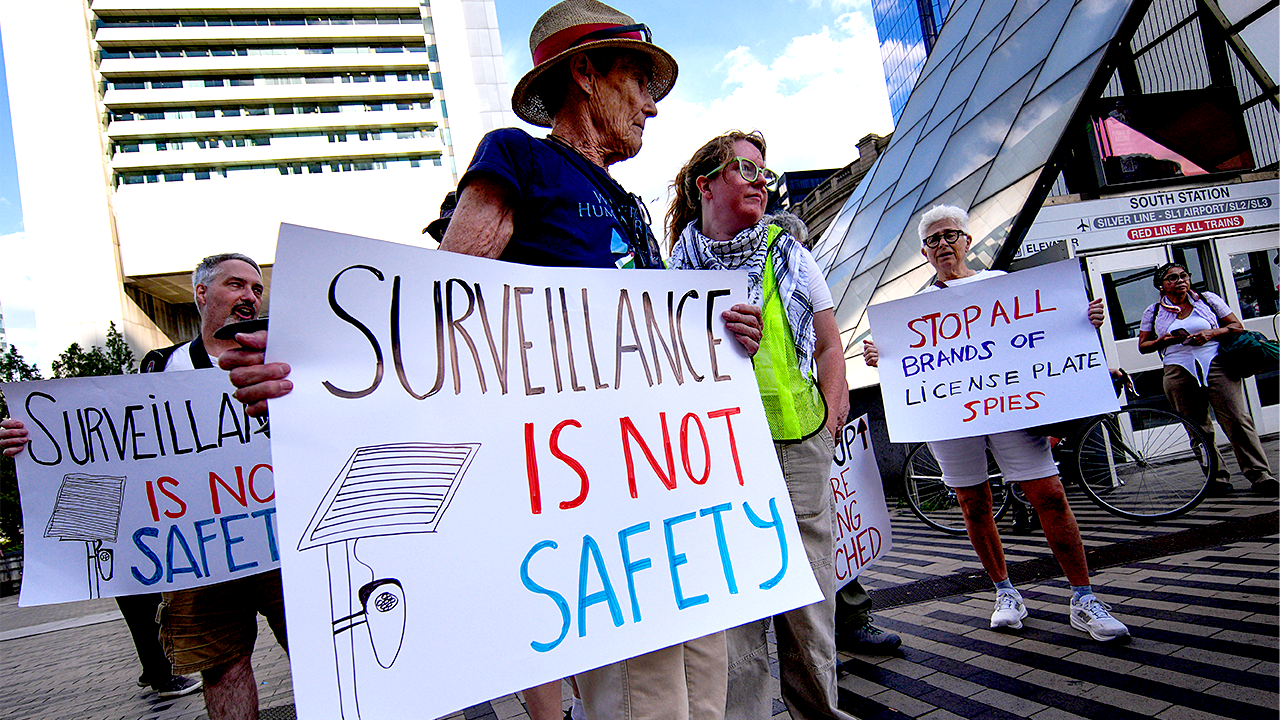
The widespread backlash against AI-powered license plate readers, which allow police to track people over time, is becoming more of a political issue as the midterm elections approach in races from Florida to Ohio and Wisconsin. asserted
elections → power → Ohio
At a press conference late last month, Pennsylvania Democratic Gov. Josh Shapiro said he believes law enforcement needs public safety tools, but Flock cameras are not among them. asserted
cameras → say → them
"I would welcome bipartisan legislation to ban these across the state," Shapiro said. asserted
Shapiro → welcome → state
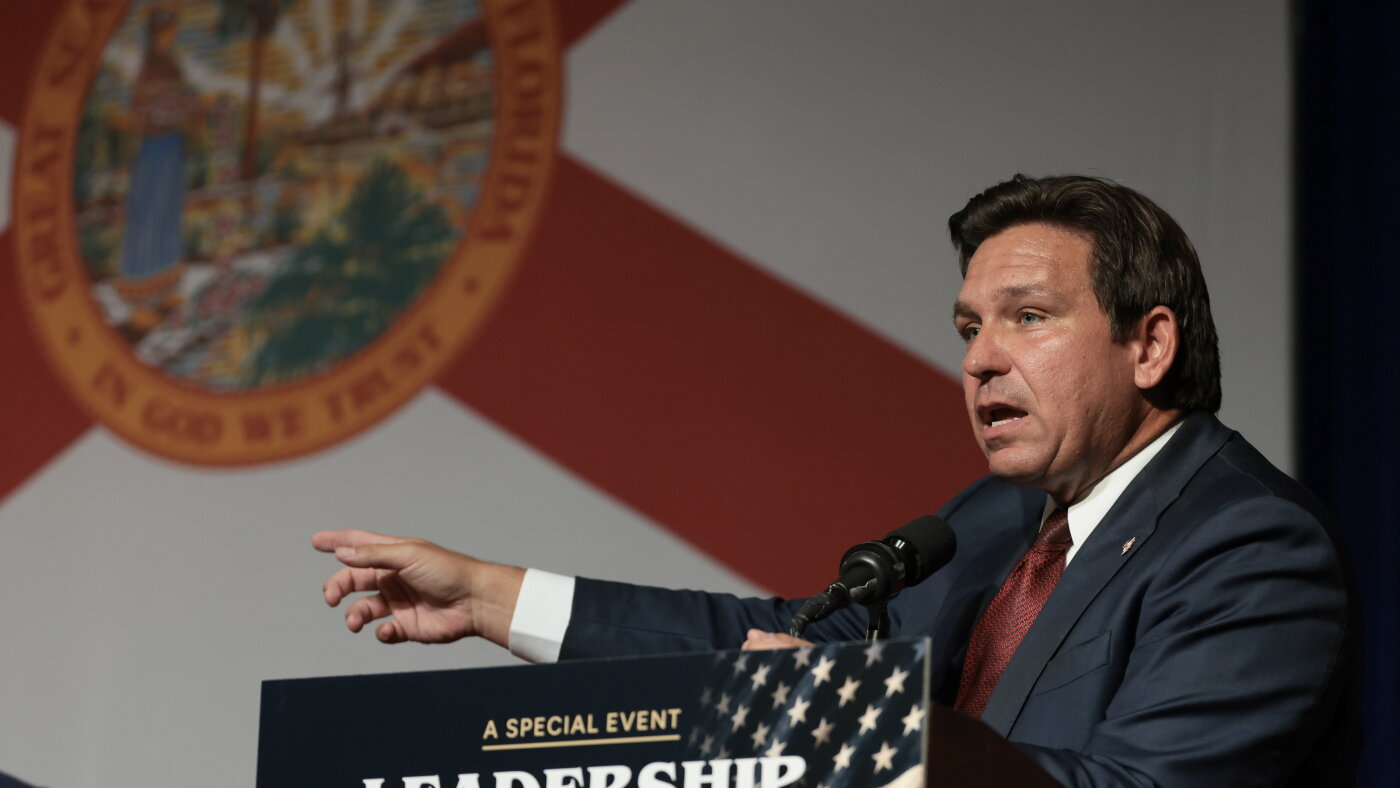
Earlier this week, Florida Republican Gov. Ron DeSantis announced plans to revoke permits for license plate readers on state highways. asserted
DeSantis → announce → highways
"I'm all about having law enforcement have tools," DeSantis said. asserted
DeSantis → have → tools
"But I don't want to have this become a surveillance state." asserted
this → want → ?
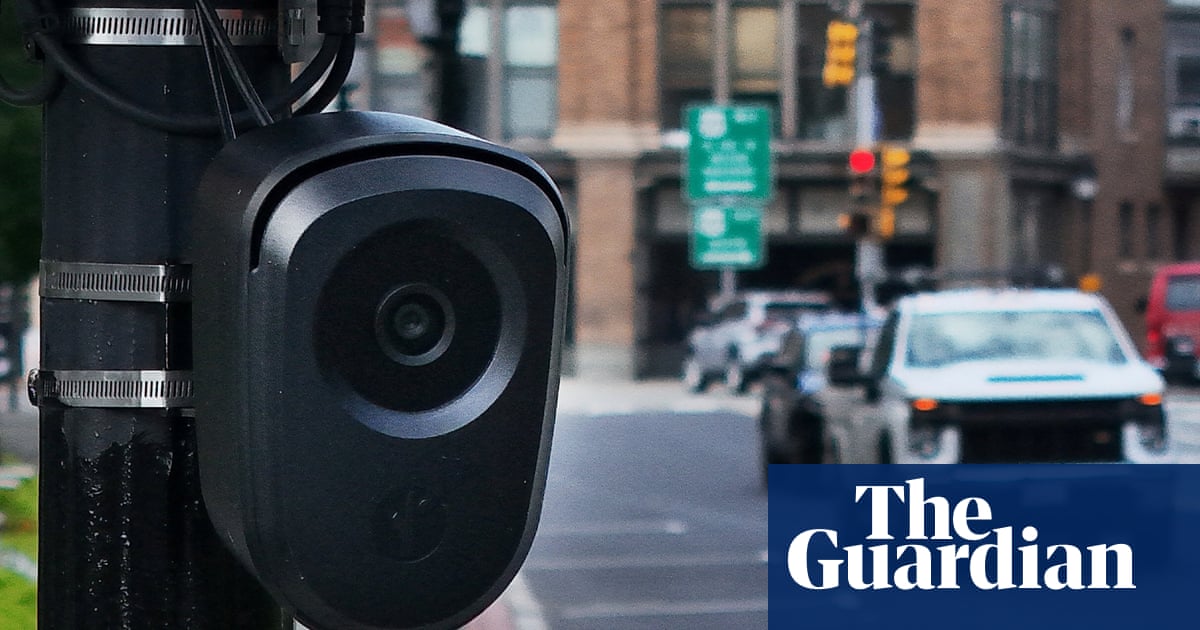
Every month, Flock cameras capture billions of license plates, along with other vehicle data. asserted
cameras → capture → data
Police say this tool helps them find stolen vehicles and missing people. asserted
them → say → vehicles
But the technology has been abused. asserted
technology → abuse → ?
Officers have used it to stalk ex-partners, for instance. asserted
Officers → use → instance
Flock recently changed some of its features to prevent abuse. But the concerns are proving sticky, and largely bipartisan. asserted
concerns → change → abuse
week, Texas Republican Gov. Greg Abbott froze state spending for the cameras. asserted
Abbott → freeze → cameras
And Senate Republicans are investigating concerns over police misuse. asserted
Republicans → investigate → misuse
Jay Stanley, a senior policy analyst at the ACLU, says a wide swath of people across the political spectrum opposes Flock cameras. asserted
swath → say → cameras
Americans have a strong distaste for government surveillance, Stanley said. asserted
Stanley → have → surveillance
"Now you have to live your life with what sociologists call the third eye that is watching you," he said, "and I think a lot of Americans don't want to live that way." asserted
lot → have → Americans
The reasons people on the left and right oppose Flock are different. asserted
people → oppose → Flock
Progressives have pointed out that the technology has been used to track immigrants and people seeking abortions. asserted
technology → point → abortions
Conservatives have warned that the cameras could be used to create a national gun registry. uncertain
cameras → warn → registry
Others, such as conservative commentator Glenn Beck, say it's a form of government overreach. asserted
it → say → overreach
"You cannot allow this to happen. asserted
this → allow → ?
We are creating a panopticon," he said, referring to a circular prison design that allows a single guard to see all the inmates at once. asserted
guard → create → inmates
Many people find that unsettling, regardless of political party. asserted
that → find → party
Recent polling shows that more Americans now disapprove of Flock Cameras than approve of them. asserted
Americans → show → them

💬Give feedback
🕘History 🎫Support