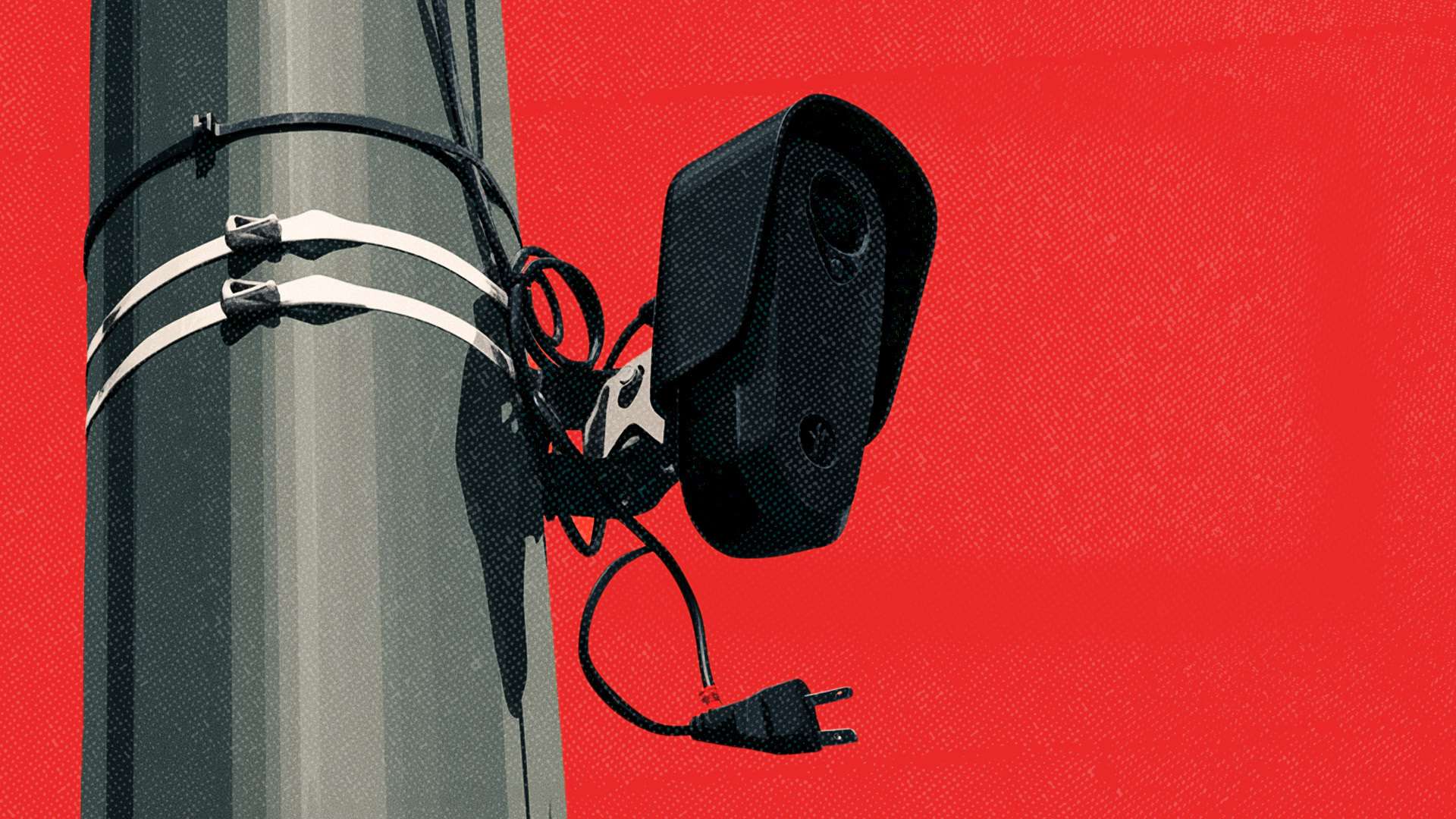
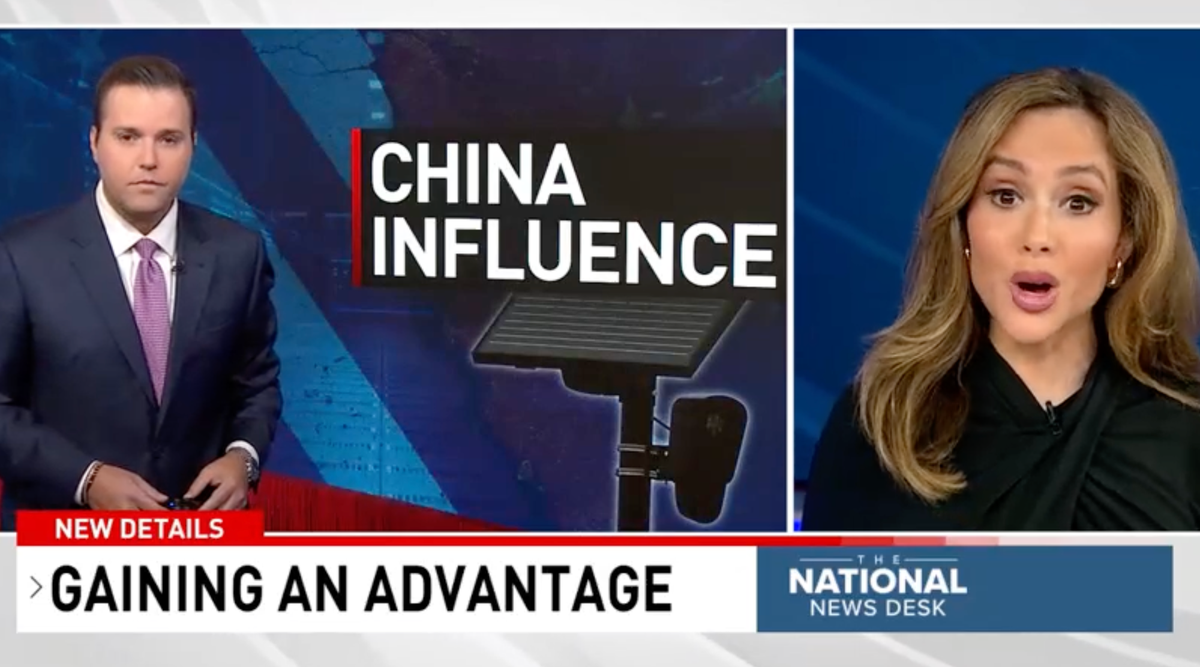
Growing factions from both sides of the political aisle in the US are pushing back against surveillance cameras made by a single company, a rare response in a sharply divided country with a president pushing an unwaveringly pro-tech agenda.
asserted
factions → grow → agenda
The bipartisan backlash against Flock Safety cameras resembles nationwide rage toward the construction of large datacenters that power artificial intelligence.
asserted
that → resemble → intelligence
Polling shows roughly 75% of Americans oppose new datacenter construction in their areas.
asserted
% → show → areas
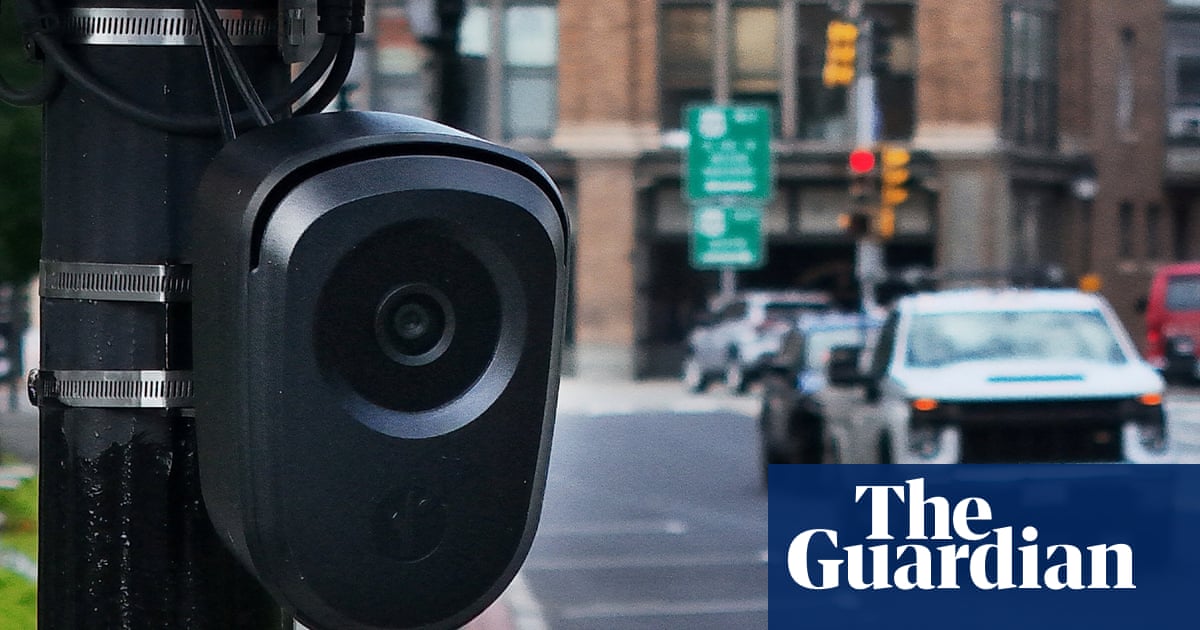
Flock’s cameras are automated license plate readers (ALPRs), which take pictures of vehicle license plates so police and security companies can log the movement of cars in a given area.
asserted
police → automate → area
There are about 120,000 Flock cameras across the US, which conduct roughly 2bn scans per month.
asserted
which → be → month
The company is staring down controversy after reports of abuses of its cameras by police officers in multiple states, who have used them to stalk ex-lovers and track people seeking abortions.
asserted
who → star → abortions
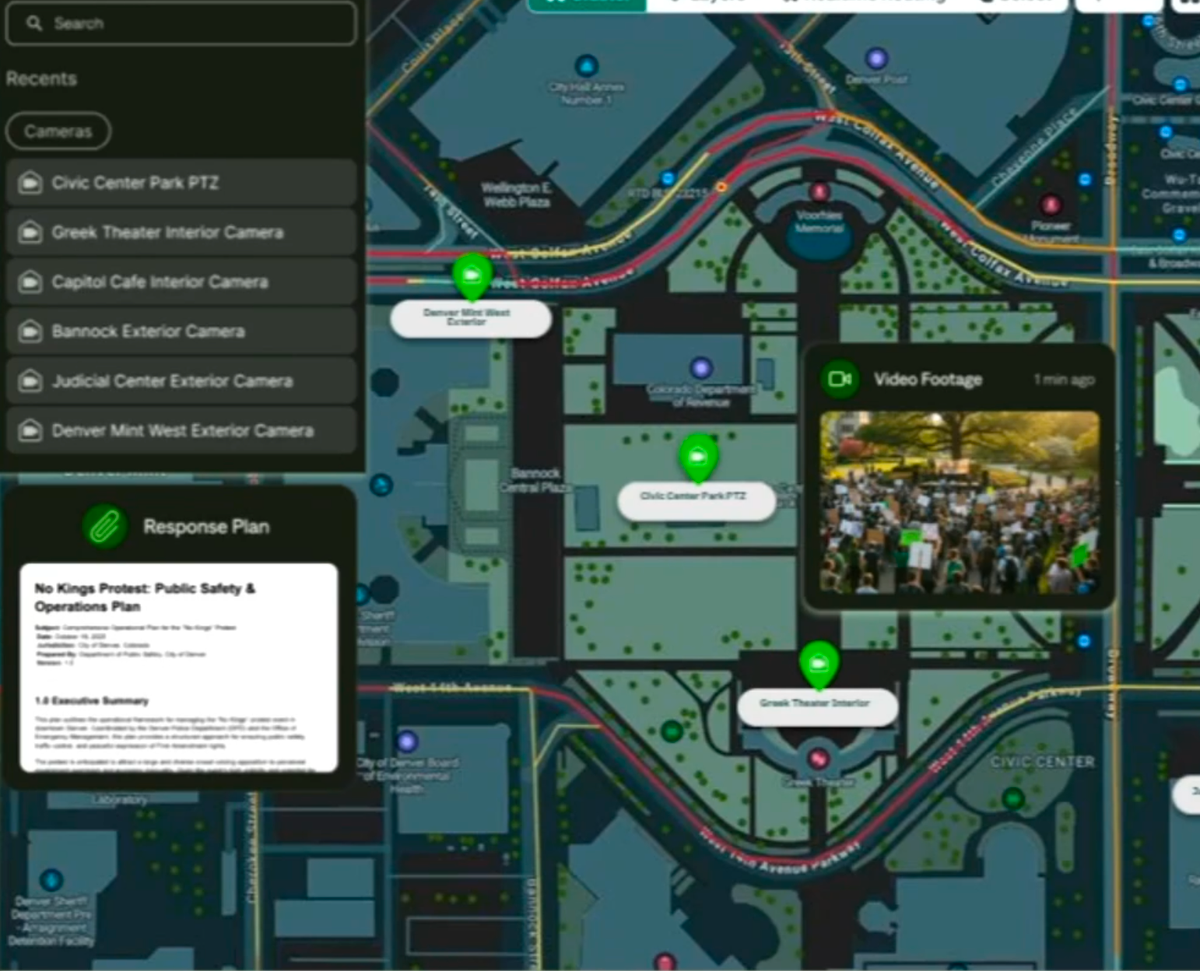
The network the cameras feed into is also frequently utilized by US Immigration and Customs Enforcement (ICE).
asserted
cameras → feed → Immigration
Data and polling from the Washington Post show that social media posts about Flock have increased since July, and about 46% of Americans oppose ALPRs being used in their community – up 13 points from the previous year.
asserted
ALPRs → show → community
Vigilantes are posting videos of themselves destroying the cameras to digital applause.
asserted
themselves → post → applause
According to privacy and surveillance experts, hatred of Flock cameras has become bipartisan.
uncertain
hatred → accord → cameras
“In my 20-plus years at the ACLU, I’ve never really seen such a grassroots uprising against surveillance technology like this,” said Jay Stanley, a senior policy analyst at the American Civil Liberties Union (ACLU).
asserted
Stanley → see → Union
“On the left, there’s a historical memory of law enforcement spying on and interfering with advocates for social change …
asserted
enforcement → ’ → change
Both liberal and conservative politicians are pushing back against Flock cameras.
asserted
politicians → push → cameras
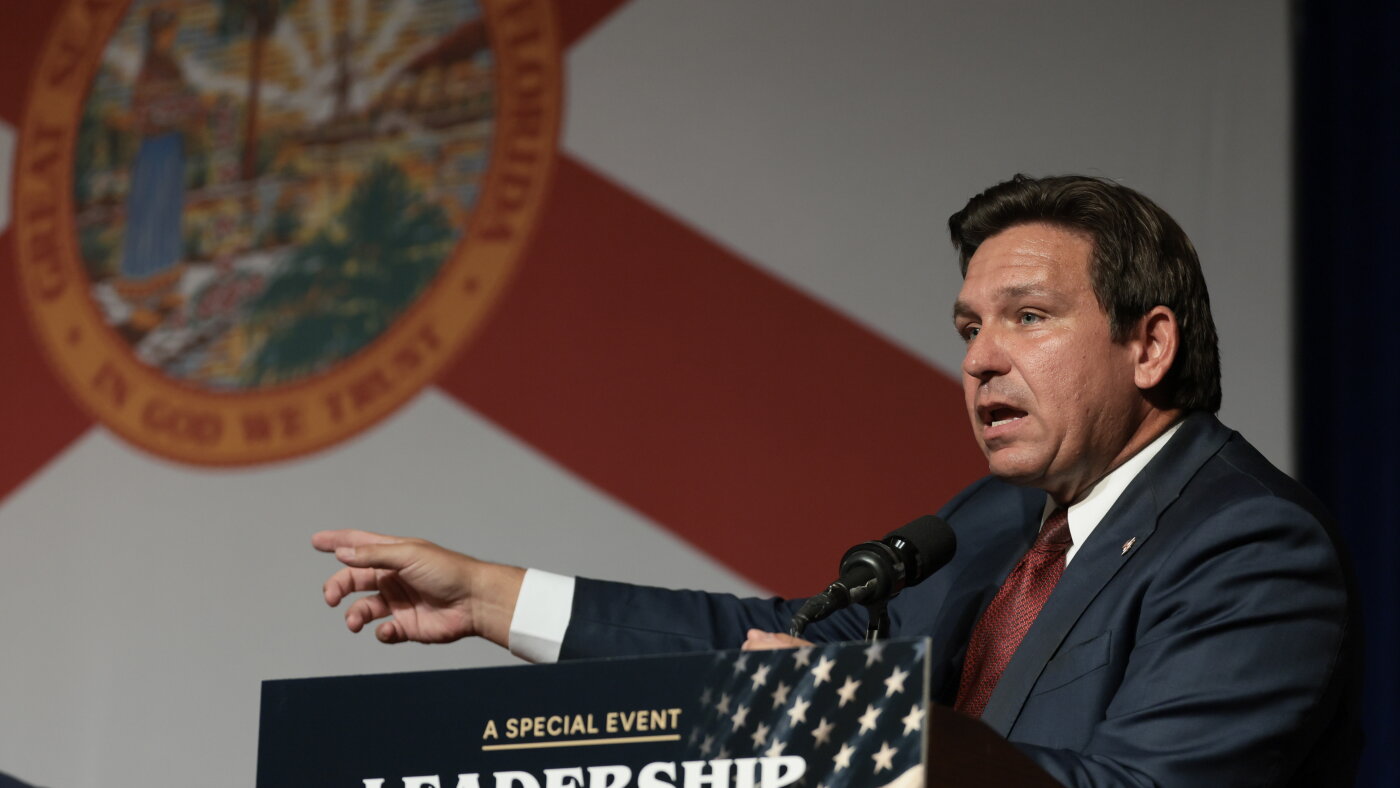
Greg Abbott, Texas’s Republican governor, blocked state agencies from procuring Flock products.
asserted
Abbott → block → products
On the other side of the political spectrum, Bernie Sanders, the progressive US senator, is promising to introduce legislation to restrict the use of Flock cameras.
asserted
Sanders → promise → cameras
Republican senator Josh Hawley has launched an investigation into potential Flock privacy abuses, and Democratic congressman Ro Khanna is cosponsoring a bill with Republican congressman Thomas Massie to prevent federal funds from being used to purchase Flock cameras.
asserted
Khanna → launch → cameras
Municipal leaders of all political stripes are dropping contracts with Flock, though sometimes they replace the license plate readers with another brand of camera and continue the surveillance.
asserted
they → drop → surveillance
We reached out to Flock Safety for a statement and did not receive a response before publishing.
asserted
We → reach → publishing
This appears to be an unusual case where politicians are getting on the same side of a hot-button issue.
asserted
politicians → appear → issue
“Privacy, to some extent, is bipartisan,” said Matthew Guariglia, a senior policy analyst at the Electronic Frontier Foundation.
asserted
Guariglia → say → Foundation
“When you put up these cameras, they last longer than the current administration.
asserted
they → put → administration
You might trust the people in power now who put them up – but are you going to trust the next people who get access to that equipment?”
uncertain
who → trust → equipment
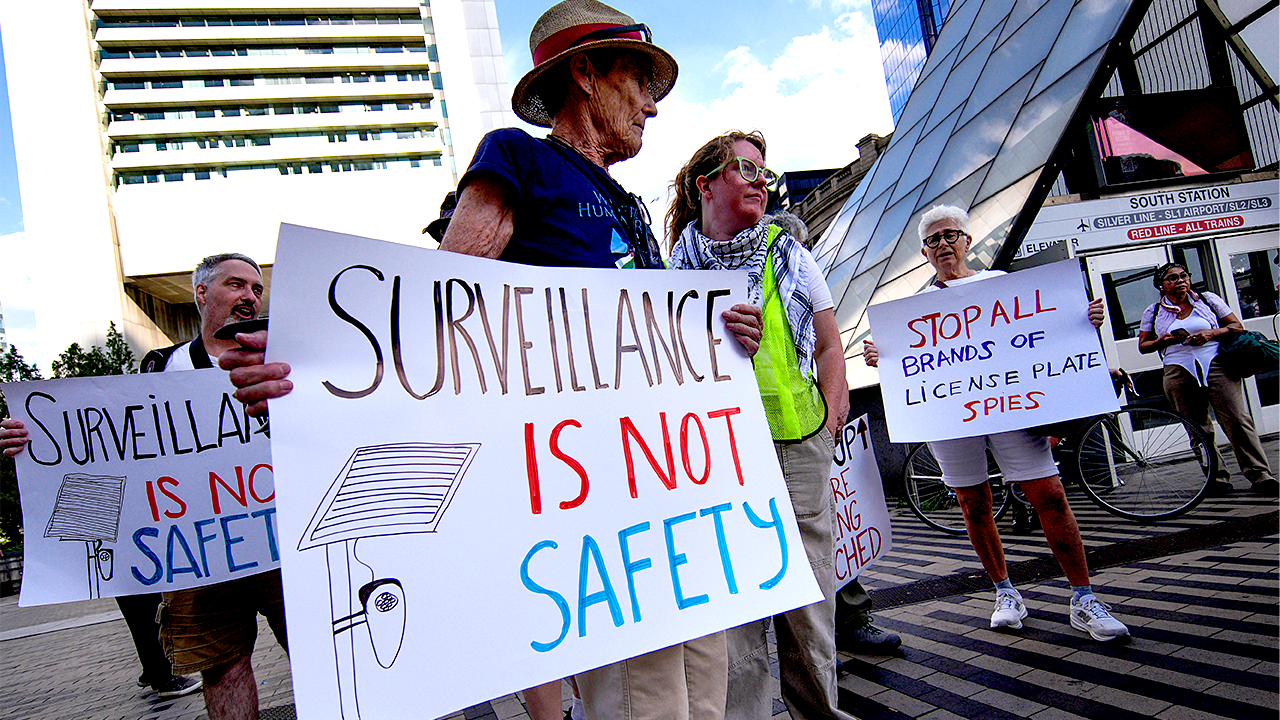
Americans have been showing up at town hall meetings by the dozen over the past six months or so, and there have been numerous protests
asserted
Americans → show → months
More than 100 jurisdictions have canceled their contracts so far, according to data from the non-profit Institute for Justice.
uncertain
jurisdictions → cancel → Justice
An organization called DeFlock, founded in 2024, hopes to increase the numbers by compiling a map of the cameras’ locations.
asserted
organization → call → locations
While ALPRs aren’t new, Flock, founded in 2017, has made them far more prevalent than they used to be.
asserted
they → found → 2017
The company’s software allows disparate law enforcement agencies to share data with one another, meaning a license plate scan by a police department in one state could easily and quickly be used in another.
uncertain
scan → allow → another
“Flock represents tech companies in bed with governments, doing the exact stuff people have become distrustful of and resentful about for the past few decades.
asserted
people → represent → decades
It feels like it’s finally hit the boiling-over point,” said Woodrow Hartzog, a professor of law and computer science at Boston University.
asserted
Hartzog → feel → University
Hartzog predicts the actions against Flock Safety will continue at the state and local level amid this growing popular outrage.
asserted
actions → predict → outrage
He expects people are going to stay angry about the issue, and politicians will have to respond.
asserted
politicians → expect → issue
“The pushback we’re seeing against Flock cameras is one of the most vivid illustrations I can think of that surveillance is not inevitable – that these tools aren’t inevitable,” Hartzog says.
asserted
Hartzog → see → illustrations
“It’s up to all of us to stop them.”
asserted
It → ’ → them
 The Aporia