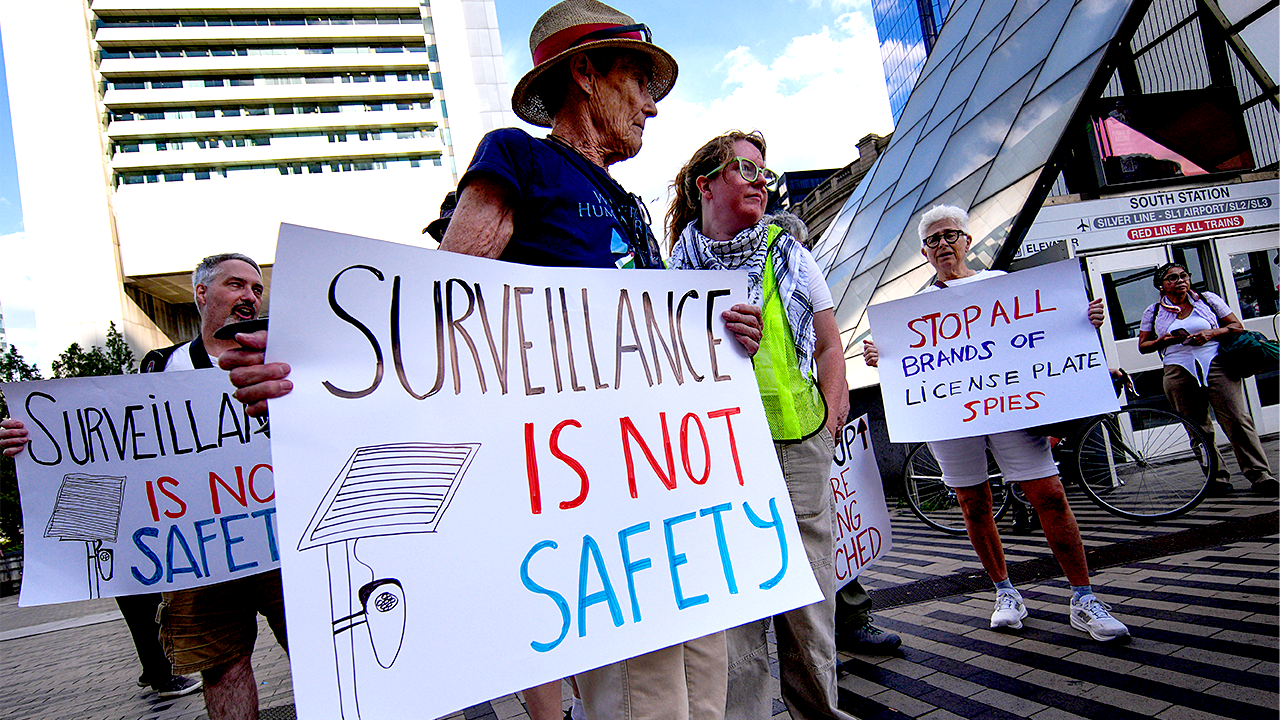
AI-powered surveillance cameras are spreading in Canada

Read the original at CBC News ↗
Cite

AI-powered surveillance cameras are spreading in Canada. (2026, September 5). CBC News. https://www.cbc.ca/player/play/9.7333425?cmp=rss

Dated when The Aporia collected the article, usually within hours of publication. Check the original for its exact date and byline.

CBC News · collected 2026-09-05

Quick Summary

A US-based company called Flock Safety uses AI-powered surveillance cameras for licence plate recognition, but its technology hasn't been deployed in Canada yet. The use of such cameras by municipalities and law enforcement agencies has sparked controversy in North America, with some critics labeling them a tool for mass surveillance. No specific numbers or details are provided about the number of ALPR cameras in Canada or their operation. The article highlights growing awareness about AI-powered surveillance cameras in Canada, raising questions about local companies that make similar technology.
Written locally by qwen2.5:14b on 2026-09-06, using this article's own text rather than the other coverage of the same event (that is the story summary below).

AI analysis runs on qwen2.5:14b, locally

Story summary

AI-powered surveillance cameras are being installed across Canada, with some critics arguing that they enable "mass surveillance". Flock Safety, a US-based company, is at the center of the debate, although it has not yet used its technology in Canada. The controversy surrounds automatic licence plate recognition (ALPR) cameras, which have raised concerns among citizens and lawmakers about their use by municipalities and law enforcement agencies. Despite Flock Safety's technology not being used in Canada, growing awareness of these AI-powered cameras is sparking questions about how Canadian companies that make similar ALPR cameras operate.

Written for “Canada's Surveillance State Grows” on 2026-10-21, grounded in this article and the 0 other(s) covering the same event.

Story

📰 Canada's Surveillance State Grows
Crime & Law · 1 article(s) covering the same event.

Compared with similar articles

This article reads leans left and hedges 0% of its claims. Each row says how that neighbour differs.
NPR
⚖️ Leans left 🔴 4% hedged 1 of 26 📰 publisher trust 60
“Article B mentions that Flock Safety's tech has yet to be used in Canada, implying a different location and possibly context than Article A”
404 Media
⚖️ Leans strongly right further right than this 🔴 5% hedged 2 of 43 📰 publisher trust 95
“Article A refers to a webinar that took place last year, while Article B mentions Flock Safety's technology being used in Canada but does not specify a recent development”
Fox News
⚖️ leaning not scored 🔴 14% hedged 3 of 21 📰 publisher trust 67
“Article A mentions a network protesting against Flock cameras and data centers, while Article B discusses AI-powered surveillance cameras spreading in Canada with a focus on Flock Safety's technology”
404 Media
⚖️ Leans strongly left further left than this 🔴 6% hedged 1 of 17 📰 publisher trust 95
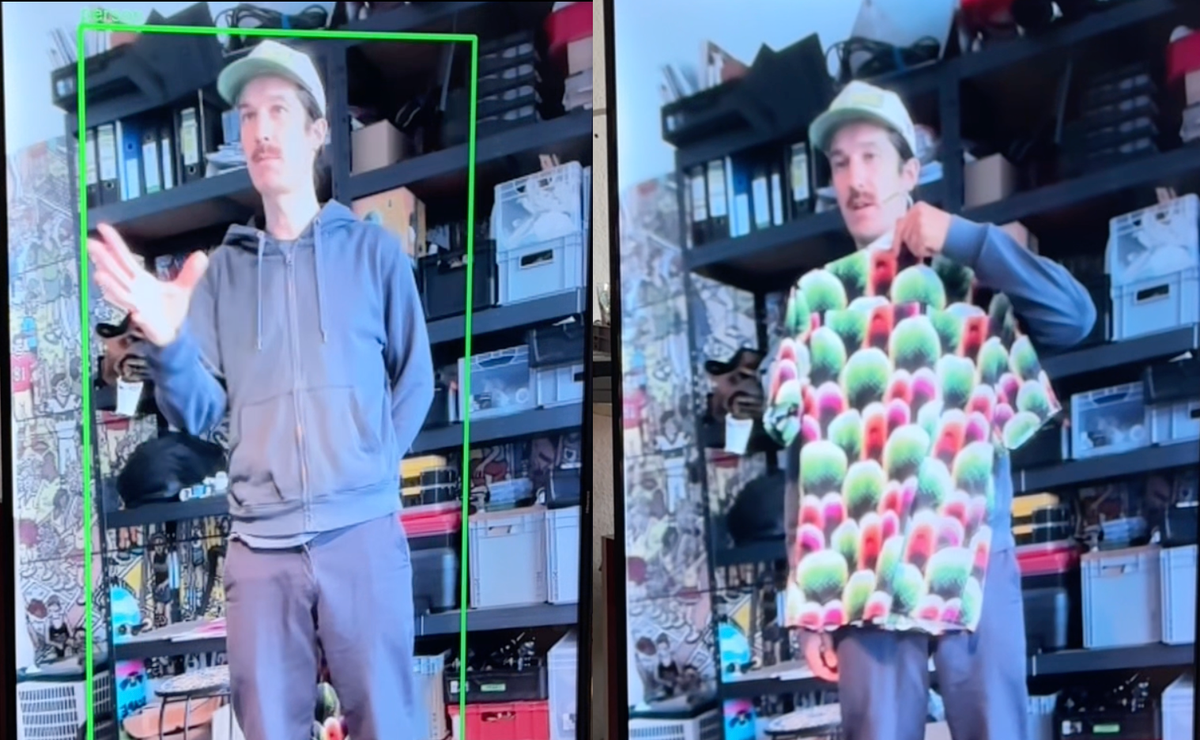
“Article B appears to be a general news article about AI-powered surveillance cameras in Canada, while Article A describes an experiment with digital camouflage shirts in front of such cameras”
Reason
⚖️ leaning not scored 🔴 8% hedged 4 of 51 📰 publisher trust 67
“Article A discusses the spread of AI-powered surveillance cameras in Canada, while Article B introduces a bill to bar federal funding for ALPRs and criticizes Flock Safety, indicating two related but distinct topics”
How this article was measured signals, leaning charts, publisher record, byline, topics and claims

Signals How these are calculated →

Claims extracted
2
sentences that state something as happening or true
Uncertain
0%
0 of 2 hedged ("reportedly", "may", "according to")
Leaning
Leans left
of the writing, not the subject · beta estimate
Publisher signals
74/100
CBC News's corrections and hedging, across everything collected from it. Not a measure of accuracy.
Outlets on this story
1
Crime & Law
Same framing elsewhere
1
articles that frame the event the way this one does
Analyzed 2026-09-06 · how these are computed

How this is being covered How these are calculated →

Article leaning vs. publisher reliability
Source leaning vs. consistency

Publisher

CBC News · 1422 article(s) · 5 correction(s) detected
Running correction rate · 5 correction(s)

Who wrote this

No reporter is named on this article.

Topics

Canada Canadian Flock Safety

Subjects

Canada GPE · 2× Canadian NORP · 1× Flock Safety ORG · 1×

Narrative

AI-powered surveillance cameras are spreading in Canada Automatic licence plate recognition cameras are in the spotlight as citizens across North America question their use by municipalities and law enforcement agencies — with some critics calling them a tool for ‘mass surveillance.’
framing: assertive · carried by 1 article(s) · first seen 2026-09-06
2026-09-06 · CBC News
AI-powered surveillance cameras are spreading in Canada · assertive framing

Claims (2 extracted, 0 hedged)

AI-powered surveillance cameras are spreading in Canada Automatic licence plate recognition cameras are in the spotlight as citizens across North America question their use by municipalities and law enforcement agencies — with some critics calling them a tool for ‘mass surveillance.’ asserted
critics → power → surveillance
One company in particular, Flock Safety, has found itself at the heart of the debate and while the company’s tech has yet to be used in Canada, greater awareness about these AI-powered cameras is raising questions about how Canadian ALPR camera makers operate. asserted
makers → find → questions
💬Give feedback
🕘History 🎫Support