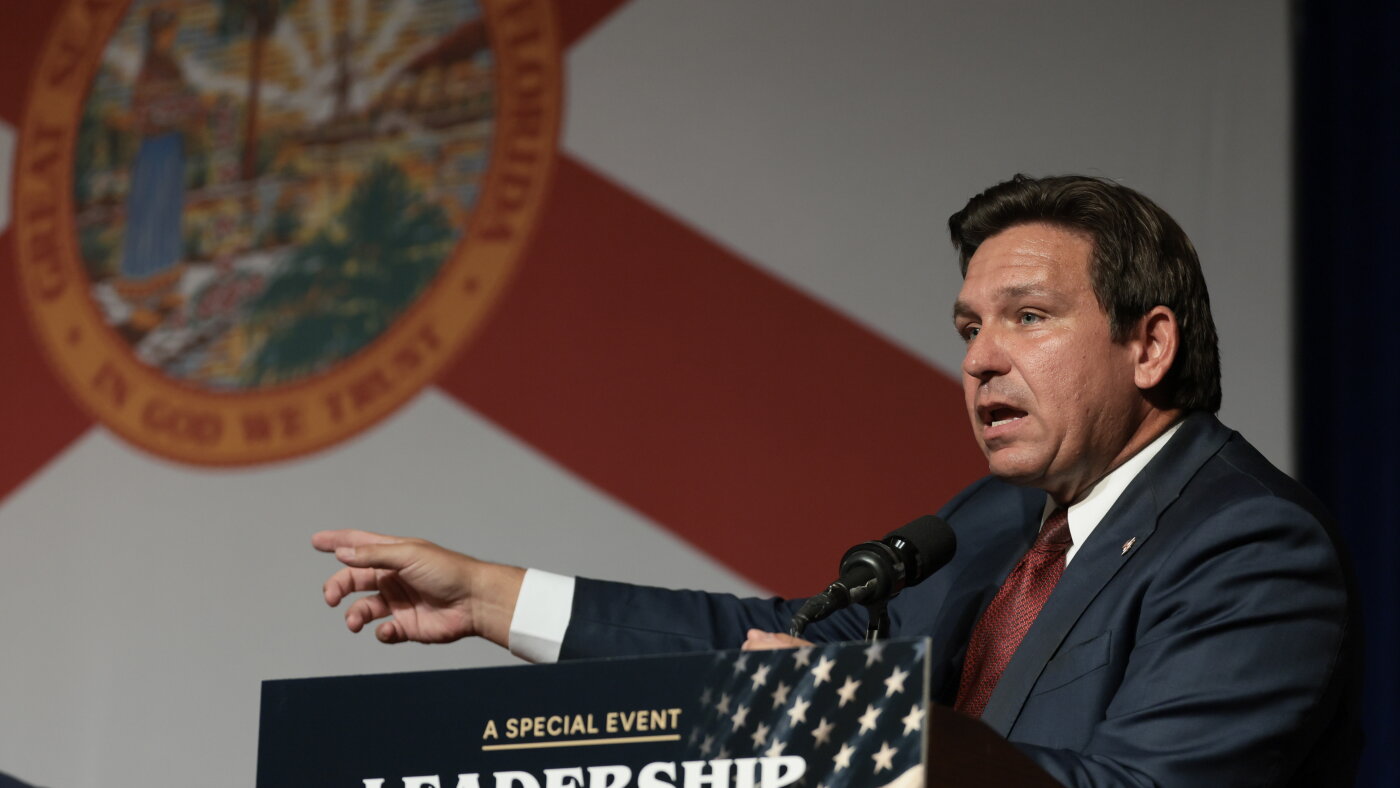
Last month, Texas Gov. Greg Abbott froze state funding for automated license plate readers (ALPRs), acknowledging concerns about the warrantless surveillance enabled by such AI-assisted cameras.
asserted
Abbott → freeze → cameras
Abbott took that step the day after Florida Gov. Ron DeSantis, a fellow Republican, declared that ALPRs are "out of control."
asserted
ALPRs → take → control
Both governors cited recent reports about police officers accused of using ALPR data for personal purposes, which seem to be driving a shift in public opinion about the technology.
asserted
which → cite → technology
Such incidents highlight the perils of giving cops across the country easy access to such data, which they can use to track your travels, identify nearby vehicles, and even predict your itinerary, without judicial oversight or meaningful internal supervision.
asserted
they → highlight → oversight
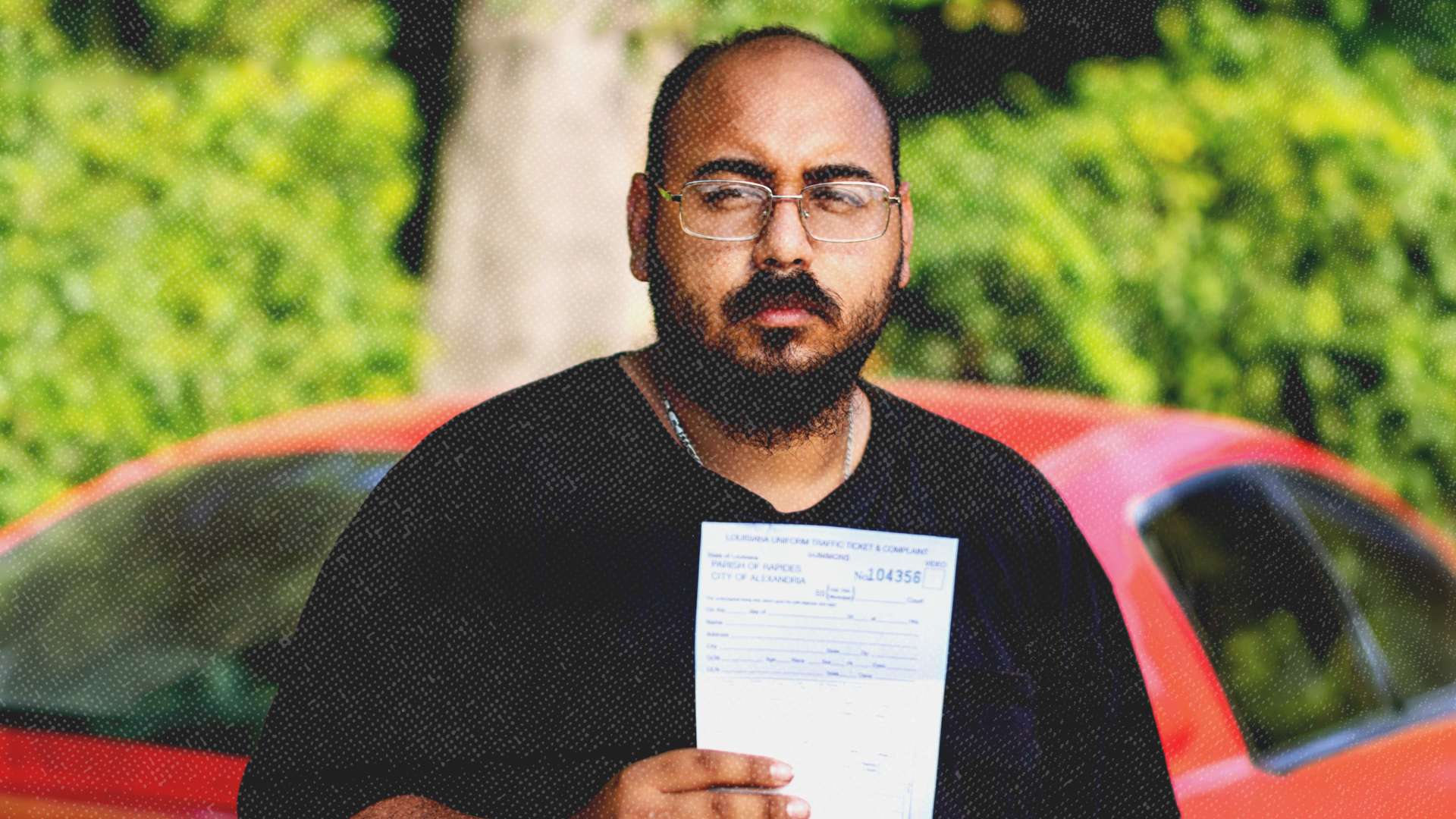
Abbott mentioned a Lufkin, Texas, police officer who was charged with using ALPR information to stalk an ex-girlfriend, her relatives, and her acquaintances more than 10,000 times.
asserted
who → mention → girlfriend
DeSantis alluded to similar cases in Florida, where officers in Sarasota and Haines City had recently been arrested for misusing ALPR data.
asserted
officers → allude → data
"When I see, like, a police officer using this to track, like, an ex-girlfriend," DeSantis said, "I'm like, you know, what the hell's going on?"
asserted
hell → see → girlfriend
Local officials are beginning to ask the same question.
asserted
officials → begin → question
As of Tuesday, the Institute for Justice counted 181 local governments that have canceled or declined to renew ALPR contracts since the beginning of 2025.
asserted
that → count → 2025
In Texas alone, The Dallas Express reports, at least 23 jurisdictions have dropped contracts, suspended service, or reduced the size of their ALPR networks.
asserted
jurisdictions → report → networks
Some 7,000 police departments have installed those networks, which include around 140,000 cameras, without giving much thought to the privacy implications or the potential for abuse.
asserted
which → instal → abuse
But some of them are now having second thoughts, reflecting rising public skepticism of unconstrained ALPR use.
asserted
some → have → use
In a YouGov survey last month, 46 percent of respondents opposed police use of ALPRs, including 31 percent who were "strongly" opposed, while 38 percent favored the practice.
asserted
percent → oppose → practice
A year ago, by contrast, YouGov found that 45 percent of Americans supported ALPRs, while 33 percent opposed them, including 20 percent who were "strongly" opposed.
asserted
who → find → percent
That reversal coincides with proliferating reports of blatant ALPR abuses.
asserted
reversal → coincide → abuses
The Institute for Justice has identified "well over 100" such incidents, which it notes "may be just the tip of the iceberg" given the reality of lax oversight and widespread data sharing.
uncertain
it → identify → oversight
Police officers are supposed to use that information, which they can access on computers or mobile phones, only for legitimate law enforcement purposes.
asserted
they → suppose → purposes
But as a Wichita police supervisor conceded in 2024, it's "not even possible" to enforce that policy by making sure that each search complies with it.
asserted
search → concede → it
Compounding that challenge, each agency typically shares ALPR information with many others.
asserted
agency → compound → others
Once that happens, The Wichita Eagle noted in 2022, local police officials have "no control over how those outside agencies use it and no way to flag unlawful searches."
asserted
agencies → happen → searches
In Norfolk, Virginia, a local radio station reported last April, police officers often give "incomplete and imprecise reasons" for ALPR searches, including "suspect," "suspicious," and "investigation" or "inv."
asserted
officers → report → suspect
Such vague labels hardly seem consistent with a state law requiring that cops state a "specific purpose," including "the offense type," thereby providing enough information to determine whether a search is legitimate.
asserted
search → seem → information
"The police cannot police themselves," says Institute for Justice attorney Robert Frommer.
asserted
Frommer → police → Justice
His organization argues that a warrant generally should be required to access ALPR data—a policy it aims to establish by challenging ALPR networks on Fourth Amendment grounds and urging states to enact protective legislation.
asserted
it → argue → legislation
The congressional response to ALPRs, including several bills and an investigation that Sen. Josh Hawley (R–Mo.) announced last month, has been dominated by conservative Republicans, which confirms that the backlash is not limited to libertarian or left-leaning critics.
asserted
backlash → include → critics
Whether it will yield effective constraints is another question.
asserted
yield → yield → constraints
ALPRs are "easily containable," Abbott says, a bit overoptimistically.
asserted
Abbott → say → ?
"They're going to be required to be used responsibly if they're used at all."
asserted
they → go → ?
 The Aporia