That is 0 articles you have read today.
The Aporia is free and carries no advertising, so readers are the only
thing paying for it. If you are getting this much out of it, a small
donation is what keeps it independent.
Daily limit reached
You have read 0 articles today.
That is more than the 15 a day The Aporia gives away,
and well past what it can carry on nothing. Your allowance resets at
midnight.
There is no advertising here and nothing about you is sold, so readers
are the only thing paying for it. If the site is worth this much of
your day, it is worth a few dollars.
Everything else stays open: the
maps, the
directory and
search do
not count against this, and neither does re-opening something you have
already read today.
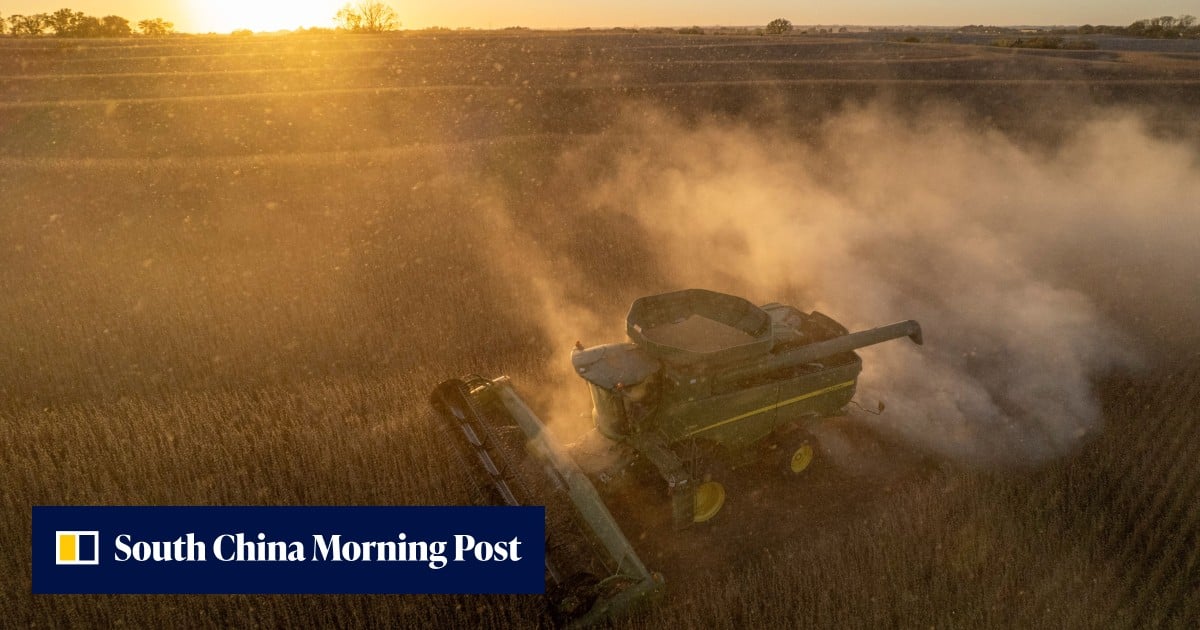
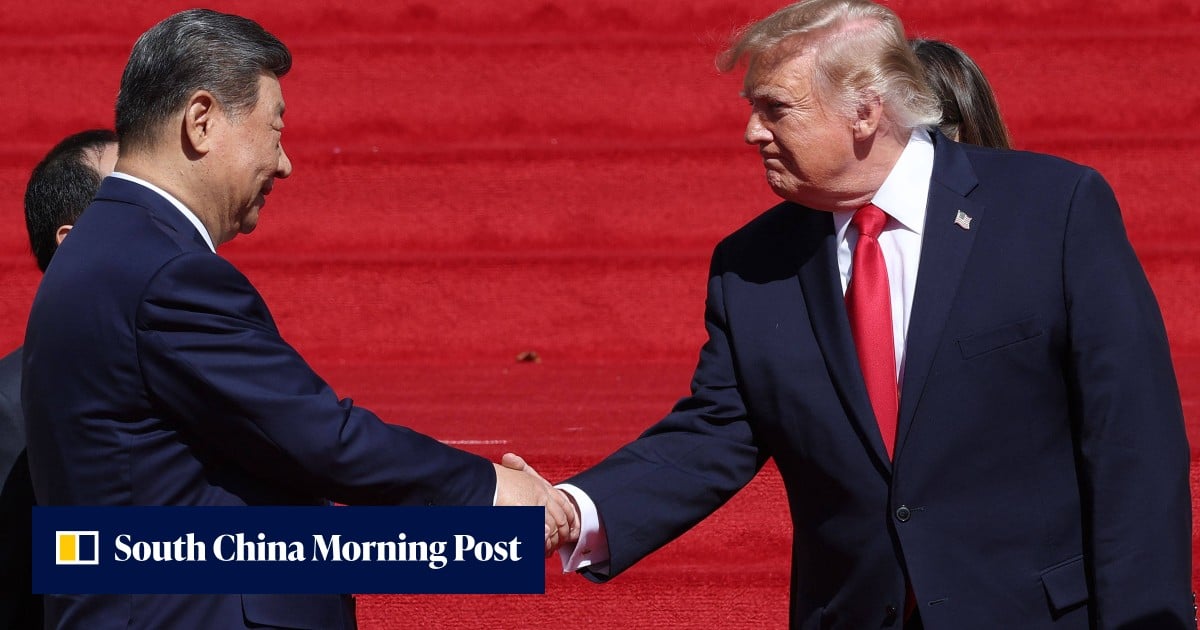
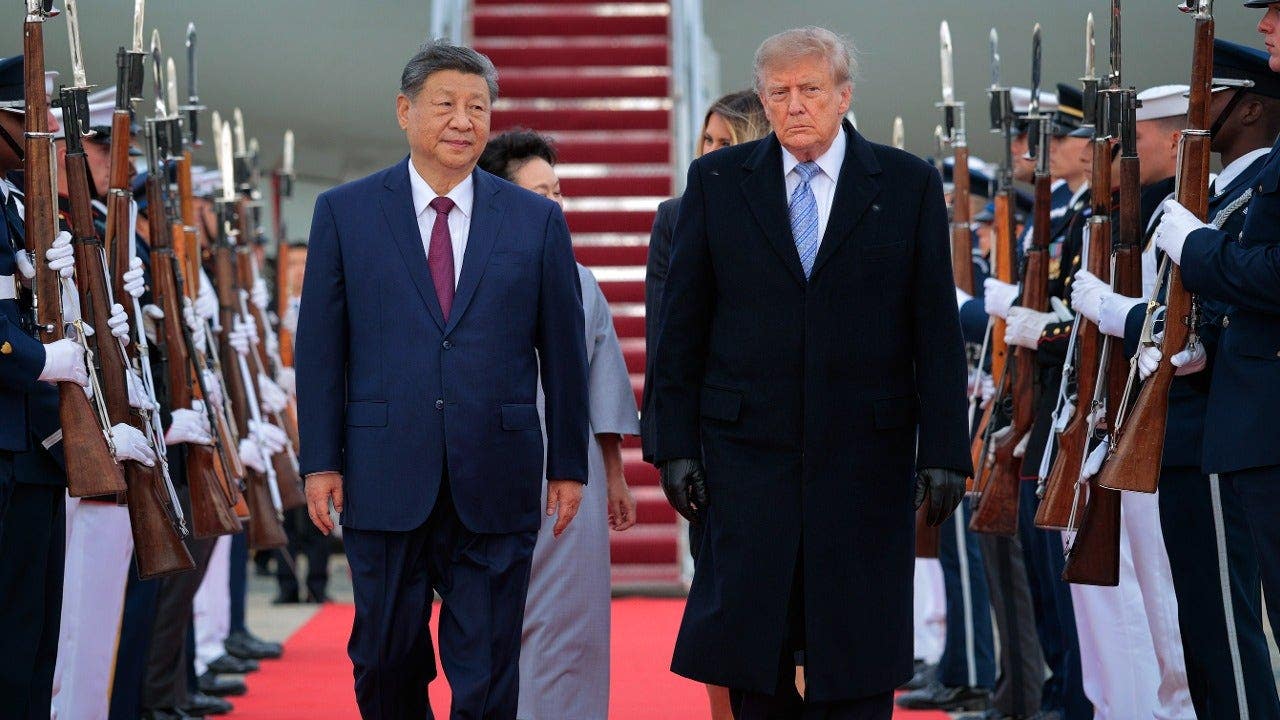
China plans to reduce tariffs on various U.S. agricultural products including corn, wheat, meat, and dairy starting from Monday, September 28, 2026. Notably excluded are soybeans, which face a continued 10% tariff. The move follows the recent Washington summit between Chinese leader Xi Jinping and U.S. President Donald Trump, aimed at stabilizing economic ties with a trade council to discuss reciprocal tariff cuts on $30 billion worth of products. Agricultural trade in the affected items was valued at about $17 billion in 2024, excluding soybeans.
Written locally by qwen2.5:14b on 2026-09-28,
using this article's own text rather than the other coverage of the
same event (that is the story summary below).
Story summary
Before the Xi-Trump summit last week, analysts expected soybeans to be included in tariff-reduced arrangements between China and the U.S., but China excluded them from a tariff-reduction list released on September 28, 2026, despite cutting tariffs on other agricultural goods like corn, wheat, meat, and dairy. This decision disappointed American farmers, such as John Bartman, an Illinois-based soybean farmer who called it "a missed opportunity." U.S. soybeans still face an additional tariff of 10%, which traders say is too high for private crushers to absorb, even as Chinese state buyers have stepped up purchases. Despite this exclusion, both sides agreed to form a trade council to discuss reciprocal tariff cuts on $30 billion worth of products and stabilize economic ties.
Written for “US-China Tariff Cuts Deal” on 2026-10-05,
grounded in this article and the 283 other(s) covering the same event.
China is set to cut tariffs on a broad range of U.S. agricultural goods, from corn and wheat to meat and dairy, but top import item soybeans were excluded from a tariff-reduction list its Commerce Ministry issued on Monday (September 28, 2026).
asserted
Ministry → set → Monday
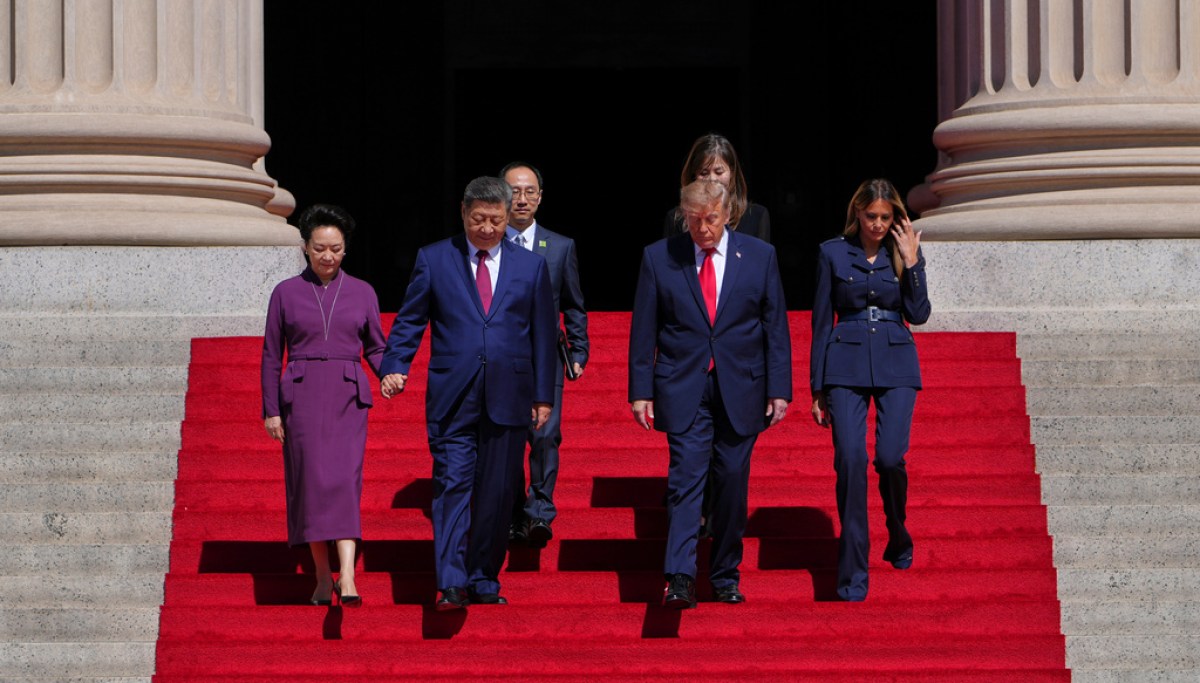
Markets have been waiting for news on Chinese tariff cuts on U.S. farm goods following last week's Washington summit of leaders Xi Jinping and Donald Trump.
asserted
Markets → wait → Jinping
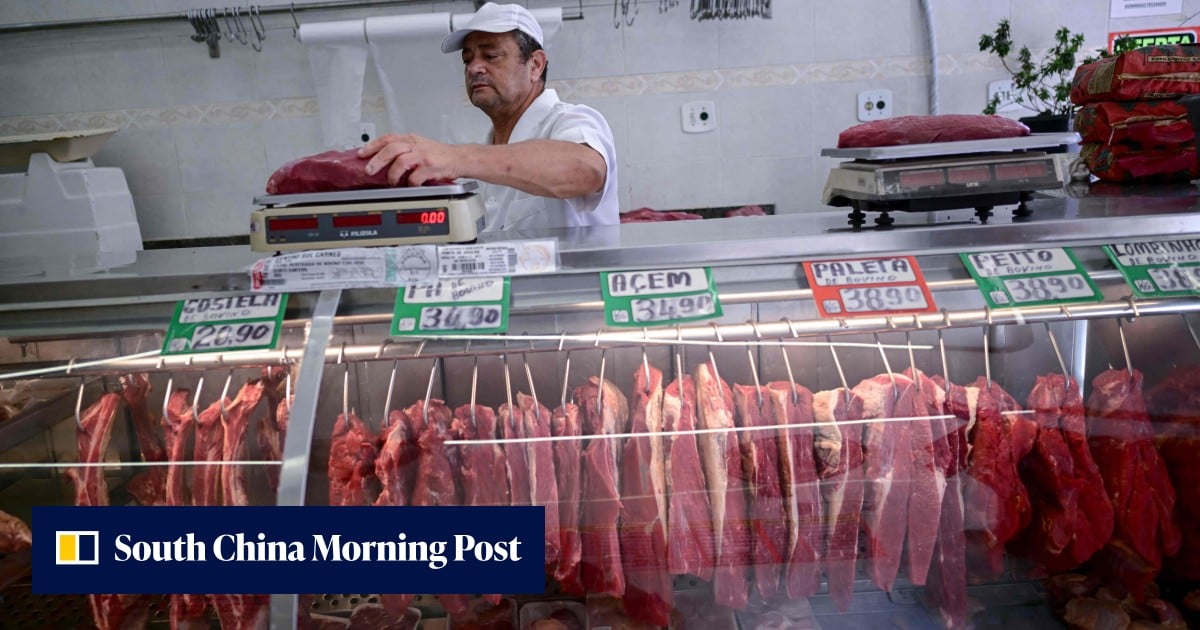
The list covers sorghum, vegetable oils, and meals, including soyoil and soymeal, along with meat, dairy products, and other items, the Commerce Ministry said.
asserted
Ministry → cover → meat
U.S. soybeans, however, still face an additional tariff of 10%, which traders have warned is too high for private crushers to absorb, even as Chinese state buyers have stepped up purchases.
asserted
buyers → face → purchases
Both sides have agreed to form a trade council, whose first task will be to discuss a reciprocal tariff cut on $30 billion worth of products, in a bid to ensure stable economic and trade ties.
asserted
task → agree → ties
Chinese state-run agricultural companies Sinograin and COFCO have bought more than 12 million metric tons of U.S. soybeans, nearly half the 25 million the White House has said Beijing committed to buying annually through 2028.
asserted
Beijing → buy → 2028
Trade in the agricultural and related products on Monday's (September 28, 2026) list stood at about $17 billion in 2024, roughly matching China's reported purchase commitment, excluding soybeans, according to Reuters calculations.
uncertain
Trade → stand → calculations
In May, the White House said Beijing had agreed to buy that volume annually through 2028, but China has yet to confirm any target for such purchases.
uncertain
China → say → purchases
 The Aporia