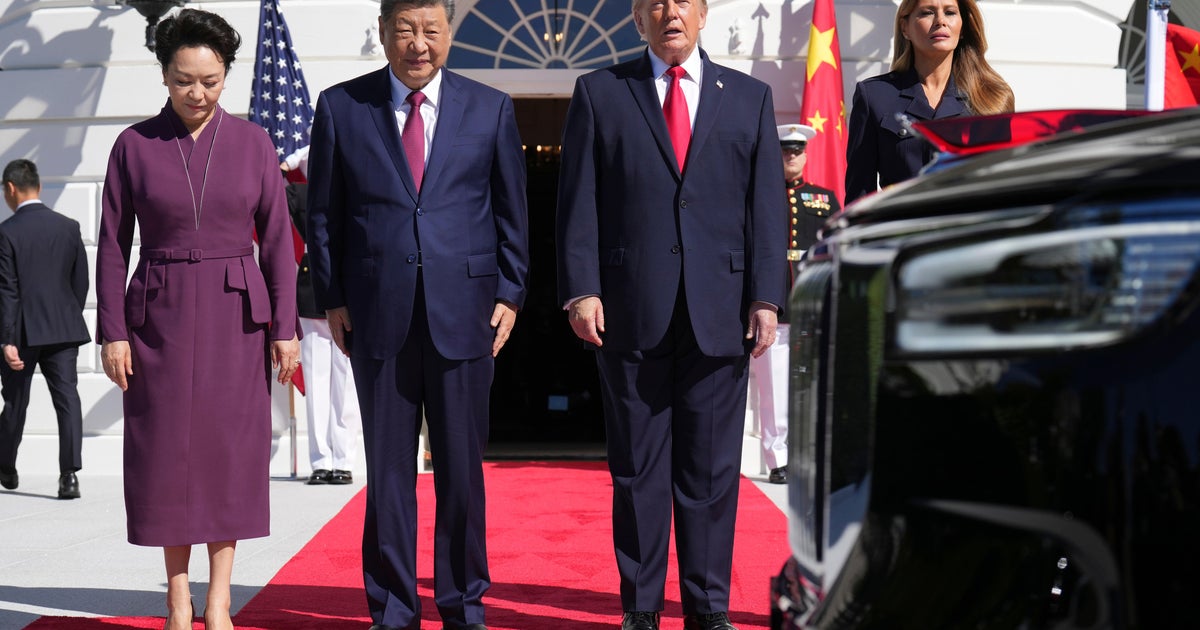
During President Donald Trump's state visit with Chinese President Xi Jinping in Washington, D.C., the two leaders agreed to a tariff deal covering $30 billion worth of goods, including favorable trade conditions for American agricultural products and Chinese small appliances. The agreement extends their existing trade truce until January and includes commitments on U.S. coal exports to China totaling at least 10 million metric tons in 2027 and 2028. Trump also announced plans for future meetings in November in China and during the G20 summit in Miami, Florida, in December.
Written locally by qwen2.5:14b on 2026-10-02,
using this article's own text rather than the other coverage of the
same event (that is the story summary below).
Story summary
Before the Xi-Trump summit last week, analysts expected soybeans to be included in tariff-reduced arrangements between China and the U.S., but China excluded them from a tariff-reduction list released on September 28, 2026, despite cutting tariffs on other agricultural goods like corn, wheat, meat, and dairy. This decision disappointed American farmers, such as John Bartman, an Illinois-based soybean farmer who called it "a missed opportunity." U.S. soybeans still face an additional tariff of 10%, which traders say is too high for private crushers to absorb, even as Chinese state buyers have stepped up purchases. Despite this exclusion, both sides agreed to form a trade council to discuss reciprocal tariff cuts on $30 billion worth of products and stabilize economic ties.
Written for “US-China Tariff Cuts Deal” on 2026-10-05,
grounded in this article and the 283 other(s) covering the same event.
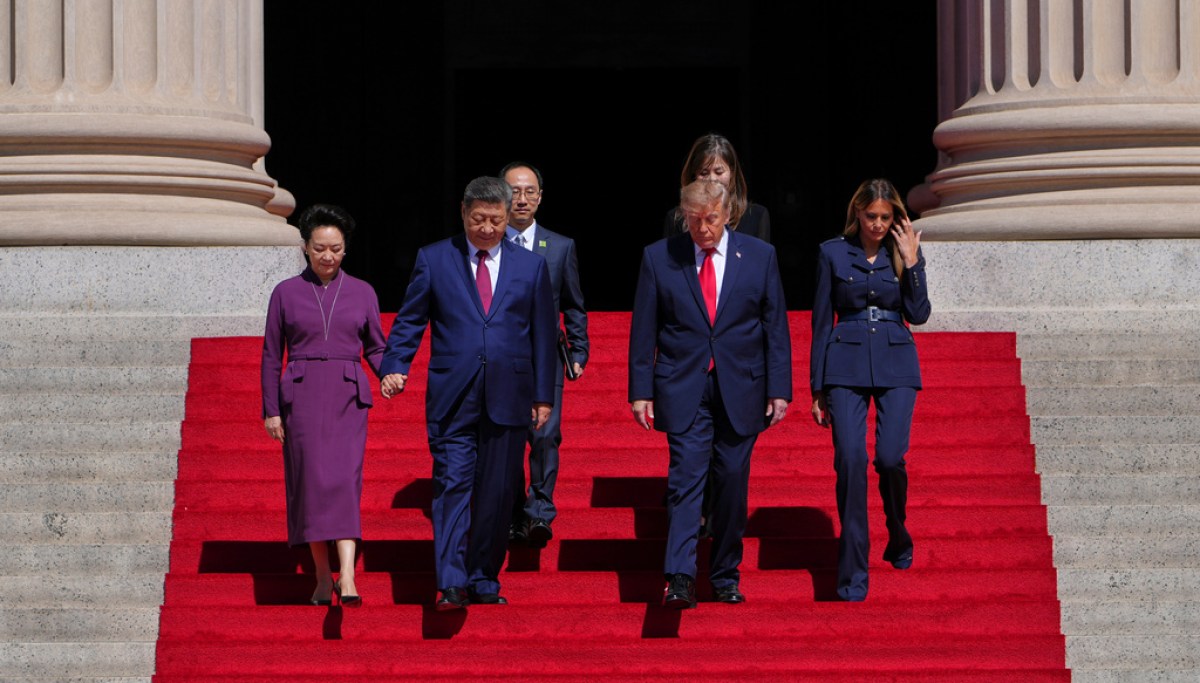
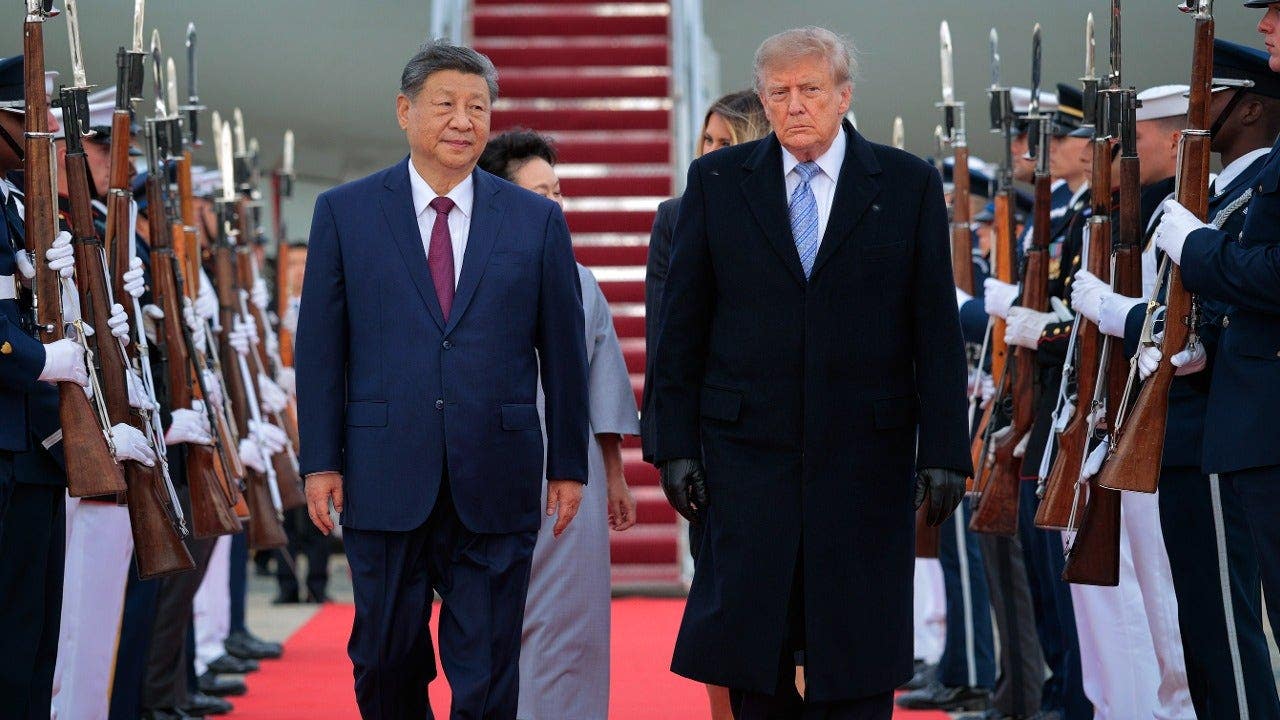
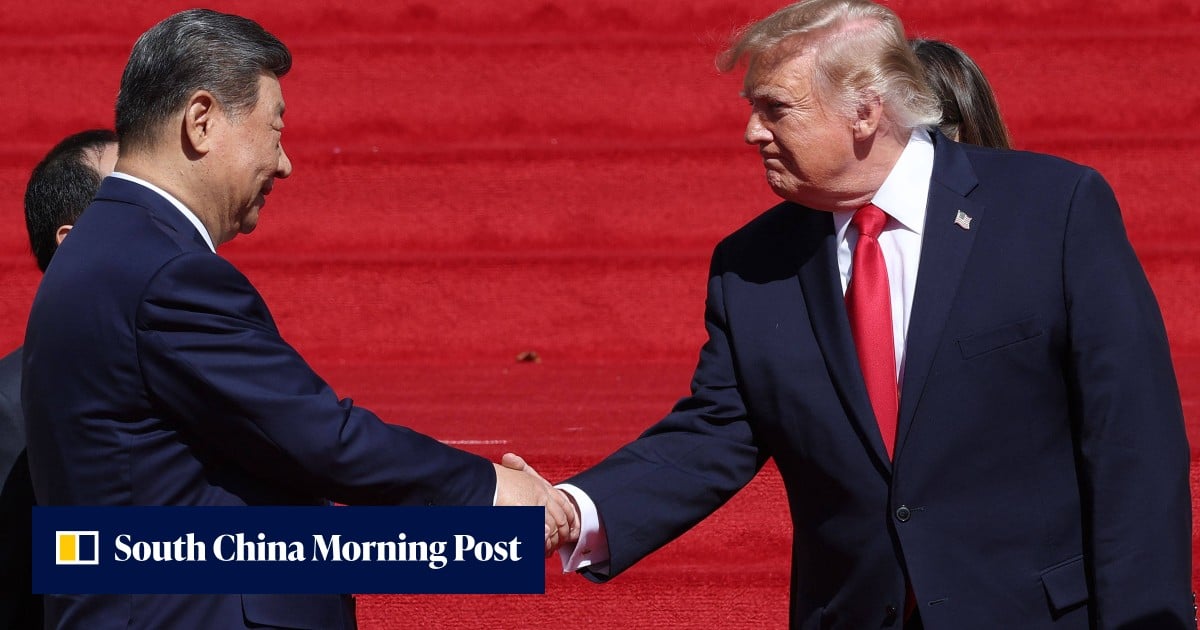
The United States and China have cut several deals during President Donald Trump’s visit with Chinese President Xi Jinping in Washington, D.C., this week, including finalizing a $30 billion tariff agreement, a two-year coal deal, and advancing artificial intelligence talks.
asserted
States → cut → talks
Trump and Xi have had a complicated relationship throughout their time in office together, with the communist regime and capitalist America standing as economic adversaries while the two world leaders have maintained a largely friendly rapport.
asserted
leaders → have → rapport
The White House published a list of agreements that the two countries came to during Xi’s state visit to the district, calling the bilateral discussions communications in which Trump “advanced the U.S.-China relationship and put the American people first.”
asserted
Trump → publish → people
Xi and Trump agreed to a “more favorable” tariff deal on $30 billion worth of goods flowing in and out of each country, though the White House specified the goods were “non-sensitive.”
asserted
goods → agree → country
China agreed to grant more favorable trade conditions to U.S. exports like agricultural goods, seafood, logs and wood products, cosmetics, and medical devices, while the U.S. agreed to the favorable import conditions for Chinese exports like small appliances, toys, holiday decorations, and car seats for children, according to the White House.
uncertain
U.S. → agree → House
The tariff agreement came days after Treasury Secretary Scott Bessent confirmed that the two countries agreed to extend their trade truce, which was set to expire in November, until January.
“There are some deliverables that have not been perfect on the Chinese side, so we also want to see, now that we’ve sat down and told them our expectations, if over the coming months they can be more fulsome in enacting the agreement,” Bessent told Fox News on Wednesday.
asserted
Bessent → come → Wednesday
Trump seemed pleased with the progress of the talks with Xi at the end of the week, calling the bilateral one that was based on “friendship, strength, and success,” and confirming two more upcoming meetings with Xi.
asserted
that → seem → Xi
“The meeting was one of Friendship, Strength, and Success, for both China and the U.S.A. We will be meeting again in November, in China, and then at the G20 in December, in Miami, Florida.
asserted
We → meet → Miami
Much has been, and will be, accomplished.
asserted
Much → accomplish → ?
I look forward to our next meeting!” Trump wrote on Truth Social after Xi left the Capitol Beltway.
asserted
Xi → look → Beltway
According to the White House, the leaders also agreed that, in 2027 and 2028, China would import at least 10 million metric tons of U.S. coal.
uncertain
China → accord → coal
The leaders also continued the tradition of panda diplomacy, with Xi promising to send two more panda bears to the Atlanta zoo.
asserted
Xi → continue → zoo
Regarding the much-anticipated conversations over AI, the White House said the two leaders created the U.S.-China Super Intelligence (SI) Dialogue, agreeing to call AI “super intelligence” instead of “artificial intelligence.”
asserted
leaders → regard → AI
Trump confirmed on Saturday that the U.S. would not be “putting on breaks” on AI development.
asserted
U.S. → confirm → development
“He likes the idea of changing the name to SI too because it’s much more accurate – it’s actually much more elegant, but it’s much more accurate,” Trump told reporters on Saturday.
asserted
Trump → like → Saturday
“And this country is going to do it 100 percent.
asserted
country → go → it
We had a lot of talk about it.
asserted
We → have → it
The United States of America is not going to be putting on the brakes.”
asserted
States → go → brakes
The White House confirmed that the super intelligence dialogue would be at the next conference by November.
asserted
dialogue → confirm → November
 The Aporia