That is 0 articles you have read today.
The Aporia is free and carries no advertising, so readers are the only
thing paying for it. If you are getting this much out of it, a small
donation is what keeps it independent.
Daily limit reached
You have read 0 articles today.
That is more than the 15 a day The Aporia gives away,
and well past what it can carry on nothing. Your allowance resets at
midnight.
There is no advertising here and nothing about you is sold, so readers
are the only thing paying for it. If the site is worth this much of
your day, it is worth a few dollars.
Everything else stays open: the
maps, the
directory and
search do
not count against this, and neither does re-opening something you have
already read today.
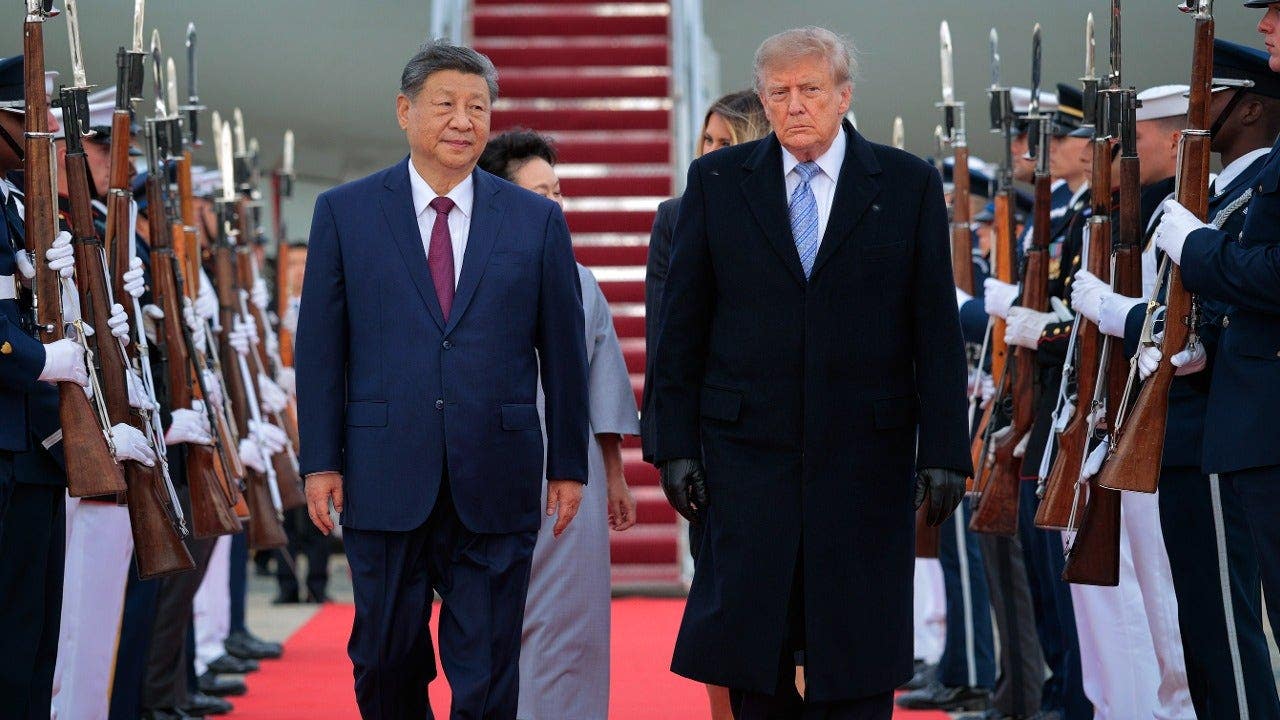
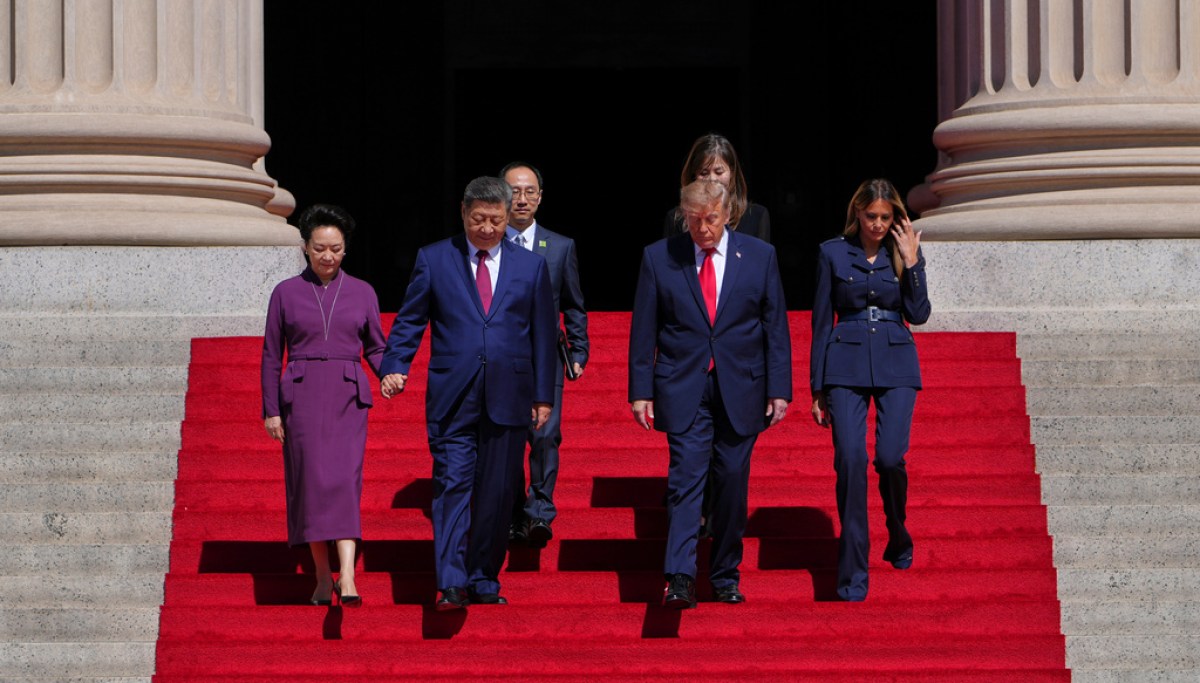
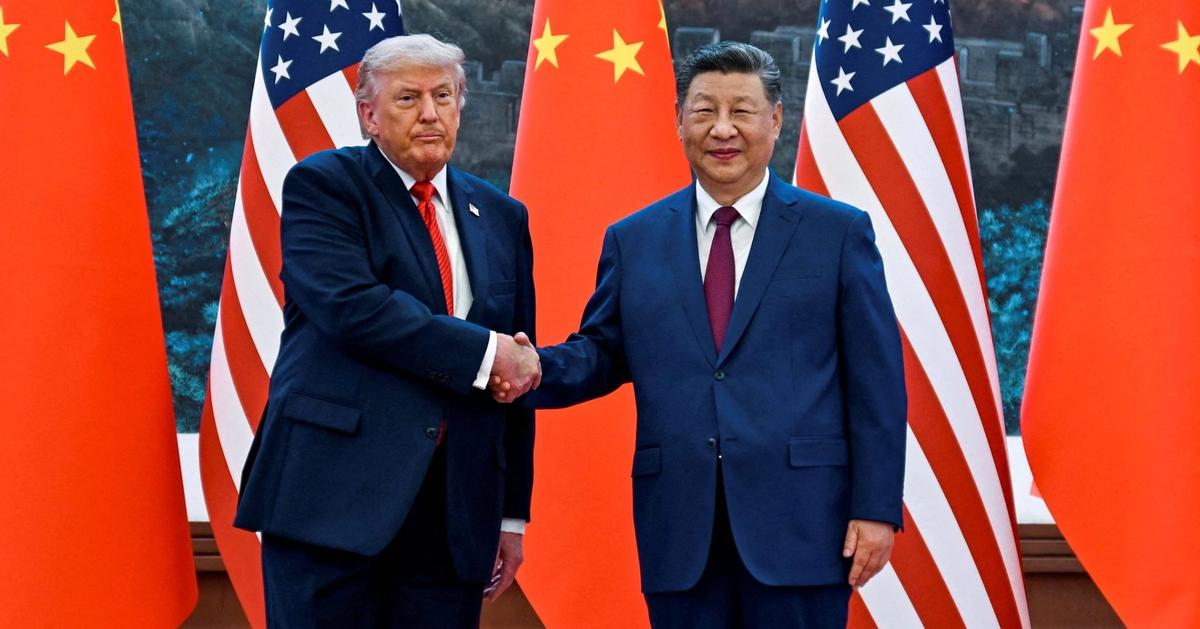
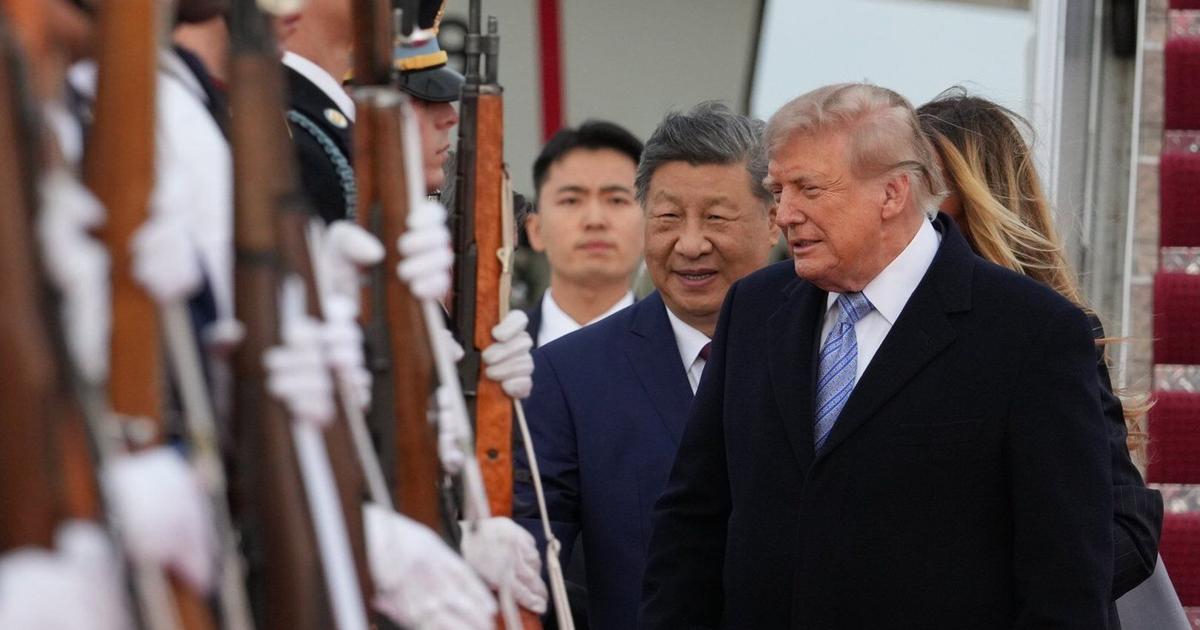
The United States and China have reached an agreement to lower tariffs on $30 billion worth of goods following a summit between President Donald Trump and Chinese President Xi Jinping in Washington, D.C. The deal covers various U.S. exports like agricultural products and imports such as small appliances and toys, with both sides receiving preferential tariff treatment. This development is seen as a significant easing of tensions from the trade war that peaked earlier this year when tariffs reached up to 145% for some Chinese goods imported into the U.S.
Written locally by qwen2.5:14b on 2026-09-26,
using this article's own text rather than the other coverage of the
same event (that is the story summary below).
Story summary
Before the Xi-Trump summit last week, analysts expected soybeans to be included in tariff-reduced arrangements between China and the U.S., but China excluded them from a tariff-reduction list released on September 28, 2026, despite cutting tariffs on other agricultural goods like corn, wheat, meat, and dairy. This decision disappointed American farmers, such as John Bartman, an Illinois-based soybean farmer who called it "a missed opportunity." U.S. soybeans still face an additional tariff of 10%, which traders say is too high for private crushers to absorb, even as Chinese state buyers have stepped up purchases. Despite this exclusion, both sides agreed to form a trade council to discuss reciprocal tariff cuts on $30 billion worth of products and stabilize economic ties.
Written for “US-China Tariff Cuts Deal” on 2026-10-05,
grounded in this article and the 283 other(s) covering the same event.
Claims extracted
17
claim-shaped sentences
Uncertain
18%
3 of 17 hedged
Leaning
Leans left
of the writing, not the subject · beta estimate
Correction & hedging signals
68.6
corrections and hedging in what we collected;
not a measure of accuracy
Outlets on this story
284
Economy/Business
Narrative spread
1
articles carrying this framing
The United States and China agreed to lower tariffs on $30 billion worth of goods traded between the two countries following a three-day summit between President Donald Trump and Chinese President Xi Jinping in Washington, D.C.
asserted
States → agree → Washington
According to the White House, the $30 billion in reciprocal tariff reductions apply to "non-sensitive goods."
uncertain
billion → accord → goods
U.S. exports including agricultural products, fish and seafood, logs and wood products, cosmetics and medical devices will receive favorable tariff treatment in China.
asserted
exports → include → China
Meanwhile, U.S. imports of Chinese-made small appliances, toys, holiday decorations and children's car seats will also receive preferential treatment.
asserted
imports → make → treatment
The agreement was reached through the U.S.-China Board of Trade, a body first proposed during Trump's visit to China in May and formally established during Xi's visit to Washington this week.
uncertain
agreement → reach → Washington
U.S. Trade Representative Jamieson Greer told CNBC on Friday that "a lot more details" about the new trade agreement will be released on Monday.
asserted
details → tell → Monday
Greer said the tariff terms were hammered out after weeks of negotiations.
asserted
terms → say → negotiations
Neither country has released the final tariff rates or all the products that will receive favored status going forward.
asserted
that → release → status
This marks one of the most significant cooldowns in the trade war Trump launched against China in February 2025, when he levied a 10% tariff on all Chinese imports, citing Beijing's alleged role in the fentanyl crisis and illegal immigration.
asserted
he → mark → crisis
China hit back with levies on U.S. coal, liquefied natural gas, crude oil and cars.
asserted
China → hit → coal
At their peak, U.S. tariffs on Chinese goods reached a staggering 145% in April 2025, shortly after Trump unveiled his "Liberation Day" reciprocal tariffs.
asserted
Trump → reach → tariffs
China responded with tariffs of up to 125% on U.S. goods.
asserted
China → respond → goods
U.S. and Chinese negotiators met in Geneva in May 2025 and agreed to a 90-day truce that lowered U.S. tariffs to 30% and China's to 10%.
uncertain
that → meet → %
The agreement was extended for another 90 days in August.
asserted
agreement → extend → August
Trump and Xi reached another tentative agreement during talks in South Korea in October 2025.
asserted
Trump → reach → October
Under the deal, China agreed to crack down on fentanyl precursors, resume purchases of U.S. soybeans and ease restrictions on rare-earth exports, while the United States agreed to further ease tariffs.
asserted
States → agree → tariffs
The two countries will now use the Board of Trade to negotiate additional tariff reductions and other trade disputes, leaving open the possibility of broader agreements in the months ahead.
asserted
countries → use → months
 The Aporia