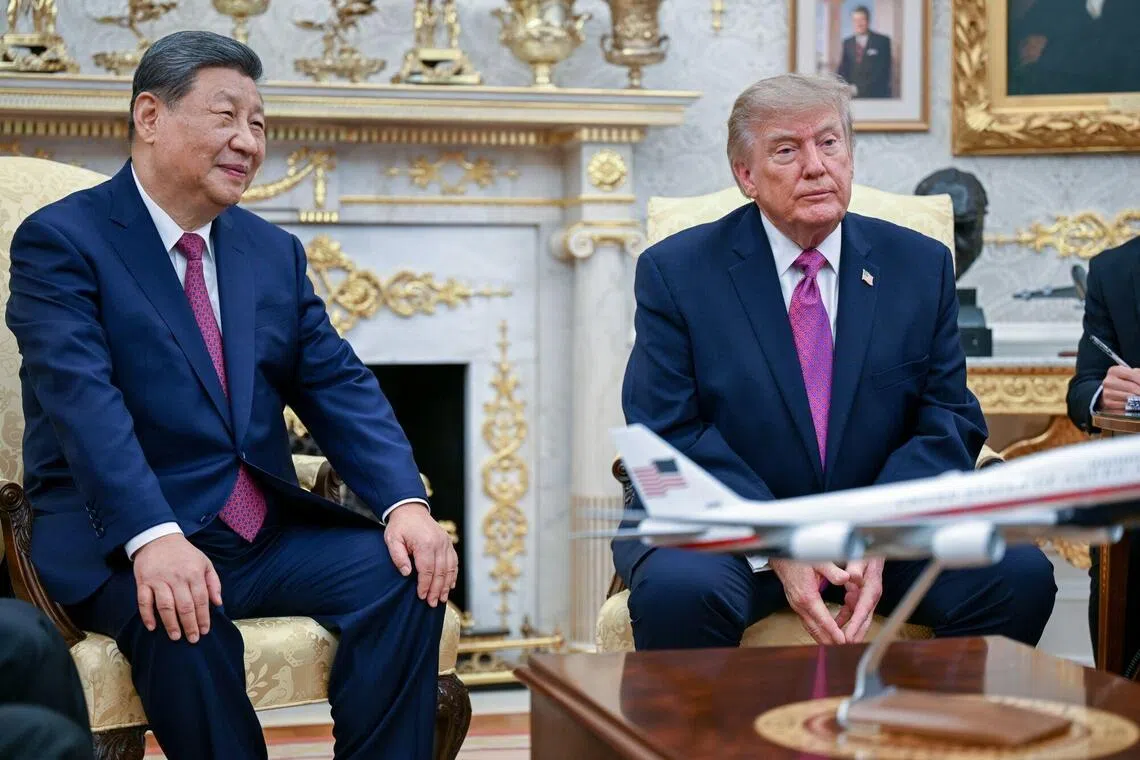
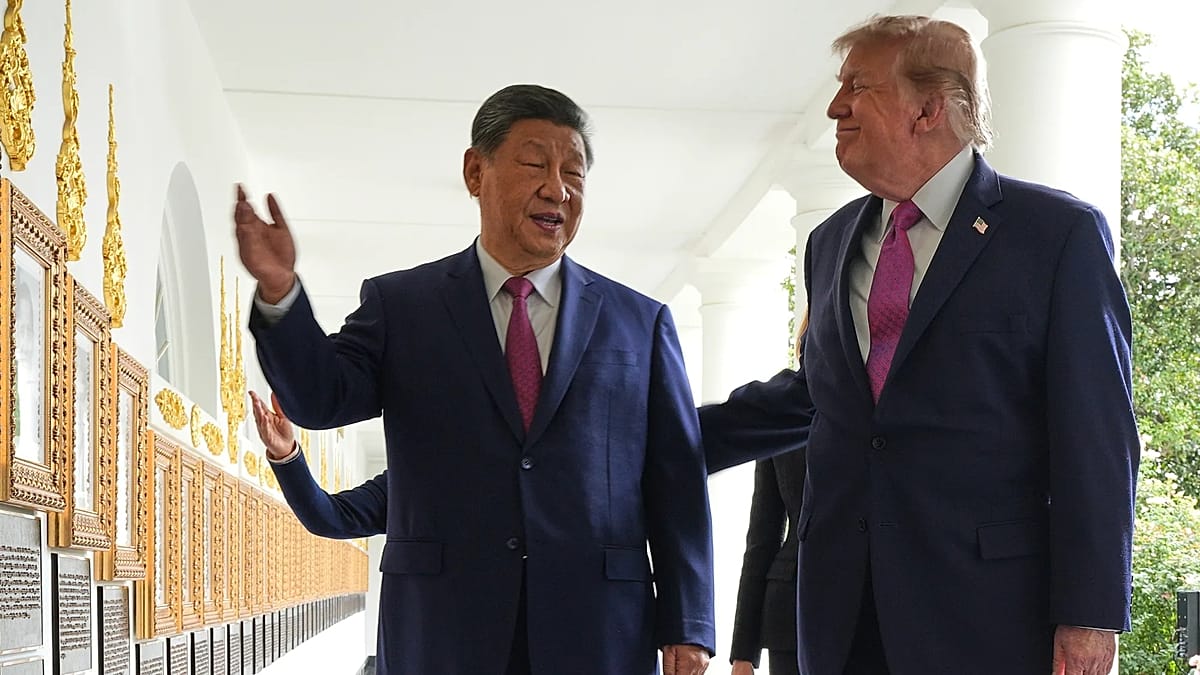
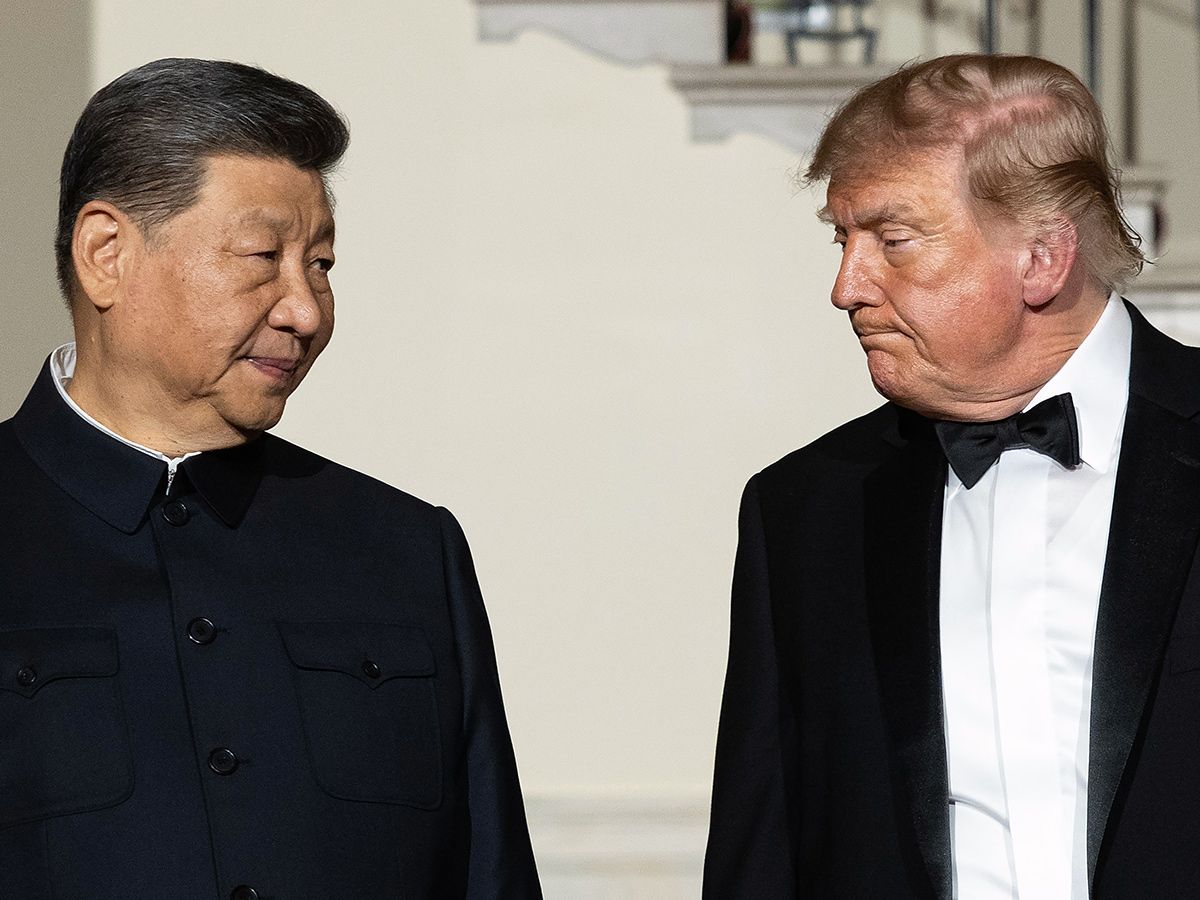
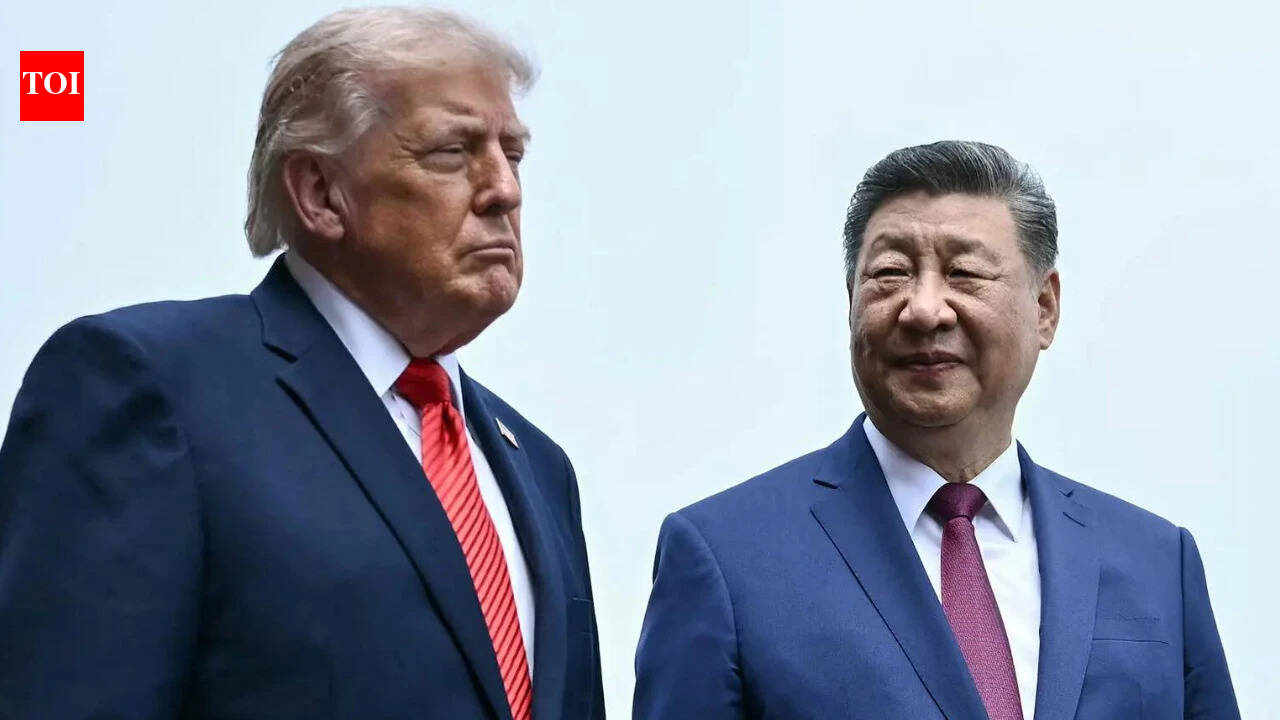
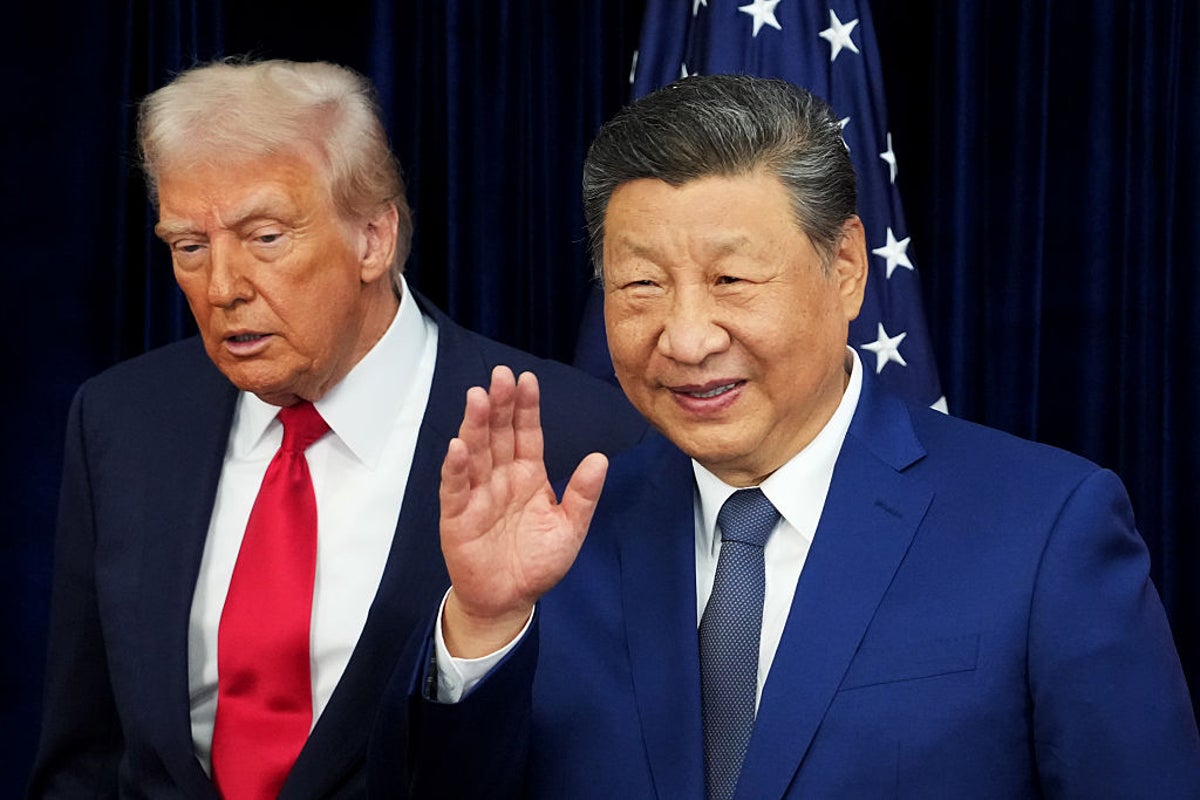
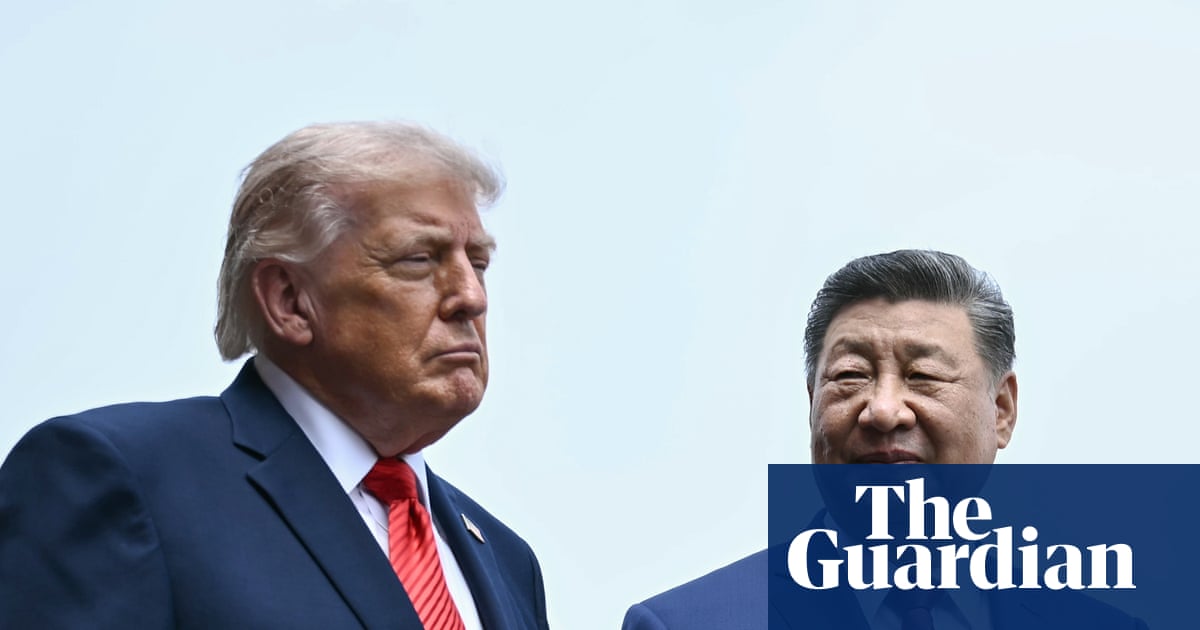
During his first White House summit with President Donald Trump on September 24, Chinese leader Xi Jinping explicitly called for the US to formally “oppose” Taiwan independence, according to Xinhua News Agency. This marks a shift from previous administrations' stance of not supporting but also not opposing Taiwanese sovereignty claims. Jennifer Welch, an expert on China and Taiwan issues, notes that this change could be significant in undermining Taiwan’s confidence in U.S. support and would signal a major shift in US-Taiwan relations.
Written locally by qwen2.5:14b on 2026-09-24,
using this article's own text rather than the other coverage of the
same event (that is the story summary below).
Story summary
Before the Xi-Trump summit last week, analysts expected soybeans to be included in tariff-reduced arrangements between China and the U.S., but China excluded them from a tariff-reduction list released on September 28, 2026, despite cutting tariffs on other agricultural goods like corn, wheat, meat, and dairy. This decision disappointed American farmers, such as John Bartman, an Illinois-based soybean farmer who called it "a missed opportunity." U.S. soybeans still face an additional tariff of 10%, which traders say is too high for private crushers to absorb, even as Chinese state buyers have stepped up purchases. Despite this exclusion, both sides agreed to form a trade council to discuss reciprocal tariff cuts on $30 billion worth of products and stabilize economic ties.
Written for “US-China Tariff Cuts Deal” on 2026-10-05,
grounded in this article and the 283 other(s) covering the same event.
China’s Xi presses Trump to ‘oppose’ Taiwan independence in stark call
AI generated
asserted
Xi → press → call
Chinese leader Xi Jinping urged the US to formally “oppose” Taiwan independence, marking his most explicit call for Donald Trump to change his stance on the self-ruled island.
asserted
Trump → urge → island
During their first White House summit on Sept 24, Xi declared the US should “adhere to the correct position of opposing Taiwan independence”, according to the official Xinhua News Agency.
uncertain
US → declare → Agency
Chinese state media released Xi’s remarks on Taiwan before its full readout of meeting that lasted under two hours, throwing a spotlight on Beijing’s brightest red line issue.
asserted
that → release → issue
The ruling Communist Party views the global chip hub as its own territory, despite having never controlled it.
asserted
Party → rule → it
Xi’s suggested wording is stronger than the Biden administration’s previous statement that US officials “do not support” the self-ruled island seeking formal independence, and would add to China’s campaign to isolate Taiwan on the world stage.
uncertain
island → suggest → stage
“While it may appear a semantic shift, the impact would be meaningful,” said Bloomberg Economics’ Jennifer Welch, who served as director for China and Taiwan on the National Security Council under the previous Biden and Trump administrations.
uncertain
who → appear → administrations
China would use the switch to undermine Taiwan’s confidence in US support, she added.
asserted
she → use → support
“Opposing ‘Taiwan independence’ implies an active effort to contain what Beijing sees as pro-independence forces,” Welch said.
asserted
Welch → oppose → forces
Any change in wording would fan concerns that Washington’s position on the self-ruled democracy is becoming a bargaining chip in US-China ties.
asserted
position → fan → ties
Trump has already delayed a planned US$14 billion (S$18 billion) arms package for Taiwan for months.
asserted
Trump → delay → months
After his last meeting with Xi in Beijing, Trump described that deal as “a very good negotiating chip” for the US – remarks that rattled Taipei.
asserted
that → describe → Taipei
Xi’s latest push for Trump comes as Beijing is shifting tactics in its campaign to pressure Taiwan, dialing down provocative displays of military aggression while ramping up diplomatic isolation.
asserted
Beijing → come → isolation
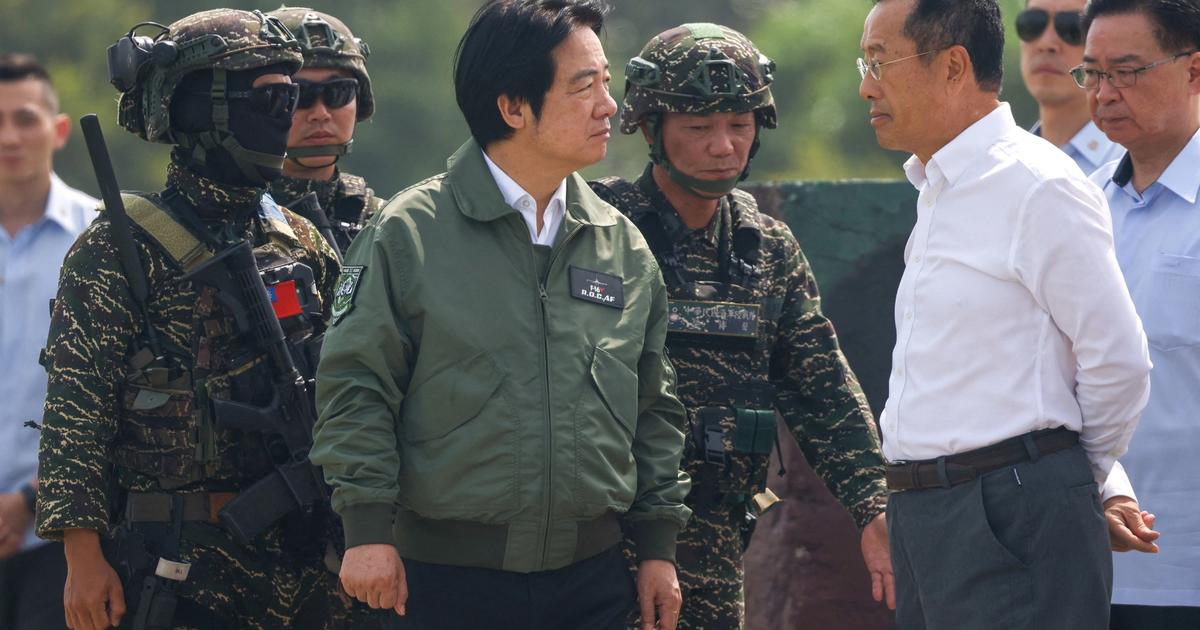
That’s including by pressuring countries to prevent President Lai Ching-te from travelling through their airspace.
asserted
That → include → airspace
Language defining the US relationship with Taiwan has long been a sensitive subject.
asserted
Language → define → Taiwan
China had asked the Trump administration to officially declare that it “opposes” Taiwan independence in 2025, a person familiar with the matter said at the time.
asserted
person → ask → time
US-Taiwan relations have been dictated since 1982 by President Ronald Reagan’s “six assurances”, which take a deliberately vague stance toward the island’s sovereignty but explicitly state the US would not consult with China on arms sales to Taiwan and would not revise the Taiwan Relations Act, which requires Washington to provide the island with defensive arms.
asserted
which → dictate → arms
Trump’s comments on Taiwan have marked a departure from Biden, who claimed he would defend the island from any invasion by China.
asserted
he → mark → China
The Republican leader has urged officials in Taipei to step up their ability to defend themselves.
asserted
leader → urge → themselves
Handling the Taiwan question with prudence will “lay a solid foundation for strategic cooperation between China and the US,” Xi said on Sept 24.
asserted
Xi → handle → Sept
Ryan Hass, director of the China Center at the Brookings Institution in Washington, said Xi was trying to link the concept of “constructive strategic stability” to opposing Taiwan independence.
asserted
Xi → say → independence
That slogan was unveiled by Chinese officials in May to define a new era in ties.
uncertain
slogan → unveil → ties
“The key acid test will be what Trump says on Taiwan,” Hass added.
asserted
Hass → say → Taiwan
“Not just what Xi urges Trump to endorse.”
asserted
Xi → urge → Trump
 The Aporia