Xi Jinping, Donald Trump and the strange politics of living forever

Read the original at The Independent ↗
The Independent · collected 2026-09-23 · by Holly Baxter

Quick Summary

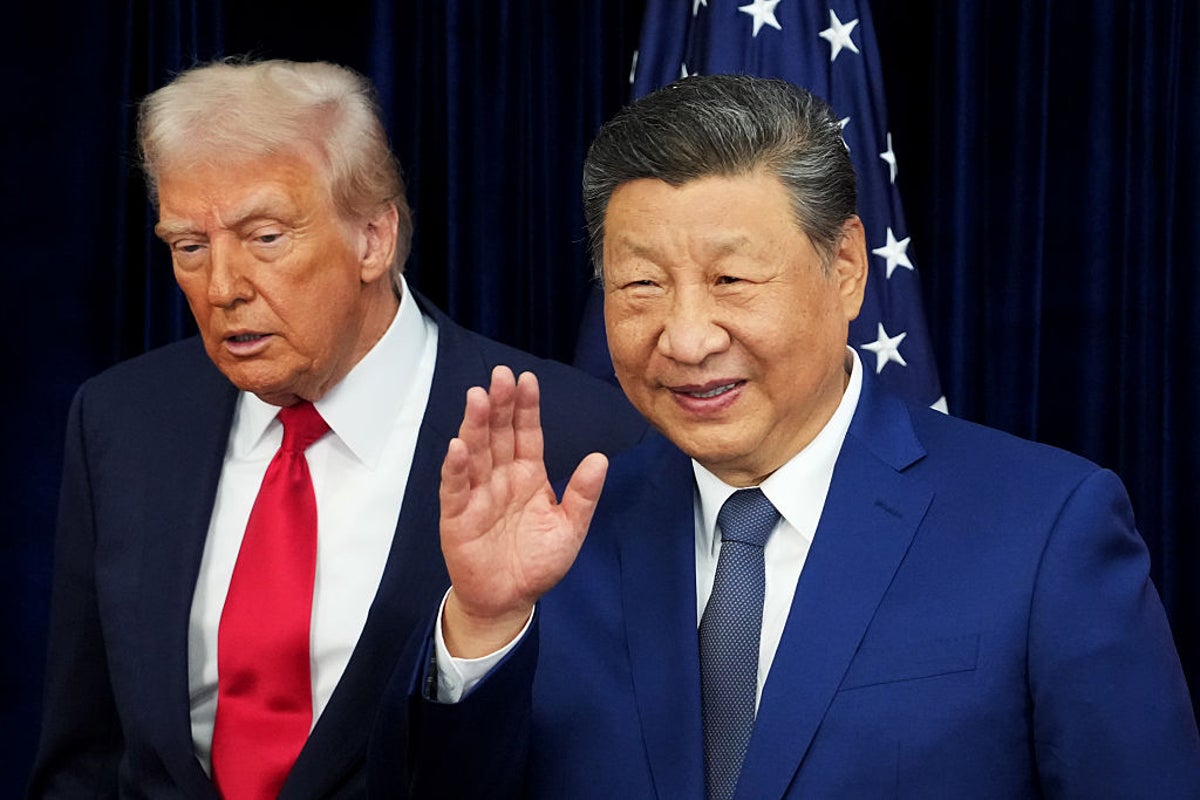
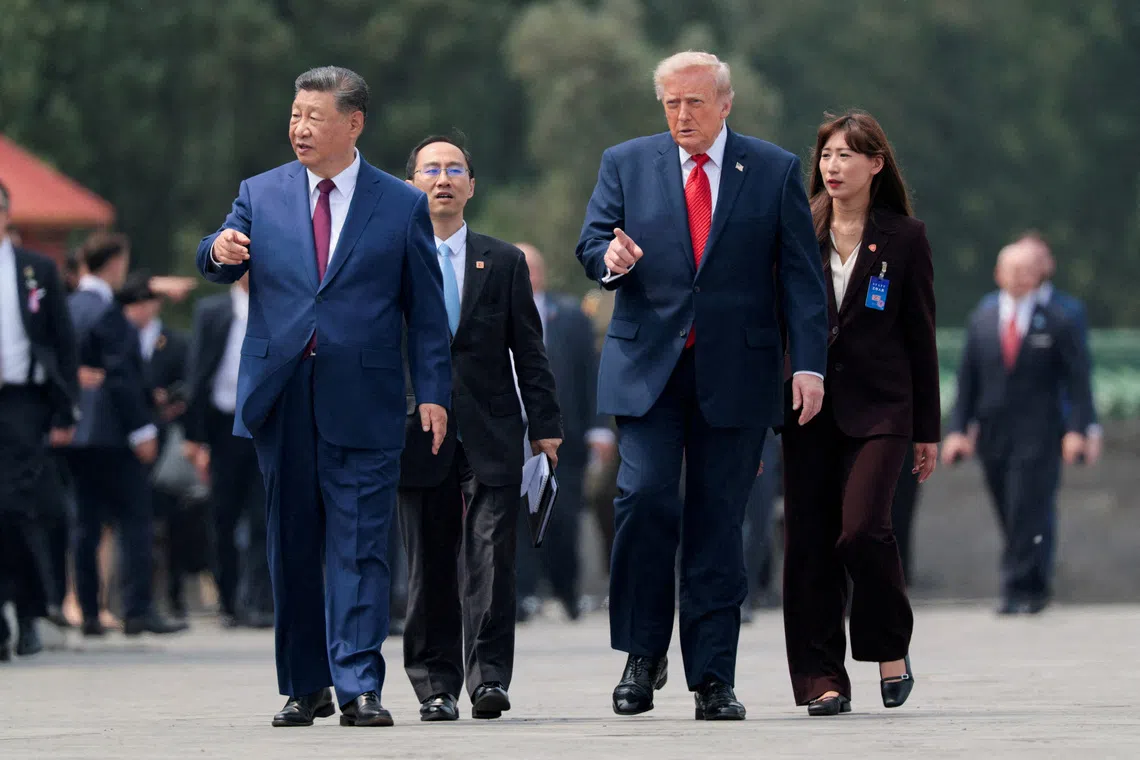
Xi Jinping and Donald Trump's meeting in Washington will cover topics like trade, AI, Taiwan, and Iran. Concerns about the health of both leaders, particularly Xi who recently skipped events and disappeared from public view for days, have sparked speculation over their ability to govern effectively. At the BRICS summit, rumors circulated that Xi might be unwell, though no confirmed evidence exists. Meanwhile, Trump's insistence on his good health contrasts with visible signs of aging. The article highlights the broader issue of whether longevity through medical advancements could lead to political stagnation under elderly leaders unwilling to step down.
Written locally by qwen2.5:14b on 2026-10-02, using this article's own text rather than the other coverage of the same event (that is the story summary below).

AI analysis runs on qwen2.5:14b, locally

Story summary

Before the Xi-Trump summit last week, analysts expected soybeans to be included in tariff-reduced arrangements between China and the U.S., but China excluded them from a tariff-reduction list released on September 28, 2026, despite cutting tariffs on other agricultural goods like corn, wheat, meat, and dairy. This decision disappointed American farmers, such as John Bartman, an Illinois-based soybean farmer who called it "a missed opportunity." U.S. soybeans still face an additional tariff of 10%, which traders say is too high for private crushers to absorb, even as Chinese state buyers have stepped up purchases. Despite this exclusion, both sides agreed to form a trade council to discuss reciprocal tariff cuts on $30 billion worth of products and stabilize economic ties.

Written for “US-China Tariff Cuts Deal” on 2026-10-05, grounded in this article and the 283 other(s) covering the same event.

Signals How these are calculated →

Claims extracted
84
claim-shaped sentences
Uncertain
10%
8 of 84 hedged
Leaning
Leans left
of the writing, not the subject · beta estimate
Correction & hedging signals
58.8
corrections and hedging in what we collected; not a measure of accuracy
Outlets on this story
284
Economy/Business
Narrative spread
1
articles carrying this framing
Analyzed 2026-09-23 · how these are computed

Story

📰 US-China Tariff Cuts Deal
Economy/Business · 284 article(s) covering the same event. See how they differ ↓

How this is being covered How these are calculated →

Article leaning vs. publisher reliability
Source leaning vs. consistency

Compared with similar articles

This article reads leans left and hedges 10% of its claims. Each row says how that neighbour differs.
The Independent
⚖️ leaning not scored 🔴 13% hedged 6 of 46 📰 publisher trust 59
“Both articles describe President Donald Trump welcoming Chinese President Xi Jinping for a state visit in Washington, DC.”
The Straits Times
⚖️ leaning not scored 🔴 19% hedged 11 of 57 📰 publisher trust 59
“Both articles refer to the same upcoming meeting between Xi Jinping and Donald Trump in Washington on September 23, 2026.”
ABC News (US)
⚖️ Leans right further right than this 🔴 16% hedged 6 of 38 📰 publisher trust 59
“Both articles refer to the same state visit by Xi Jinping in Washington during which tensions over AI, trade, and Iran are expected, indicating they describe the same specific event.”
Semafor
⚖️ leaning not scored 🔴 8% hedged 1 of 12 📰 publisher trust 95
“Both articles describe the meeting between Donald Trump and Xi Jinping in Washington on the same day.”
The Straits Times
⚖️ Leans right further right than this 🔴 11% hedged 3 of 28 📰 publisher trust 59
“Both articles describe President Donald Trump's meeting with Chinese leader Xi Jinping during his state visit to Washington, specifically discussing their interactions and activities.”
CBS News
⚖️ Leans left 🔴 0% hedged 0 of 2 📰 publisher trust 66
“Both articles describe the meeting between Xi Jinping and Donald Trump at the White House in September 2026, discussing similar topics such as trade, AI, Taiwan, Iran.”
BBC News
⚖️ Leans left 🔴 13% hedged 4 of 30 📰 publisher trust 78
“Both articles describe the visit of Xi Jinping to Washington in September 2026, including details about ceremonies and meetings with Donald Trump.”
The Straits Times
⚖️ leaning not scored 🔴 11% hedged 4 of 35 📰 publisher trust 59
“Both articles describe the meeting between Xi Jinping and Donald Trump in Washington on September 24, 2026.”
BBC News
⚖️ leaning not scored 🔴 0% hedged 0 of 5 📰 publisher trust 78
“Both articles describe the meeting between Xi Jinping and Donald Trump in Washington, indicating the same specific occurrence.”
South China Morning Post
⚖️ leaning not scored 🔴 0% hedged 0 of 9 📰 publisher trust 67
“Both articles describe Xi Jinping meeting with Donald Trump in Washington, discussing similar topics such as trade, AI cooperation, and other relations between China and the US.”

Publisher

The Independent · 1625 article(s) · 4 correction(s) detected
Running correction rate · 4 correction(s)
2026-10-03
Prison chief to resign after shock botched execution of Christa Pike
2026-09-22
Costa Rican man complained of lack of care for diabetes before his death in ICE custody, family says
2026-09-17
Killer who gunned down famed Elvis impersonator set to be executed tonight
2026-09-04
Pennsylvania confirms second death of child with measles after RFK Jr. told CDC director to delete numbers

Who wrote this

Holly Baxter
8 article(s) here · 1 carrying a prediction
🔮 Beards were out, “war fighters” were in, AMERICA WAS BACK (to getting itself entrenched into forever wars in the Middle East) and Hegseth got to preen around talking about strength and integrity and all those other things he wouldn’t know if he bumped into them in a dark alley.
🔮 Rumors swirled on Monday morning when the White House announced that President Trump would make a mystery announcement at 2 pm.
🔮 But his training in ethics and his technical knowledge meant that he was able to fairly accurately predict the conversations we would have once they were developed.
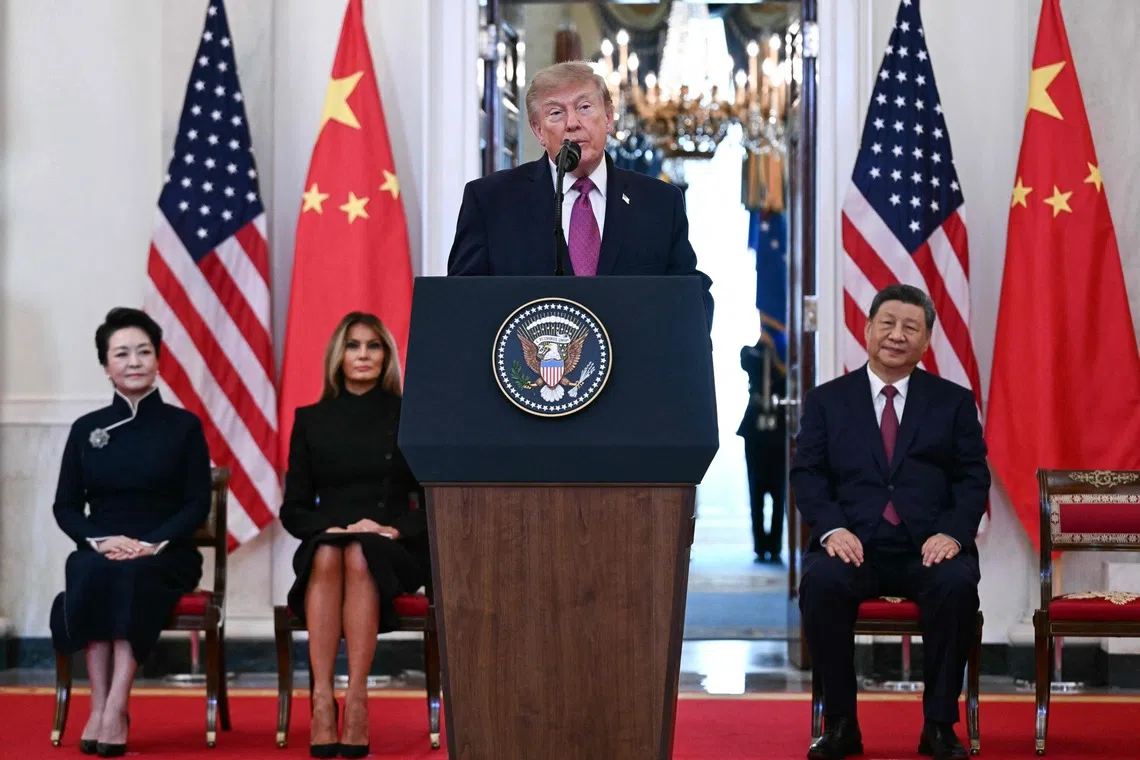
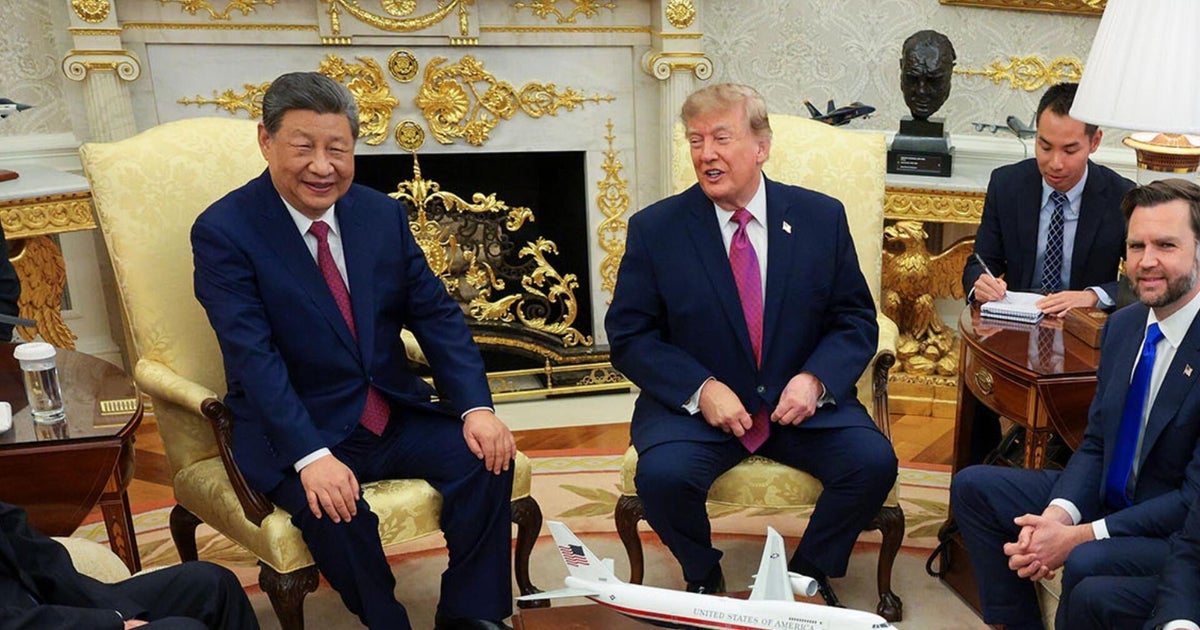
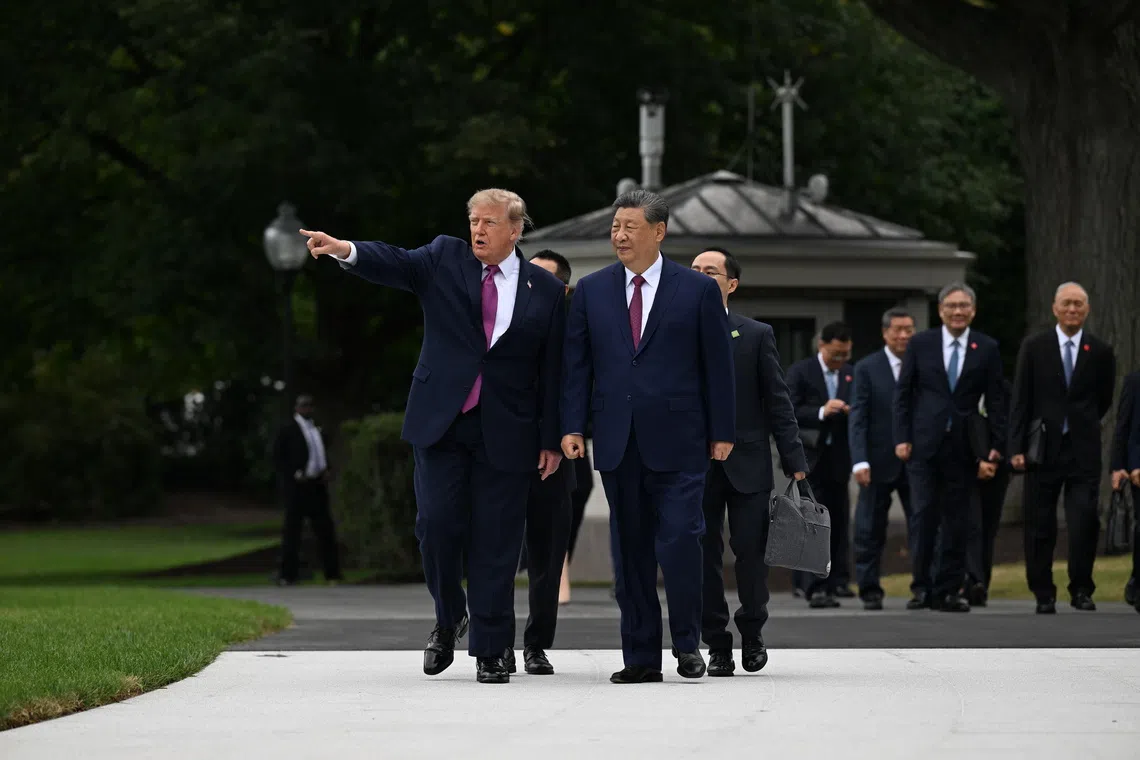
🔮 When Xi Jinping meets Donald Trump in Washington this week, there will be plenty to discuss: trade, AI, Taiwan, Iran, and the increasingly strange business of American-Chinese relations.
🔮 I dutifully filled out my name (first name only — a detail that struck me as unsettling, though I couldn’t fully articulate why), my appointment time, and what kind of bloodwork I was there for.
2026-09-16 · assertive framing · The day I found out when I’m going to die
🔮 To begin with, Blanche reeled off a couple of “wins” surrounding Trump administration arrests and investigations, before opening for “questions, if there are any,” which of course there would be, because this is why everybody was here.
🔮 Pushed on that, he added that he wouldn’t have wanted to exclude “victims of bestiality” from applying for FBI jobs.
🔮 As AI executives and researchers — so, the people who are actually building the things — warn that increasingly powerful systems may require stronger oversight, the president has an innovative solution.
Also by Holly Baxter
The day I found out when I’m going to die
2026-09-16 · The Independent
Nothing else under this byline is closely related to this article, so these are simply their most recent.
All 8 articles by Holly Baxter →

Topics

American Independent Iran Taiwan Washington

Subjects

Donald Trump PERSON · 2× Vladimir Putin PERSON · 2× American NORP · 1× Forces ORG · 1× Independent NORP · 1× Iran GPE · 1× Melania Trump PERSON · 1× Taiwan GPE · 1× Washington GPE · 1× Xi Jinping PERSON · 1×

Narrative

The people most concerned with this question, Solomon says, seem to be predominantly two types: “It’s the fascist demagogues — people like Putin and Xi and the dude that runs North Korea and Trump… but then you’ve got the richest people on earth: the Peter Thiels, the folks that run Google.
framing: assertive · carried by 1 article(s) · first seen 2026-09-23
🔮 When Xi Jinping meets Donald Trump in Washington this week, there will be plenty to discuss: trade, AI, Taiwan, Iran, and the increasingly strange business of American-Chinese relations.
2026-09-23 · The Independent
Xi Jinping, Donald Trump and the strange politics of living forever · assertive framing

Claims (84 extracted, 8 hedged)

When Xi Jinping meets Donald Trump in Washington this week, there will be plenty to discuss: trade, AI, Taiwan, Iran, and the increasingly strange business of American-Chinese relations. asserted
Jinping → meet → relations
Xi, who is 73 years old, is at the center of a fresh swirl of health rumors after skipping a dinner at the BRICS summit in India earlier this month and subsequently disappearing from public view for several days. asserted
who → skip → days
There is no confirmed evidence that he is seriously ill, and Indian officials have dismissed claims that he fell sick at the summit. uncertain
he → be → summit
But the speculation has flourished in the vacuum created by the secrecy surrounding the health of China's leader. asserted
speculation → flourish → leader
Trump, meanwhile, is 80 and has insisted that he is in “perfect” health after a recent Walter Reed check-up, even as his bruised hands and occasional stumbles over speeches have raised eyebrows. asserted
hands → insist → eyebrows
The scrutiny over his aging is hardly new (and was applied to former President Joe Biden while he was in office, too.) asserted
he → apply → office
But when two elderly leaders meet to discuss the future of the world's most powerful countries, the question of what happens when the men at the top eventually leave the stage becomes rather difficult to avoid. asserted
men → meet → stage
This is especially concerning when some of them seem determined not to leave the stage at all. asserted
some → seem → stage
Last September, Xi and Vladimir Putin were caught on a hot mic discussing the possibility of immortality. asserted
Xi → catch → immortality
Tellingly, Xi said that 70 used to be an old man’s age but now, “at 70, one’s still a child.” asserted
one → say → 70
Putin responded that through repeated organ transplants, it should be possible to achieve immortality; his counterpart said that during this century, it should at least be possible to live to 150. asserted
it → respond → 150
It was an extraordinarily revealing conversation that captured something increasingly strange about the politics of aging: we might be able to extend our lifespans soon, but doing so will become a wealth and class issue. uncertain
doing → capture → lifespans
In some ways, that’s always been true, but when it comes to world leaders, it means the potential stagnation of societies under a few old men (because it is always men) determined to hold onto power, whatever it takes. asserted
it → come → whatever
The result is a new political preoccupation with the biological limits of the men who run countries. asserted
who → run → countries
What happens when leaders refuse to contemplate succession? asserted
leaders → happen → succession
The questions that dominate social media discussions and headlines would’ve been unthinkable a generation ago: Is Mitch McConnell fully conscious? asserted
McConnell → dominate → discussions
Does Donald Trump wear a diaper? asserted
Trump → wear → diaper
Do Silicon Valley billionaires have so-called “blood boys”? asserted
billionaires → have → boys
Does Vladimir Putin keep getting organ transplants and if so, where on earth is he getting them? asserted
he → keep → them
The question underlying all of this: In an era of billionaires, biotechnology and increasingly fantastical promises about extending human life, what if the powerful no longer regard mortality as a deadline at all? asserted
powerful → underlie → deadline
Health startups and the tech bros When health startup founder Brent Franson — whose Silicon Valley-based business DeathClock predicts when you’re going to die — went on the popular OpenAI-owned TBPN podcast, he ventured that we’re all going to die. asserted
we → base → podcast
Before he could finish that thought (that we’re all going to die, so we should think about how to extend our quality of life), the show threw up the big, glaring “X” it usually puts onscreen to call out lies. uncertain
it → finish → lies
In northern California, Franson told me, it’s a mainstream idea that immortality will soon be achieved — at least for the people with the requisite wealth and access. asserted
immortality → tell → wealth
Perhaps unsurprisingly, then, OpenAI’s Sam Altman has invested $180 million into a startup that’s trying to help humans live much longer lives. asserted
humans → invest → lives
Both Russia and China are investing vast sums of money into researching how to prolong one’s life; Putin launched a national project to combat aging in 2024. asserted
Putin → invest → 2024
But it remains unclear how much any of this will actually benefit the rest of us. uncertain
any → remain → us
“From the moment that humans arose, we've been… profoundly motivated by a disinclination to die,” says Sheldon Solomon, a social psychologist at Skidmore University who specializes in existential dread, i.e. the very human fear of our own deaths. asserted
who → arise → deaths
That fear of death has led to religions with promises of immortality and the afterlife, he says, as well as rich and powerful men trying their hardest to guarantee their place there. asserted
he → lead → place
From well-stocked Egyptian pyramids to quests for the Fountain of Youth to modern biology, “underlying contemporary science has always been: How do we live forever?” asserted
we → stock → biology
and these days “some people argue that the best way to do that is to abandon our wretched carcasses and upload ourselves onto a Google Cloud,” he adds. asserted
he → argue → Cloud
The people most concerned with this question, Solomon says, seem to be predominantly two types: “It’s the fascist demagogues — people like Putin and Xi and the dude that runs North Korea and Trump… but then you’ve got the richest people on earth: the Peter Thiels, the folks that run Google. asserted
that → say → Google
They’re also not obscuring their intentions, and that is to devote trillions of dollars to staying alive. asserted
that → obscure → dollars
That’s a problem, Solomon says, because the people leading the immortality question in 2026 are not concerned about the trashing of the planet. asserted
people → ’ → planet
Instead, “there’s just: We’ll be here forever and we’ll buy New Zealand or whatever it takes… or we’ll go Mars. asserted
we → ’ → Mars
There is peer-reviewed science that underscores what might be useful for living a longer life, but it’s probably not what billionaires are looking for. uncertain
billionaires → be → what
A long-running Harvard study into longevity has found that socializing with other people is strongly correlated with living longer, and that’s something you can’t really optimize your way into or out of. asserted
you → run → way
The same study, however, found that “positive thinking” has a profound effect on how long you live. asserted
you → find → effect
If denial counts, then perhaps the Silicon Valley founders are onto something. asserted
founders → count → something
The problem with the concerns of our current set of very rich death-dodgers is that they’re stubbornly anti-science. asserted
they → ’re → dodgers
New organs or regular blood transfusions can only take you so far. asserted
organs → take → you
…and 44 more, not listed.

💬Give feedback
🕘History 🎫Support