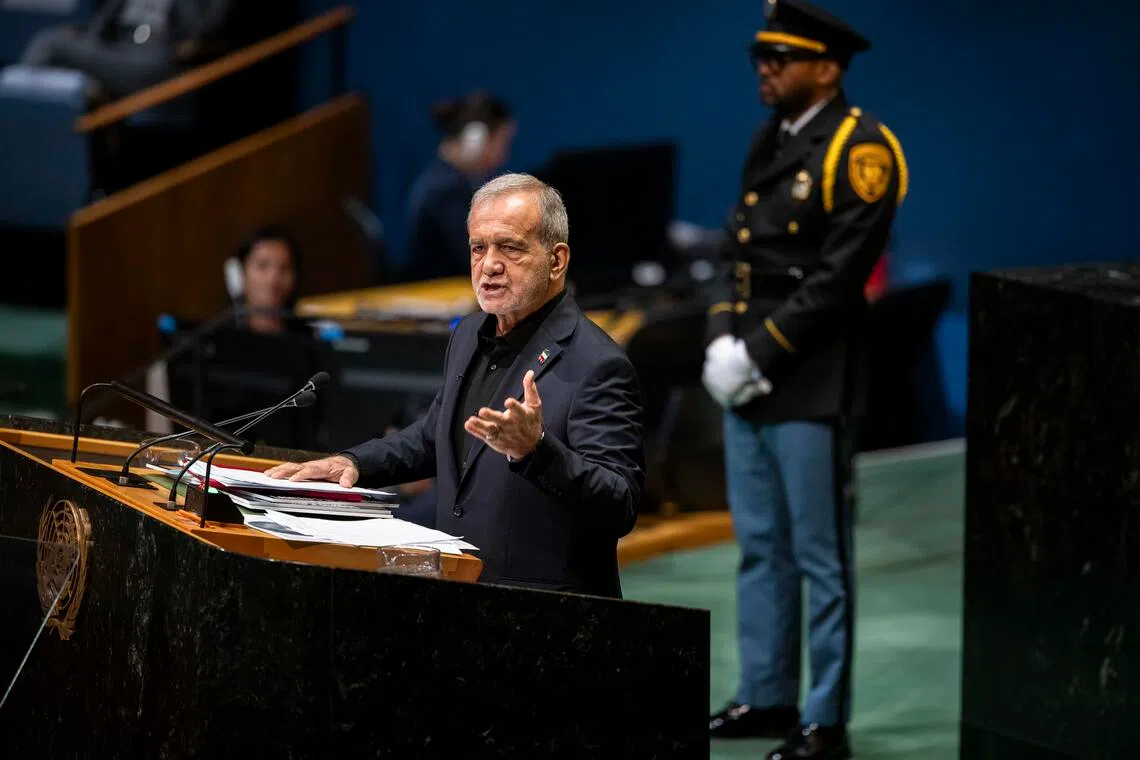
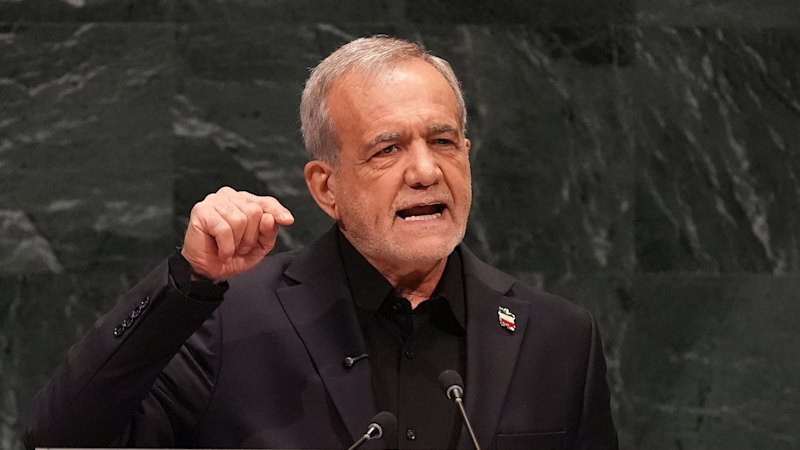
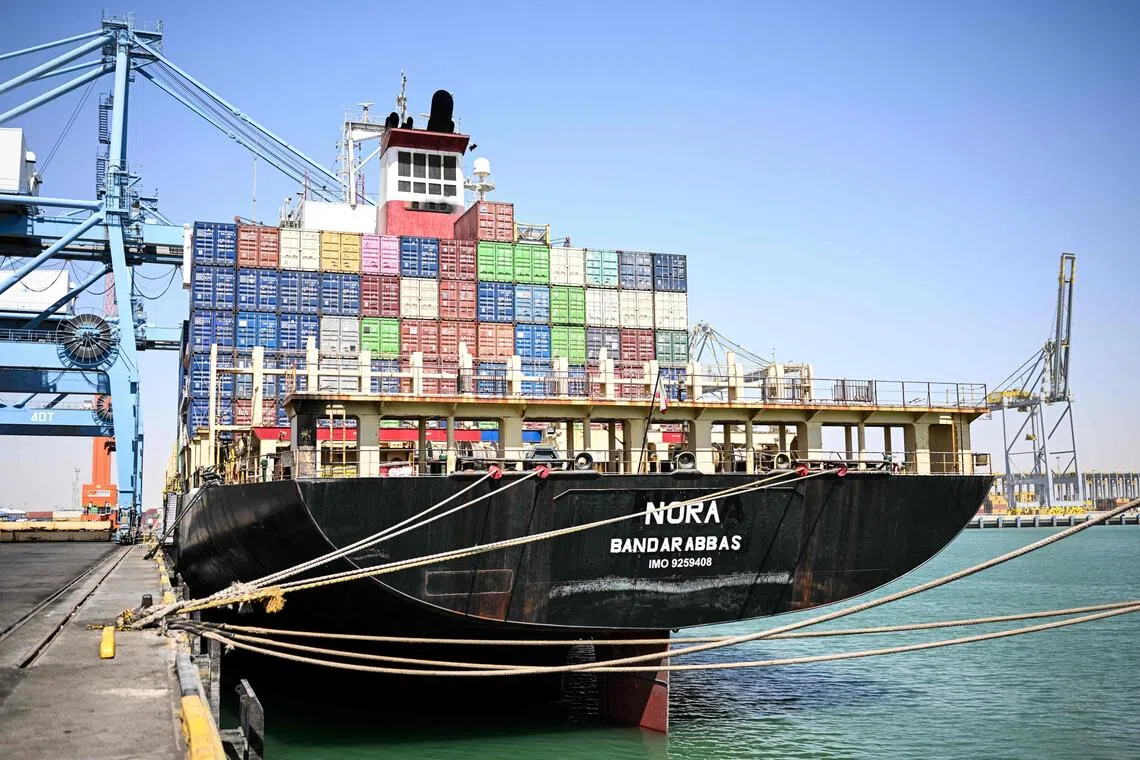
Iran's President Masoud Pezeshkian delivered a defiant message to the United States during his address at the United Nations General Assembly on September 23. He stated that Iran would not allow freedom of navigation through the Strait of Hormuz until US sanctions and blockades are lifted, emphasizing conditions for resumed talks aimed at ending the near seven-month conflict between the two countries. Pezeshkian also reaffirmed Iran's commitment to its right to develop nuclear technology for economic purposes while denying intent to build atomic weapons. The United States redirected 115 commercial vessels as part of its naval blockade enforcement, highlighting tensions over control and access in the strategic waterway.
Written locally by qwen2.5:14b on 2026-09-24,
using this article's own text rather than the other coverage of the
same event (that is the story summary below).
Story summary
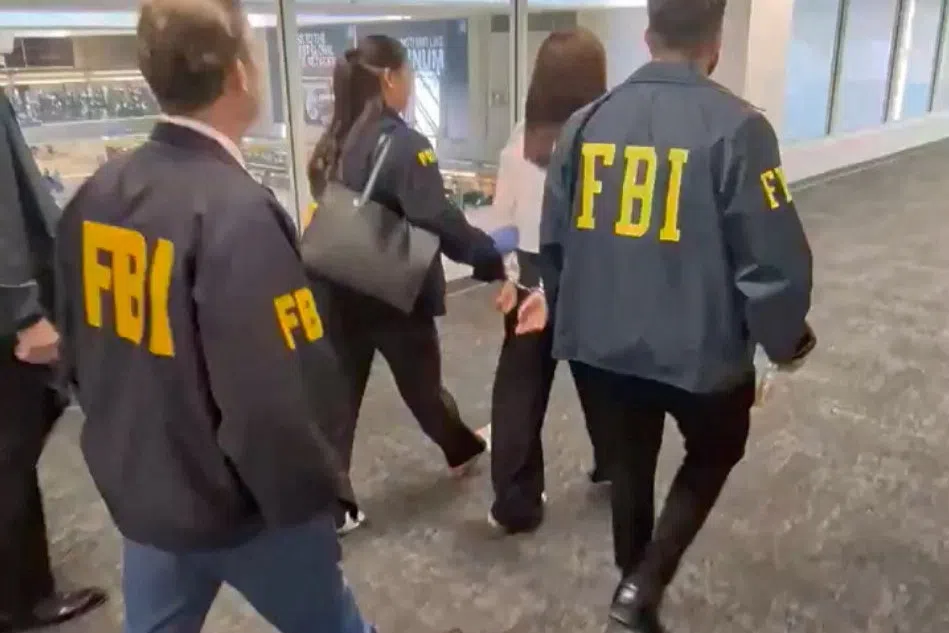
US President Donald Trump met with Chinese President Xi Jinping, where Xi pressed Trump to adopt Beijing's stance against Taiwan independence, which Taiwan rejected outright. Meanwhile, Taiwan is crucial for global tech and economy due to its leading semiconductor production; TSMC alone produces the majority of advanced chips that power smartphones, AI systems, and more. As Stanford Hoover fellow Eyck Freymann noted, economic disruption from a conflict over Taiwan would be severe.
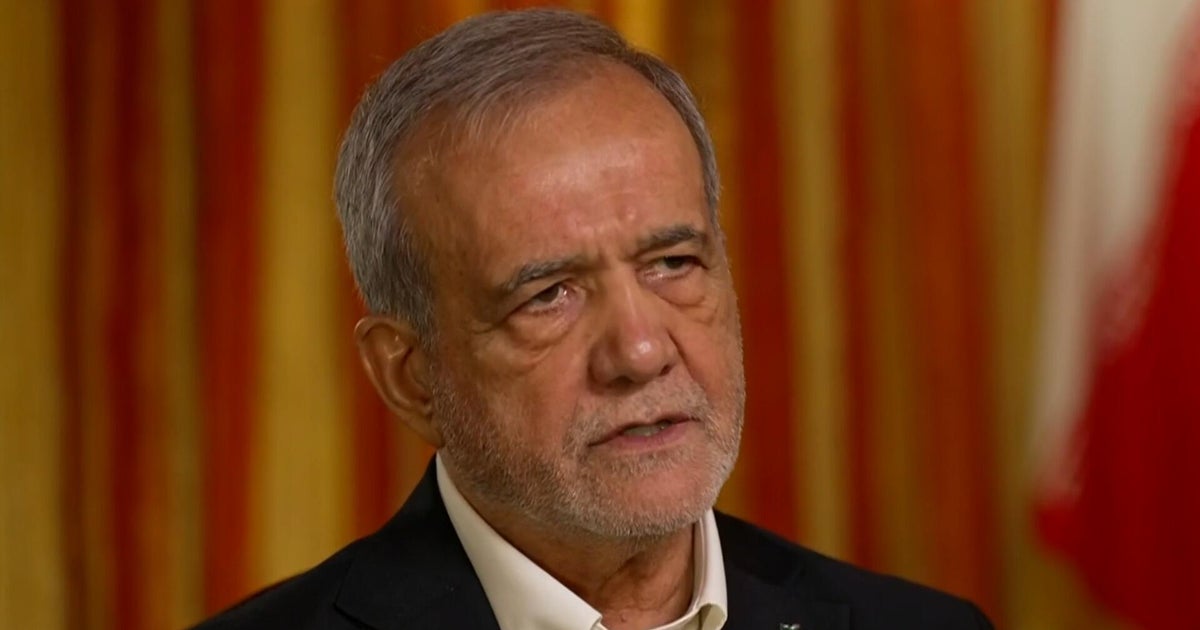
In unrelated developments, Iranian President Masoud Pezeshkian met with US media at the UN General Assembly, where he denied Iran's nuclear ambitions while offering to dilute its enriched uranium and allow inspections under international law. He also blamed Washington for ongoing conflicts in the Middle East. The International Atomic Energy Agency (IAEA) estimates that Iran has over 440 kilograms of uranium enriched up to 60%, raising concerns despite Pezeshkian's denials.
Taiwan's representative, Ambassador Alexander Yui, clarified during an interview on CBS’s "Face the Nation" that while Taiwan was discussed between Trump and Xi, it wasn't a major focus. He emphasized there has been no change in US policy towards Taiwan amid recent tensions with China.
Written for “Taiwan Iran Us Relations Midterms” on 2026-10-05,
grounded in this article and the 386 other(s) covering the same event.
Iran president sends US defiant message over potential talks
AI generated
NEW YORK –
asserted
president → send → talks
Iranian President Masoud Pezeshkian said his country would not allow freedom of navigation through the Strait of Hormuz while sanctions and a US blockade remain in place, underscoring the difficulty in reaching a peace deal with Washington despite efforts to revive talks this week.
asserted
sanctions → say → talks
The Islamic Republic “cannot accept that everyone benefits from the waterway while, at the same time, the historic guardian of that waterway is deprived because of the oppressive sanctions”, he said in an address to the United Nations General Assembly in New York on Sept 23.
asserted
he → accept → Sept
Iran is ready to resume talks about ending the near seven-month conflict with the US but will not respond to threats, he added.
asserted
he → resume → threats
While the country is not seeking to build an atomic weapon, it will not give up the right to develop nuclear technology for economic purposes, he said.
asserted
he → seek → purposes
Pezeshkian’s address laid out a number of conditions before any meaningful talks with the US can resume, undermining tentative signs of diplomatic progress that emerged this week in New York.
asserted
that → lay → York
US President Donald Trump said on Sept 22 that his officials had “very good” talks with Iranian envoys on the sidelines of the UN summit, although he used his high-profile speech at the forum to warn he’d “annihilate” Iran unless Tehran strikes a deal to end the conflict.
“This is what Trump and others that want to bully us have to comprehend: we are ready for dialogue, but they must understand we won’t accept the language of force,” Pezeshkian said.
asserted
Pezeshkian → say → force
Iran was represented in talks in New York by Foreign Minister Abbas Araghchi, who outlined Tehran’s “firm positions” on reopening the Strait of Hormuz, according to state media.
uncertain
who → represent → media
Those conditions include the US immediately lifting a naval blockade, unfreezing Iranian assets and ending the war “on all fronts”, IRIB News reported, an apparent reference to Israel’s campaign against Iran-backed Hezbollah militants in Lebanon.
asserted
News → include → Lebanon
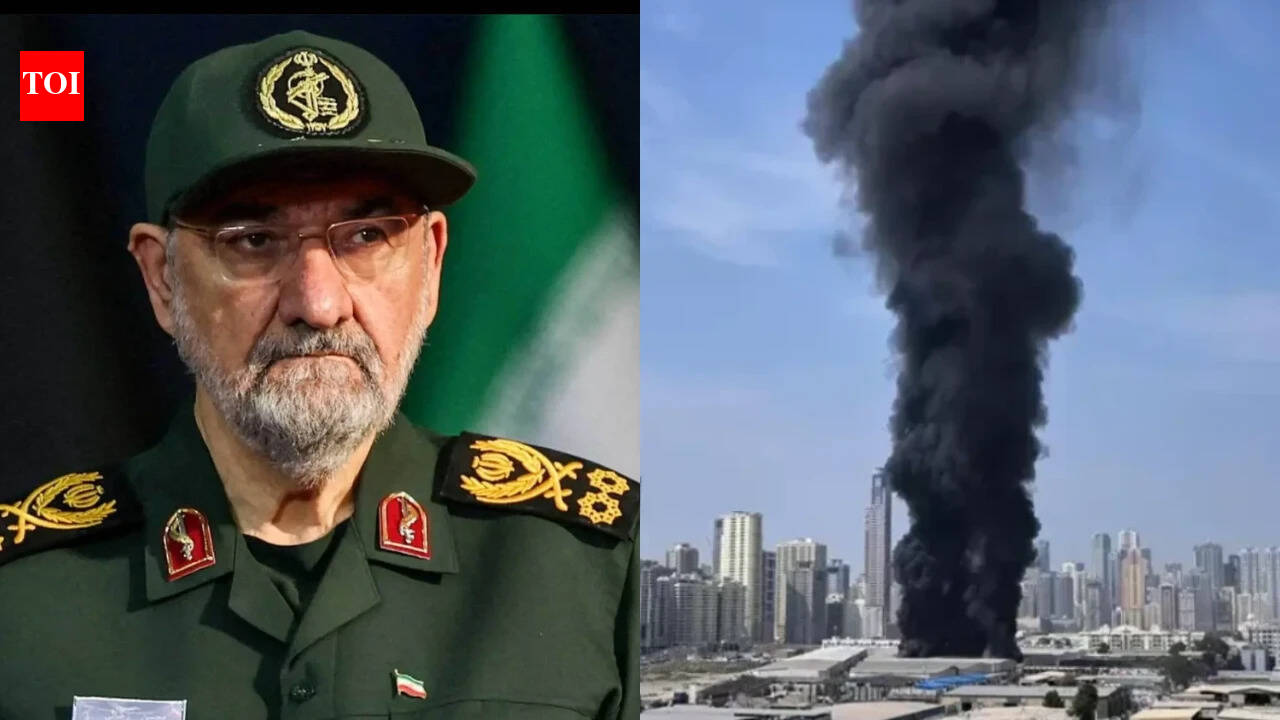
As at Sept 23, American military forces had redirected 115 commercial vessels as part of enforcement of the “steel wall blockade”, US Central Command said in a statement posted on social media.
asserted
Command → redirect → media
Brent Crude held gains early on Sept 24 to trade near US$103 a barrel after jumping almost 4 per cent in the previous session.
asserted
Crude → hold → session
The US and Israel started the war against Iran in late February, with the stated aim being to prevent Tehran from developing a nuclear weapon.
asserted
aim → start → weapon
The conflict has roiled the Middle East and energy markets and resulted in a months-long stand-off, with traffic severely restricted through Hormuz.
asserted
traffic → roil → Hormuz
At the same time, little is known about the present state of Iran’s atomic activities.
asserted
little → know → activities
Questions surrounding the Islamic Republic’s nuclear programme won’t be “resolved on the battlefield”, Pezeshkian said.
asserted
Pezeshkian → surround → battlefield
Asked about Iranian criticism of Trump’s assertive UN speech, US Secretary of State Marco Rubio accused Tehran of undermining the international system by supporting militant groups across the Middle East.
asserted
Rubio → ask → East
“I don’t know what standing Iran has to lecture anyone on human rights or the international system when they habitually violate it,” Rubio told reporters in New York.
asserted
Rubio → know → York
“They violate the sovereignty of every one of their neighbours by sponsoring terrorist organisations that reside within the borders of those countries.
asserted
that → violate → countries
They slaughter their own people.
asserted
They → slaughter → people
They violate rules and sanctions that were imposed by the international community.”
asserted
that → violate → community
The Iranian president’s appearance in New York put him in the unusual position of addressing foreign leaders on US soil while the Islamic Republic is at war with Washington, giving Tehran a high-profile platform to present its side of the conflict.
asserted
Republic → put → conflict
Pezeshkian is also due to hold bilateral meetings with other leaders in New York.
asserted
Pezeshkian → hold → York
US-Iran talks have effectively been on hold since June, when a memorandum of understanding that would have reopened the Strait of Hormuz quickly collapsed.
asserted
that → reopen → Hormuz
On Sept 23, Rubio characterised the talks as positive and a “continuation” of previous discussions.
asserted
Rubio → characterise → discussions
“I don’t want to mischaracterise this as a major breakthrough, but at the same time, I think it was significant that at least there was a conversation,” he said.
asserted
he → want → time
One sticking point is Tehran’s push to charge ships fees, an idea opposed by the US and Gulf countries.
asserted
point → charge → US
Tehran says its nuclear activities are peaceful, while Washington has sought restrictions on the programme as part of a broader agreement.
asserted
Washington → say → agreement
 The Aporia