That is 0 articles you have read today.
The Aporia is free and carries no advertising, so readers are the only
thing paying for it. If you are getting this much out of it, a small
donation is what keeps it independent.
Daily limit reached
You have read 0 articles today.
That is more than the 15 a day The Aporia gives away,
and well past what it can carry on nothing. Your allowance resets at
midnight.
There is no advertising here and nothing about you is sold, so readers
are the only thing paying for it. If the site is worth this much of
your day, it is worth a few dollars.
Everything else stays open: the
maps, the
directory and
search do
not count against this, and neither does re-opening something you have
already read today.
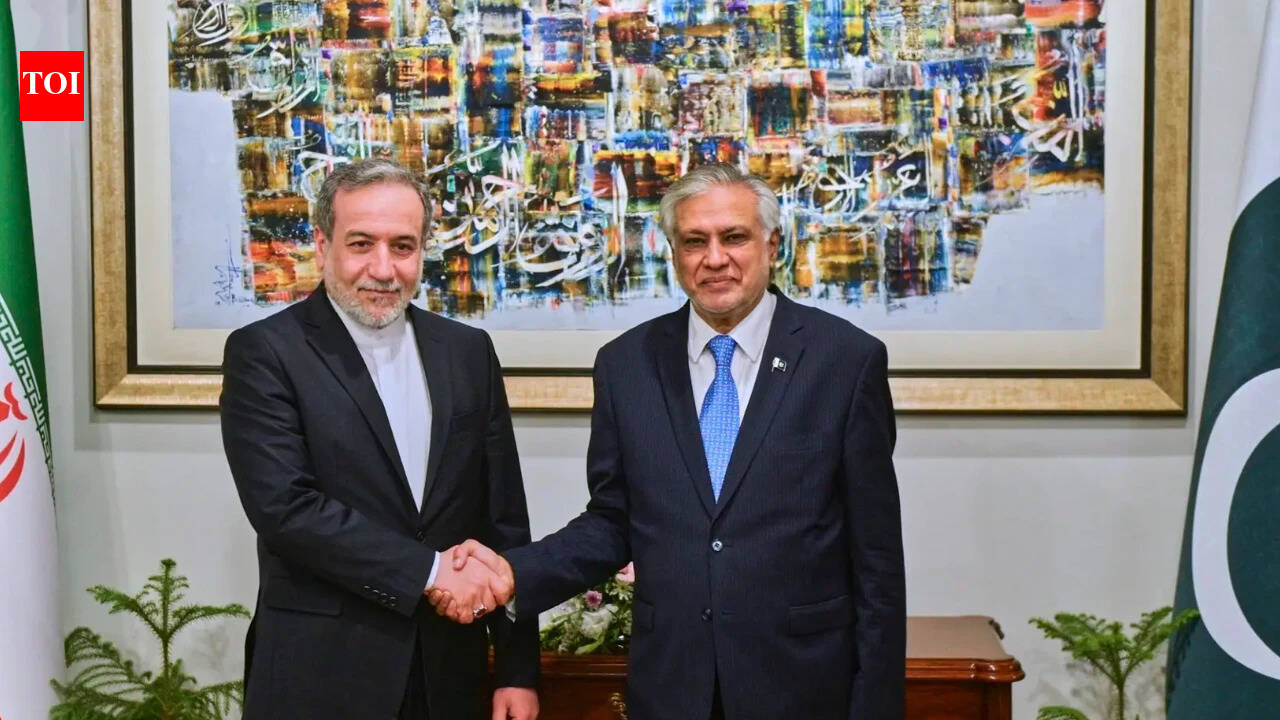
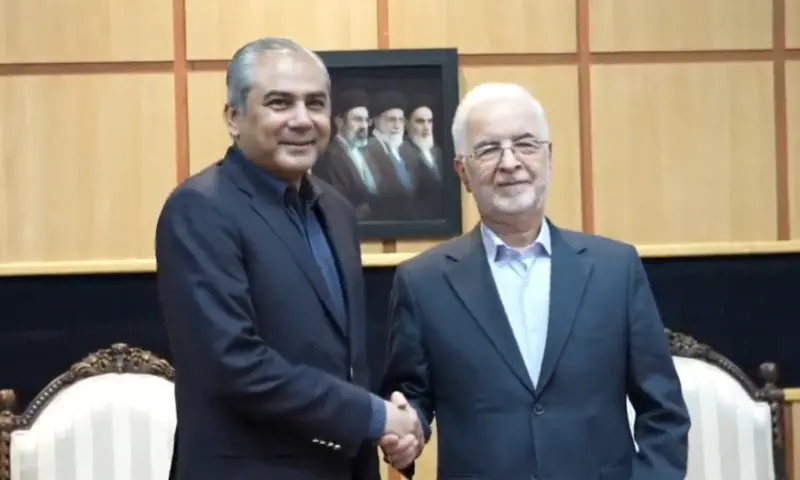
Deputy Prime Minister Ishaq Dar emphasized the importance of uninterrupted energy supplies and safe shipping during a phone call with Iranian Foreign Minister Abbas Araghchi on Saturday. The discussion centered on regional developments, particularly concerning maritime routes like the Strait of Hormuz and Bab al-Mandab, which are crucial for global trade and energy supplies but face disruptions due to recent conflicts. Pakistan and Iran agreed to maintain close cooperation and meet at the upcoming UN General Assembly in New York next week.
Written locally by qwen2.5:14b on 2026-09-19,
using this article's own text rather than the other coverage of the
same event (that is the story summary below).
Story summary
Deputy Prime Minister and Foreign Minister Ishaq Dar of Pakistan held a phone call with Iranian Foreign Minister Abbas Araghchi on Saturday to discuss regional developments. Dar emphasized the importance of “uninterrupted energy supplies” and the "safe and expeditious passage of ships," noting these issues' implications for developing countries and global supply chains. Both ministers agreed that dialogue and diplomacy are crucial for maintaining peace and stability in the region. They also committed to meeting on the sidelines of the 81st UN General Assembly in New York next week. The conversation came amid concerns over disruptions to commercial shipping through key maritime routes like the Strait of Hormuz and Bab al-Mandab, critical for global trade and energy supplies.
Written for “Energy Supplies Talks Pakistan Iran” on 2026-10-05,
grounded in this article and the 1 other(s) covering the same event.
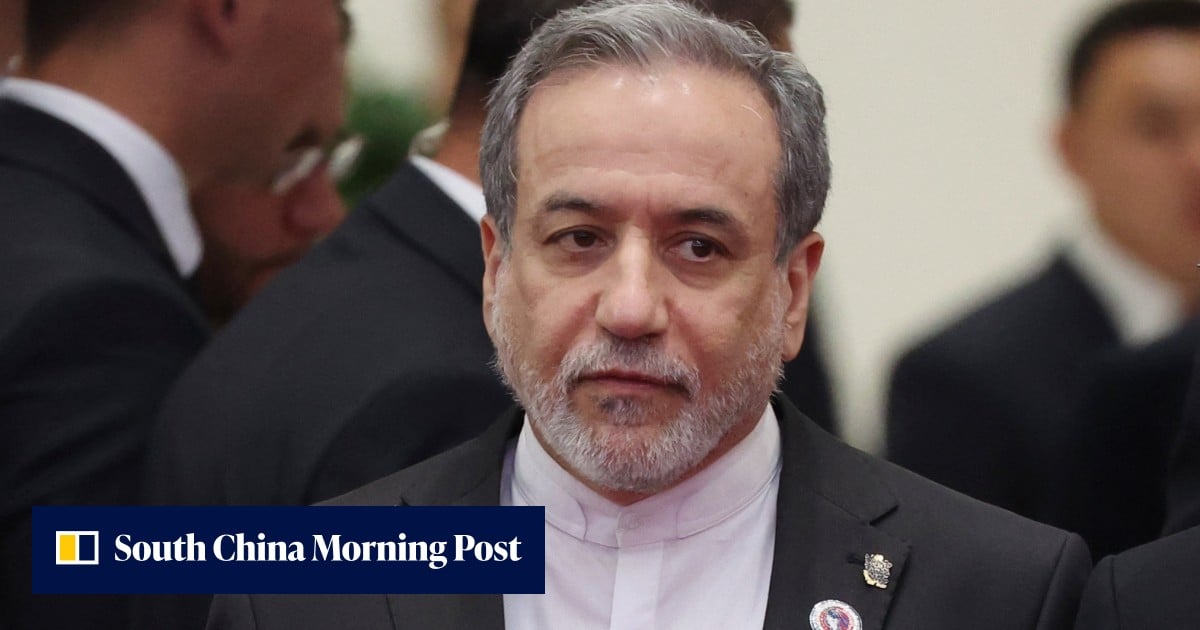
Deputy Prime Minister and Foreign Minister Ishaq Dar stressed the importance of “uninterrupted energy supplies” and the “safe and expeditious passage of ships” during a conversation with Iranian Foreign Minister Abbas Araghchi on Saturday, the Foreign Office (FO) said.
asserted
Office → stress → Saturday
In a post on X, FO said the deputy premier and the top Iranian diplomat discussed the latest regional developments.
asserted
premier → say → developments
Dar “stressed the importance of uninterrupted energy supplies and the safe and expeditious passage of ships, particularly given their implications for developing countries and global supply chains”.
He underscored that “dialogue and diplomacy remain the only viable means to ensure peace and stability in the region”, the statement added.
asserted
statement → stress → region
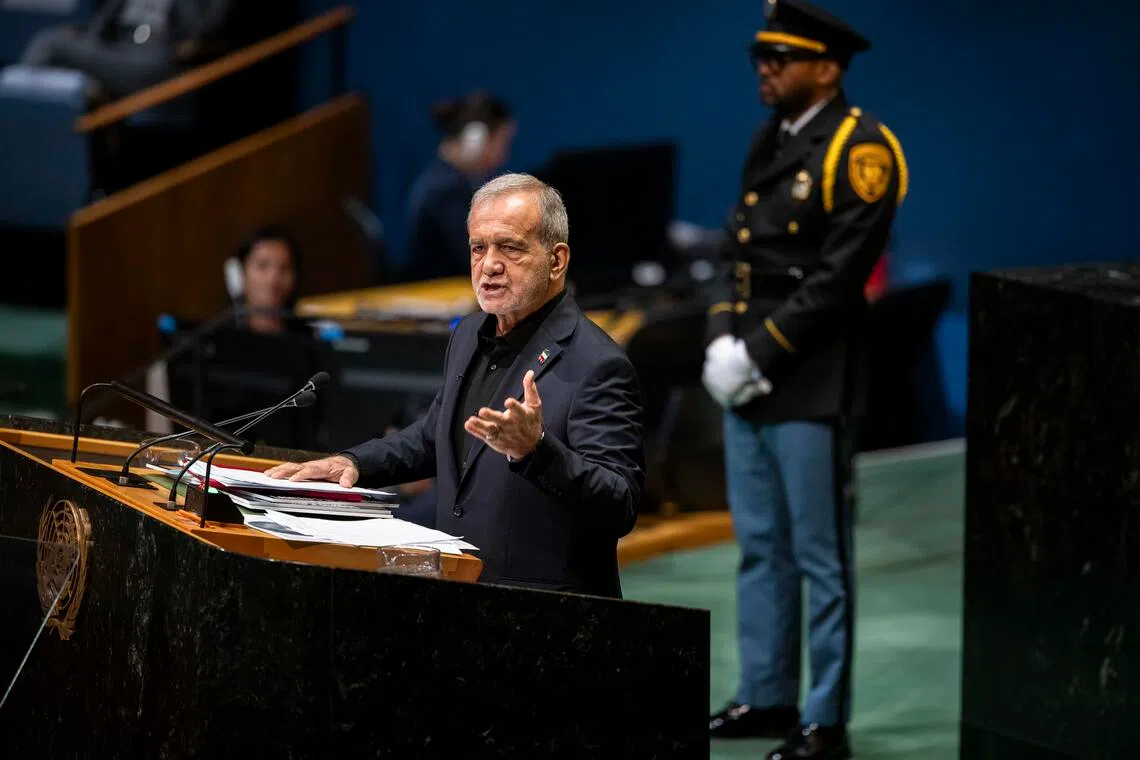
The two agreed to maintain close cooperation and meet in New York on the sidelines of the 81st UN General Assembly next week, according to FO.
uncertain
two → agree → FO
The phone call came amid concerns over disruptions to commercial shipping in the Strait of Hormuz and Bab al-Mandab, two key maritime routes for global trade and energy supplies.
asserted
call → come → trade
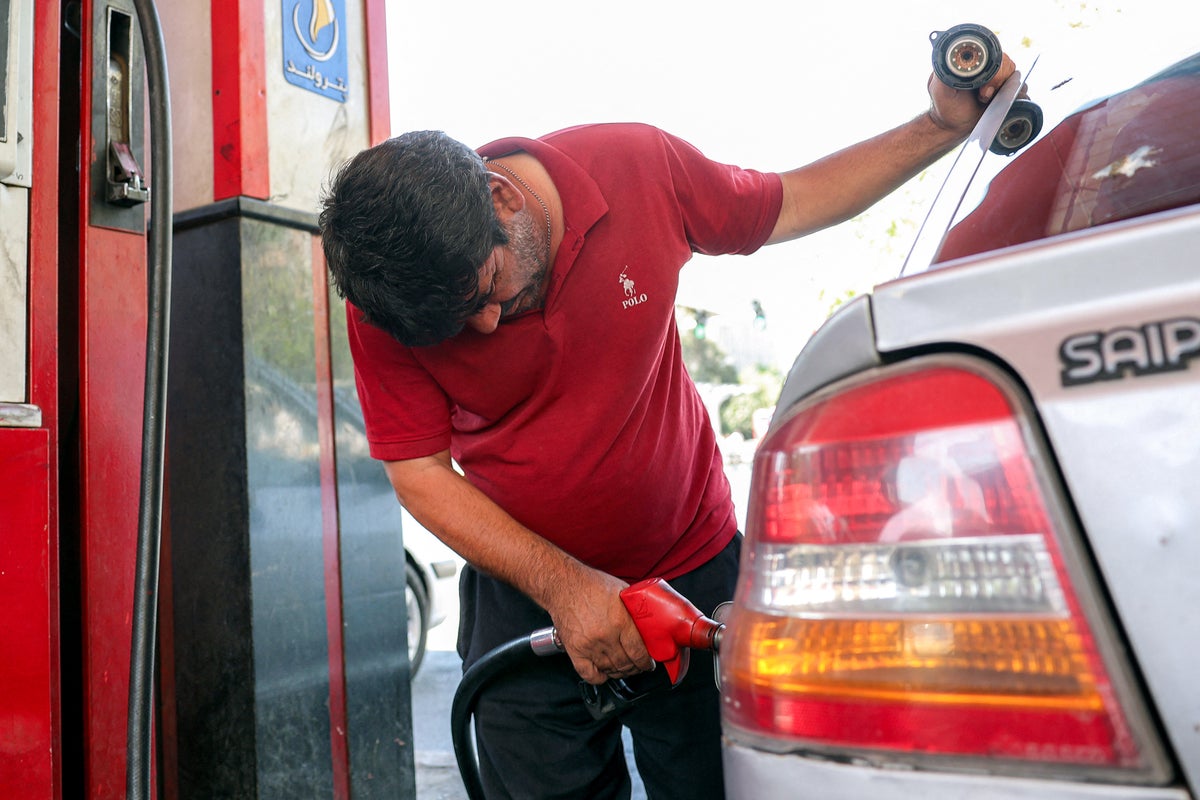
Iran’s stranglehold on the strategic Strait of Hormuz since the US launched its war on February 28 has already impacted oil exports from the Middle East.
asserted
US → launch → East
Fears of worsening disruption have intensified after the Houthis seized control of Yemen’s Red Sea coast and the Bab al-Mandab strait a week ago, declaring a maritime blockade on Riyadh.
asserted
Houthis → worsen → Riyadh
While the current blockade is limited to Saudi ships, fears of a wider closure persist.
asserted
fears → limit → closure
On Friday, Pakistan condemned Houthi attacks on merchant shipping in Bab al-Mandab and called for their immediate cessation.
asserted
Pakistan → condemn → cessation
Pakistan’s Permanent Representative to the UN Ambassador Asim Iftikhar Ahmad said that disruptions and attacks on merchant vessels could have implications far beyond the affected regions, including by affecting energy prices and global food security.
uncertain
disruptions → say → prices
Ambassador Asim also linked Pakistan’s position on maritime security to its diplomatic efforts following the outbreak of hostilities between Iran and the United States.
asserted
Asim → link → Iran
“Guided by these foundational principles, Pakistan acted as a mediator between Iran and the United States, following the outbreak of hostilities between the two countries,” he said.
asserted
he → guide → countries
Last week, FO described the situation around the Bab al-Mandab Strait as “exceptionally serious” and said Islamabad was concerned about the widening conflict and its implications for regional stability and maritime security.
asserted
Islamabad → describe → stability
It called for the Houthi conflict to be addressed through “dialogue and diplomacy, and not through coercive measures”.
asserted
conflict → call → measures
Meanwhile, Iran’s interior ministry said on Saturday that efforts were under way to resolve outstanding issues and return to the Islamabad Memorandum of Understanding signed between Tehran and Washington in June.
asserted
efforts → say → June
Ministry spokesperson Ali Zeynivand said Iran demands that “the other party adhere to its commitments in this agreement”, according to Al Jazeera, which cited the semi-official Tasnim news agency.
uncertain
which → say → agency
The fragile ceasefire had collapsed in July after attacks on commercial ships in the Hormuz strait, with the US and Iran trading strikes for 13 consecutive days.
asserted
US → collapse → days
 The Aporia