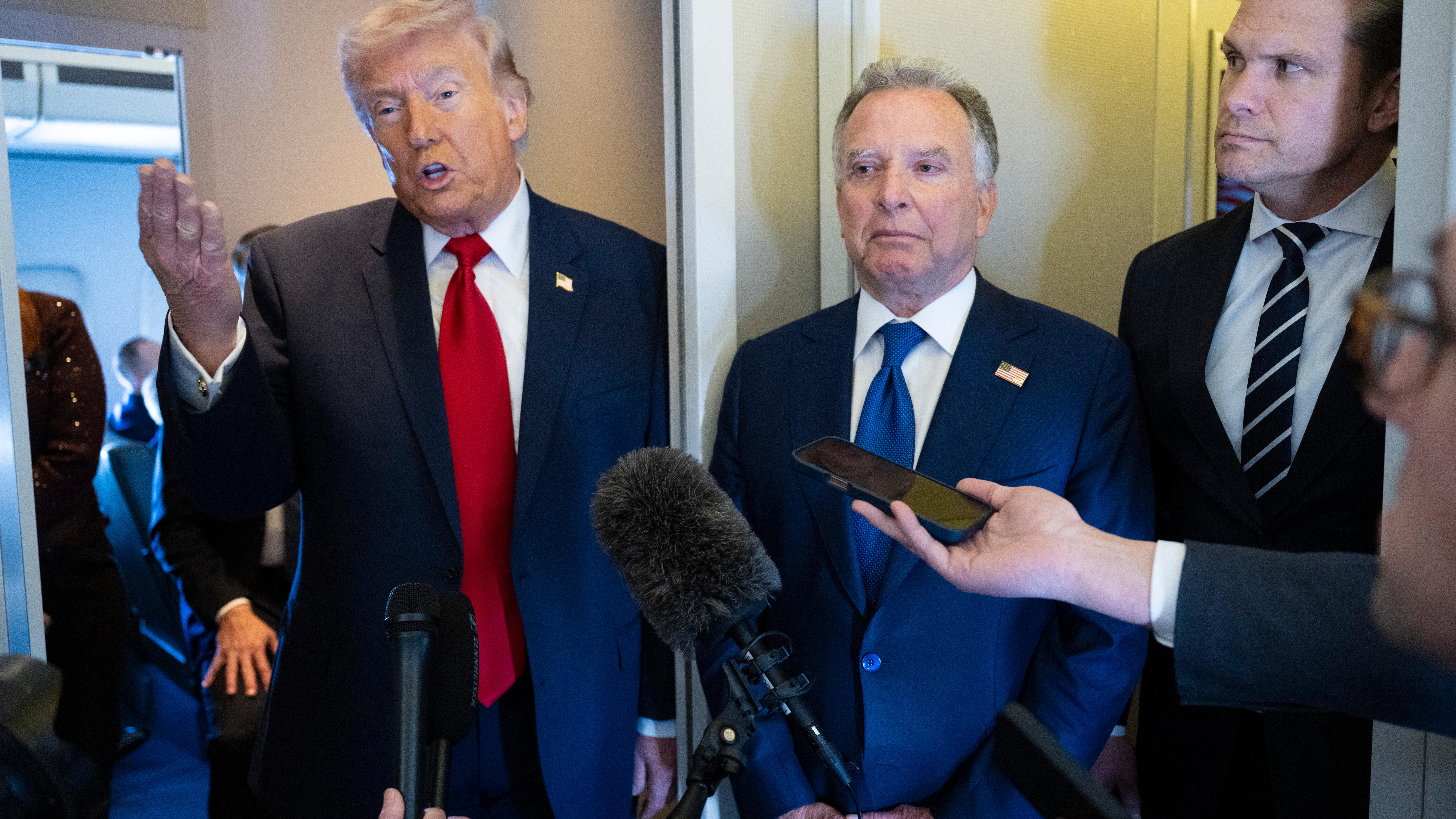
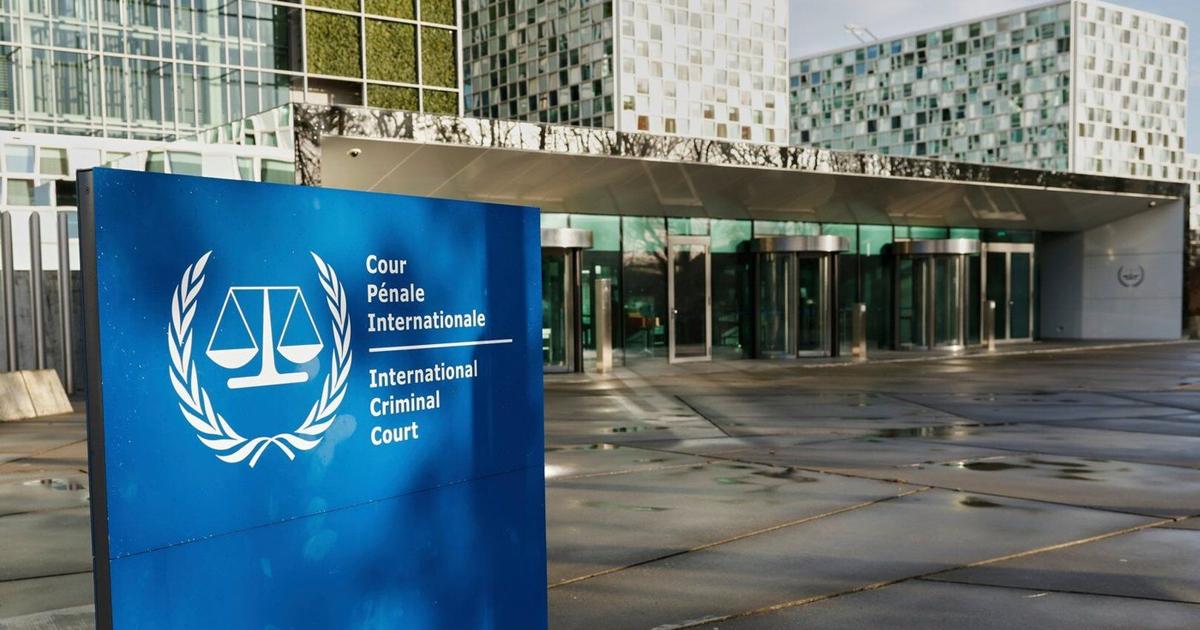
European leaders are rallying behind the International Criminal Court (ICC) after President Donald Trump called for countries to "immediately" resign from the organization, amid a broader push by the U.S. Administration to dismantle it.
asserted
countries → rally → it
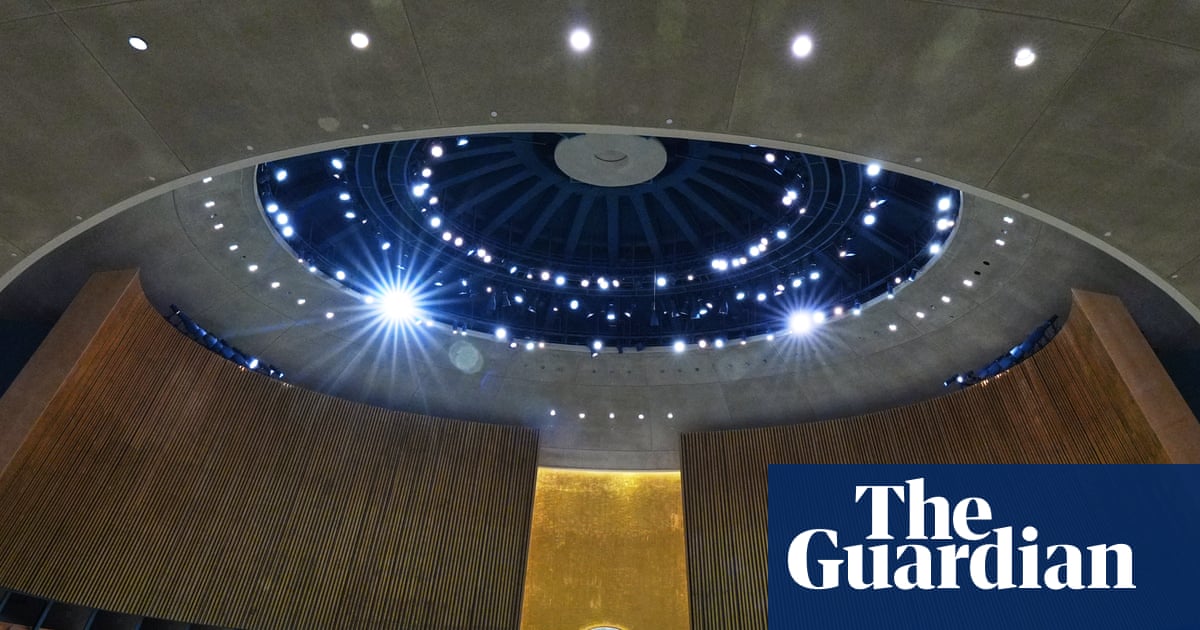
Irish Taoiseach (Prime Minister) Micheál Martin pledged his support for the intergovernmental organization and said Ireland “strongly opposes efforts to undermine the court,” during his speech at the United Nations General Assembly in New York on Thursday.
asserted
Ireland → pledge → Thursday
Referencing the Hague-based court as he discussed the conflict in Ukraine, Martin said Russia must be held “accountable” for its actions.
asserted
Russia → reference → actions
“There can be no impunity for war crimes… that is why Ireland is a steadfast supporter of the International Criminal Court,” he said, stressing that all “measures against it should be immediately withdrawn.”
asserted
measures → say → it
Netherlands Prime Minister Rob Jetten issued a similar defense of the ICC earlier in the day.
asserted
Jetten → issue → day
Without directly mentioning Trump or the U.S., Jetten reflected on how the court has come “under attack” and asked how can anyone “possibly be opposed to prosecuting the very worst crimes?"
uncertain
anyone → mention → crimes
“I believe there can be only one response,” he continued.
asserted
he → believe → ?
“To say: 'hands off' the ICC, and all those other institutions that protect the international legal order.”
asserted
that → say → order
The remarks drew loud applause from attending delegates.
asserted
remarks → draw → delegates
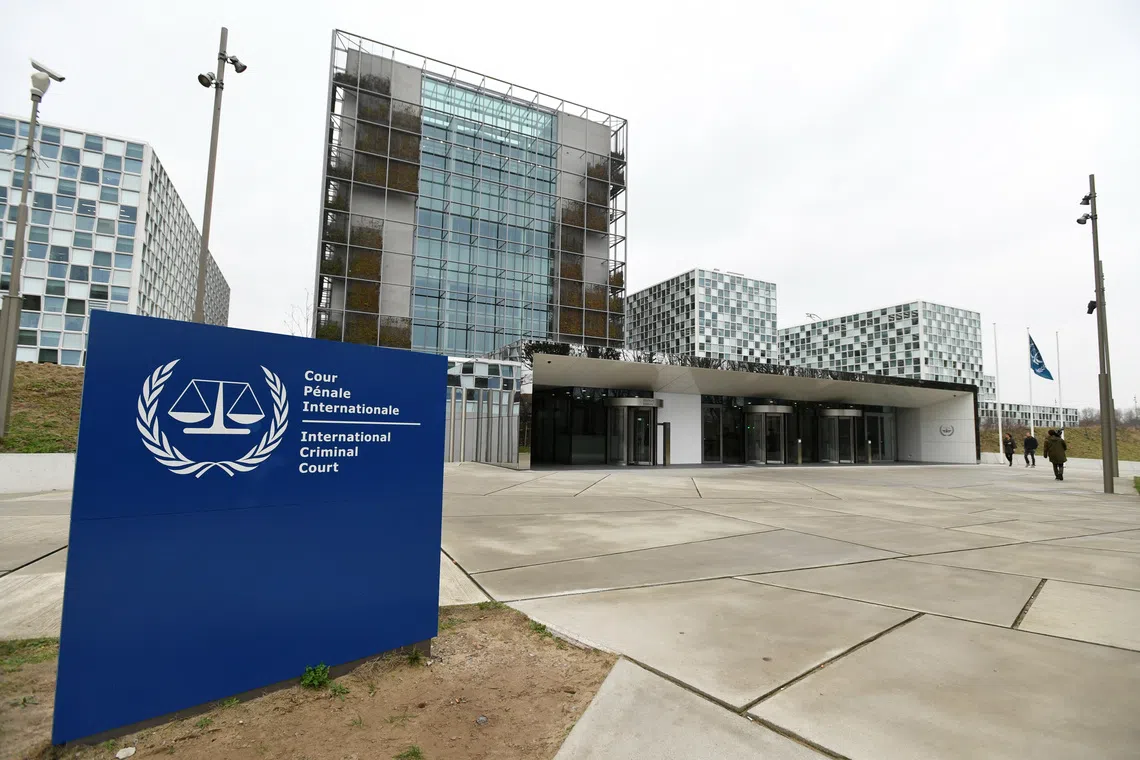
The ICC is recognized as the world’s highest criminal court.
asserted
ICC → recognize → court
It draws its jurisdiction from the Rome Statute, a treaty that went into effect in 2002 and is ratified by 125 countries.
asserted
that → draw → countries
Neither the U.S. nor Israel is a state party to the Rome Statute, and therefore they do not recognize the jurisdiction of the court.
asserted
they → recognize → court
Trump has long complained that the ICC oversteps its authority and should not claim jurisdiction over U.S. citizens.
uncertain
ICC → complain → citizens
His calls against the organization culminated in a public appeal at the U.N. on Tuesday.
asserted
calls → culminate → Tuesday
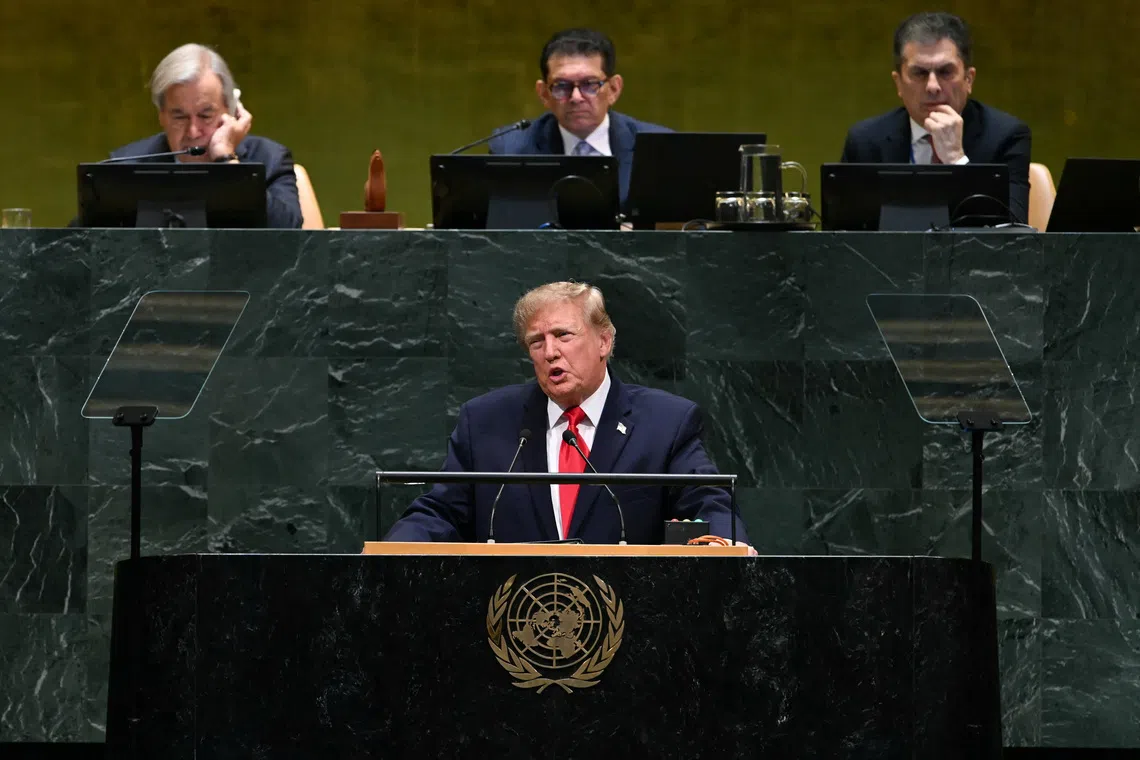
During his 45-minute speech, Trump called “on all nations that are members of the ICC to officially resign from this rogue institution, immediately.”
asserted
that → call → institution
He said the U.S. is “opposed to the out-of-control institution known as the ICC” and “will never allow U.S. service members or anyone else to be investigated or given show trials by an anti-American tribunal with no jurisdiction over us.”
asserted
members → say → us
His call to action was swiftly rejected by German Foreign Minister Johann Wadephul.
asserted
call → reject → Wadephul
"We will, of course, not be doing that," Wadephul told Germany's Deutschlandfunk radio station on Wednesday.
asserted
Wadephul → do → Wednesday
He described the court as "an important institution” and said the issue is "one of the areas where we do indeed have to acknowledge a regrettable difference in policy from the U.S. Administration."
asserted
we → describe → Administration
Similarly, European Council president Antonio Costa said the E.U. stands “firmly behind” the ICC and argued it’s “unacceptable to threaten or attack the International Criminal Court, its officials, and its staff.”
At the U.N. assembly, the only nation to follow Trump’s lead appeared to be Naoero, a microstate island country formerly known as Nauru.
asserted
nation → say → Nauru
Naoero President David Adeang said in his speech late Tuesday that he would formally withdraw his country from the Rome Statute, citing the ICC’s “increasing irrelevance.”
"Naoero joins a growing number of nations standing up for their sovereignty against the ICC’s illegitimate overreach,” said U.S. Assistant Secretary for East Asian and Pacific Affairs Michael DeSombre, after meeting with Naoero’s Deputy Foreign Minister.
asserted
DeSombre → say → Minister
Leaving the ICC is neither an immediate or clean break, experts tell TIME.
asserted
experts → leave → TIME
Withdrawal takes at least a year, and states remain bound to cooperate with proceedings opened before their departure, according to Sergey Vasiliev, a professor of international law at Open University Netherlands.
uncertain
states → take → Netherlands
“The state that intends to withdraw has to file a notification of withdrawal from the statute, and it comes into effect only one year after such notification has been received by the depository of the treaty,” he says.
asserted
he → intend → treaty
“Those states are still obliged to provide full cooperation to the court for all the proceedings and cases that started while they were a state party and right until the moment when their withdrawal becomes effective.”
asserted
withdrawal → oblige → moment
In addition to Naoero, five other states—Niger, Burkina Faso, Mali, Venezuela, and Chad—have moved to withdraw.
asserted
states → move → Naoero
Vasiliev calls their planned departures a “serious loss,” but says it is not “lethal to the existence of the ICC.”
asserted
it → call → ICC
Hungary formally moved to withdraw from the ICC last year under former Prime Minister Viktor Orbán, but his successor, Péter Magyar, reversed the decision, signaling its renewed commitment to the organization.
asserted
successor → move → organization
A timeline of Trump’s campaign against the ICC
Trump’s complaints with the ICC date back to his first term.
asserted
complaints → date → term
In late 2017, the ICC requested to open an investigation into American actions overseas, looking into alleged war crimes committed by U.S. personnel in Afghanistan.
asserted
ICC → request → Afghanistan
Trump pushed back and challenge the court’s authority.
asserted
Trump → push → authority
During his speech at the U.N. General Assembly in 2018, he claimed the ICC had “no jurisdiction, no legitimacy, and no authority” and vowed to “never surrender America’s sovereignty to an unelected, unaccountable, global bureaucracy.”
asserted
ICC → claim → bureaucracy
“The United States has always objected to the ICC's exercise of jurisdiction over its service members,” says Vasiliev, noting this has been an ongoing point of contention.
asserted
this → object → contention
However, “the ICC has jurisdiction over crimes committed on the state party territory, even when those crimes are committed by non-state party nationals,” he adds.
asserted
he → have → nationals
In 2020, Trump signed an Executive Order issuing sanctions in response to the ICC’s Afghanistan investigation, calling the court’s actions “illegitimate assertions of jurisdiction.”
asserted
Trump → sign → jurisdiction
The sanctions and visa restrictions against personnel of the ICC were later revoked by former President Joe Biden in 2021.
asserted
sanctions → revoke → 2021
In recent years, the Trump Administration’s arguments with the ICC have largely centered on the court’s investigation into possible Israeli war crimes in Gaza.
asserted
arguments → center → Gaza
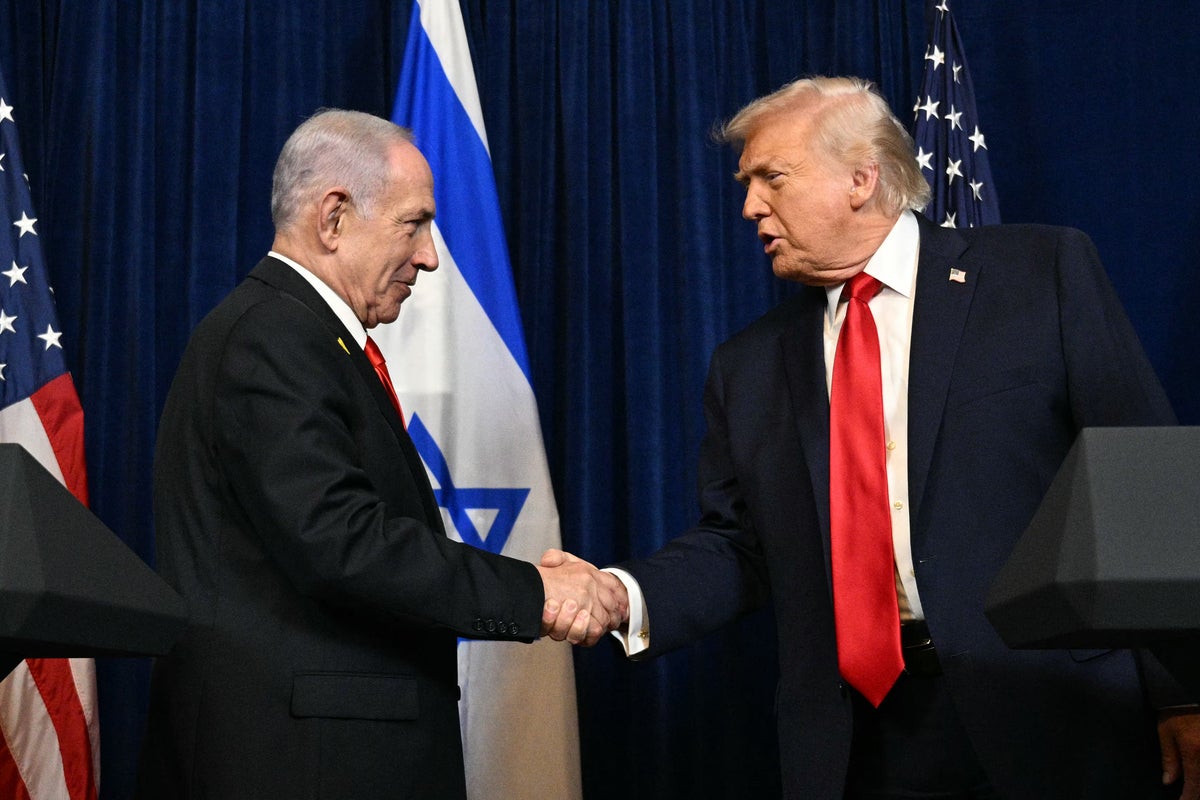
The court issued arrest warrants for Israeli Prime Minister Benjamin Netanyahu, a Trump ally, and Israeli Defense Minister Yoav Gallant in November 2024.
asserted
court → issue → November
New York City Mayor Zohran Mamdani had previously pledged to execute the ICC’s warrant and have Netanyahu arrested when he traveled to the city for the U.N. assembly.
asserted
he → pledge → assembly
But in July, Mamdani conceded that his Administration had “reviewed every avenue available,” only to find they did not have the jurisdiction.
asserted
they → concede → jurisdiction
…and 4 more, not listed.
 The Aporia
.jpg?branch=production&width=2992&quality=75&auto=webp&crop=16:9)



.jpg?branch=production&width=5426&quality=75&auto=webp&crop=16:9)