Story summary
US President Donald Trump met with Chinese President Xi Jinping, where Xi pressed Trump to adopt Beijing's stance against Taiwan independence, which Taiwan rejected outright. Meanwhile, Taiwan is crucial for global tech and economy due to its leading semiconductor production; TSMC alone produces the majority of advanced chips that power smartphones, AI systems, and more. As Stanford Hoover fellow Eyck Freymann noted, economic disruption from a conflict over Taiwan would be severe.
In unrelated developments, Iranian President Masoud Pezeshkian met with US media at the UN General Assembly, where he denied Iran's nuclear ambitions while offering to dilute its enriched uranium and allow inspections under international law. He also blamed Washington for ongoing conflicts in the Middle East. The International Atomic Energy Agency (IAEA) estimates that Iran has over 440 kilograms of uranium enriched up to 60%, raising concerns despite Pezeshkian's denials.
Taiwan's representative, Ambassador Alexander Yui, clarified during an interview on CBS’s "Face the Nation" that while Taiwan was discussed between Trump and Xi, it wasn't a major focus. He emphasized there has been no change in US policy towards Taiwan amid recent tensions with China.
Written for “Taiwan Iran Us Relations Midterms” on 2026-10-05,
grounded in this article and the 386 other(s) covering the same event.
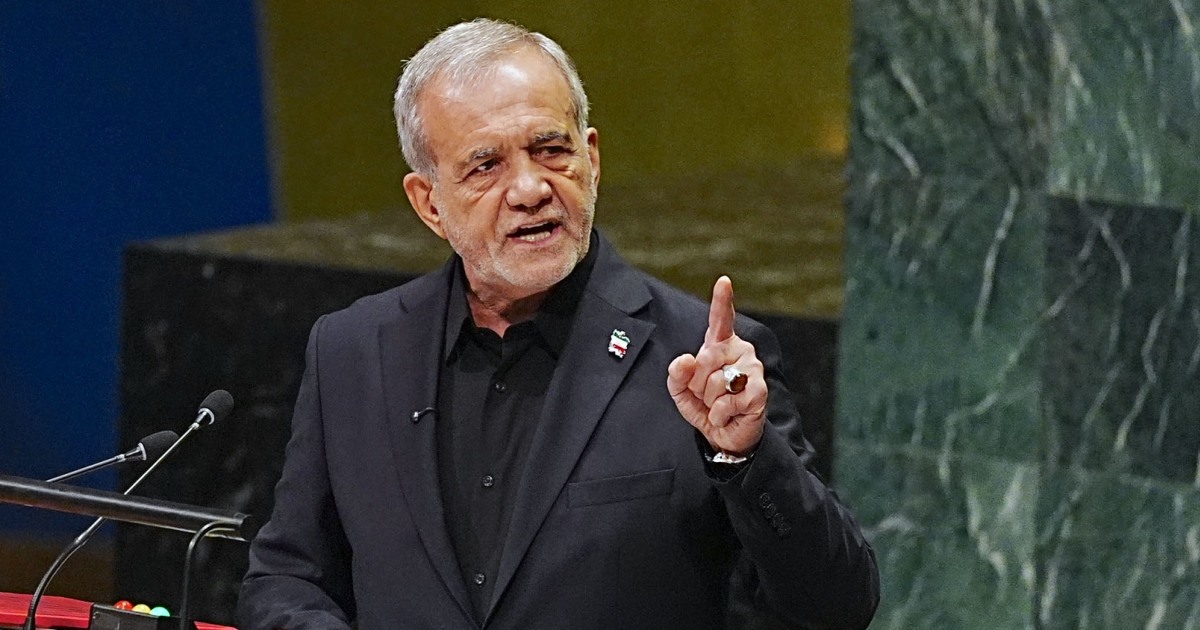
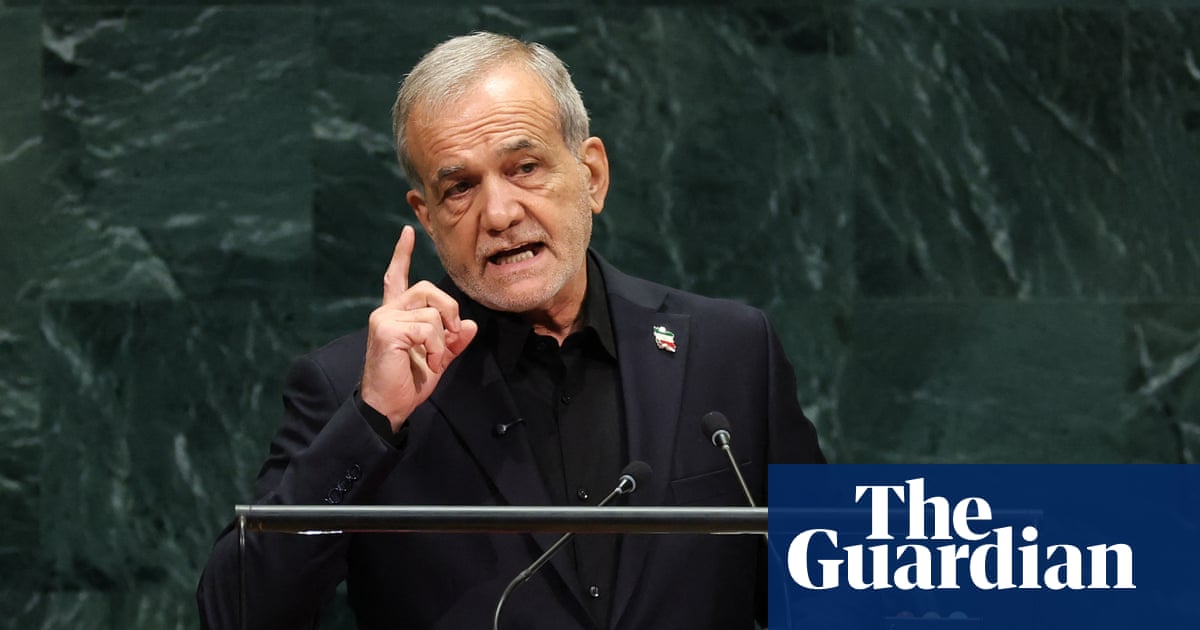
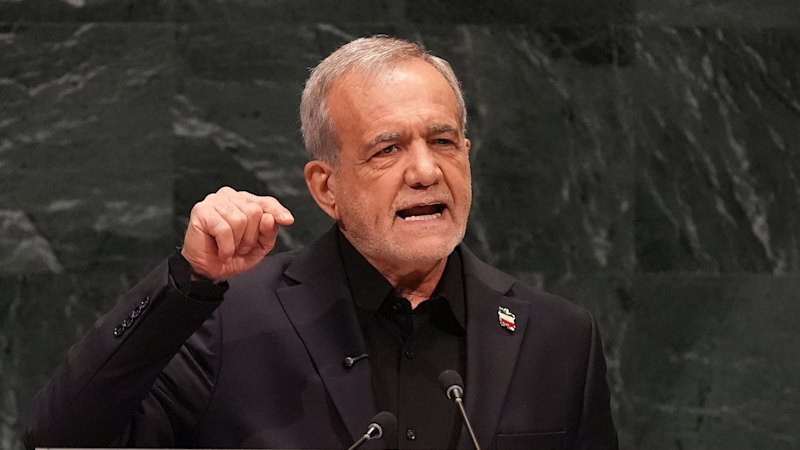
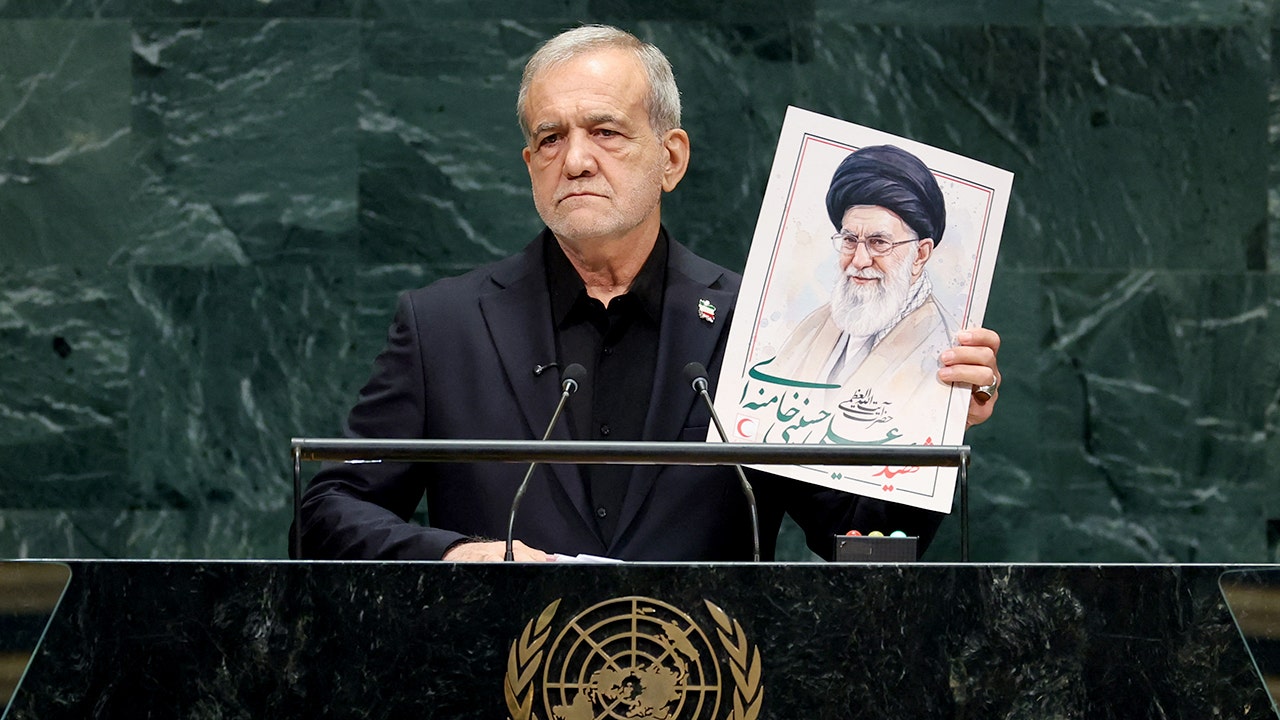
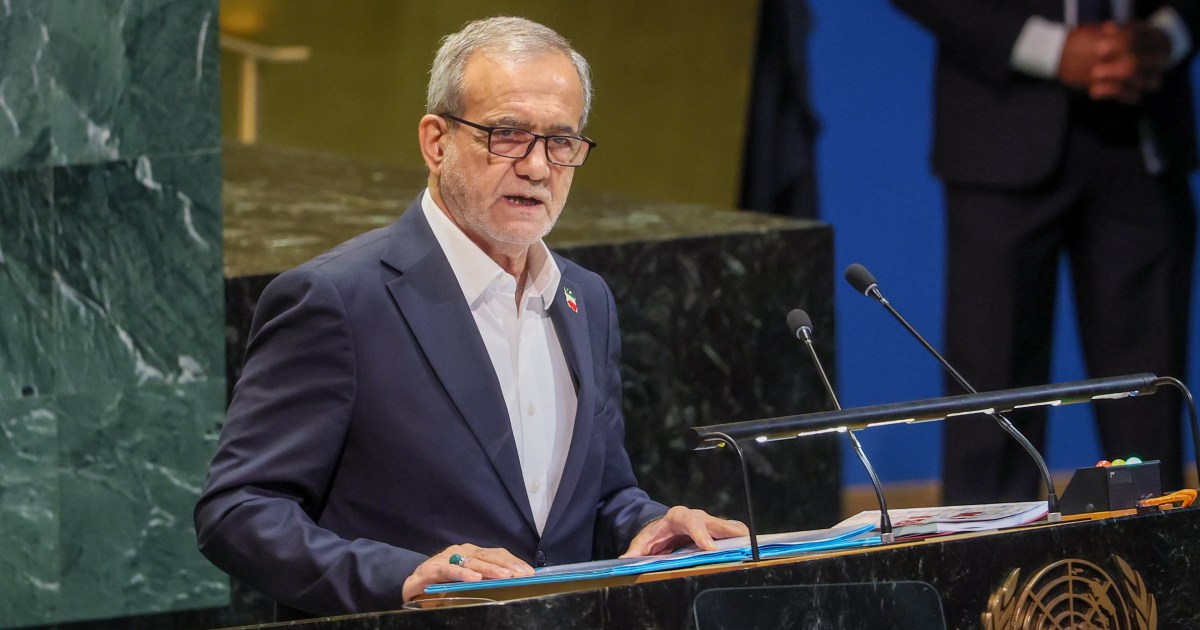
Iranian President Masoud Pezeshkian struck a defiant tone during his address at the United Nations General Assembly on Wednesday, the first time the leader of a country at war with the United States has addressed the world body.
asserted
leader → strike → body
“America and Israel attacked us, equipped with the latest technology and weapon systems, and our people stood steadfast,” Pezeshkian said one day after President Donald Trump had threatened to “annihilate” Iran.
asserted
Trump → attack → Iran
“Yes, they did hit us, but we did not bend the knee, we did not bow our head.”
asserted
we → hit → head
Pezeshkian vowed that Iran would not limit its nuclear program, which it maintains is for civilian purposes, while also saying it was open to negotiations.
asserted
it → vow → negotiations
“Iran’s defense, our defensive systems have been built so that no one can think that bombing of Iranian cities will go unanswered.
asserted
bombing → build → cities
That is why we have the military power we do for defense,” he added.
asserted
he → have → defense
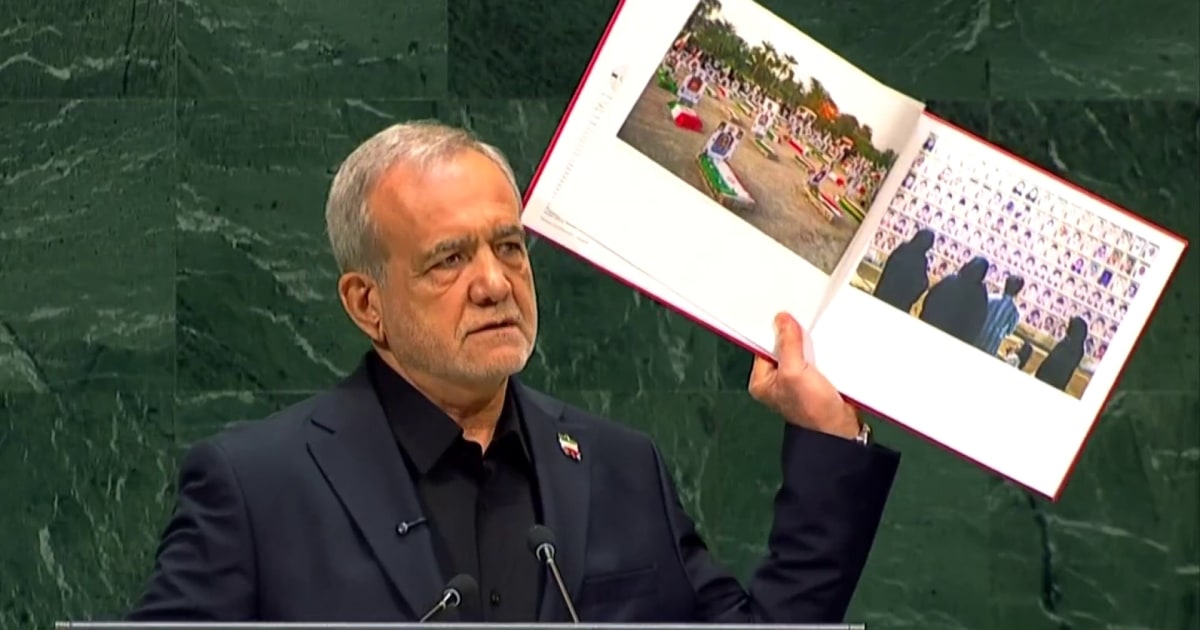
Pezeshkian also highlighted civilian casualties by holding up a picture of children killed when a U.S. munition likely hit an elementary school in Minab in southern Iran, NBC News has reported.
asserted
News → highlight → Iran
While the U.S. military has yet to directly accept the blame for the bombings on the first day of the war, experts commissioned by the U.N.’s top human rights body say they have found “reasonable grounds” to believe America committed war crimes in the strikes, which Iranian state media says killed 168 people, mostly children.
asserted
media → have → people
A U.S. representative at the U.N. walked out as Pezeshkian mentioned civilian casualties, and many seats were empty during his address.
asserted
seats → walk → address
Pezeshkian also displayed a photograph of Supreme Leader Ayatollah Ali Khamenei, who was killed when the Israeli military targeted his compound in Tehran on Feb. 28, alongside members of his family and senior Iranian officials.
asserted
military → display → family
“I don’t know what standing Iran has to lecture anyone on human rights or the international system when they habitually violate it,” Secretary of State Marco Rubio told reporters after the speech.
asserted
Rubio → know → speech
“They violate the sovereignty of every one of their neighbors by sponsoring terrorist organizations that reside in the borders of those countries.
asserted
that → violate → countries
They slaughter their own people.”
asserted
They → slaughter → people
Pezeshkian’s address followed Trump’s speech Tuesday, during which the American president threatened to destroy Iran.
asserted
president → follow → Iran
“I have a big decision to make,” Trump said.
asserted
Trump → have → decision
“Will a deal be made with Iran that lets them rebuild and create a far greater country than it ever was before, maybe one of the greatest in the Middle East or even the world?
asserted
it → make → East
Or do I annihilate the Islamic Republic and do it quickly, never giving them a chance to kill and destroy people and countries again?”
asserted
I → annihilate → people
Despite his threat, Trump later told reporters that U.S. officials had a “very good meeting” with their Iranian counterparts Tuesday.
asserted
officials → tell → counterparts
U.S. envoys held indirect talks with Iranian officials and Qatari diplomats acted as intermediaries, according to a Middle Eastern official with knowledge of the matter.
uncertain
diplomats → hold → matter
The Qatari diplomats conveyed questions and responses from U.S. envoys Steve Witkoff and Trump’s son-in-law Jared Kushner to the Iranian officials, who then relayed their answers back via Qatar, the official said.
asserted
official → convey → Qatar
“I don’t want to mischaracterize this as a major breakthrough, but at the same time I think it was significant that there was at least a conversation,” Rubio said Wednesday.
asserted
Rubio → want → time
U.S. delegation walks out of Iranian president's speech
Pezeshkian also noted that further talks could be possible.
uncertain
talks → walk → speech
“Iran must be understood by Mr. Trump and those who seek to bully us that we are ready for dialogue and diplomacy and negotiations without accepting the language of force,” he said.
asserted
he → understand → force
Trump also said during his U.N. address that there would likely be a deal with Iran after the U.S. midterm elections in November, though he did not provide any additional details.
asserted
he → say → details
Pezeshkian defended Iran’s right to continue with its civilian nuclear program.
asserted
Pezeshkian → defend → program
“We say it clearly: no nuclear weapons and no limitations to new peaceful nuclear technology,” he said.
asserted
he → say → technology
Trump has repeatedly said that the goal of attacking Iran was to prevent the development of a nuclear weapon, which Iranian officials have said for years that they are not pursuing.
asserted
they → say → years
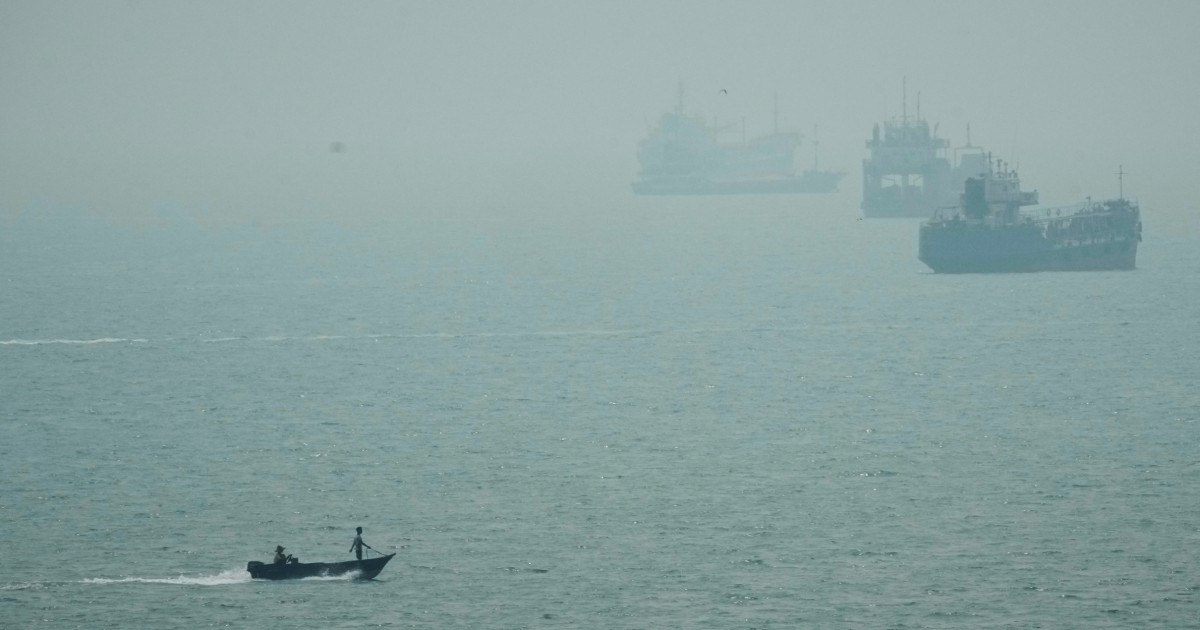
Soon after the war started, however, Iran blocked the Strait of Hormuz, a key waterway through which some 20% of the world’s oil flowed before the conflict, sending shock waves through the world economy.
asserted
% → start → economy
Iran and the U.S. signed a preliminary agreement, often referred to as a memorandum of understanding, in June aimed at ending the war and opening the strait.
asserted
Iran → sign → strait
But heavy fighting broke out again over the summer, with Iran striking U.S. allies throughout the region.
asserted
Iran → break → region
This derailed the talks and left the strait largely closed to maritime traffic as Iran attacked ships and the U.S. imposed a naval blockade, which also included attacks on oil tankers.
asserted
which → derail → tankers
The U.S. military announced the death of four American soldiers in July and Iranian officials have said dozens of civilians have been killed in recent attacks on cities in southern Iran on the coastline of the strait.
asserted
dozens → announce → strait
Any discussions that take place between American and Iranian officials in New York will likely focus on the opening of the strait, according to Sina Azodi, director of the Middle East studies program at George Washington University.
“The main discussion will be over returning to the MOU, which is essentially lifting the blockade on Iran and Iran lifting the blockade on the Strait of Hormuz,” Azodi said, noting that gas prices have spiked in the U.S. and the Iranian economy has been squeezed by the U.S. naval blockade.
uncertain
economy → take → blockade
Before traveling to New York, both Pezeshkian and Foreign Minister Abbas Araghchi were under tremendous pressure from Iranian hard-liners not to hold any talks with U.S. officials.
asserted
Pezeshkian → travel → officials
Some hard-liners see negotiations with the U.S. as a form of capitulation and Pezeshkian and Araghchi will likely face their wrath when they return.
asserted
they → see → wrath
Last year, the late Khamenei set the red lines for Pezeshkian prior to his trip to New York and said negotiating with the U.S. about the country’s nuclear program or other issues would be a dead end.
asserted
negotiating → set → program
This year, his son and successor, Mojtaba Khamenei, does not appear to have publicly laid out any parameters for what the Iranian delegation may discuss with their American counterparts.
uncertain
delegation → appear → counterparts
 The Aporia