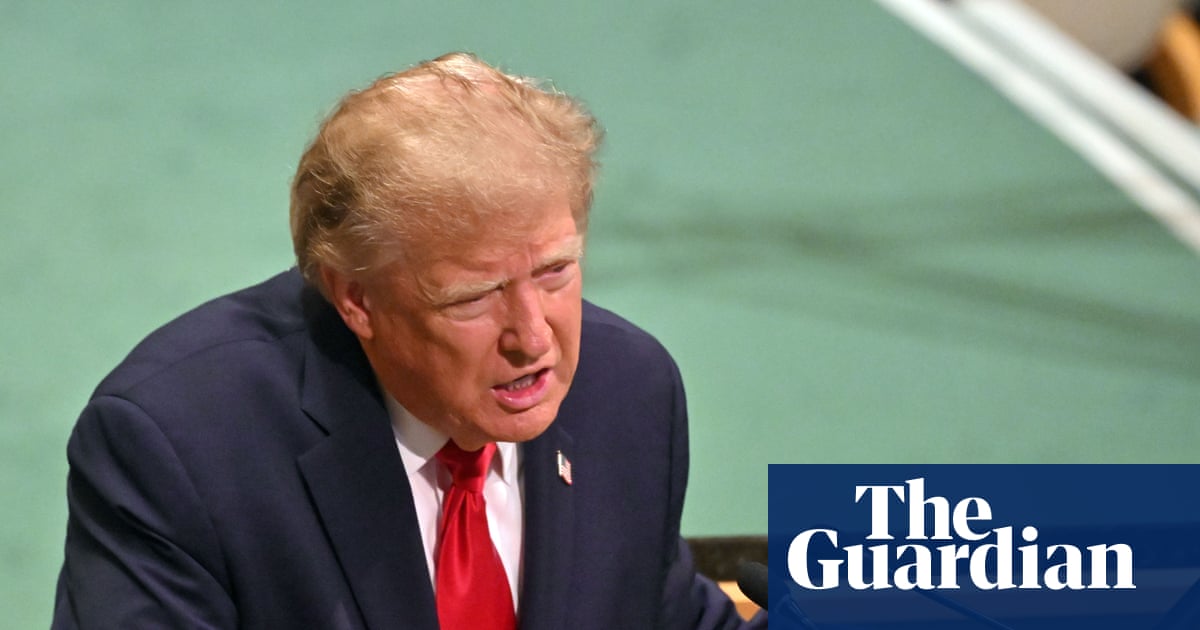
Iran responded to President Donald Trump’s UN speech, where he threatened to ‘annihilate’ Iran if it does not make a deal, by warning that any US attack would result in “crushing blows” against America. The Iranian Armed Forces issued a statement through Press TV asserting that the country would deliver harsh retaliation to aggressors, undermining Trump's rhetoric about altering power dynamics. Meanwhile, oil prices fell below $100 per barrel as tensions between the US and Iran continued, with both sides remaining at an impasse over the conflict in the region.
Written locally by qwen2.5:14b on 2026-09-23,
using this article's own text rather than the other coverage of the
same event (that is the story summary below).
Story summary
US President Donald Trump met with Chinese President Xi Jinping, where Xi pressed Trump to adopt Beijing's stance against Taiwan independence, which Taiwan rejected outright. Meanwhile, Taiwan is crucial for global tech and economy due to its leading semiconductor production; TSMC alone produces the majority of advanced chips that power smartphones, AI systems, and more. As Stanford Hoover fellow Eyck Freymann noted, economic disruption from a conflict over Taiwan would be severe.
In unrelated developments, Iranian President Masoud Pezeshkian met with US media at the UN General Assembly, where he denied Iran's nuclear ambitions while offering to dilute its enriched uranium and allow inspections under international law. He also blamed Washington for ongoing conflicts in the Middle East. The International Atomic Energy Agency (IAEA) estimates that Iran has over 440 kilograms of uranium enriched up to 60%, raising concerns despite Pezeshkian's denials.
Taiwan's representative, Ambassador Alexander Yui, clarified during an interview on CBS’s "Face the Nation" that while Taiwan was discussed between Trump and Xi, it wasn't a major focus. He emphasized there has been no change in US policy towards Taiwan amid recent tensions with China.
Written for “Taiwan Iran Us Relations Midterms” on 2026-10-05,
grounded in this article and the 386 other(s) covering the same event.
- See more Daily Mail on Google - save us as a Preferred Source
Iran has slammed Donald Trump's threat to 'annihilate' the country as 'propaganda', warning that any US attack could trigger 'crushing blows' against America.
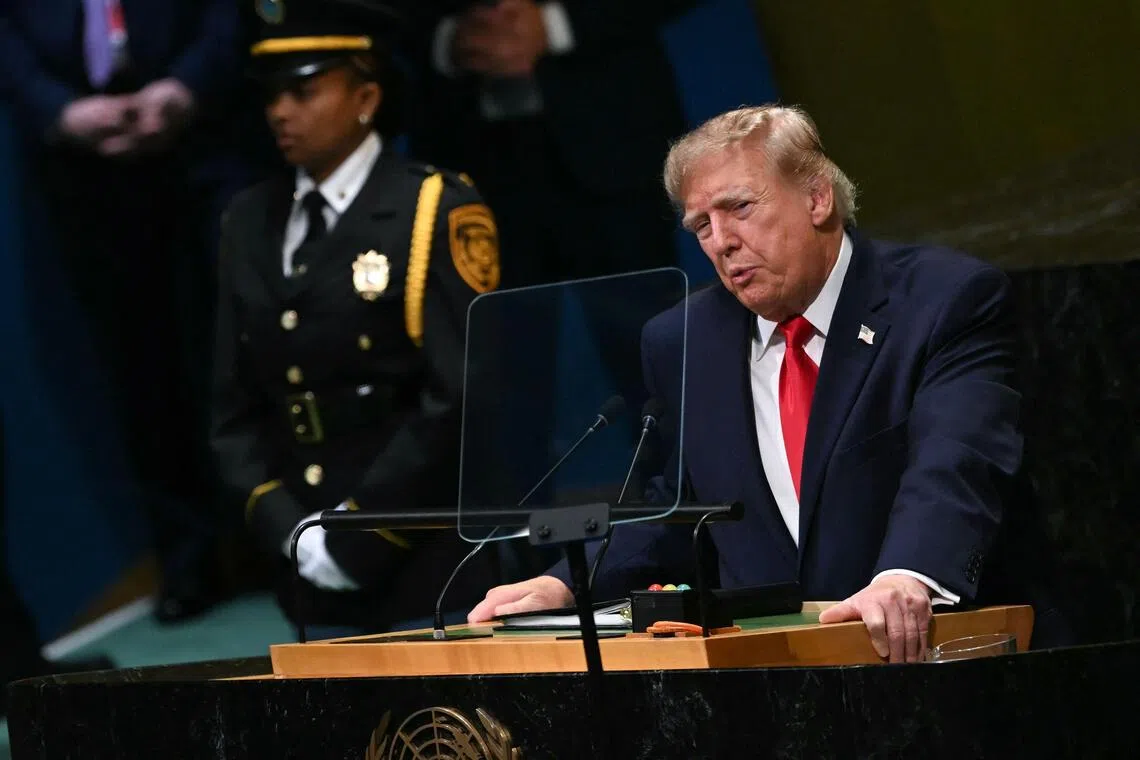
During his speech before the UN on Tuesday, Trump said that he has a decision before him: whether he should make a deal with Iran and let them rebuild, or if he should 'annihilate the Islamic Republic' with additional strikes and 'drive them into Hell.
uncertain
he → see → Hell
'
Trump also accused the 'fanatical' Iranian regime of slaughtering over 72,000 of its own citizens this year, alleging 10,000 were recently killed for protesting.
asserted
10,000 → accuse → protesting
In a statement carried by Iran's Press TV, Iran's Armed Forces warned that the country would deliver 'even harsher, crushing, and unpredictable blows to the aggressors.'
'The rhetoric of the US president will not alter the balance of power calculations and will never compensate for this country's diminished position in the emerging global order or America's humiliating defeats in the war against Iran and the [regional] Resistance Front,' the statement added.
asserted
statement → carry → Iran
Following the threats from both sides, however, Trump said he had a 'very good meeting' with his Iranian counterparts.
asserted
he → follow → counterparts
He said that Iran can embrace 'potential greatness or obliteration.
asserted
Iran → say → greatness
'
'It's to their advantage to make a deal,' Trump said, adding, 'We have another one scheduled with them in the near future.'
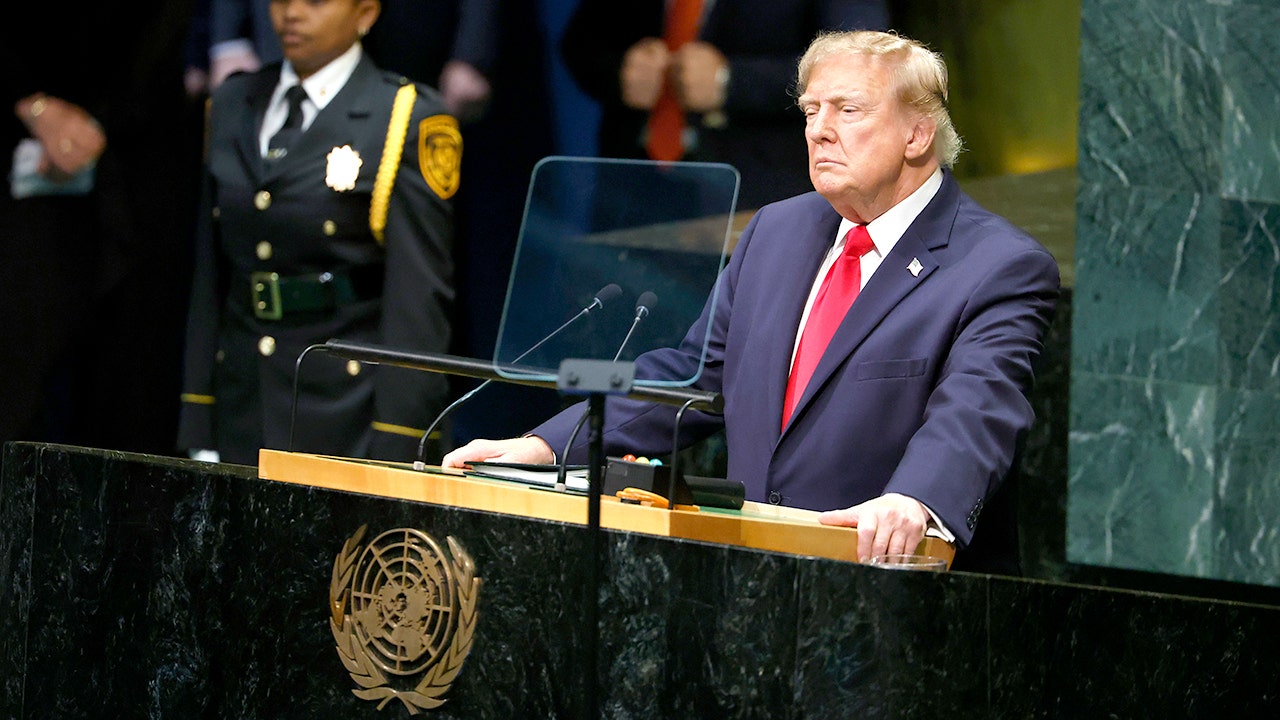
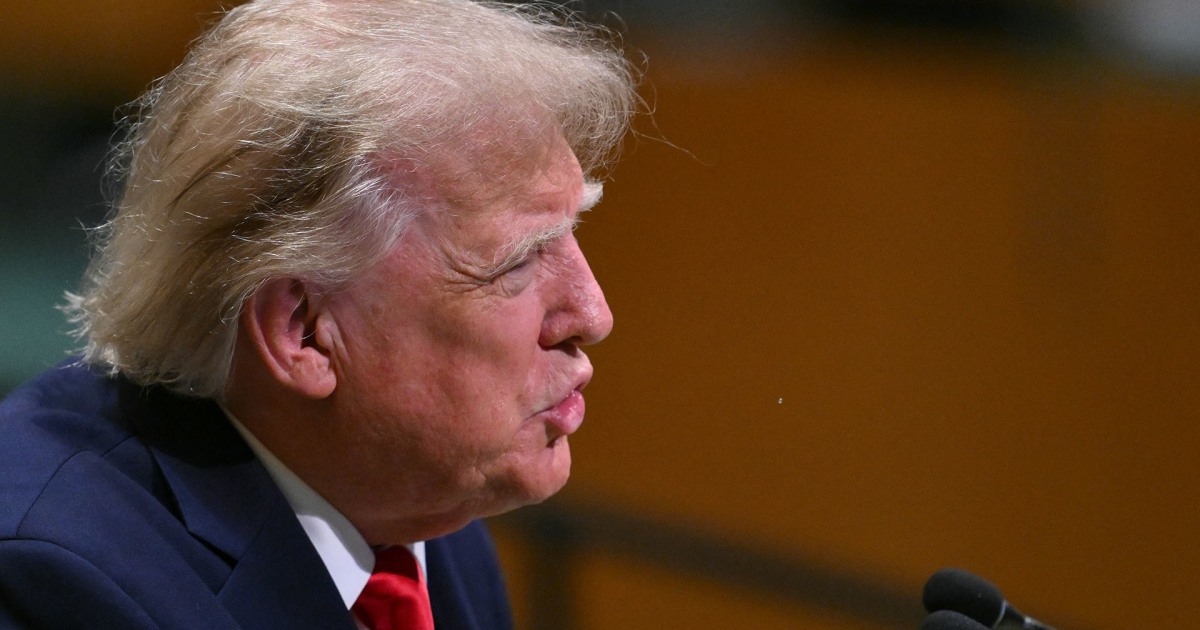
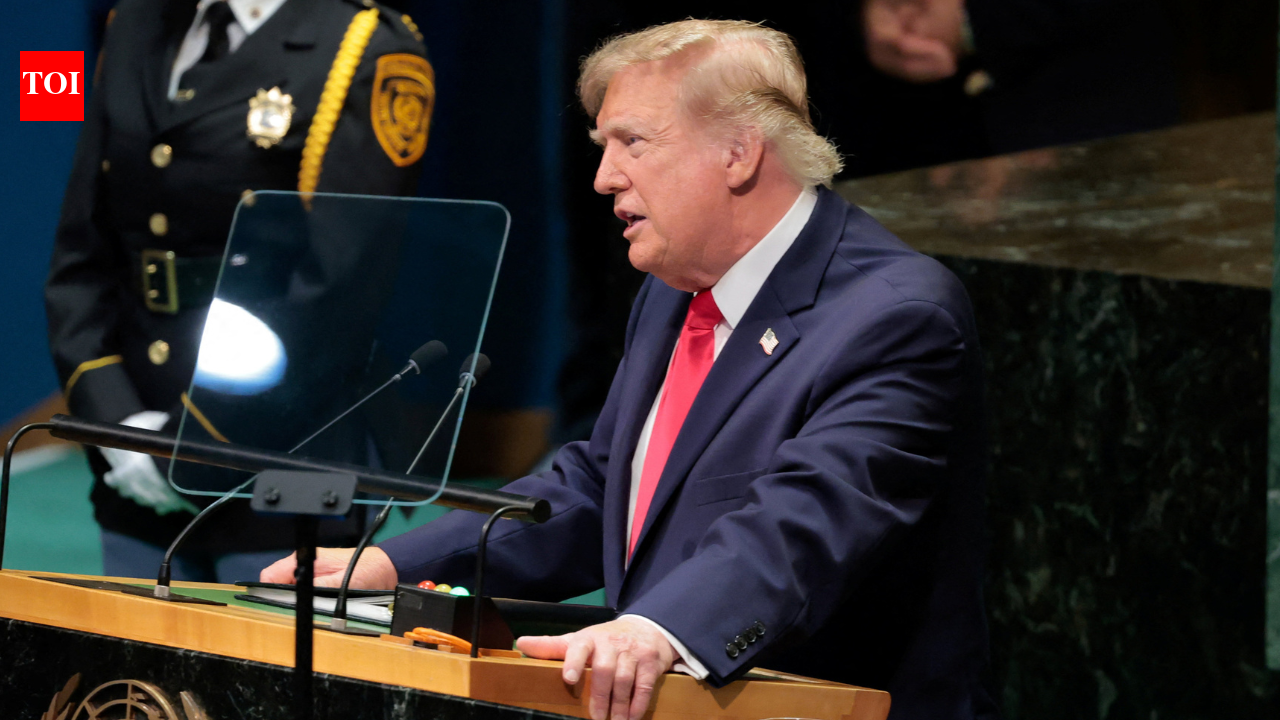
President Donald Trump speaks to the United Nations General Assembly
Iranian President Masoud Pezeshkian (C) during a farewell ceremony before his departure to New York to attend the UN General Assembly
Smoke and fire rise from the site of airstrikes at Mehrabad International Airport in Tehran
asserted
Smoke → make → Tehran
Specifics of what was discussed were not immediately available, though it is expected that the two sides discussed the ongoing war in Iran and how to end it – similar to past discussions between the two sides.
asserted
sides → discuss → sides
Oil prices fell on Wednesday after Trump said US and Iranian representatives had met.
asserted
representatives → fall → Wednesday
The international benchmark, Brent crude, and main US contract, West Texas Intermediate, dipped to $98.91 and $89.93 per barrel respectively in early Asian trade - well below the symbolic $100 mark they have smashed repeatedly since the Middle East war broke out in February.
asserted
war → dip → February
Nearly seven months after US-Israeli strikes on Tehran triggered the conflict, the foes remain at an impasse, with Iran keeping the Strait of Hormuz closed and the United States persisting with a counter-blockade of Iranian ports.
asserted
States → trigger → ports
A parallel conflict between Saudi-backed government forces and the Iran-backed Houthis in Yemen has enveloped the kingdom, squeezing energy exports from the Red Sea.
asserted
conflict → back → Sea
Trump has pledged that oil would come down 'as soon as' the United States wins the war.
asserted
States → pledge → war
The dip in oil prices came as the world's biggest crude exporter Saudi Arabia reportedly rebooted operations along its East-West Pipeline - a crucial oil export route shut down by the conflict rocking the Middle East.
uncertain
Arabia → come → East
Riyadh said this month that drones launched from Iraq had forced the closure of the pipeline, which it had increasingly used to bypass the lockdown of the Strait of Hormuz by Iran.
asserted
it → say → Iran
The kingdom is aiming to resume exports later this week, Bloomberg quoted a source as saying.
asserted
Bloomberg → aim → source
But while Saudi oil giant Aramco reportedly told Asian refiners they could soon pick up crude from the Red Sea port of Yanbu, the firm told their European counterparts they will not be allocated oil in October, Bloomberg said.
uncertain
Bloomberg → tell → October
The annual parade of UN General Assembly speeches is set to continue, with Iranian President Masoud Pezeshkian having arrived on Tuesday evening, according to Iranian state media.
uncertain
Pezeshkian → set → media
He is set to address the world body for the first time since the US and Israel launched attacks on his country.
asserted
US → set → country
Iranians drive next to an anti-US billboard carrying a sentence in Persian that reads, 'The devil army will be drowned in the Persian Gulf'
asserted
army → drive → Gulf
Iranian Foreign Minister Abbas Araghchi met Trump's roving envoy Steve Witkoff and son-in-law Jared Kushner on the sidelines of the UN's signature diplomatic gathering.
asserted
Araghchi → meet → gathering
Araghchi said that Tehran's demands included 'the immediate lifting of the (US) naval blockade, the prompt payment of all Iranian assets that have been frozen, and an end to the war on all resistance fronts,' state news agency IRIB reported.
asserted
IRIB → say → fronts
Meanwhile, even tighter US sanctions intended to cripple Iranian aviation come into force on Wednesday, after Washington vowed to 'shut down' Tehran's carriers and punish anyone doing business with them.
asserted
Washington → intend → them
In their first acknowledgement of disruption, Iranian media reported late Tuesday that flights to the Iraqi and Omani capitals would be cancelled the following day, but other routes would be unaffected.
asserted
routes → report → capitals
The new measures, announced by Treasury Secretary Scott Bessent on Monday, follow earlier aviation sanctions as well as his threat of an 'economic D-Day' meant to force the Islamic republic into submission, after military means of ending the Middle East war stall.
asserted
means → announce → war
It remained unclear what their full impact would be, as the Iranian aviation sector has already been targeted for years by various sanctions.
uncertain
sector → remain → sanctions
 The Aporia