Toronto Star
· collected 2026-09-21 · by By Seth Borenstein And Jennifer Mcdermott The Associated Press
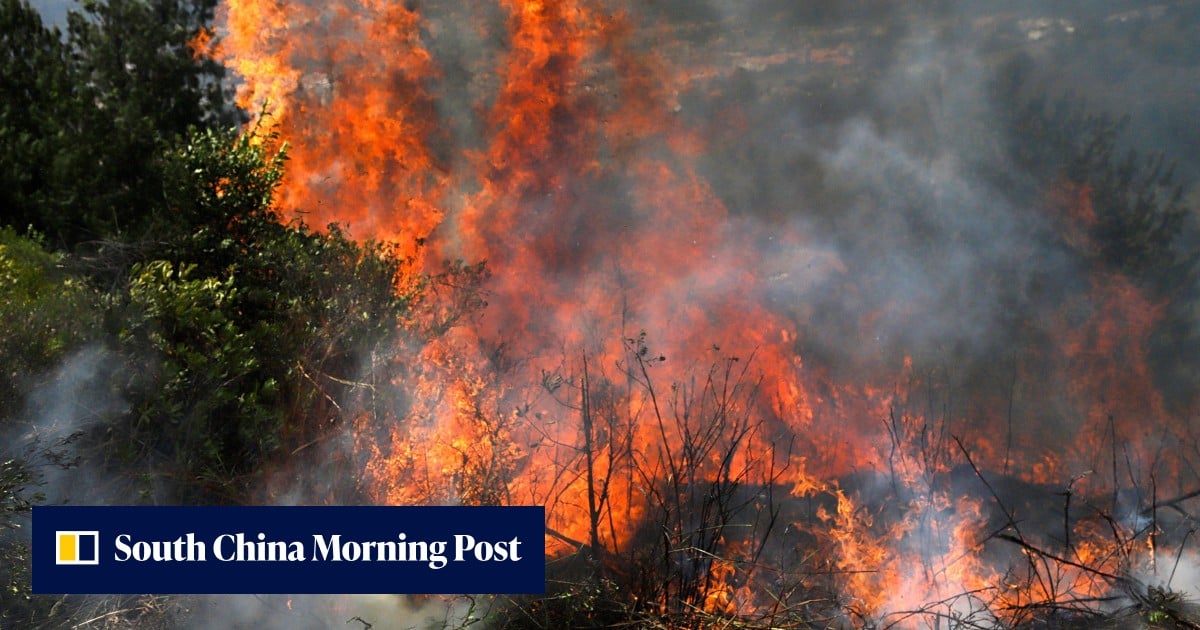
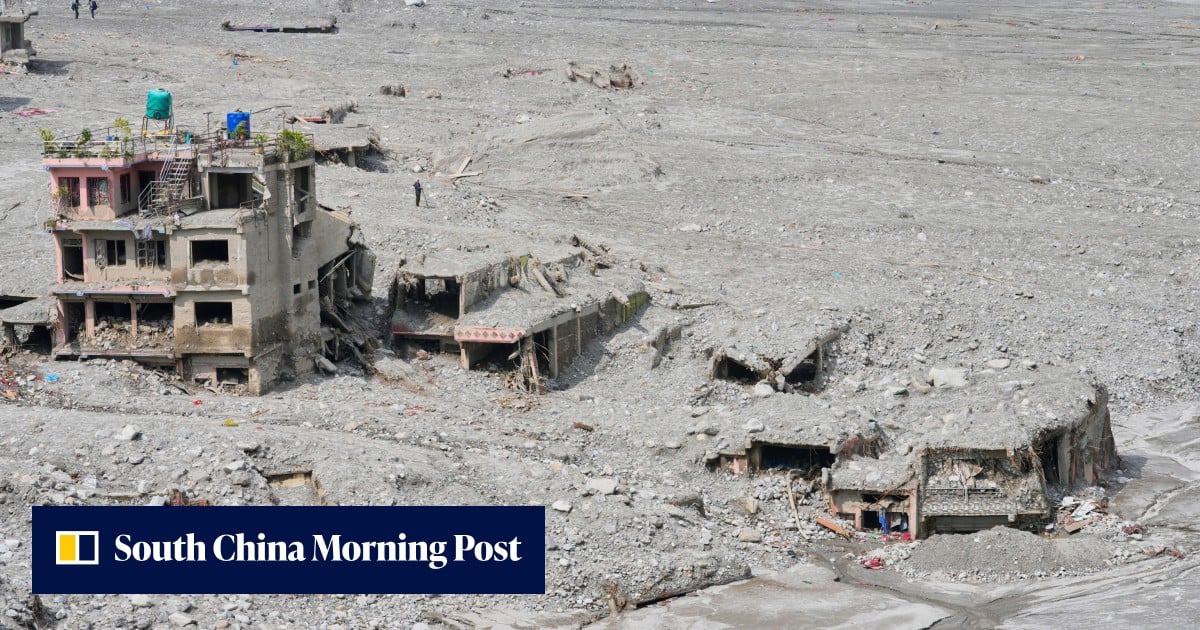
NEW YORK (AP) — World and business leaders gathering this week in New York are being forced to grapple with the increasingly urgent costs of climate change, soaring energy prices and the human toll from this summer’s oppressive heat waves, prolific wildfires and catastrophic Nepal flood.
asserted
YORK → gather → waves
Every year as top government officials come to the United Nations General Assembly and business executives flock to New York City Climate Week sessions, global warming generates lots of talk but little action.
asserted
warming → come → talk
This time two new forces — the rise of energy-hungry artificial intelligence and data centers and higher fossil fuel prices from wars in Iran and Ukraine — should change the discussion, experts and activists said.
asserted
experts → change → discussion
That’s on top of the usual climate-driven disasters that reached new levels of destruction, with more than 1,300 killed in sudden flooding caused by a collapsing glacier on the Nepal-China border.
asserted
1,300 → ’ → border
“We’ve gone from seeing the fingerprints of climate change in individual events to seeing the handprint of climate change on the whole world,” said scientist Bill Hare, CEO of the organization Climate Analytics.
asserted
Hare → go → organization
The effects of rising prices
Climate change is “driving up food prices and wider inflation,” U.N. climate chief Simon Stiell said Monday in prepared remarks.
asserted
Stiell → rise → remarks
“Billions of people around the world are realizing that fossil fuel dependence is hitting them hard at the fuel pump.”
asserted
dependence → realize → pump
Protests about high prices have sparked worldwide.
asserted
Protests → spark → prices
In the U.S., consumer confidence is plunging while gas prices have reached record highs.
asserted
prices → plunge → highs
Stiell said energy shortages due to the Iran war have cost American consumers more than $100 billion in higher fuel prices.
asserted
shortages → say → prices
Mohamed Adow, director of Powershift Africa and a veteran climate negotiations analyst, said there are two climate stories happening at the same time: “One is extremely hopeful.
asserted
One → say → time
Renewable energy is booming, technology is improving and the economics of clean energy increasingly make sense without anyone having to make a moral argument for it.”
asserted
anyone → boom → it
Climate impacts are accelerating faster than our political and financial systems are responding,” Adow said.
asserted
Adow → accelerate → ?
“New York needs to bring those two stories together.”
asserted
York → need → stories
A spotlight on AI
The environmental footprint of artificial intelligence and data centers looms large this week.
asserted
footprint → loom → intelligence
That’s because of the fear that the data center boom will mean a surge in coal, oil and gas use, which emits heat-trapping gases, even though data centers can be powered with zero-emission fuels.
asserted
centers → ’ → fuels
United Nations officials are blunt in describing the matter.
asserted
officials → describe → matter
“ Energy-guzzling artificial intelligence is driving up planet-heating pollution from coal, oil and gas, while ratcheting up energy costs for households and businesses.
asserted
intelligence → guzzle → households
All while fueling disinformation, social division, and even larger inequalities of wealth,” Stiell said.
asserted
Stiell → fuel → wealth
“AI leaders are now on thin ice when it comes to license to operate, and sinking deep underwater when it comes to public support.
asserted
it → come → support
”
The issue touches on fairness and the growing gap between rich and poor and represents more concrete in people’s backyards, so it reaches people not as worried about climate change, said Tufts University analyst Jennifer Morgan, a former German top climate negotiator and CEO of Greenpeace.
asserted
Morgan → touch → Greenpeace
In some ways AI is becoming more vilified in climate talks than the fossil fuel industry, but the industry “has always been good at deflection,” Morgan said.
Activists plan to focus on AI in the week’s scheduled climate protests.
asserted
Activists → become → protests
“This is becoming very tangible to people.
asserted
This → become → people
This is about what’s happening to my electricity bill,” said Climate Justice Alliance legislative director Mar Zepeda, who said her Washington, D.C., electric bill increased $200 in the past month.
asserted
bill → happen → month
National Artificial Intelligence Association President Caleb Max said AI now uses about 1.5% of global electricity and it should reach 3% by the end of the decade, but it’s becoming much more efficient.
asserted
it → say → decade
And, he said, it could help solve the climate problem by unlocking “numerous currently unknown advances in science, technology and research.”
uncertain
it → say → science
Johan Rockström, director of the Potsdam Institute for Climate Impact Research in Germany, said data centers should not be the only focus because fossil fuels are the source of the climate crisis.
asserted
fuels → say → crisis
World leaders to discuss adding renewable power faster
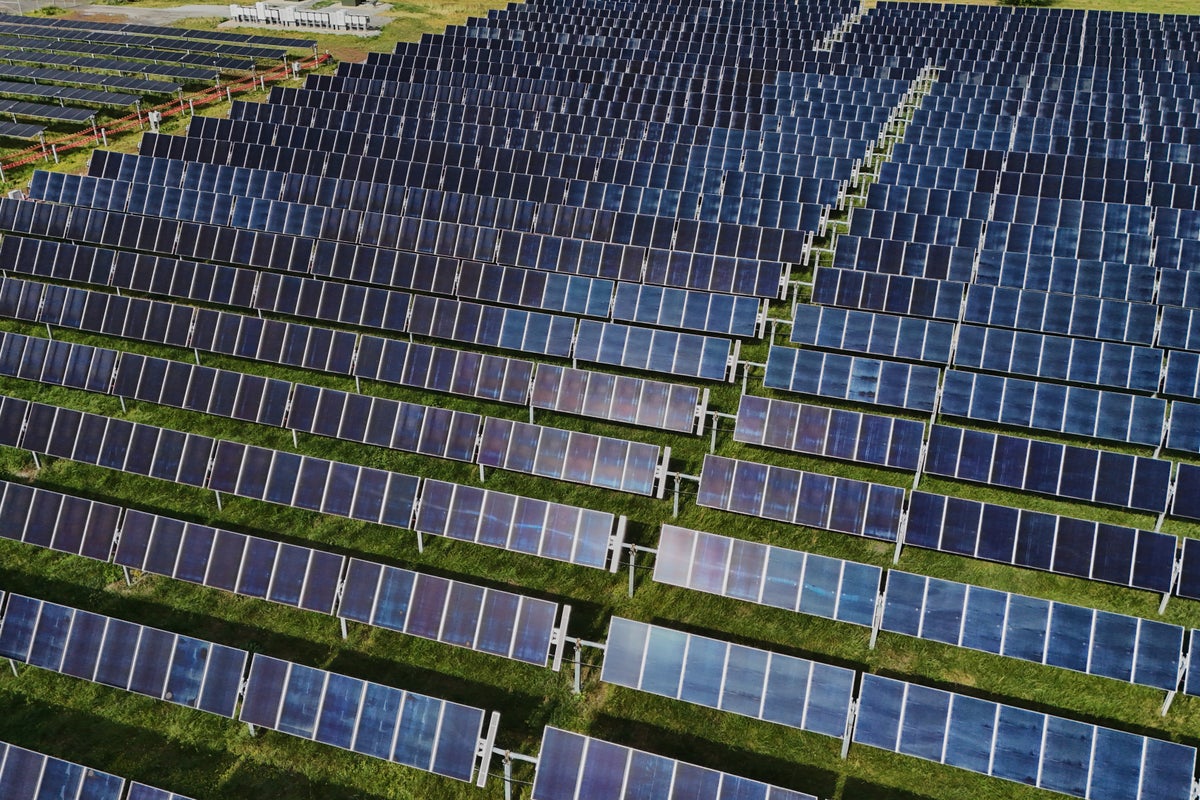
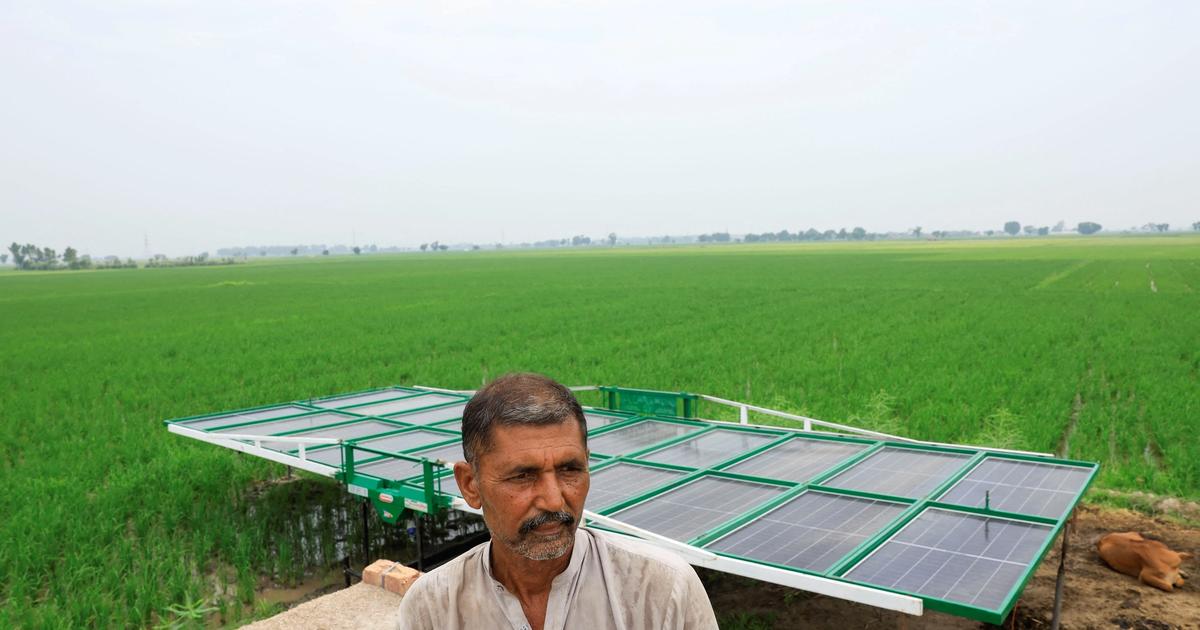
The world can still meet a goal set in 2023 to triple renewable power capacity by the end of the decade, but it must move much faster.
That’s the conclusion of a new report released for Climate Week’s opening.
asserted
That → discuss → opening
The International Renewable Energy Agency, the Global Renewables Alliance, and Turkey — as the host of this year’s U.N. climate talks — assessed progress toward the goal.
asserted
Agency → assess → goal
They found that despite record growth in renewables in 2025, the world must build more renewable power capacity in 2026 to 2030 than in all previous years combined.
asserted
world → find → years
“We need to move faster, electrify faster and build the systems to support it,” IRENA Director-General Francesco La Camera said.
asserted
Camera → need → it
The amount of renewable power added globally reached a peak of 693 gigawatts in 2025, about half the installed power in the United States, IRENA found.
asserted
IRENA → add → States
At the same time, there was a sharp rebound in countries adding fossil fuels compared to 2024, mainly driven by China adding coal power.
asserted
China → be → power
“The journey so far on renewables is remarkable,” Potsdam’s Rockström said.
asserted
Rockström → say → renewables
“It’s particularly impressive given that it’s succeeding despite unfair competition.
asserted
it → ’ → competition
Because it’s competing with heavily-subsidized fossil fuel-based energy and electricity systems.
asserted
it → compete → systems
Unfortunately, Rockström said, renewables are meeting a growing demand for electricity but not “bending the curve” to reduce oil, coal or gas use — which is necessary to cut carbon pollution and meet climate targets.
asserted
which → say → targets
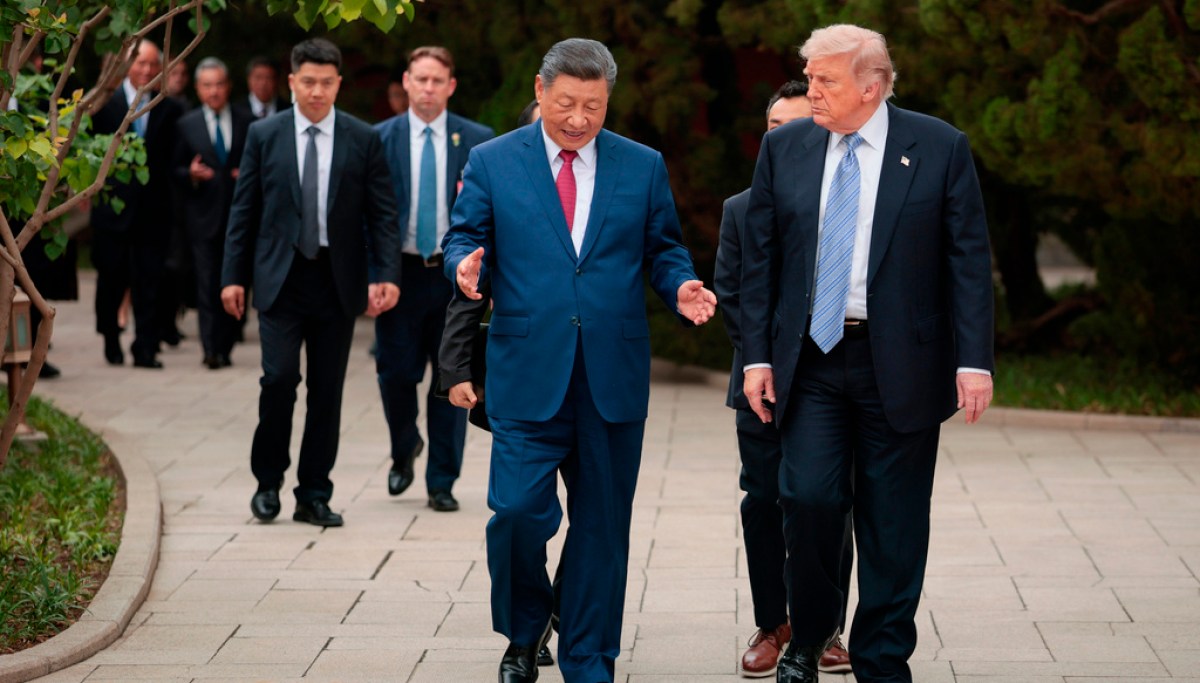
Paradoxically, military action waged by U.S. President Donald Trump in Venezuela and Iran and Russian leader Vladimir Putin in Ukraine — both big fossil fuel advocates — have caused oil and gas shortages that have driven up prices, spurring countries to switch to renewables faster, Rockström said.
asserted
Rockström → wag → renewables
“Both Putin and Trump, in their passionate belief that we should continue driving the global economy on fossil fuels, are in fact helping us transition away from fossil fuels,” Rockström said.
asserted
Rockström → continue → fuels
 The Aporia