The Guardian
· collected 2026-09-21 · by Sara Sneath in New York and Oliver Milman
Story summary
US President Donald Trump met with Chinese President Xi Jinping, where Xi pressed Trump to adopt Beijing's stance against Taiwan independence, which Taiwan rejected outright. Meanwhile, Taiwan is crucial for global tech and economy due to its leading semiconductor production; TSMC alone produces the majority of advanced chips that power smartphones, AI systems, and more. As Stanford Hoover fellow Eyck Freymann noted, economic disruption from a conflict over Taiwan would be severe.
In unrelated developments, Iranian President Masoud Pezeshkian met with US media at the UN General Assembly, where he denied Iran's nuclear ambitions while offering to dilute its enriched uranium and allow inspections under international law. He also blamed Washington for ongoing conflicts in the Middle East. The International Atomic Energy Agency (IAEA) estimates that Iran has over 440 kilograms of uranium enriched up to 60%, raising concerns despite Pezeshkian's denials.
Taiwan's representative, Ambassador Alexander Yui, clarified during an interview on CBS’s "Face the Nation" that while Taiwan was discussed between Trump and Xi, it wasn't a major focus. He emphasized there has been no change in US policy towards Taiwan amid recent tensions with China.
Written for “Taiwan Iran Us Relations Midterms” on 2026-10-05,
grounded in this article and the 386 other(s) covering the same event.
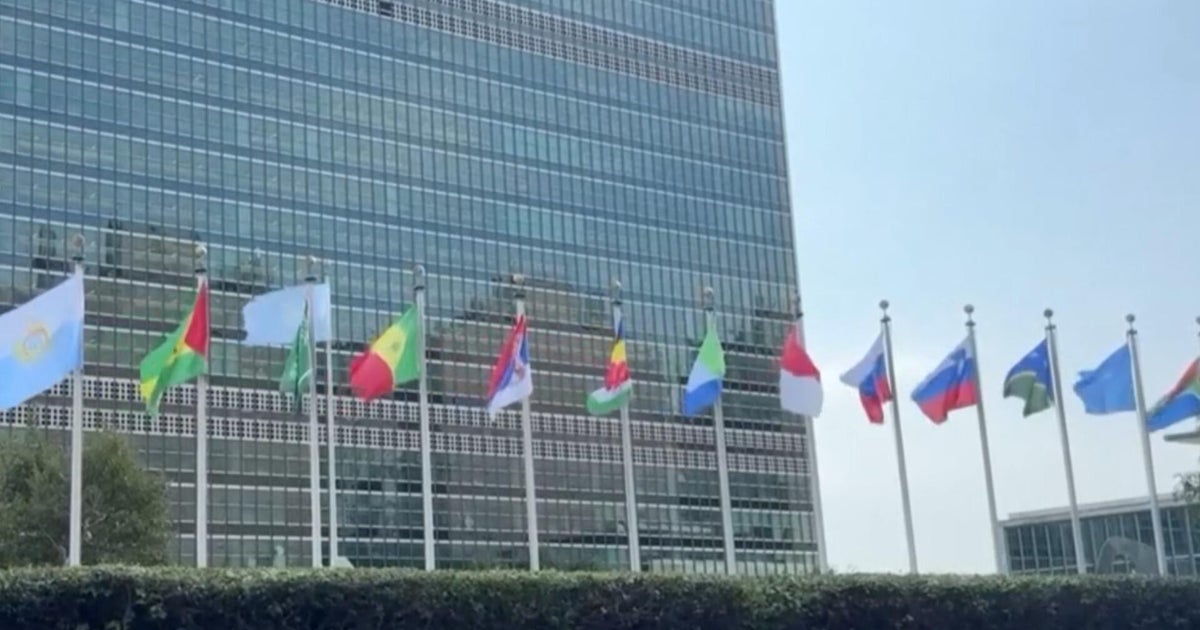
World political leaders are descending on New York for the UN general assembly and some of them are putting the climate crisis on the agenda as they spoke on Monday at the start of the city’s annual Climate Week.
asserted
they → descend → Week
This year’s Climate Week – which runs alongside UNGA – comes after months of extreme heat in large parts of the world including Europe and the US, wildfires in Africa, flash flooding in Asia and a record-breaking El Niño.
asserted
which → run → Asia
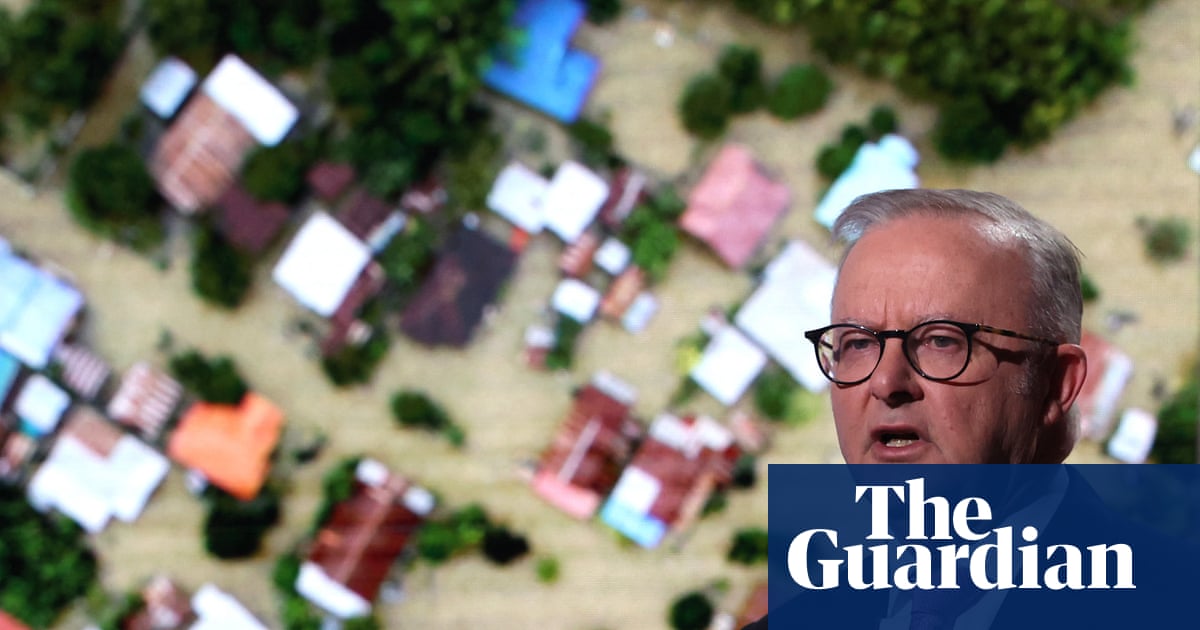
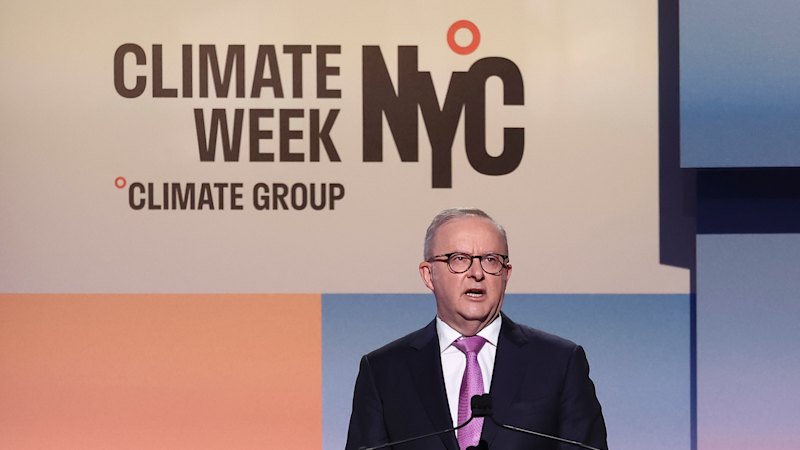
The prime minister of Australia, Anthony Albanese, gave the opening keynote address Monday while Iceland’s prime minister, Kristrún Frostadóttir, gave the closing remarks.
asserted
minister → give → remarks
Both spoke about the effects of the climate crisis on their countries, the measures they are taking to transition away from fossil fuels, and their support for other countries to do the same.
asserted
countries → speak → same
But the science told us unmistakably that as the world warms these events will become more frequent and intense.
asserted
events → tell → us
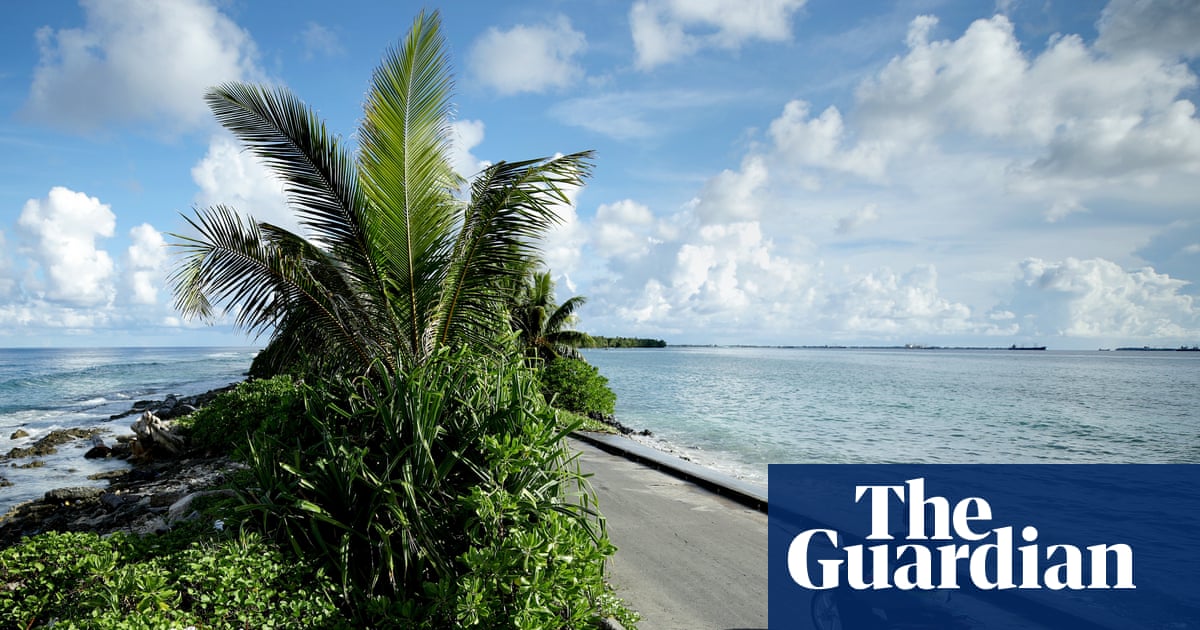
And those scientific forecasts have come to be,” Albanese said, highlighting the country’s efforts to support other Pacific nations in fighting the climate crisis.
asserted
Albanese → come → crisis
Frostadóttir said the Nordic country’s move to geothermal energy was catalysed by the global oil crisis.
asserted
move → say → crisis
In the early-1970s, most Icelandic homes were burning imported oil for heat.
asserted
homes → burn → heat
“Household budgets were hit and a small island nation, far from every market, every supplier, learned the hard way to depend on something you cannot control,” she said.
asserted
she → hit → something
“So we made a choice.
asserted
we → make → choice
Instead of riding out the volatility, we turned to what was right under our feet.”
asserted
what → rid → feet
In a matter of years, Reykjavík built a large-scale geothermal district heating system.
asserted
Reykjavík → build → system
Other towns in Iceland followed, many switching within a decade.
asserted
many → follow → decade
“This took unwavering political support.
asserted
This → take → support
Financial support mechanisms that helped ordinary households make the switch without ruinous upfront costs,” Frostadóttir said.
asserted
Frostadóttir → help → costs
“And, perhaps rarest of all in today’s world, across party consensus that outlasted several governments.
asserted
that → outlast → governments
Now, nearly every home in Iceland is heated with renewable energy, and more than 90% of it is geothermal.
asserted
% → heat → it
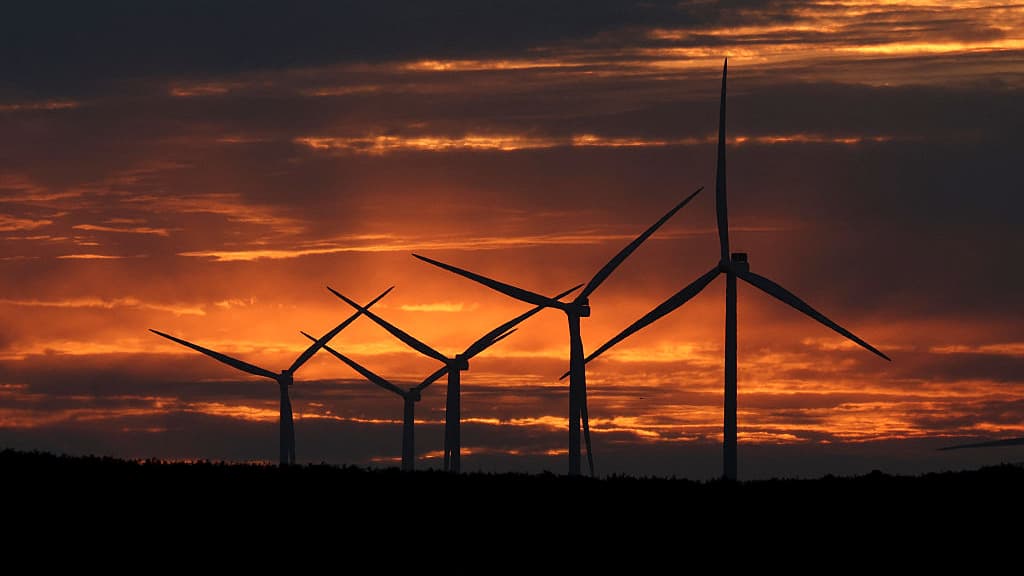
Yet little was said on the opening day of Climate Week about the US government’s recent efforts to block climate action, such as the Trump administration’s move to pay nearly $4bn in taxpayer dollars to stop offshore wind projects and measures to weaken emissions standards for vehicles and coal-fired power plants.
asserted
little → say → vehicles
Instead of talking about political stalling and backsliding on climate action, speakers focused on the security and economic reasons that are making the need to transition impossible to ignore.
asserted
need → talk → reasons
Selwin Hart, assistant secretary general for climate action at the UN, said the Iran war had further proven this point.
asserted
war → say → point
“This crisis, as horrible as it is, is really serving as a wake-up call for countries, businesses and people really to break the fossil fuel addiction and accelerate the transition as fast and as quickly as possible,” he told the Guardian.
asserted
he → serve → Guardian
Lt Gen Richard Nugee, a retired senior British army officer, said that militaries need to be able to operate in the environment in which they find themselves, and those environments are changing.
asserted
environments → say → themselves
“A really good example of that is the sea in the gulf is getting so hot and is predicted to get so hot that the water won’t cool the engines of our ships,” he said.
asserted
he → get → ships
Nugee said that militaries should be paying attention to climate adaption technologies, not only for their lower emissions but their potential for strategic advantages.
asserted
militaries → say → advantages
“I don’t believe there is renewable energy that will drive a 70-ton tank.
asserted
that → believe → tank
It’s not that,” he said.
asserted
he → ’ → ?
“But our small armed vehicles, why not make them hybrid?
asserted
them → make → ?
Which is better for our stealth, better for the crews because there’s less noise and less vibration.”
asserted
Which → ’ → crews
The UK’s foreign minister Ed Miliband also spoke about the risks of continued reliance on fossil fuels given the Russian invasion of Ukraine and the US’s war in Iran, describing the inherent instability as the “fossil fuel roller coaster”.
asserted
minister → speak → coaster
“Climate and nature must be embedded in national security systems, in threat assessments, and contingency planning,” Miliband said.
asserted
Miliband → embed → assessments
“Countries need to pool information because a shock beginning in one country can rapidly travel through supply chains, financial markets and migration patterns to other countries.
asserted
shock → need → countries
Meanwhile, the private sector is using the transition to renewable energy to protect its bottom line.
asserted
sector → use → line
Karen Pflug, the chief sustainability officer at Ingka Group, the largest Ikea retailer, said that energy efficiency in their stores has allowed the company to save millions of dollars every year.
asserted
company → say → dollars
Pflug said the company just announced a new solar park in South Carolina, which will have 178,000 solar panels.
asserted
which → say → panels
“So regardless of what’s happening from a political point of view I think it’s in fact making good business sense,” she said.
asserted
she → happen → sense
Leaders also stressed the need to transition sooner than later.
asserted
Leaders → stress → need
Iceland’s Frostadóttir said: “The only real question left for leaders, for all of us in this room, is what it takes to keep moving forward faster than the disruptions that have yet to hit us.
asserted
that → say → us
Our answer, from a small island in the North Atlantic is this: start before you must.
asserted
you → start → Atlantic
Build the resilience before the crisis tests it.”
asserted
crisis → build → it
Climate Week has been held annually in New York since 2009 and organizers said this year’s iteration will be the largest yet, with more than 100,000 attendees drawn from politics, business and activism.
asserted
iteration → hold → politics
…and 4 more, not listed.
 The Aporia