That is 0 articles you have read today.
The Aporia is free and carries no advertising, so readers are the only
thing paying for it. If you are getting this much out of it, a small
donation is what keeps it independent.
Daily limit reached
You have read 0 articles today.
That is more than the 15 a day The Aporia gives away,
and well past what it can carry on nothing. Your allowance resets at
midnight.
There is no advertising here and nothing about you is sold, so readers
are the only thing paying for it. If the site is worth this much of
your day, it is worth a few dollars.
Everything else stays open: the
maps, the
directory and
search do
not count against this, and neither does re-opening something you have
already read today.
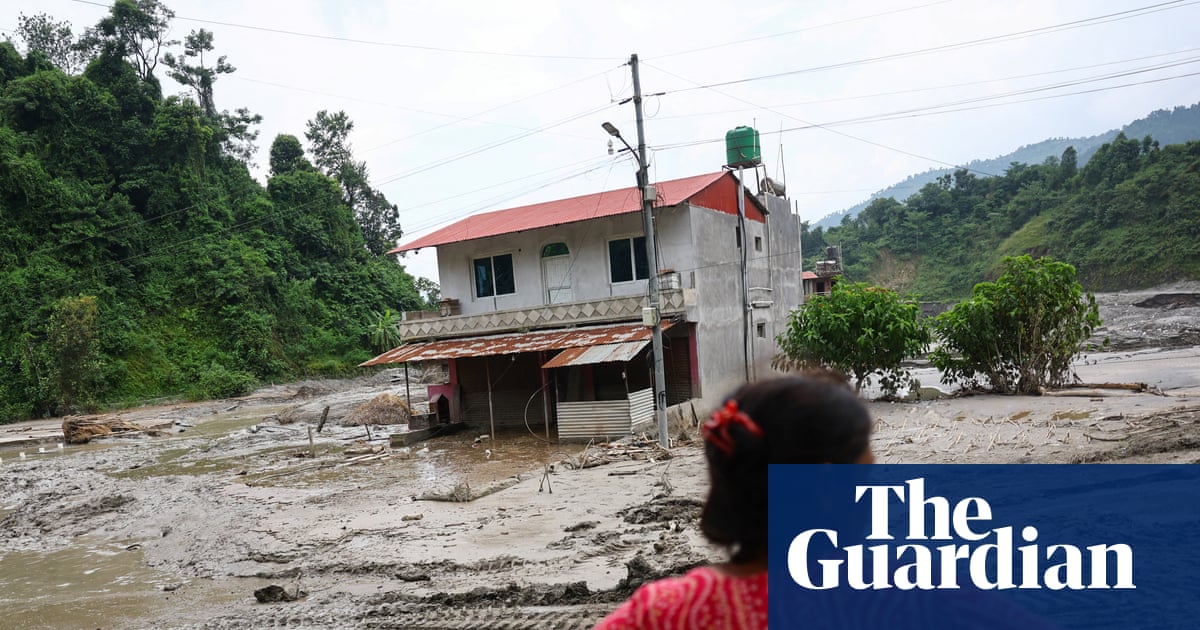
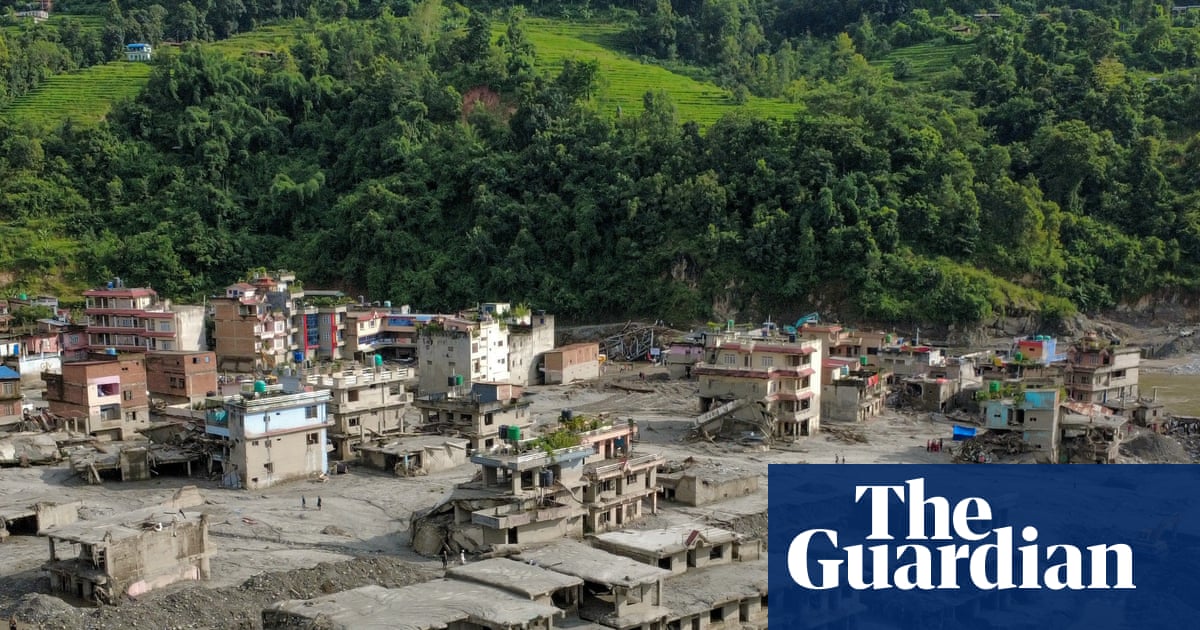
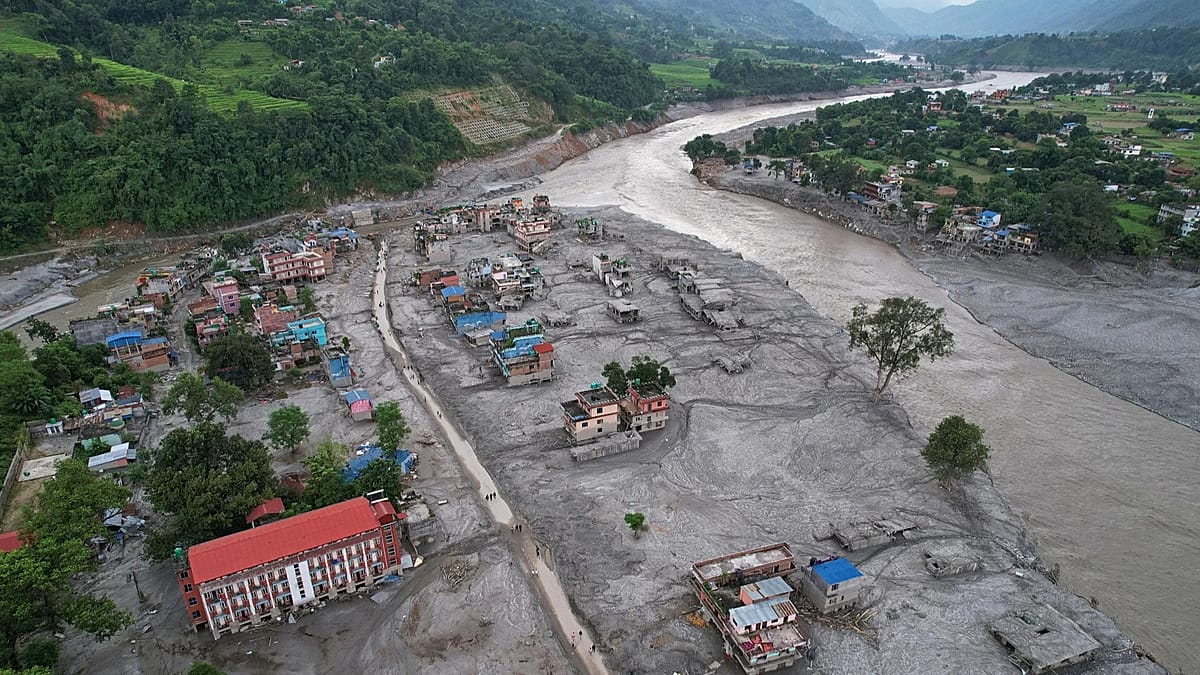
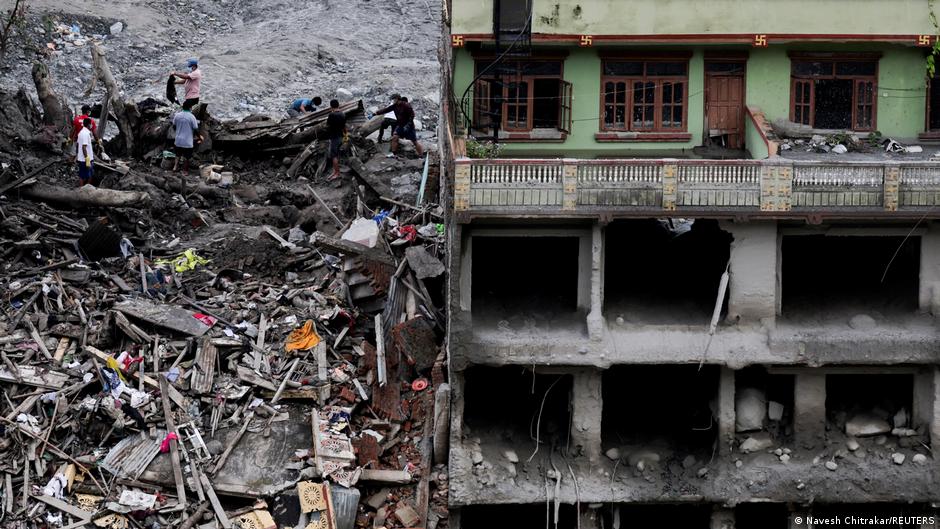
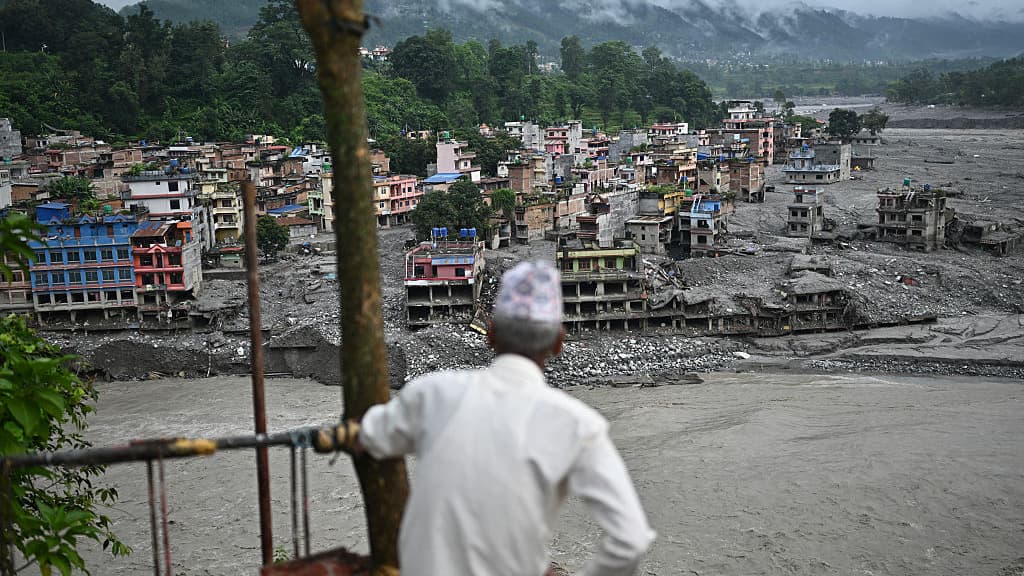
The death toll from flash floods in Nepal has risen to 1,410 as of Thursday, September 17, 2026, with over 6,100 people still missing. The flooding was caused by an ice-rock avalanche near the Nepal-Tibet border on August 26 and affected northern and central regions, destroying homes, vehicles, infrastructure, and hydropower projects along the Bhotekoshi River. Rescue efforts continue, having already rescued 13,756 people according to Nepal’s National Disaster Risk Reduction and Management Authority (NDRRMA).
Written locally by qwen2.5:14b on 2026-09-18,
using this article's own text rather than the other coverage of the
same event (that is the story summary below).
Story summary
Nearly three weeks after flash floods swept through Nepal's Bhotekoshi-Trishuli river corridor near the Chinese border, at least 1,386 bodies have been recovered and over 5,000 people remain missing. Triggered by a glacier collapse, the disaster devastated communities, sweeping away more than a dozen hydropower facilities. Villages were wiped out within minutes, with destroyed roads and bridges cutting off access in many places. Nepal's foreign minister has called on big polluters to step up support for recovery, demanding $20 million in climate compensation.
Scientists from Imperial College London and the World Weather Attribution group have linked rising temperatures caused by global warming to permafrost thawing and glacial thinning that destabilized the slope leading to the collapse. The disaster is considered a "compound crisis" shaped by long-term warming, geological instability, and a pre-existing 2015 earthquake. Researchers warn that without faster action on reducing fossil fuel emissions, similar catastrophic events are inevitable as global temperatures continue to rise.
Written for “Nepal Floods Climate Impact” on 2026-09-18,
grounded in this article and the 10 other(s) covering the same event.
Why this leaning score
This article does not take a side on a contested political
question, so it has no leaning score. That is an
answer rather than a gap: a match report or a rescue can be warmly
or critically written without being left or right, and scoring it
anyway is how approval of a subject gets recorded as a political
position.
No political leaning scored for article 17155 · logged 2026-09-18
The death toll from the devastating flash floods in Nepal surged to 1,410 on Thursday (September 17, 2026), with over 6,100 people still missing, according to the country's disaster management authorities.
uncertain
people → surge → authorities
Flash floods, triggered by an ice-rock avalanche near the Nepal-Tibet border on August 26, devastated towns and villages in northern and central Nepal.
asserted
floods → trigger → Nepal
The Bhotekoshi River, which flows south from the Himalayan border region, carried the floodwaters downstream, sweeping away homes, vehicles, roads and bridges and damaging hydropower projects.
asserted
which → flow → projects
According to the data issued by Nepal's National Disaster Risk Reduction and Management Authority(NDRRMA) on Thursday evening, 1,410 people have been killed in the floods so far, with 6,145 people still missing.
uncertain
people → accord → floods
According to NDRRMA, 364 dead bodies have been recovered from Chitwan district, 232 from Nawalparasi East, 222 from Nawalparasi West, and 203 from Nuwakot.
uncertain
bodies → accord → Nuwakot
Similarly, 199 bodies have been recovered from Rasuwa, 78 bodies from Gorkha, 72 bodies from Dhading and 38 bodies from Tanahu.
asserted
bodies → recover → Tanahu
Two flood victims died in Kathmandu hospitals while undergoing treatment.
So far, 13,756 people have been rescued from the flood-affected areas.
asserted
people → die → areas
The joint command of security personnel continues to carry out search and rescue operations in the flood-affected areas.
asserted
command → continue → areas
 The Aporia