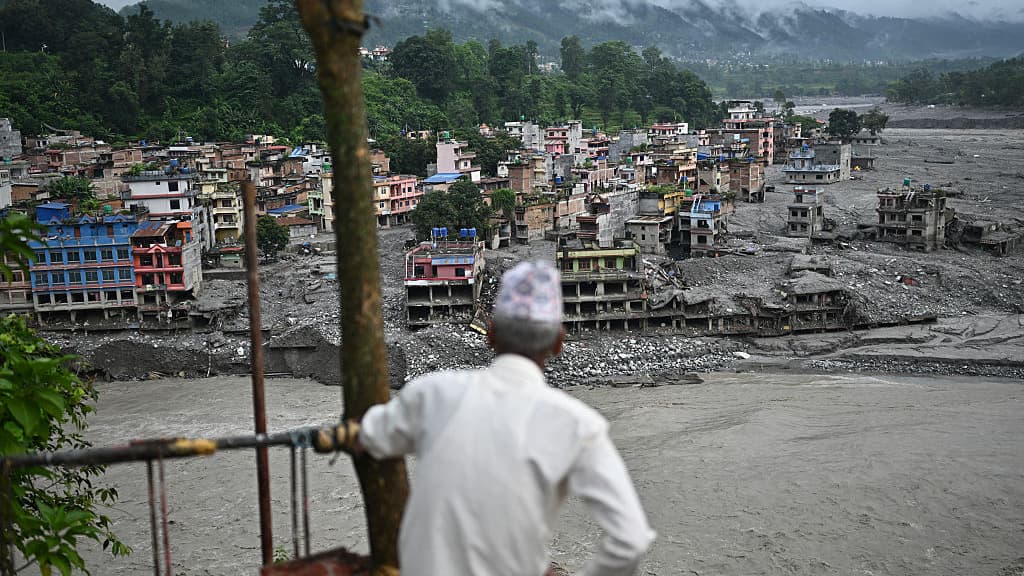
What the China-Nepal floods teach us about crisis communication

Read the original at South China Morning Post ↗
South China Morning Post · collected 2026-09-17 · by Bernard Chan

Quick Summary

The article discusses how crisis communication during recent floods affecting both China and Nepal was impacted by logistical challenges such as unstable terrain and damaged infrastructure. It emphasizes that in emergency situations, timely practical updates are crucial for families while journalists require immediate access to information once it is safe to do so. The piece highlights the delays in rescue operations due to geographical constraints, which also hindered the dissemination of accurate information initially.
Written locally by qwen2.5:14b on 2026-09-18, using this article's own text rather than the other coverage of the same event (that is the story summary below).

AI analysis runs on qwen2.5:14b, locally

Story summary

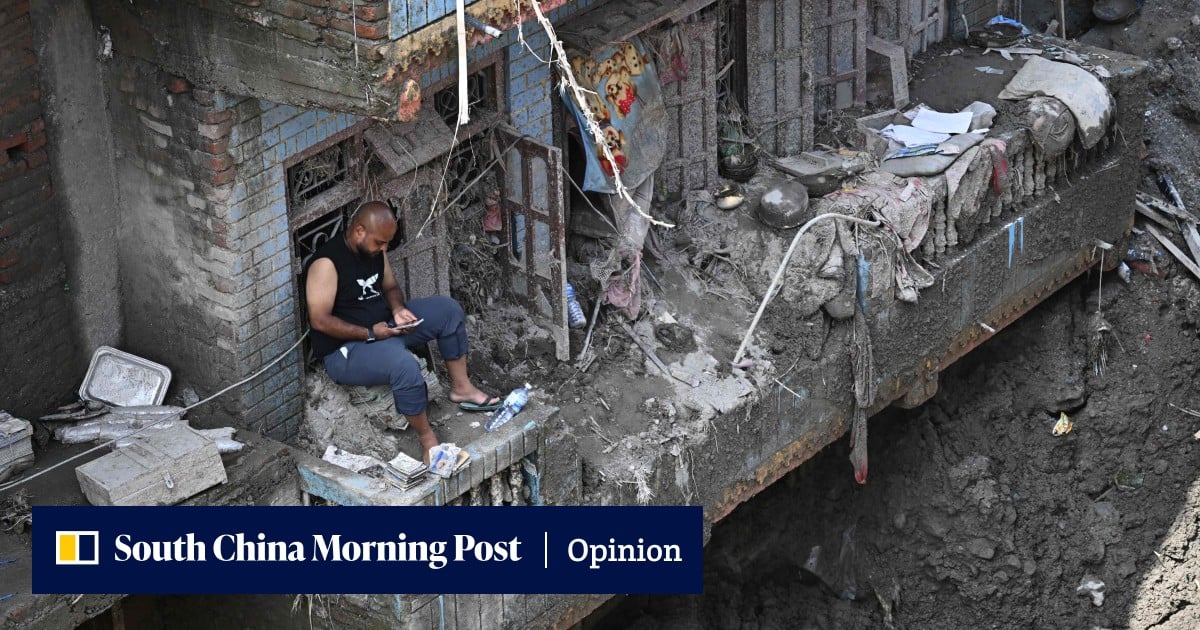
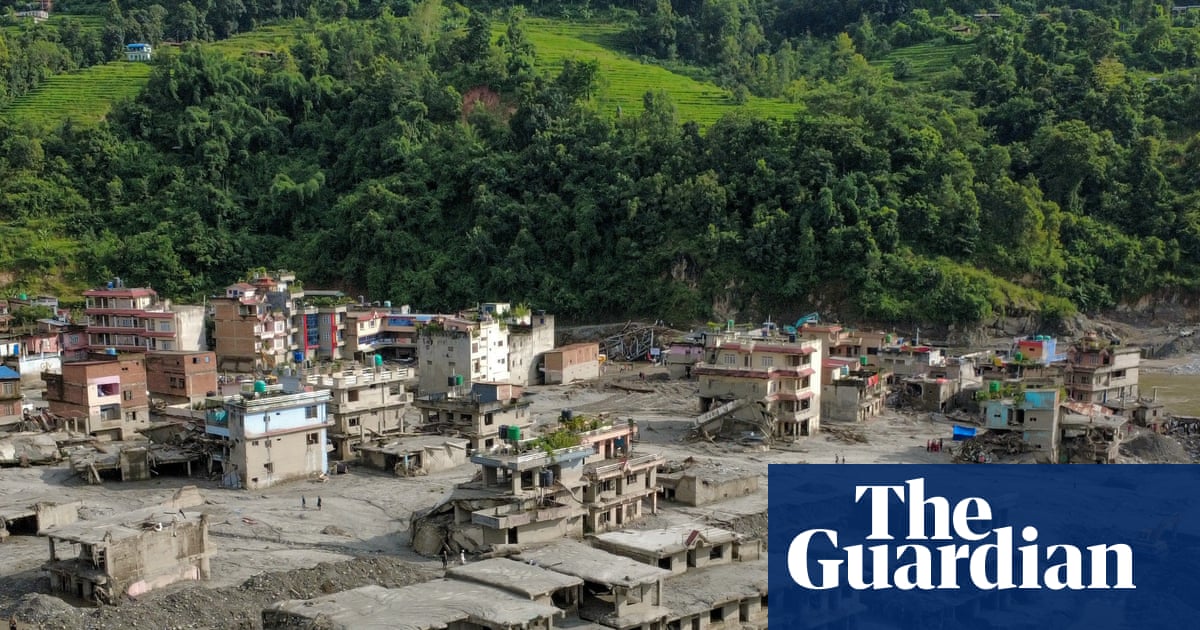
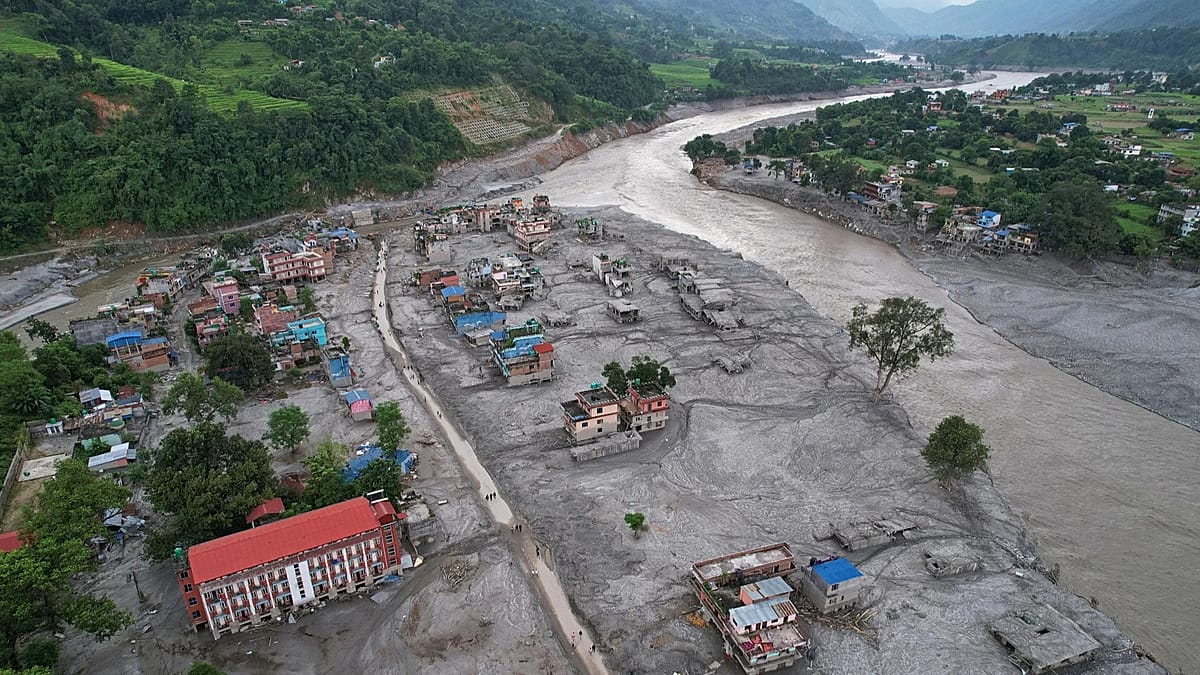
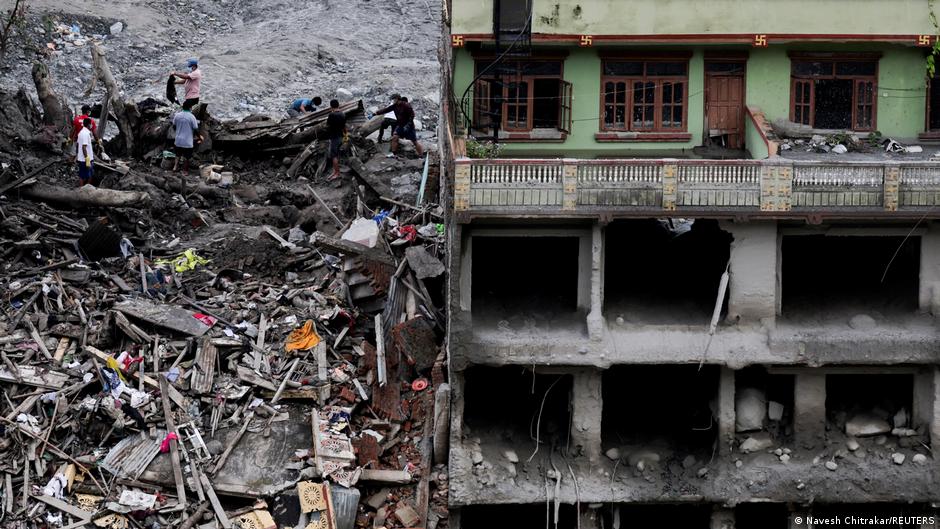
Nearly three weeks after flash floods swept through Nepal's Bhotekoshi-Trishuli river corridor near the Chinese border, at least 1,386 bodies have been recovered and over 5,000 people remain missing. Triggered by a glacier collapse, the disaster devastated communities, sweeping away more than a dozen hydropower facilities. Villages were wiped out within minutes, with destroyed roads and bridges cutting off access in many places. Nepal's foreign minister has called on big polluters to step up support for recovery, demanding $20 million in climate compensation.

Scientists from Imperial College London and the World Weather Attribution group have linked rising temperatures caused by global warming to permafrost thawing and glacial thinning that destabilized the slope leading to the collapse. The disaster is considered a "compound crisis" shaped by long-term warming, geological instability, and a pre-existing 2015 earthquake. Researchers warn that without faster action on reducing fossil fuel emissions, similar catastrophic events are inevitable as global temperatures continue to rise.

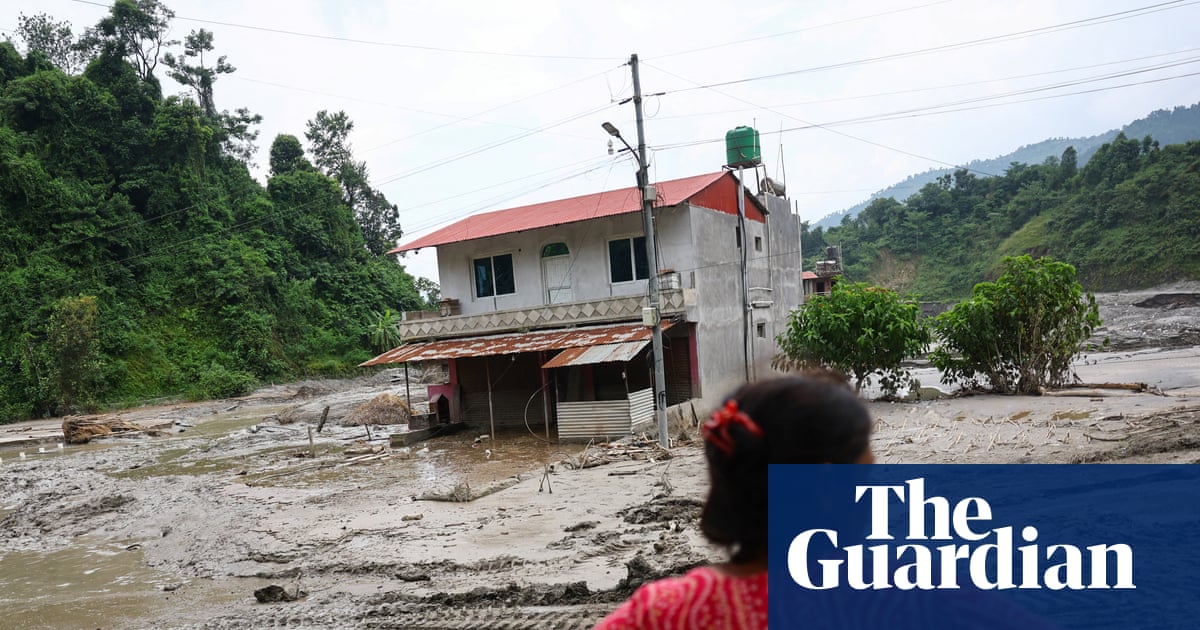
Written for “Nepal Floods Climate Impact” on 2026-09-18, grounded in this article and the 10 other(s) covering the same event.
Why this leaning score
This article does not take a side on a contested political question, so it has no leaning score. That is an answer rather than a gap: a match report or a rescue can be warmly or critically written without being left or right, and scoring it anyway is how approval of a subject gets recorded as a political position.
No political leaning scored for article 17156 · logged 2026-09-18

Signals How these are calculated →

Claims extracted
4
claim-shaped sentences
Uncertain
0%
0 of 4 hedged
Leaning
not political
takes no side on a contested political question
Correction & hedging signals
93.5
corrections and hedging in what we collected; not a measure of accuracy
Outlets on this story
11
Environment
Narrative spread
1
articles carrying this framing
Analyzed 2026-09-18 · how these are computed

Story

📰 Nepal Floods Climate Impact
Environment · 11 article(s) covering the same event. See how they differ ↓

How this is being covered How these are calculated →

Article leaning vs. publisher reliability
Source leaning vs. consistency

Compared with similar articles

This article reads unscored and hedges 0% of its claims. Each row says how that neighbour differs.
The Hindu
⚖️ leaning not scored 🔴 0% hedged 0 of 3 📰 publisher trust 95
“Article A describes Sanjay Sah's personal experience being trapped and rescued after Nepal’s floods, while Article B discusses broader issues of crisis communication in the context of rescue operations hampered by terrain and conditions.”
The Guardian
⚖️ Leans strongly left 🔴 9% hedged 3 of 34 📰 publisher trust 95
“While both articles discuss the Nepal floods, Article A focuses on the demand for climate compensation and the impact of the disaster, while Article B discusses crisis communication challenges during rescue operations.”
The Guardian
⚖️ leaning not scored 🔴 13% hedged 3 of 23 📰 publisher trust 95
“Both articles discuss the same catastrophic floods that occurred in Nepal and Tibet, involving a glacier collapse causing flash floods and impacting communities downstream.”
Euronews
⚖️ Leans left 🔴 8% hedged 2 of 25 📰 publisher trust 96
“Both articles describe the same flood disaster near Nepal's border with China on August 26, 2026.”
Deutsche Welle
⚖️ leaning not scored 🔴 3% hedged 1 of 35 📰 publisher trust 95
“Article A describes the ongoing flood recovery efforts and statistics, while Article B focuses on the challenges of crisis communication during the rescue operations.”
TIME
⚖️ Leans strongly left 🔴 8% hedged 5 of 65 📰 publisher trust 58
“While both articles discuss floods in Nepal and Tibet, Article A covers a broader overview of flooding events including past incidents, whereas Article B focuses specifically on crisis communication challenges during rescue operations. The timing and specific focus differ.”
The Hindu
⚖️ leaning not scored 🔴 38% hedged 3 of 8 📰 publisher trust 95
“While both articles refer to the Nepal flash floods, Article B focuses on crisis communication and challenges faced during rescue operations rather than reporting the current death toll and missing persons.”
Al Jazeera
⚖️ Leans strongly left 🔴 31% hedged 5 of 16 📰 publisher trust 96
“While both articles refer to the Nepal floods, Article A focuses on the scientific analysis linking climate change to the disaster, while Article B discusses the challenges of crisis communication and rescue operations during the event.”
Daily Mail
⚖️ Leans left 🔴 20% hedged 5 of 25 📰 publisher trust 59
“While both articles discuss floods in Nepal, Article A focuses on the cause and scale of a specific flood event blamed on climate change, while Article B discusses more general crisis communication issues during rescue operations for floods without specifying one particular incident.”

Publisher

South China Morning Post · 492 article(s) · 0 correction(s) detected
No corrections detected for this publisher. That may mean careful reporting, or simply that nothing has been checked.

Who wrote this

Bernard Chan
1 article(s) here · 0 carrying a prediction
The only article under this byline in the corpus.

Topics

China

Subjects

China GPE · 1×

Narrative

Rescue operations were hampered by unstable slopes, damaged roads and difficult conditions in a narrow gorge, delaying the arrival of heavy machinery.
framing: assertive · carried by 1 article(s) · first seen 2026-09-18
2026-09-18 · South China Morning Post
What the China-Nepal floods teach us about crisis communication · assertive framing

Claims (4 extracted, 0 hedged)

What the China-Nepal floods teach us about crisis communication asserted
floods → teach → communication
In an unfolding disaster, families need quick, practical updates and journalists need access the moment safety allows asserted
safety → unfold → access
Rescue operations were hampered by unstable slopes, damaged roads and difficult conditions in a narrow gorge, delaying the arrival of heavy machinery. asserted
operations → hamper → machinery
Those constraints also restricted the flow of information from the area in the first few days. asserted
constraints → restrict → days
💬 Give feedback
🕘 History 🎫 Support