That is 0 articles you have read today.
The Aporia is free and carries no advertising, so readers are the only
thing paying for it. If you are getting this much out of it, a small
donation is what keeps it independent.
Daily limit reached
You have read 0 articles today.
That is more than the 15 a day The Aporia gives away,
and well past what it can carry on nothing. Your allowance resets at
midnight.
There is no advertising here and nothing about you is sold, so readers
are the only thing paying for it. If the site is worth this much of
your day, it is worth a few dollars.
Everything else stays open: the
maps, the
directory and
search do
not count against this, and neither does re-opening something you have
already read today.
Saudi Aramco informed at least two oil refining customers in Europe that they will receive no crude oil next month due to an attack on the kingdom’s East-West pipeline, which connects oil fields in eastern Saudi Arabia with export terminals on the Red Sea. This decision affects all European buyers who rely on long-term supply agreements for a steady monthly flow of oil from Saudi Arabia. The disruption highlights the challenges facing European refineries as they seek alternative suppliers to meet their needs, pushing up regional oil prices; dated Brent crude reached $130 per barrel recently.
Written locally by qwen2.5:14b on 2026-09-18,
using this article's own text rather than the other coverage of the
same event (that is the story summary below).
Story summary
Houthis in Yemen have advanced rapidly, capturing Perim Island at the mouth of the Red Sea and launching missile strikes against Saudi Arabia’s East-West oil pipeline, pushing oil prices above $US100 per barrel. The attacks disrupted a critical supply route that allowed oil tankers to bypass the blockaded Strait of Hormuz, which handles around 20% of global oil trade. Goldman Sachs raised its forecast due to continued Middle East shipping disruptions expected into 2027, as tensions between Saudi Arabia and Iran-backed Houthis escalate. The conflict also threatens the Bab el-Mandeb strait, another vital waterway connecting the Red Sea to the Gulf of Aden. Global oil prices are rising amid concerns over potential supply shortages and increased risks to shipping routes crucial for Saudi Arabia's crude oil exports.
Written for “Oil Prices Rise Due To Middle East Te…” on 2026-10-05,
grounded in this article and the 43 other(s) covering the same event.
Saudi Aramco told at least two oil refining customers in Europe that they will be allocated no crude next month under long-term agreements after the kingdom’s key pipeline to the Red Sea was attacked, people informed of the decision said.
asserted
people → tell → decision
European customers normally receive Saudi Arabian crude on so-called term contracts, ensuring a steady flow of supply every month.
asserted
customers → receive → supply
Those deliveries will not take place next month, the people said, asking not to be identified because the information isn’t public.
asserted
information → take → place
The decision applies to all European buyers, they said.
asserted
they → apply → buyers
Saudi Aramco didn’t immediately respond to a request for comment made outside normal working hours.
asserted
Aramco → respond → hours
The absence of Saudi flows next month will heighten the need for European buyers to secure replacements.
asserted
buyers → heighten → replacements
Already, Poland’s Orlen SA has been hunting for shipments, helping propel the prices of regional oil grades higher.
asserted
SA → hunt → grades
Dated Brent, which is the benchmark for real-world barrels in Europe, topped $130 this week at one point.
asserted
which → date → point
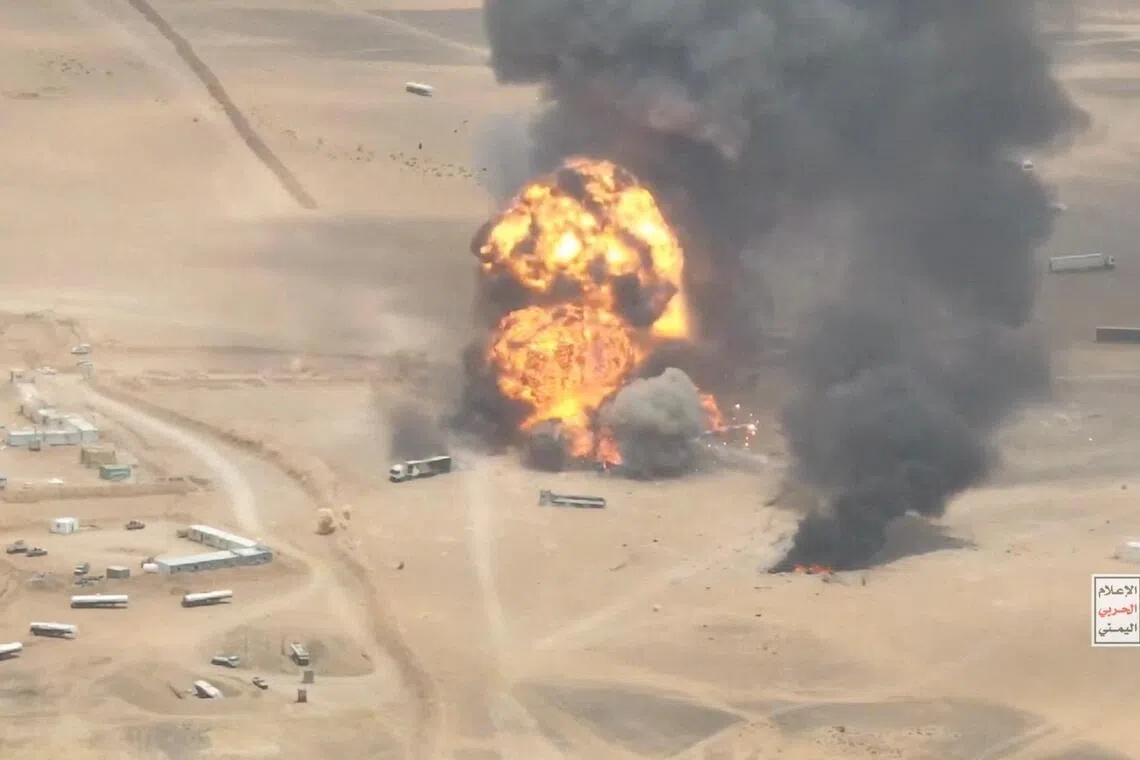
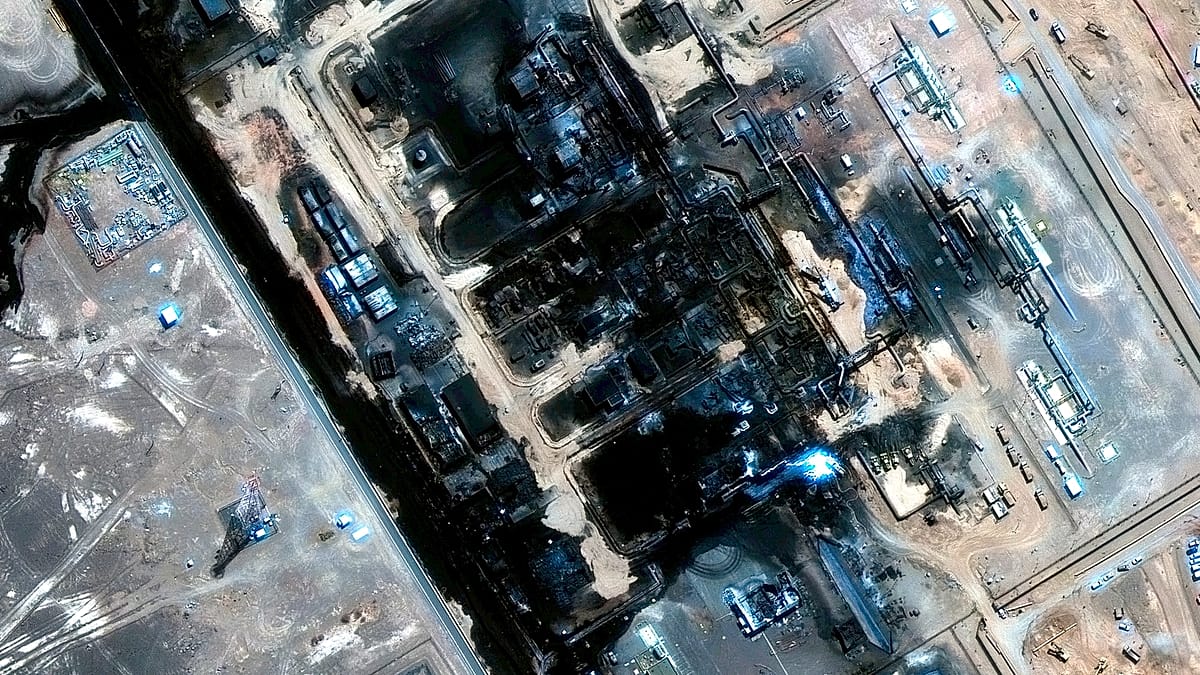
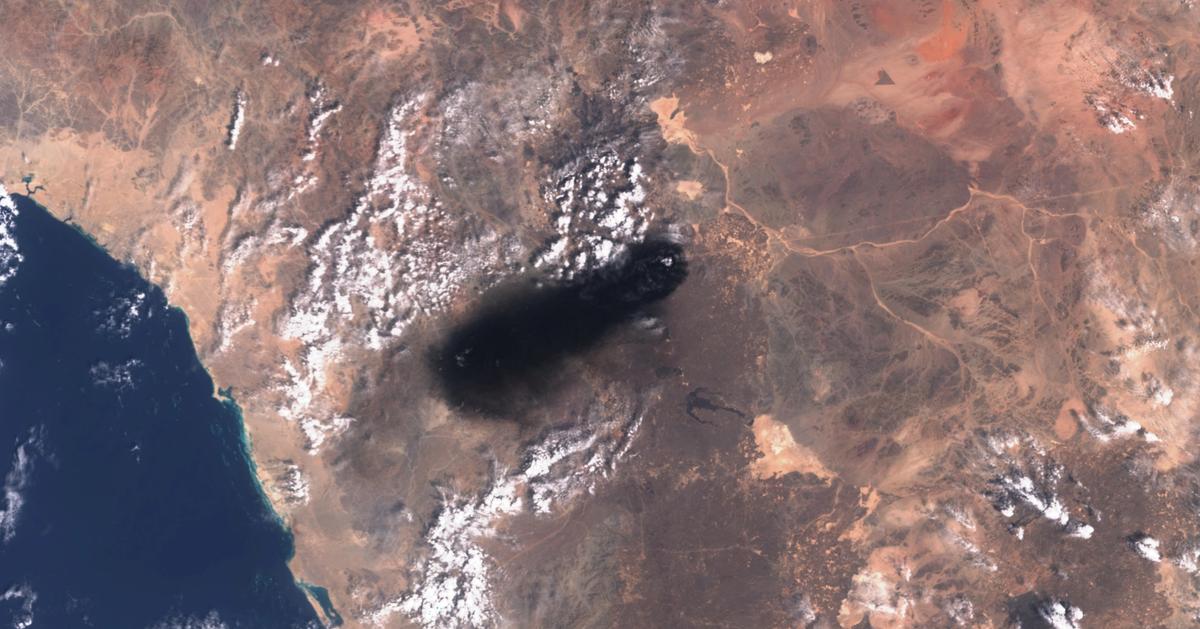
Saudi Arabia was forced to shut its East-West pipeline last week after it was attacked by drones.
asserted
it → force → drones
Aramco is working to partially restart within days and ramp up to full capacity within six weeks, a person familiar with the matter said on Wednesday.
asserted
person → work → Wednesday
The shutdown has forced Aramco to make the rare move to offer customers in Asia cargoes on a so-called spot basis — agreements for immediate delivery.
asserted
shutdown → force → delivery
Once the pipeline restarts, traders will focus on whether Aramco offers refiners in Europe similar terms.
asserted
Aramco → restart → terms
Those supplies to Asia are going through the Persian Gulf, which means Aramco has once again pivoted toward the embattled Strait of Hormuz.
asserted
Aramco → go → Hormuz
The company has sold tens of millions of barrels to customers for collection just outside the waterway this week, a route it had largely shunned during the conflict in the Middle East as regular attacks of ships made the journey risky.
asserted
journey → sell → ships
The increased flows toward the Persian Gulf, however, brings little relief to Europe’s refiners.
asserted
flows → increase → refiners
In order to get to buyers in the continent, those shipments would either have to sail through the Red Sea, where Yemen’s Houthi militants have been attacking Saudi ships, or sail almost five weeks around Africa.
asserted
militants → get → Africa
European refineries typically lift Saudi crude from Egypt’s Mediterranean port of Sidi Kerir, which is connected to the Red Sea via a pipeline.
asserted
which → lift → pipeline
European countries in the OECD imported 577,000 barrels a day of crude from Saudi Arabia in June, according to the International Energy Agency.
uncertain
countries → import → Agency
 The Aporia