The Aporia
The Aporia
The Aporia
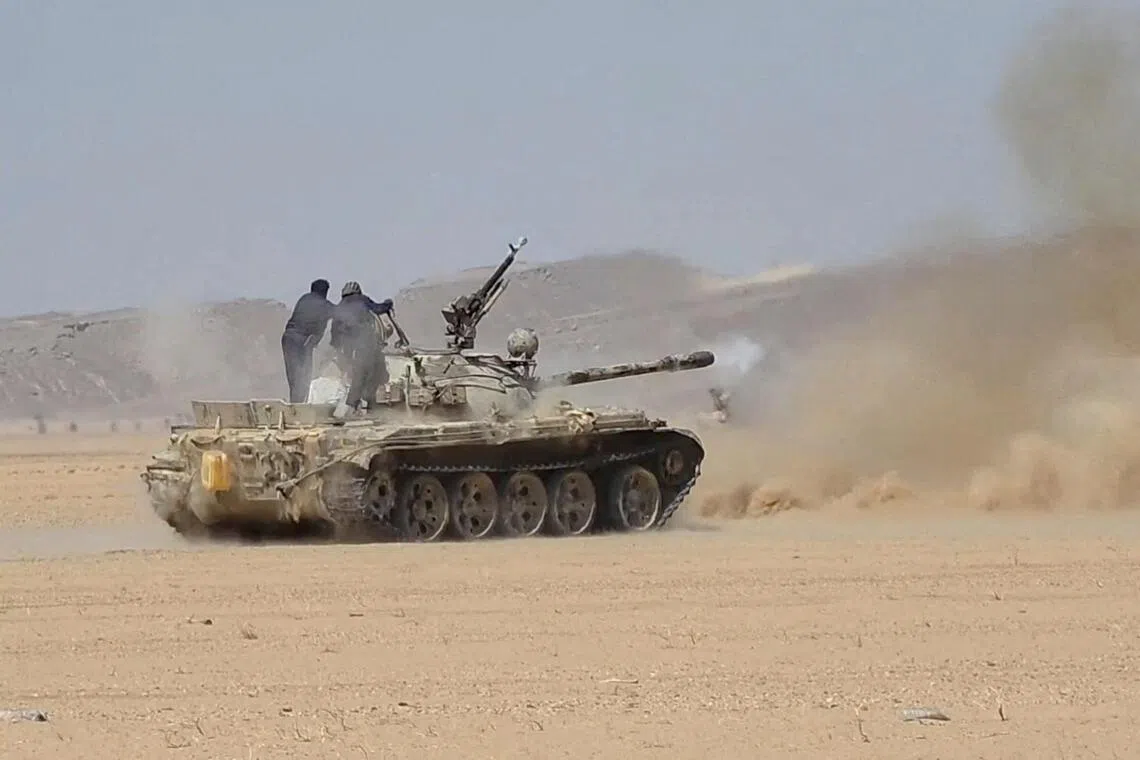
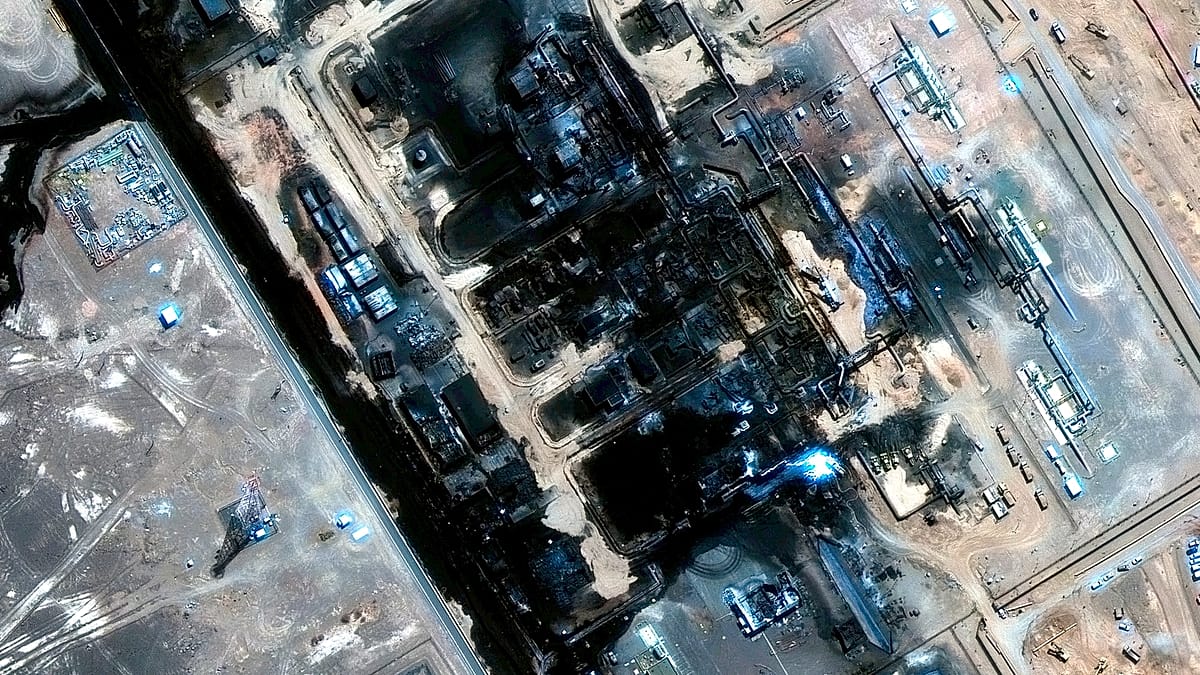
Oil prices surged above $100 a barrel as tensions in the Middle East escalated, particularly around the Bab el-Mandeb Strait and the Strait of Hormuz. In Yemen, Houthi rebels, backed by Iran, seized control of Perim Island and launched missile attacks on Saudi Arabia’s energy infrastructure, threatening vital shipping routes. This prompted concerns over global oil supply as the Houthis declared a blockade on Saudi vessels but allowed other commercial ships to pass through.
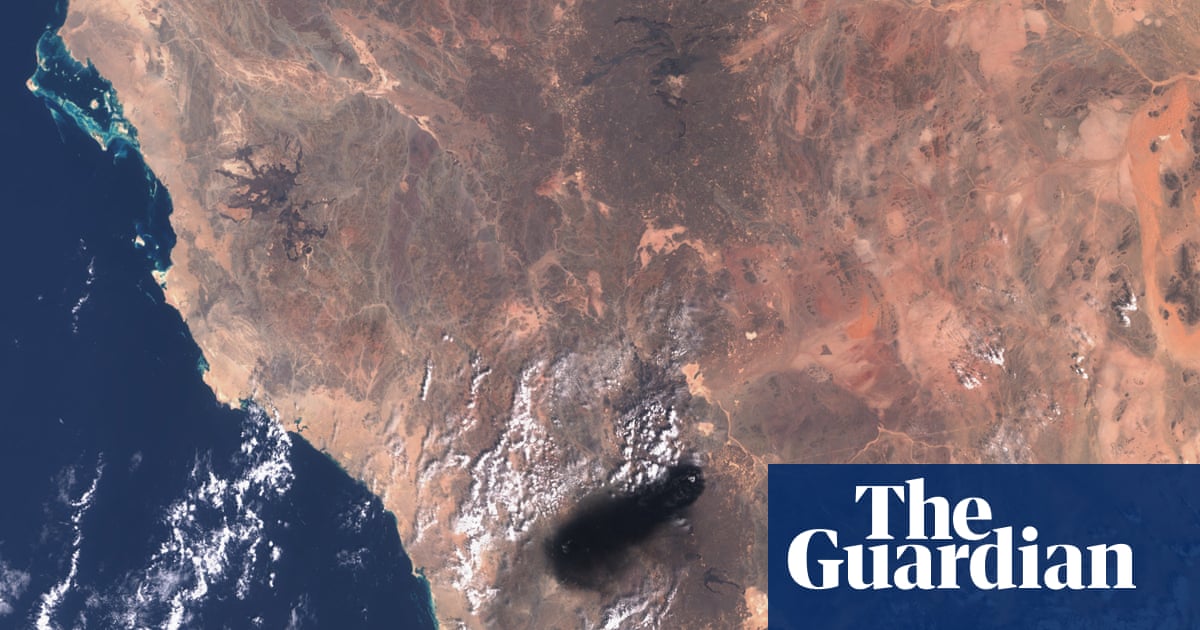
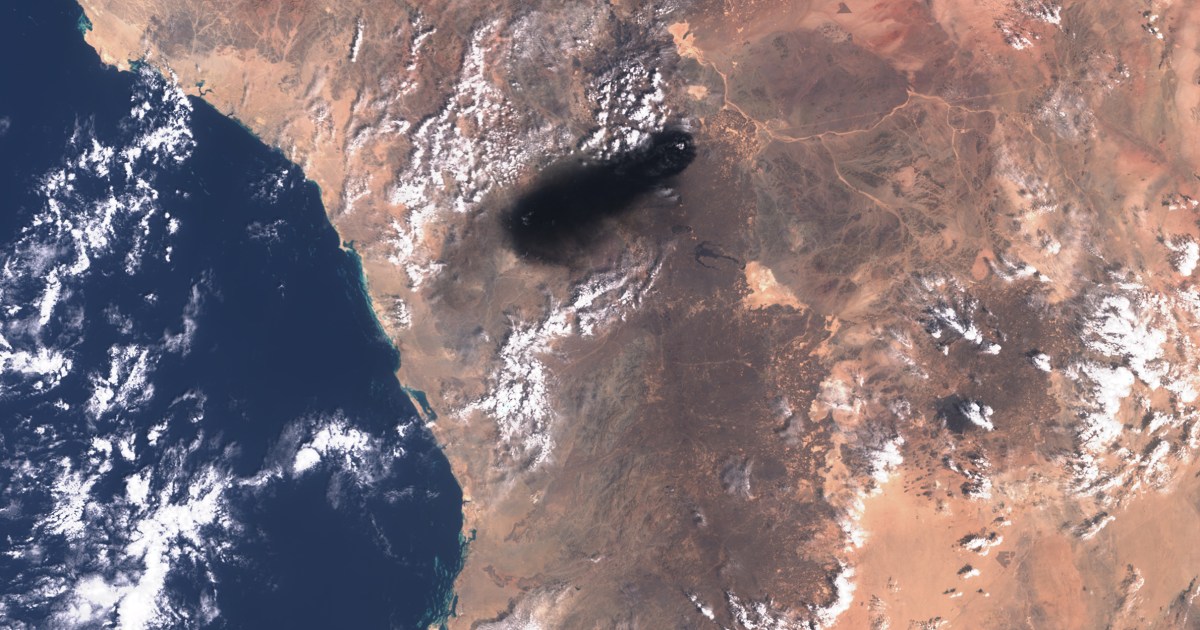
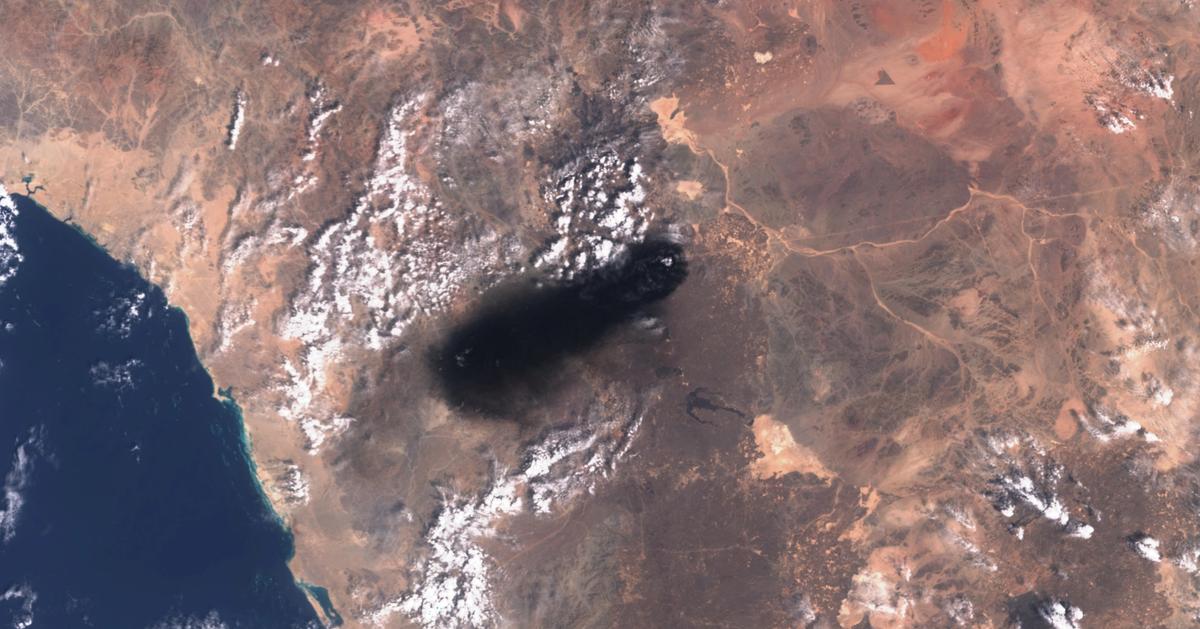
Meanwhile, in September 2026, Saudi Arabia's East-West pipeline, crucial for avoiding the Strait of Hormuz, was shut down after drone attacks, raising fears of potential disruptions to up to 4% of global oil supply. These developments came as talks between Gulf nations and Iran scheduled for Oman were canceled, heightening regional instability.
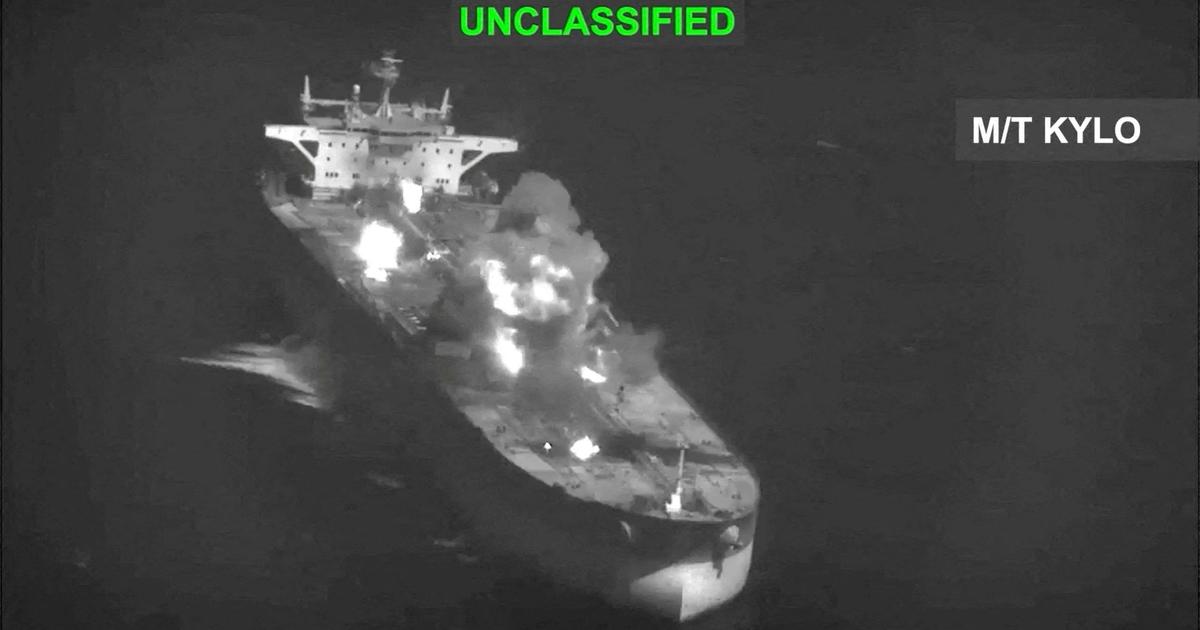
Additionally, an Iranian commercial ship was hit by an “unidentified projectile” near the island of Hengam in the Strait of Hormuz, causing casualties. U.S. President Donald Trump blamed Iran for the attack on Saudi Arabia's pipeline, while also suggesting that Iran-aligned Houthis did not want direct U.S. involvement but were targeting specific countries. These events underscored the complex and volatile geopolitical landscape affecting global energy markets.
Yemen’s Iran-backed Houthis also seized Perim Island in the Bab al-Mandab Strait, threatening a second major shipping route through the Red Sea.
"With two critical maritime arteries simultaneously being choked, the world is facing an increasing constriction" of global energy flows, a consultant told The Washington Post.