The Guardian
· collected 2026-09-15 · by Patrick Wintour Diplomatic editor
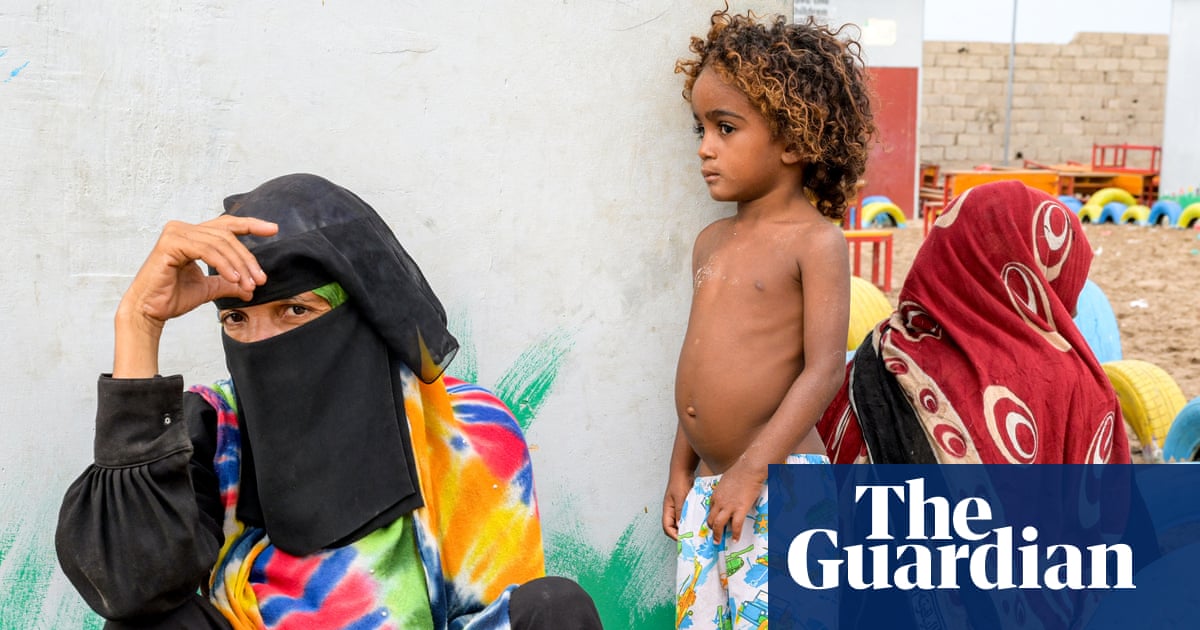
Saudi cities faced the threat of a second day of Houthi attacks as fighting across Yemen led the UN to warn of a humanitarian crisis with 100,000 Yemenis already displaced.
asserted
Yemenis → face → crisis
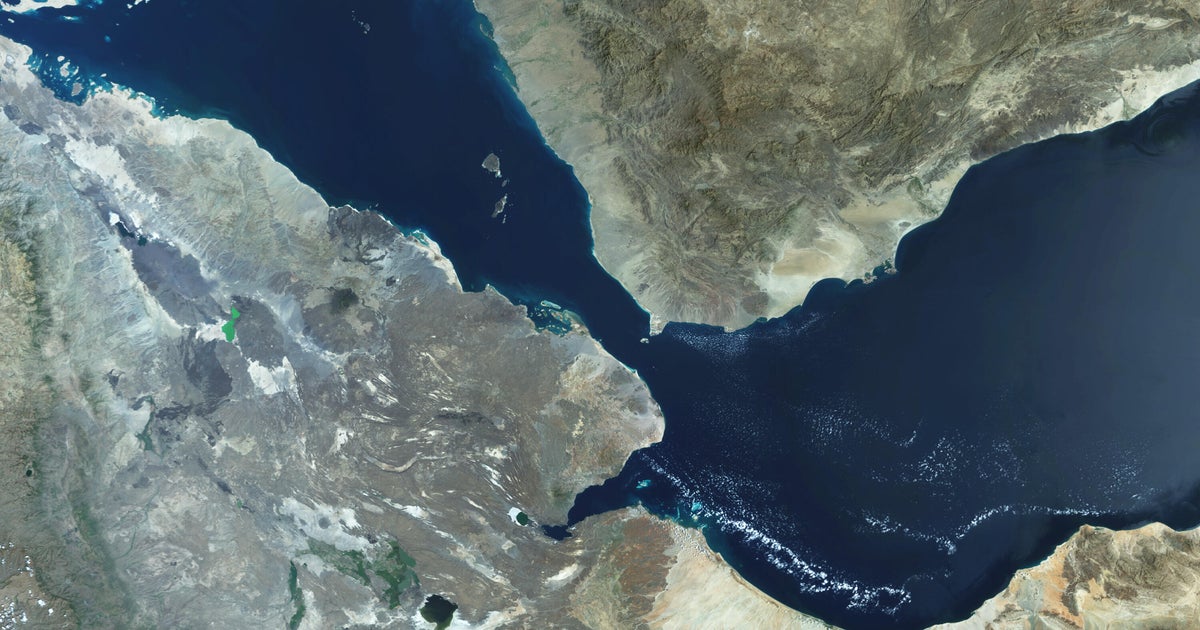
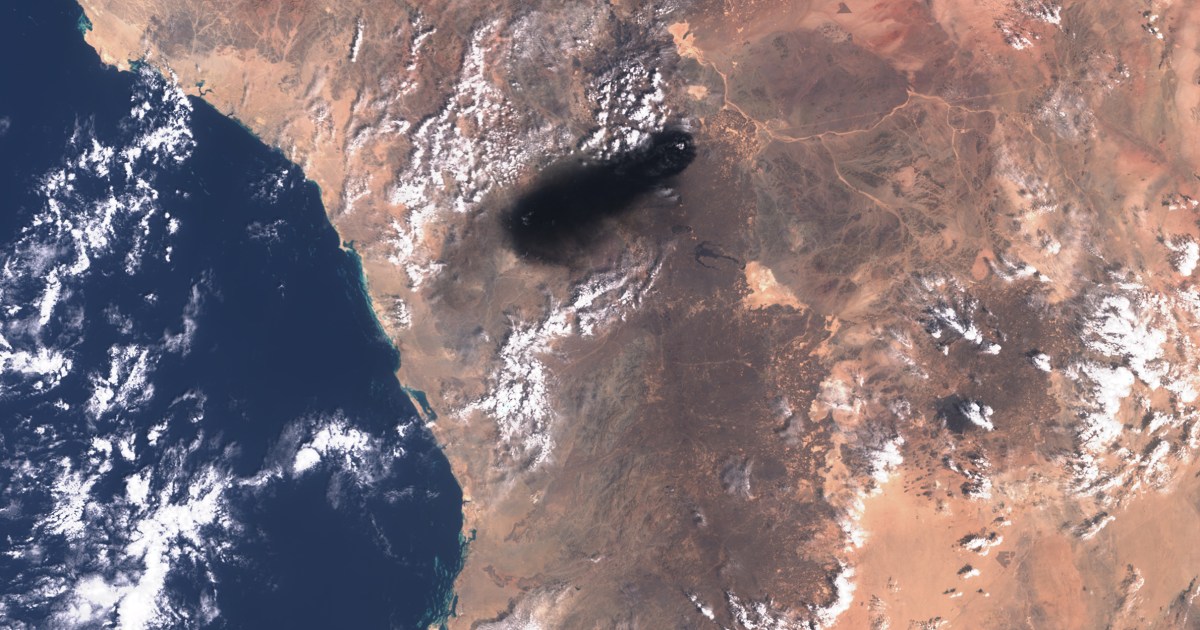
As oil prices remained well over $100 (£74) a barrel, Qatar warned of a catastrophe if the Iran-backed Houthi militants won full control of the Bab al-Mandab strait, the narrow waterway at the bottom of the Red Sea dominating the key naval route to Asia.
asserted
militants → remain → Asia
The strait has become vital to Saudi crude oil exports as the wider Middle East war chokes the strait of Hormuz in the Gulf.
asserted
war → become → Gulf
An emergency meeting of the UN security council in New York heard repeated calls for Houthi forces to show restraint.
asserted
forces → hear → restraint
In a sign that Iran is still seeking a broader solution, its foreign minister, Abbas Araghchi, travelled to Beijing to discuss China’s possible role in solving the related strait of Hormuz dispute.
asserted
minister → seek → dispute
The future of the strait of Hormuz – through which a fifth of the world’s traded oil and gas transited in peacetime and which the US and Iran are now mounting blockades of – is the diplomatic key to unlocking the conflict between the US and Iran, and to a lesser extent the related conflict between Saudi Arabia and the Houthis.
asserted
US → trade → Arabia
Oil prices rose sharply after Reuters reported that loadings at Saudi Arabia’s Red Sea port of Yanbu had been suspended, citing shipping industry sources.
asserted
loadings → rise → sources
The price of Brent crude, the international benchmark, rose nearly 3% to $108 a barrel.
asserted
price → rise → 108
Prices have risen this week after the world’s biggest crude oil exporter, Saudi Aramco, closed its East-West pipeline due to an attack by Yemen’s Iran-aligned Houthis.
asserted
exporter → rise → Houthis
Aramco had increased use of the Yanbu terminal since the start of the US-Israel war on Iran in late February.
asserted
Aramco → increase → February
Qatar, acting as a mediator in the Iran war, is still trying to revive a postponed meeting planned for Monday between Iran and most Gulf Cooperation Council countries.
asserted
Qatar → act → Iran
The planned talks in Oman were delayed at the insistence of Saudi Arabia in protest at what it regarded as Iranian-inspired Houthi attacks on Saudi cities.
asserted
it → plan → cities
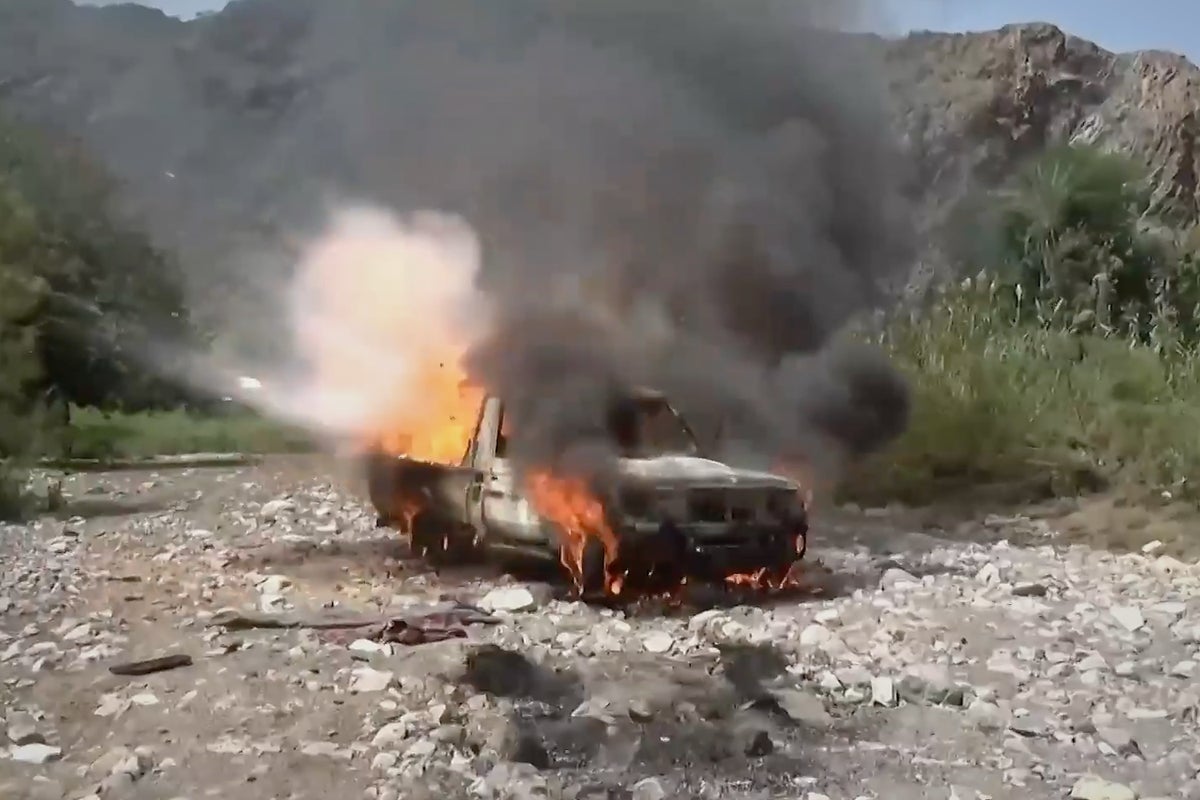
The Houthis had claimed responsibility for a new “large-scale” attack using “dozens of ballistic missiles and drones” against King Khalid airbase in Khamis Mushait, southern Saudi Arabia, on Monday.
asserted
Houthis → claim → Monday
Air raid sirens were activated in six governorates including Jeddah on Tuesday.
asserted
sirens → activate → Tuesday
The warnings were lifted relatively quickly, but reflect an unprecedented new state of insecurity across Saudi Arabia.
asserted
warnings → lift → Arabia
The Oman meeting had been organised with the intention of reaching a regional agreement on an authorised route for commercial shipping through the strait of Hormuz.
asserted
meeting → organise → Hormuz
The US secretary of state, Marco Rubio, spoke with Oman’s foreign minister, Sayyid Badr Albusaidi, on Tuesday amid US concern that Oman will cede excessive control of the waterway to Iran.
asserted
Oman → speak → Iran
The Qatar foreign ministry official Ibrahim al-Hashmi told reporters: “The world is suffering enough with the closure of the strait of Hormuz, so we cannot also afford to add the Bab al-Mandab into that equation.”
asserted
we → tell → equation
He added that the closure of the southern entrance to the Red Sea would be “catastrophic for the entire world … and we are already seeing the consequences”.
asserted
we → add → consequences
The strait of Hormuz remained largely closed for commercial traffic on Monday and Tuesday, with a Qatar ship disabled by Iran and only four ships recorded as crossing the strait on Monday compared with a prewar average of about 130 ships.
asserted
ship → remain → ships
So far Donald Trump has rejected Saudi pleas to join the fight to drive the Houthis back north up the coast of the Red Sea.
asserted
Trump → reject → Sea
Houthi leaders have also spoken to the US vice-president, JD Vance, reassuring the White House that their forces are seeking only to hinder Saudi-owned shipping, and that their overall goal is to end what they regard as a Saudi blockade of Houthi-controlled areas.
asserted
they → speak → areas
The Houthis have signed a ceasefire agreement with the US, but are still subject to US sanctions.
asserted
Houthis → sign → sanctions
The UK is unlikely to offer direct military, as opposed to political, support to Saudi Arabia unless there is a clear instruction from Washington to do so.
asserted
UK → offer → Washington
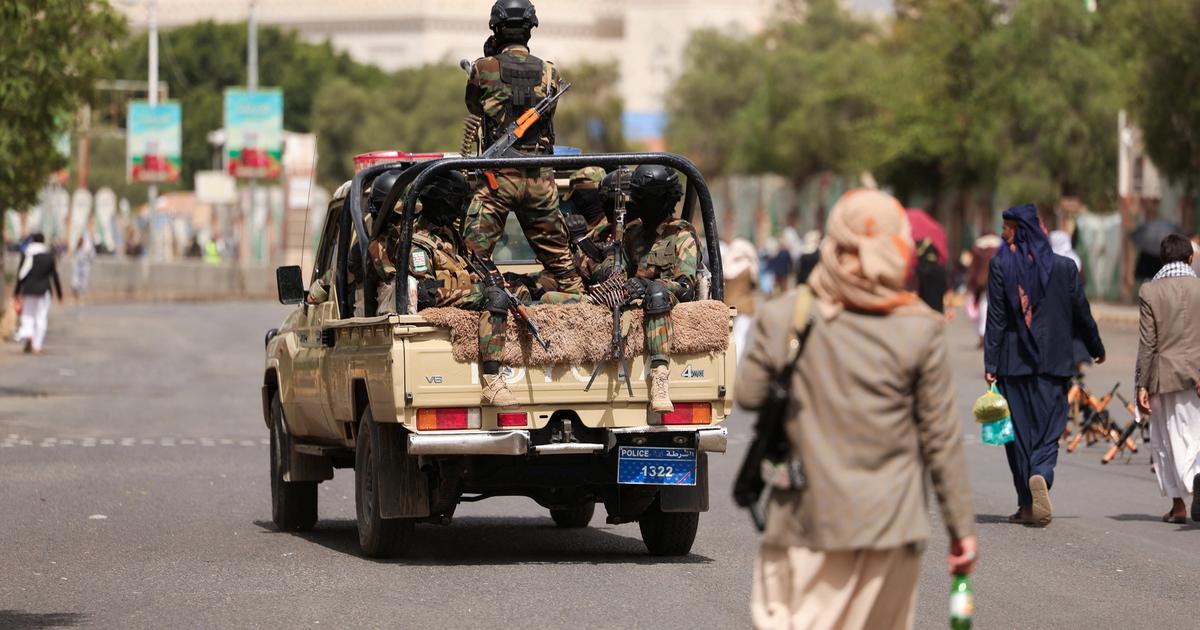
Inside Yemen the next military engagement is likely to focus on the city of Marib where Saudi air raids have been trying to weaken Houthi formations.
asserted
raids → focus → formations
Yemen’s ministry of foreign affairs and expatriates said: “If the world wants stability and calm in the region, it must tell the Saudis: enough interference in the Yemeni affair.”
asserted
it → say → affair
Rather than giving direct military help, western governments are providing intelligence, including targeting advice as well as strategic help in the task of trying to integrate the disparate anti-Houthi forces in Yemen.
asserted
governments → give → Yemen
But Maysaa Shuja al-Deen from the Sana’a Center thinktank said: “Any renewed military campaign must be accompanied by a serious reassessment of past mistakes, meaningful reform of the Yemeni government, stronger coordination among anti-Houthi forces, and a more balanced relationship between Yemeni actors and their regional partners.”
asserted
campaign → say → actors
She added: “In many cases, the Saudis choose Yemeni figures who are weak, easily manipulated, and willing to follow their orders.
asserted
who → add → orders
If they instead chose competent, strong actors who could implement a shared agenda, they would also gain the respect of other competent Yemeni figures.
uncertain
they → choose → figures
“This approach contrasts with the Iranian and Emirati models, which have generally given their local allies more room to manoeuvre while building relationships around specific objectives and clearer mandates.
asserted
which → contrast → objectives
Due to the weakness of the UN-recognised government in Yemen, various militias with different ideological or regional loyalties operate alongside the official national army.
asserted
militias → recognise → army
Together on paper, the number of anti-Houthi forces could reach as many as 500,000 troops but in practice not all these forces cooperate or are willing to fight outside their area.
uncertain
forces → reach → area
Saudi Arabia gives support to Yemen’s Homeland Shield Forces while the United Arab Emirates had backed both the 80,000-strong Southern Transitional Council’s Giants Brigade and a 20,000-strong force led by Tareq Saleh.
asserted
Emirates → give → Saleh
But the UAE, after backing separatist forces in the south, has now pulled out of Yemen.
asserted
UAE → back → Yemen
 The Aporia