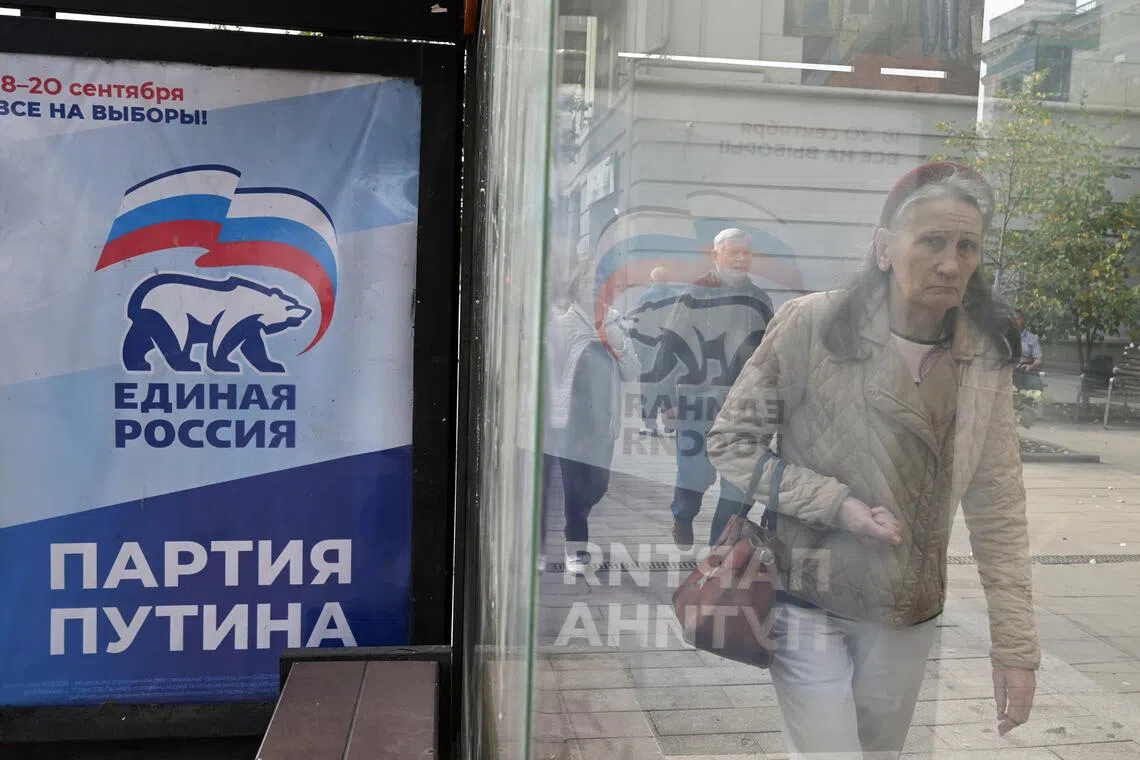
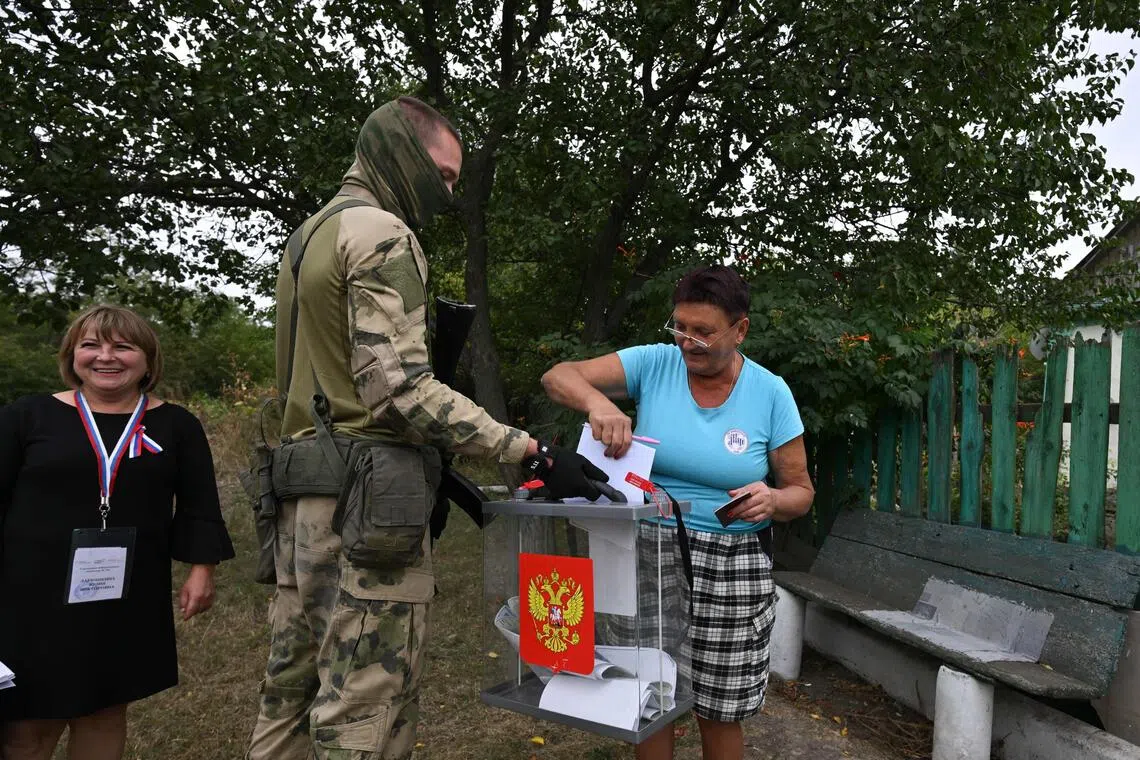
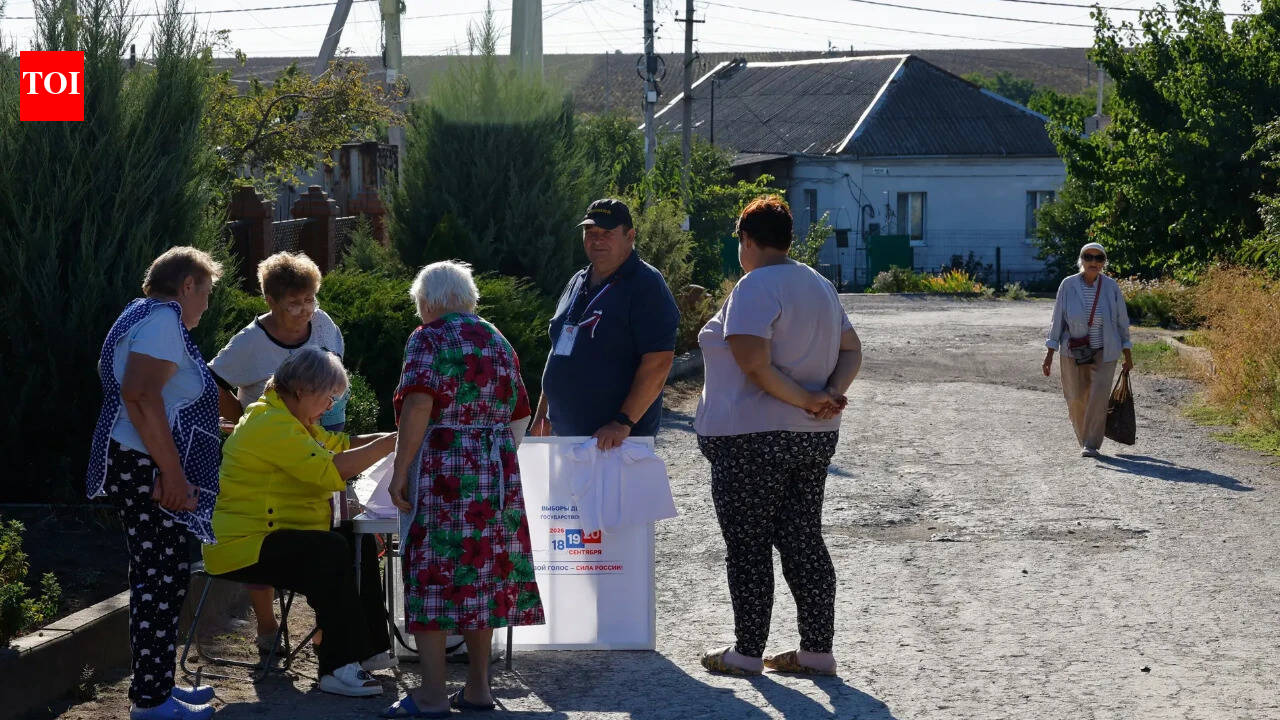
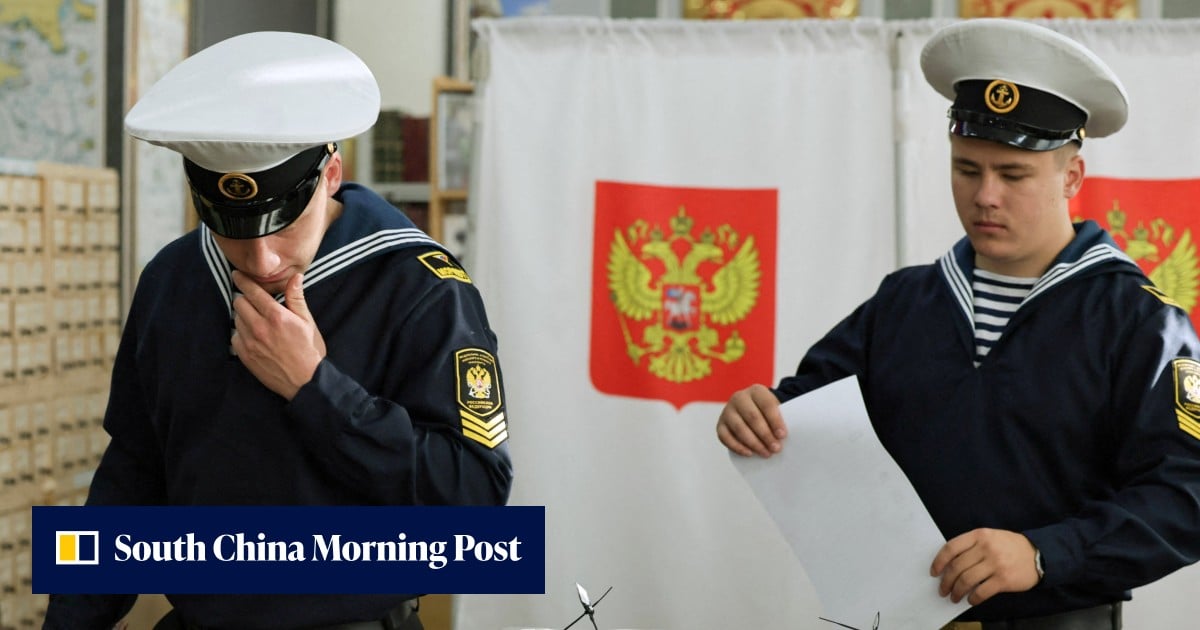
This weekend, Russians are heading to the ballot box to vote in the first parliamentary election since the war with Ukraine began in early 2022.
asserted
war → head → 2022
Theoretically up for grabs are 450 seats in Russia’s parliament, the Duma, though the governing United Russia party, led by President Vladimir Putin, is expected to retain its comfortable majority.
asserted
party → govern → majority
Recommended Stories
list of 4 items- list 1 of 4‘I’m Russian’: NHL star Ovechkin defends Putin ad appearance
- list 2 of 4Russia election: Could other parties challenge United Russia?
- list 3 of 4Russia’s parliamentary election: Who’s on the ballot, and why it matters
- list 4 of 4Why
uncertain
it → 4‘i’m → ballot
the Kremlin fears even the ‘managed opposition’ in Russia
One of the hopefuls is Damir Gurin, who is running for the Green Party in Russia’s Far Eastern Federal District, where the forests of Siberia meet the Pacific Ocean.
asserted
forests → fear → Ocean
His policies include affordable housing, monitoring industrial emissions and promoting recycling over landfills.
asserted
policies → include → landfills
“My goal is to provide this harsh land and its people with worthy ecological and institutional representation,” Gurin told Al Jazeera.
asserted
Gurin → provide → Jazeera
“We’re not just solving the problems of nature, we’re protecting the human habitat.”
asserted
we → solve → habitat
Although the environment is a concern in Russia, other issues may overshadow it.
uncertain
issues → overshadow → it
An advertisement promoting the elections on state-run TV depicting famed Russian warriors through history ends with the words: “Their voice is the voice of victory.
asserted
voice → promote → victory
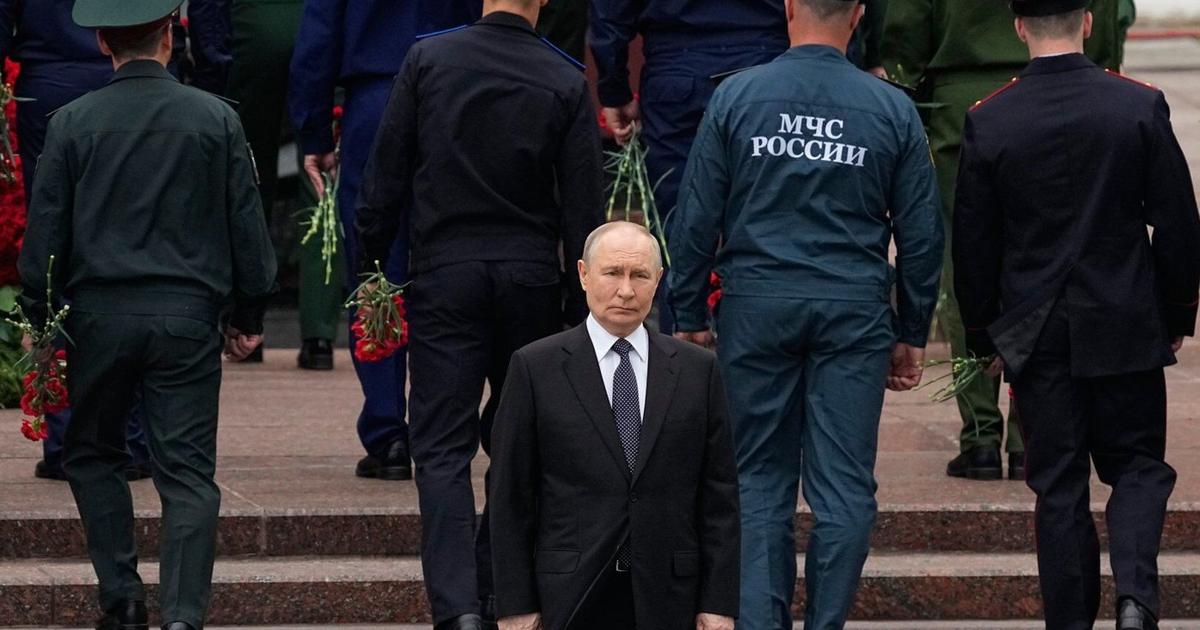
“This extensive election campaign is taking place as we continue the special military operation,” Putin stated in a public address on Wednesday, using the official euphemism for the invasion of Ukraine.
asserted
Putin → take → Ukraine
“Your choice and determination will show once again that millions of people are backing our fighters and that we stand together.”
asserted
we → show → fighters
Among the top candidates being fielded by United Russia are the hawkish former president Dmitry Medvedev and Vladislav Golovin, a veteran of the siege of Mariupol.
asserted
president → field → Mariupol
Ilya Budraitskis, a Russian social scientist based in California, said the Kremlin is seeking a popular mandate for its handling of the Ukraine war.
asserted
Kremlin → base → war
“Putin constantly describes [Ukraine President Volodymyr] Zelenskyy as illegitimate, because he does not hold an election in wartime,” Budraitskis told Al Jazeera.
asserted
Budraitskis → describe → Jazeera
“In Russia, as Putin has just stressed, in strict accordance with the schedule, as per the law, elections are held on time, and, accordingly, the Russian authorities keep their legitimacy.”
asserted
authorities → stress → legitimacy
‘The ceiling shakes’
asserted
ceiling → shake → ?
The elections come as the war is being increasingly felt on the home front.
asserted
war → come → front
On Friday morning, Ukraine launched more than 350 drones towards Moscow as the election got under way.
asserted
election → launch → way
Kyiv’s attacks on Russian oil infrastructure have caused fuel shortages, while the authorities have imposed internet blackouts in the name of national security.
“If there’s fuel at the gas station, people immediately line up,” said Aleksey, a Saint Petersburg resident in his mid-thirties who declined to provide his full name.
asserted
who → cause → name
He considers the elections a “sham”.
asserted
elections → consider → ?
“My mother lives outside the city near a gunpowder factory, and [drone attacks] happen periodically,” he said.
asserted
he → live → factory
There are “loud explosions, the ceiling shakes and plaster falls off the house, and sometimes she has to hide in the bathroom with the dog”.
asserted
she → be → dog
Do these crises sway public opinion?
asserted
crises → sway → opinion
According to the independent pollster Levada, more than half of Russians support peace talks, yet nearly 70 percent say they also support the actions of the armed forces in Ukraine.
uncertain
they → accord → Ukraine
“I spent a week in my home village, and in the past year the mood there has gotten so bad in terms of radicalisation, militarisation, human rights, and so on,” said Katherine, a St Petersburg psychiatrist in her sixties, who requested Al Jazeera withhold her surname.
asserted
Jazeera → spend → surname
I don’t know if my neighbours can be considered a focus group, but if so, the prospects don’t look very encouraging.”
asserted
prospects → know → ?
Exiled opposition figures based abroad, including Ilya Yashin and Yulia Navalnaya, have urged Russians to vote for any party other than United Russia.
asserted
figures → exile → Russia
Max, a young Muscovite, said he has used an online tool which advises dissenting Russians who to vote for.
asserted
which → say → who
“They tell me which candidate, not from the ruling party, has the best chance of winning.
asserted
candidate → tell → chance
This won’t lead to an end to the war, but at least I can sleep soundly,” he told Al Jazeera.
asserted
he → lead → Jazeera
Aleksey is considering voting for the Communist Party “even though I understand that in the current situation, no party can be against war”.
asserted
party → consider → war
Antiwar party removed from election
asserted
party → remove → election
Of all of Russia’s major parties, only the liberal Yabloko openly opposes the war and calls for an immediate ceasefire.
asserted
Yabloko → oppose → ceasefire
But in August, a judge excluded it from the election after a complaint from a small nationalist party, Rodina, over alleged copyright infringement, “extremism”, and overseas funding.
asserted
judge → exclude → infringement
“Of course, it happened because according to polls, Yabloko would have overcome the 5 percent barrier,” the minimum seats needed to win Duma representation, said Budraitskis.
uncertain
Budraitskis → happen → representation
“Yabloko would have led an election campaign under these slogans of immediate peaceful negotiations, the lifting of all [wartime] restrictions, the cessation of repression, and so on.
asserted
Yabloko → lead → repression
And it would be extremely dangerous to allow such a public campaign, because it was obviously popular.
asserted
it → allow → campaign
But for Sergey Kalenik, a Moscow-based media professional who supports Putin’s government, the exclusion of Yabloko means Russian democracy has “flourished.”
asserted
democracy → base → Yabloko
“Previously, elections were a real life-or-death struggle, because any attempts by patriots to gain ground were blocked,” he told Al Jazeera.
asserted
he → gain → Jazeera
He described Yabloko cofounder Grigory Yavlinsky as “a fanatical Ukrainian nationalist [who] wants to make all Russians slaves of Ukrainians.”
asserted
Russians → describe → Ukrainians
…and 5 more, not listed.
 The Aporia