Russian President Vladimir Putin announced on Wednesday that his ruling United Russia party achieved a record parliamentary majority in recent elections, securing over three-fourths of the 450 State Duma seats with more than 57% of the vote. With an official turnout rate of 59.3%, Putin claimed this high participation indicated public support for his military policies and efforts in Ukraine. The election occurred amidst ongoing Ukrainian drone attacks on Russia, which Putin framed as attempts to disrupt voting but failed to do so, citing robust voter engagement despite security challenges.
Written locally by qwen2.5:14b on 2026-09-23,
using this article's own text rather than the other coverage of the
same event (that is the story summary below).
Story summary
Russian parliamentary elections, held from September 18-20, were widely expected to see United Russia, President Vladimir Putin's party, maintain its dominance over the State Duma (lower house of parliament). Despite critics arguing that the outcome was predetermined and would have no significant impact on the country’s future, Russian authorities made persistent efforts to ensure high voter participation under current electoral law. The elections came amidst increasing war fatigue and economic hardship due to Ukraine's drone strikes targeting oil refineries and warehouses within Russia, causing fuel shortages and internet blackouts.
Exit polls conducted by independent groups at embassies and consulates abroad revealed starkly different results from those inside Russia: New People, an opposition party, garnered around 45% of the votes compared to United Russia’s reported near-58% support domestically. These discrepancies highlight a divergence between domestic and international perceptions of Putin's popularity, with many Russian expatriates opposing the war and expressing anxiety over its economic and social consequences.
Critics argue that these elections are more about demonstrating the regime's resilience than reflecting genuine public sentiment or political contestation, given the tight control exercised by the Kremlin.
Written for “Russia's Wartime Elections” on 2026-10-05,
grounded in this article and the 64 other(s) covering the same event.
Russian President
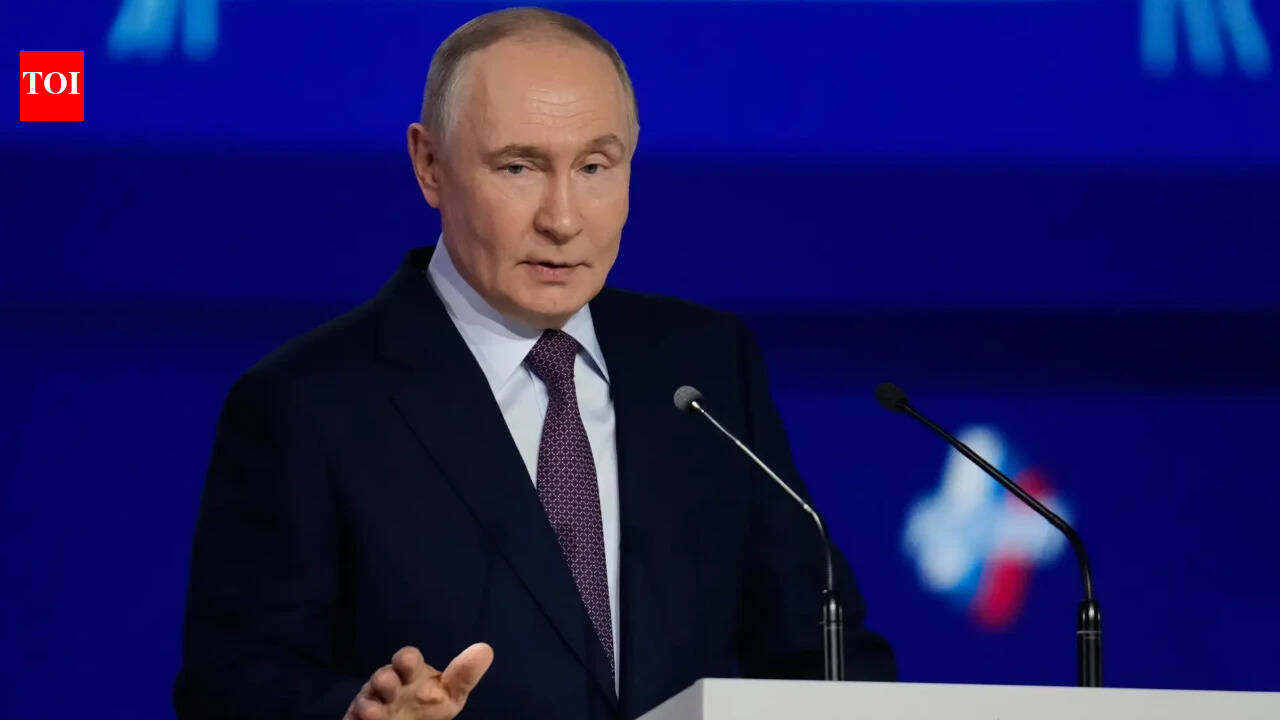
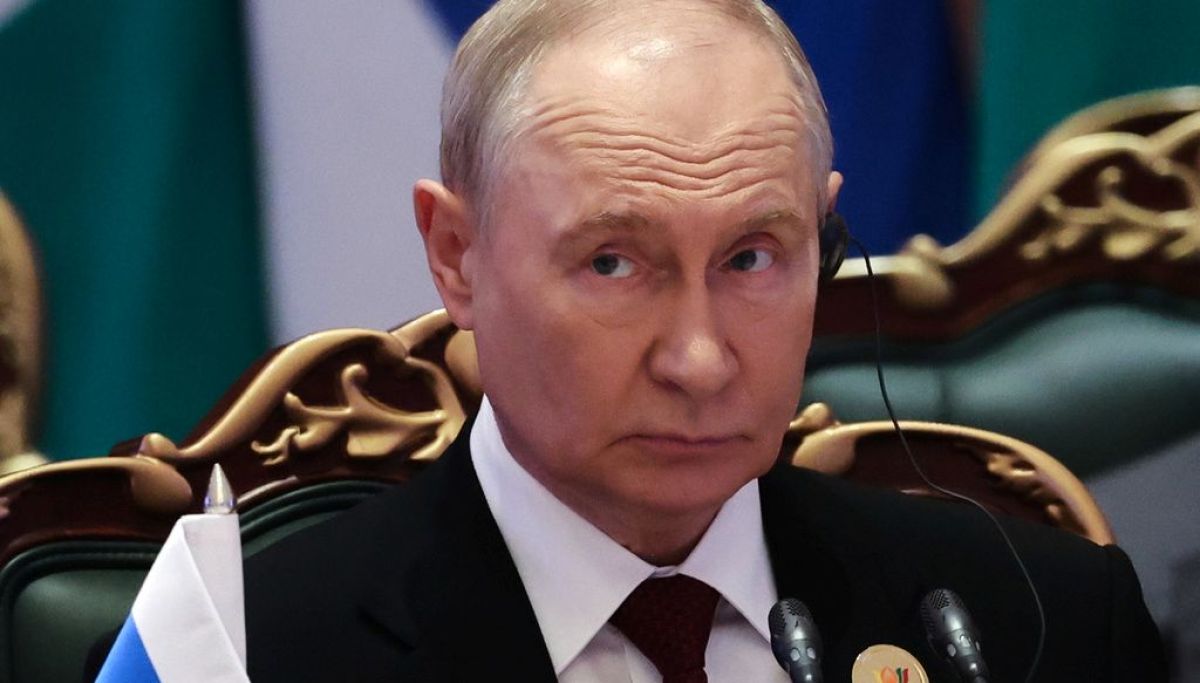
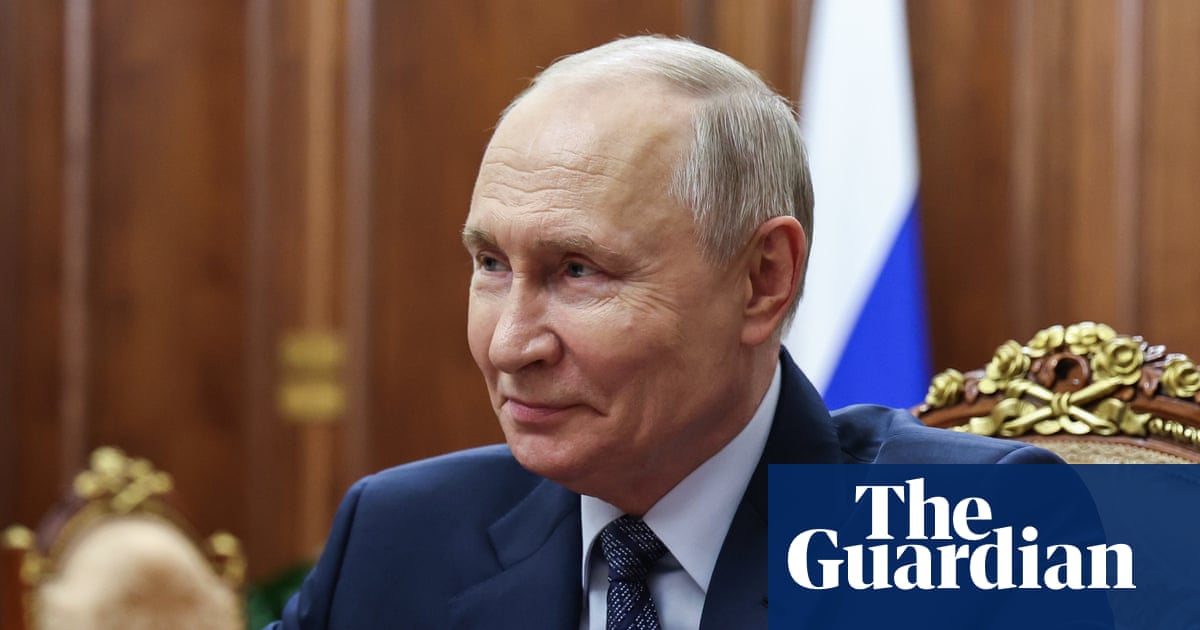
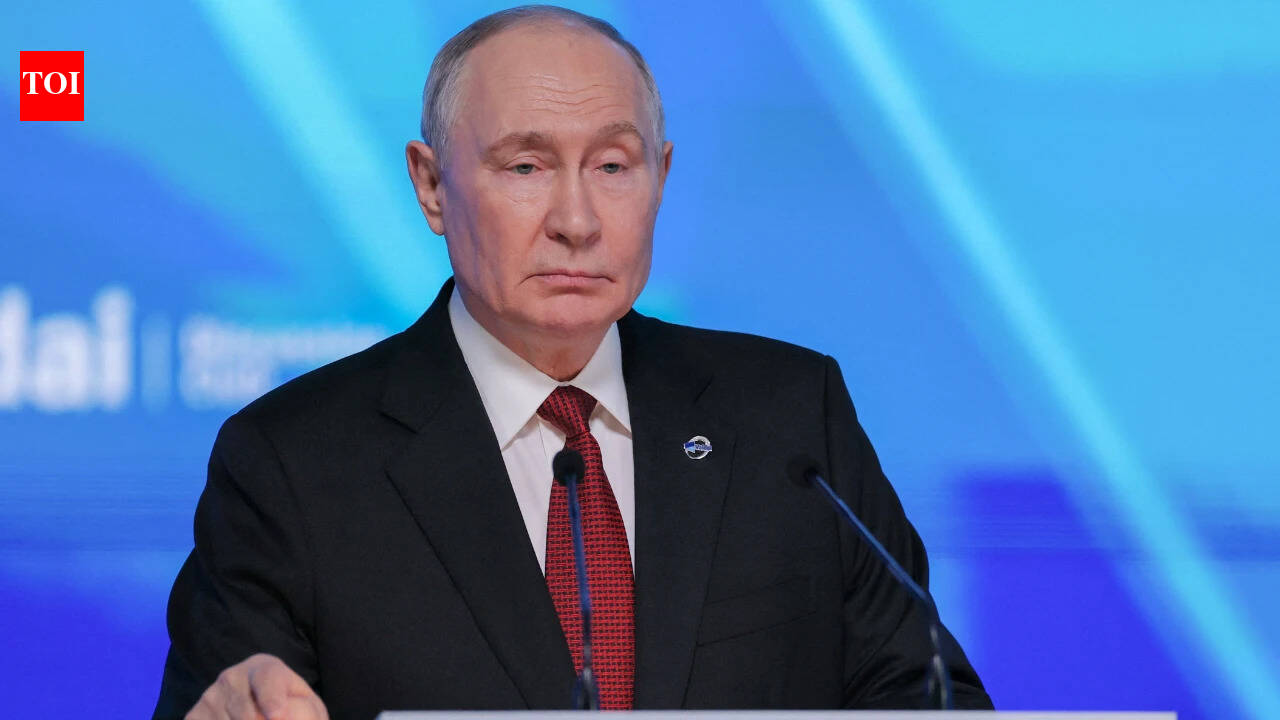
Vladimir Putin on Wednesday said high voter turnout in the country's parliamentary election showed public support for his policies and for the armed forces fighting in Ukraine, after preliminary results gave his United Russia party a record parliamentary majority.
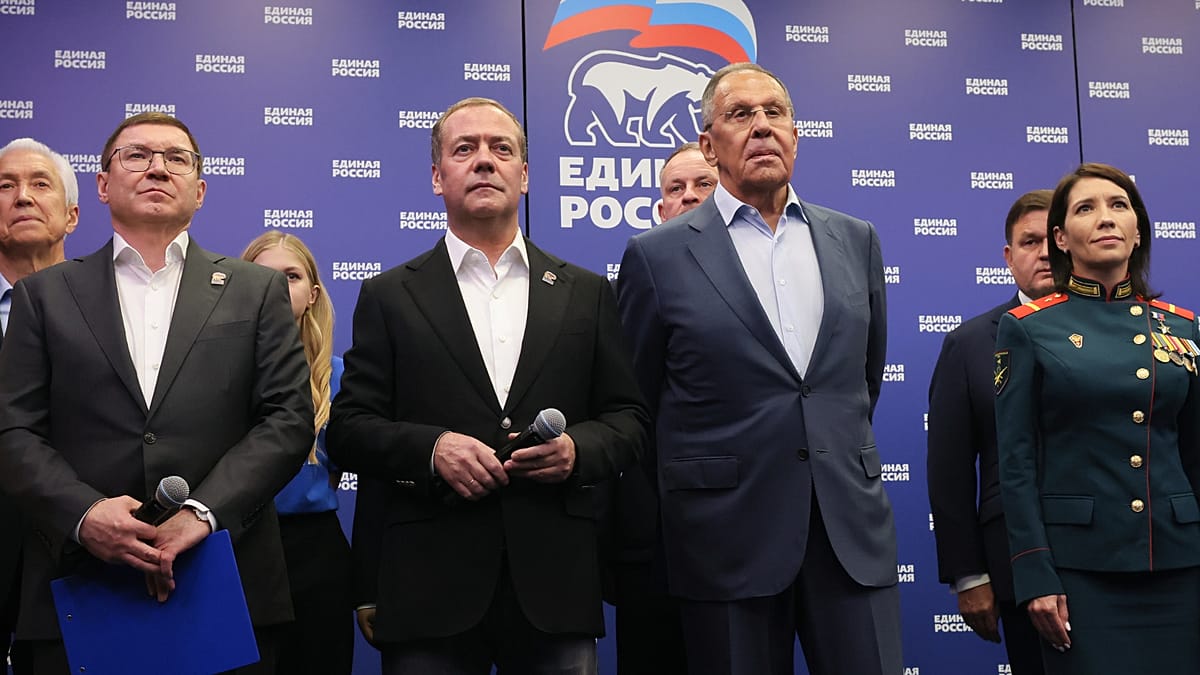
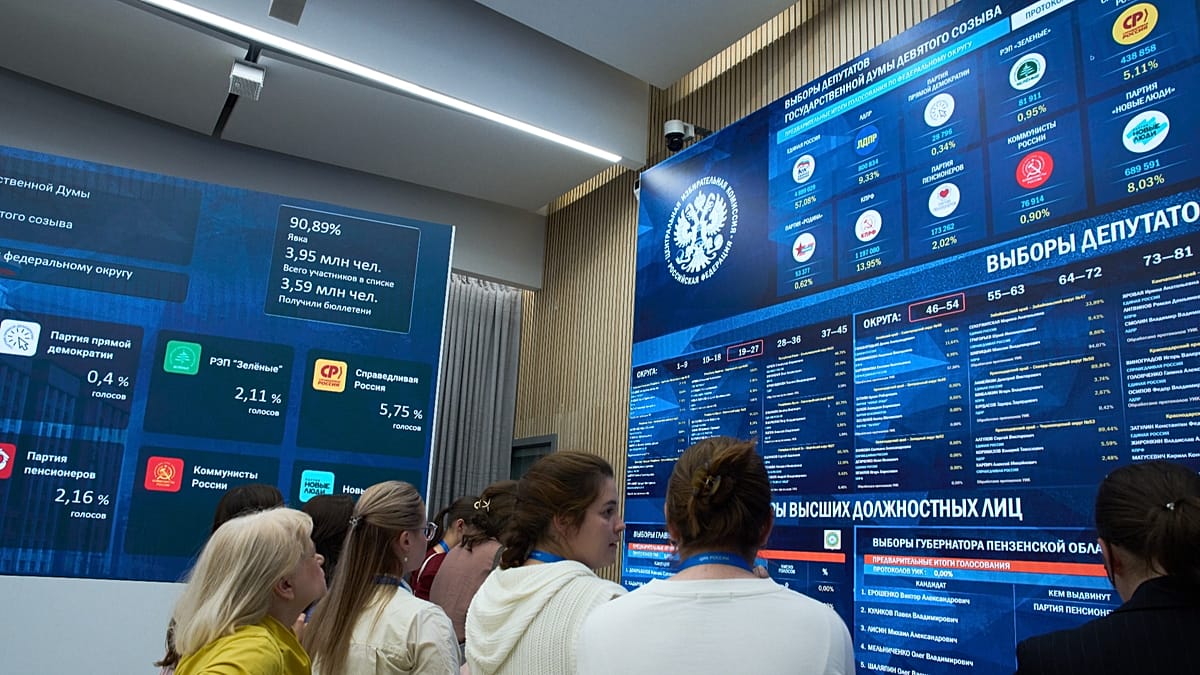
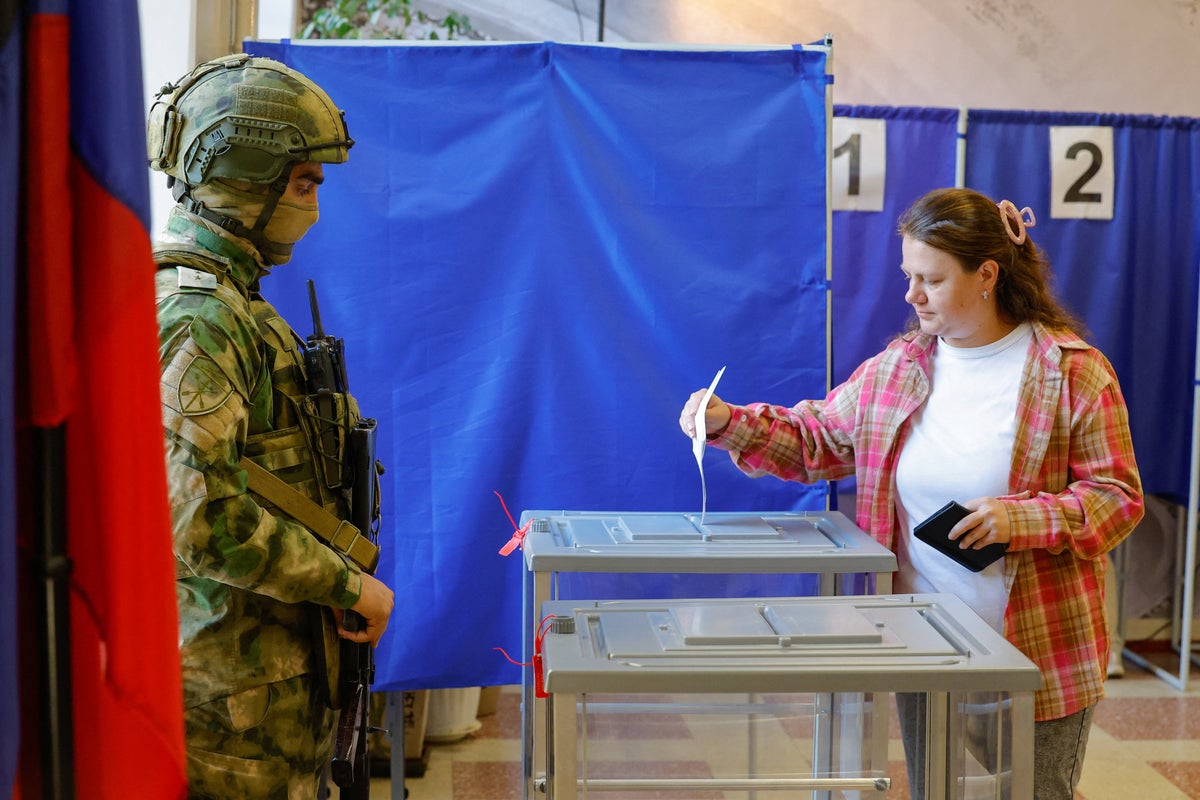
More than 97% of the votes had been counted, with United Russia expected to win more than three-fourths of the 450 seats in the State Duma, according to election officials cited by news agency AP.
Near-complete results showed the party securing 355 seats, or nearly 80% of the lower house, after winning more than 57% of the vote.
The election, held over three days from September 18 to 20, was the first parliamentary poll since Putin launched the full-scale invasion of Ukraine in 2022.
uncertain
Putin → say → 2022
It was also the first to include residents of four Ukrainian regions that Russia seized and declared annexed later that year.
asserted
Russia → include → that
Ukraine has rejected the voting in those territories as illegal.
asserted
Ukraine → reject → territories
Putin links turnout to support for war effort
Putin, speaking publicly about the results for the first time, said turnout demonstrated support for the government's policies.
asserted
turnout → link → policies
“Such a high, even record, number of people who came out and voted shows that the people of Russia support our efforts aimed at strengthening the country,” he said, according to Reuters.
uncertain
he → come → Reuters
Russia's Central Electoral Commission put turnout at 59.3%, while AP reported that turnout exceeded 59% of the 111 million eligible voters, making it the highest for a parliamentary election in more than a decade.
asserted
it → put → decade
Putin also directly addressed Russian troops fighting in Ukraine.
asserted
Putin → address → Ukraine
People believe in you, believe in our victory, believe in your courage, in your heroism,” he said.
asserted
he → believe → heroism
Putin further said, “I have no doubt that all the goals we set for the special military operation will be fulfilled,” using the Kremlin's term for the war.
asserted
we → say → war
Voting held amid Ukrainian drone attacks
The election took place amid continued Ukrainian drone attacks on Russia.
asserted
election → hold → Russia
Russia's defence ministry said it had shot down 1,110 drones overnight on Sunday.
asserted
it → say → Sunday
Moscow Mayor Sergei Sobyanin said 450 drones targeting the capital were downed in what he described as the city's “largest ever” attack.
asserted
he → say → attack
Officials said the attacks damaged an oil refinery and a residential building and killed three people and injured 38 in the wider Moscow region.
asserted
attacks → say → region
“They tried to hamper our efforts, to derail the election, as evidenced by the enemy’s continuous efforts to breach air defenses around Moscow and in other regions,” Putin said.
asserted
Putin → try → regions
“But lines at polling stations have shown that Russia can’t be intimidated.”
asserted
Russia → show → stations
Authorities extended voting to three days and used online voting in some regions.
asserted
Authorities → extend → regions
Voting was also held in Crimea, which Russia annexed in 2014, and in the four Ukrainian regions claimed by Moscow.
asserted
Russia → hold → Moscow
United Russia set for record majority
Preliminary results indicated that United Russia would win between 347 and 355 seats.
asserted
Russia → set → seats
The party secured just under 58% of the party-list vote for 225 seats and won 208 single-seat constituencies, which make up the other half of the Duma.
asserted
which → secure → Duma
Several smaller parties that form Russia's “systemic opposition” are expected to take most of the remaining seats.
asserted
that → form → seats
Only a small number are expected to go to candidates who ran without party affiliation.
asserted
who → expect → affiliation
The liberal Yabloko party, which had publicly criticised the war, was removed from the ballot by Russia's Supreme Court last month and had only a limited number of candidates in single-seat contests.
asserted
which → criticise → contests
Preliminary results showed that none of its candidates had won a seat.
asserted
none → show → seat
The election was conducted under extensive state media coverage and tight political controls, while voting also took place in territories whose annexation by Russia has been rejected by Ukraine.
asserted
annexation → conduct → Ukraine
 The Aporia