Story summary
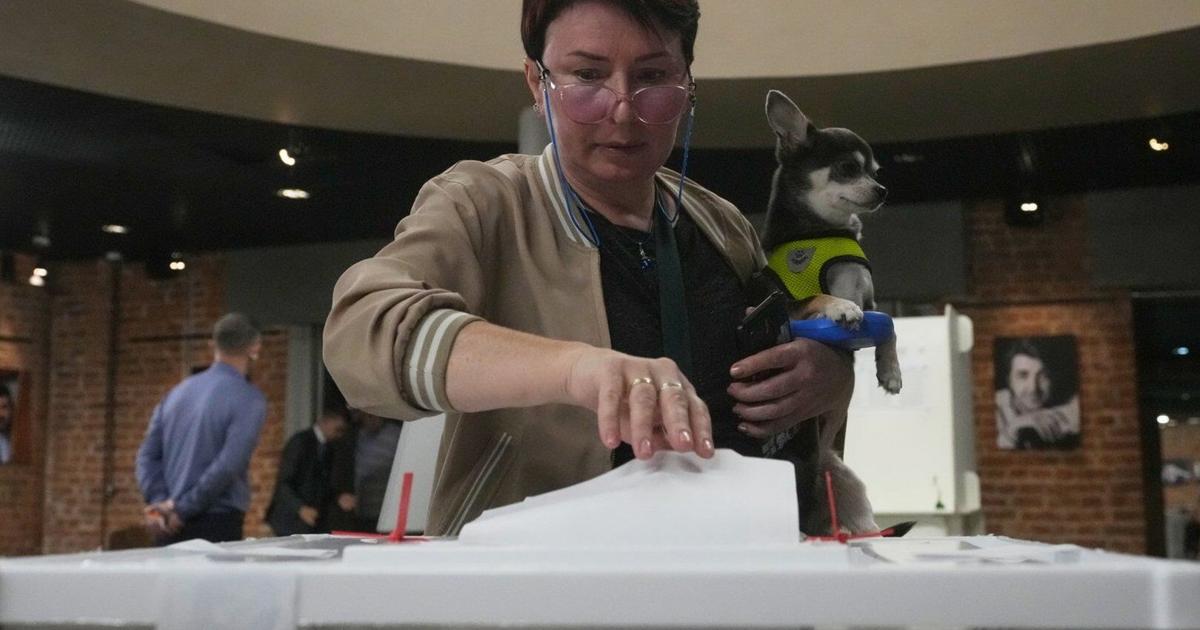
Russian parliamentary elections, held from September 18-20, were widely expected to see United Russia, President Vladimir Putin's party, maintain its dominance over the State Duma (lower house of parliament). Despite critics arguing that the outcome was predetermined and would have no significant impact on the country’s future, Russian authorities made persistent efforts to ensure high voter participation under current electoral law. The elections came amidst increasing war fatigue and economic hardship due to Ukraine's drone strikes targeting oil refineries and warehouses within Russia, causing fuel shortages and internet blackouts.
Exit polls conducted by independent groups at embassies and consulates abroad revealed starkly different results from those inside Russia: New People, an opposition party, garnered around 45% of the votes compared to United Russia’s reported near-58% support domestically. These discrepancies highlight a divergence between domestic and international perceptions of Putin's popularity, with many Russian expatriates opposing the war and expressing anxiety over its economic and social consequences.
Critics argue that these elections are more about demonstrating the regime's resilience than reflecting genuine public sentiment or political contestation, given the tight control exercised by the Kremlin.
Written for “Russia's Wartime Elections” on 2026-10-05,
grounded in this article and the 64 other(s) covering the same event.
There were no shocks in Moscow on Monday when Vladimir Putin’s allies declared victory in elections that gave them almost 80 per cent of the seats in the national parliament.
asserted
that → be → parliament
Right now, none are greater than the upheavals in Germany, where voters are deserting Chancellor Friedrich Merz and seeking salvation from the hard right.
asserted
voters → desert → right
In Russia, the election result was predictable for a country ruled so long by an autocrat whose enemies have a habit of falling out of windows from great heights.
asserted
enemies → rule → heights
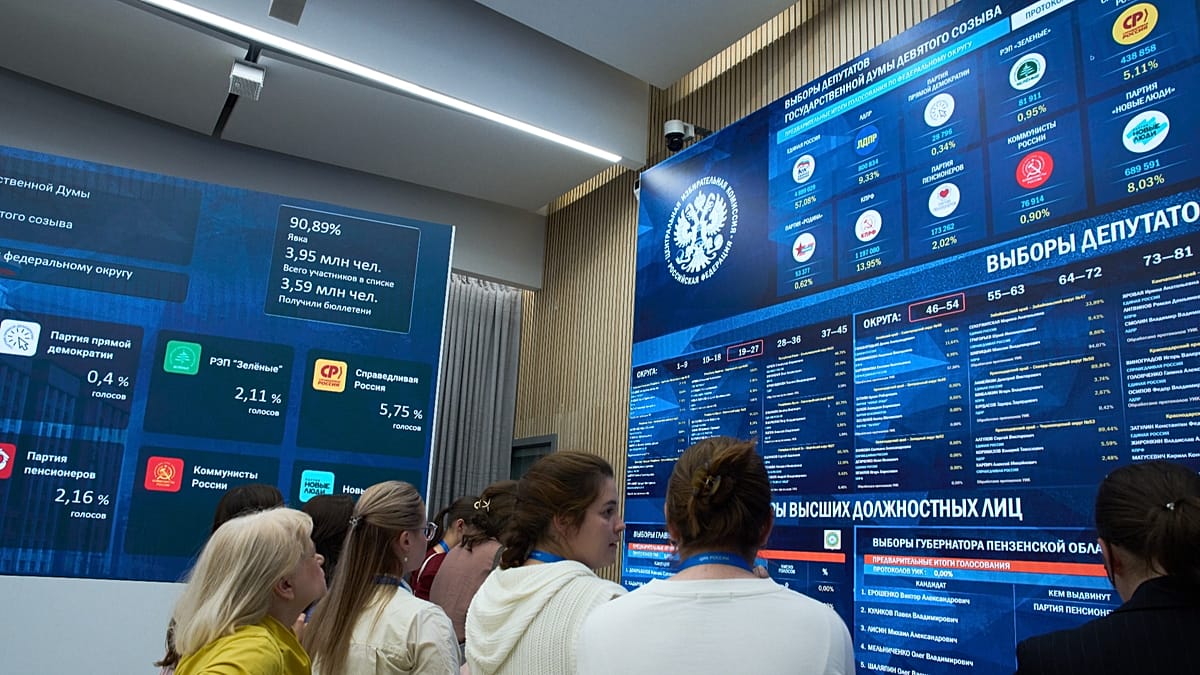
If anything, the minor surprise was that Putin’s party, United Russia, only gained 58 per cent of the vote.
asserted
party → gain → vote
How could 42 per cent be allowed to choose anyone else?
uncertain
cent → allow → anyone
This helped prop up the democratic facade, of course.
asserted
This → help → course
It did not have any broader meaning because United Russia gained overwhelming control of the parliament, the Duma, with 355 of the 450 seats.
asserted
Russia → have → seats
Anyone who seriously challenged Putin, or opposed the war in Ukraine, was simply not on the ballot.
asserted
who → challenge → ballot
Putin’s spokesman, Dmitry Peskov, took all this as proof the people backed their leader.
asserted
people → take → leader
“These indicators, of course, point to the highest level of consolidation within Russian society around the head of state,” Peskov told journalists in Moscow.
asserted
Peskov → point → Moscow
European leaders, however, called it out as a fraud.
asserted
leaders → call → fraud
“The so-called Duma elections marked another major setback for Russian democracy.
asserted
elections → call → democracy
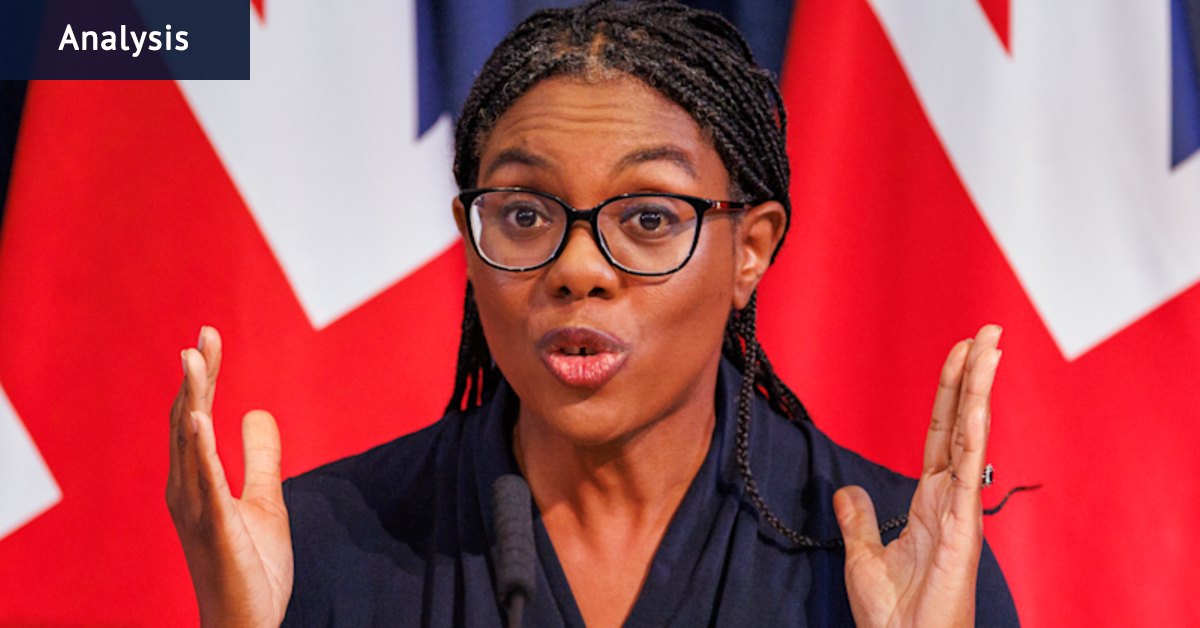
Their outcome was never in doubt,” said Kaja Kallas, the former Estonian prime minister and the European Union’s high representative for foreign affairs.
asserted
Kallas → say → affairs
“The Kremlin silenced dissent, barred the only registered party that opposed its war in Ukraine, and shut out international election monitors.”
While the election is an unreliable guide to Russian sentiment, there are other ways to measure opinions about Putin.
asserted
election → silence → Putin
Prigozhin failed in his attempt to march on Moscow, and he died in an aircraft explosion a few months later, but his uprising was a reminder of the constant threat to Putin.
asserted
uprising → fail → Putin
If the president were adored, he would not need to hide his physical location or send impersonators to act on his behalf at public events.
asserted
he → adore → events
The election outcome does not change Putin’s long-term strategy of applying pressure on Europe in the hope he will one day absorb Ukraine into his concept of greater Russia.
asserted
he → change → Russia
It is not just that he will approve civilian deaths from Russian drone and missile strikes on Kyiv and other cities.
asserted
he → approve → Kyiv
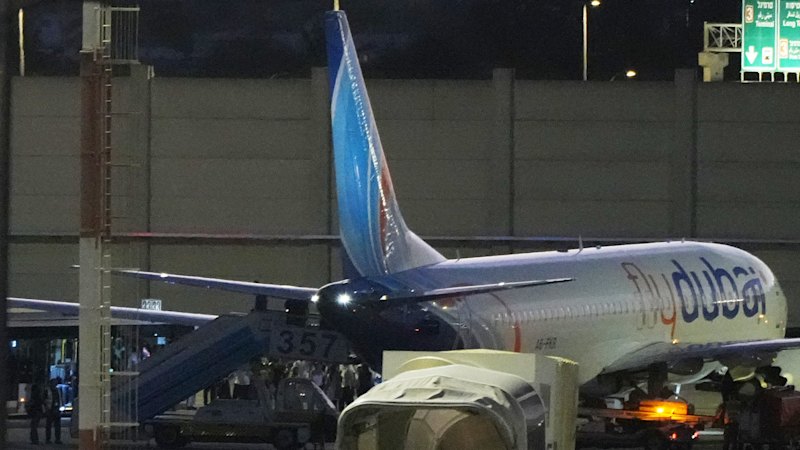
It is that he will intensify “hybrid” warfare on the West, such as a drone attack on a German airport, a cut to internet cables on the sea floor and a drone incursion into Lithuanian airspace.
asserted
he → intensify → airspace
He also gained some more support in the American capital.
asserted
He → gain → capital
Trump once again complained about Ukraine as if it were hurting global energy markets.
asserted
it → complain → markets
The US president first said this a week ago when he publicly urged his Ukrainian counterpart, Volodymyr Zelensky, to stop attacking Russian oil refineries.
asserted
he → say → refineries
“He’s causing a shortage of diesel,” Trump said during a visit to Ireland on September 14.
asserted
Trump → cause → September
Trump put the complaint directly to Zelensky in a phone call, according to The Financial Times.
uncertain
Trump → put → Times
Then he took to social media to express his exasperation.
asserted
he → take → exasperation
“Russia has unfortunately lost control of its Diesel Oil Industry due to its War with Ukraine,” Trump said.
asserted
Trump → lose → Ukraine
“A large number of their Diesel refineries have been blown up and are, at least temporarily, out of commission.
asserted
number → blow → commission
This ridiculous and never ending War with Ukraine must be ended.”
asserted
War → end → Ukraine
Never mind that Trump launched a war on Iran that sent oil prices soaring.
asserted
that → mind → prices
Trump has gained more power to halt the war in Ukraine if he chooses: the US Congress just passed the Lindsey Graham bill to allow tougher sanctions against Russia and the customers who buy its oil – including India and China.
asserted
who → gain → India
There are times when Trump talks tough about Putin.
asserted
Trump → be → Putin
In most of his actions, however, he clearly seeks to trade away Ukrainian sovereignty in pursuit of a deal, even if that means emboldening Putin and heightening future risks to Western Europe.
asserted
that → seek → Europe
Putin will hope for help from the White House in forcing a peace deal in Ukraine on his terms.
asserted
Putin → hope → terms
The question is whether he might one day gain the same help in the European capitals.
uncertain
he → gain → capitals
For now, most European leaders display total unity against Putin.
asserted
leaders → display → Putin
Leaders from Britain, France, Germany, Italy, Spain and Poland will not play nice with the Russian president.
asserted
Leaders → play → president
On Monday, the European Union disbursed another €3.3 billion ($5.3 billion) to Ukraine to fund military supplies under a €90 billion support loan.
asserted
Union → disburse → loan
Europe faces electoral shift
asserted
Europe → face → shift
The electoral shocks in Germany, however, highlight how European leaders are trying to stand firm as the ground shifts beneath their feet.
asserted
ground → highlight → feet
German voters rallied to the hard right in state elections in Mecklenburg-Western Pomerania on Sunday, following a similar shift in Saxony-Anhalt two weeks earlier.
asserted
voters → rally → Anhalt
…and 22 more, not listed.
 The Aporia