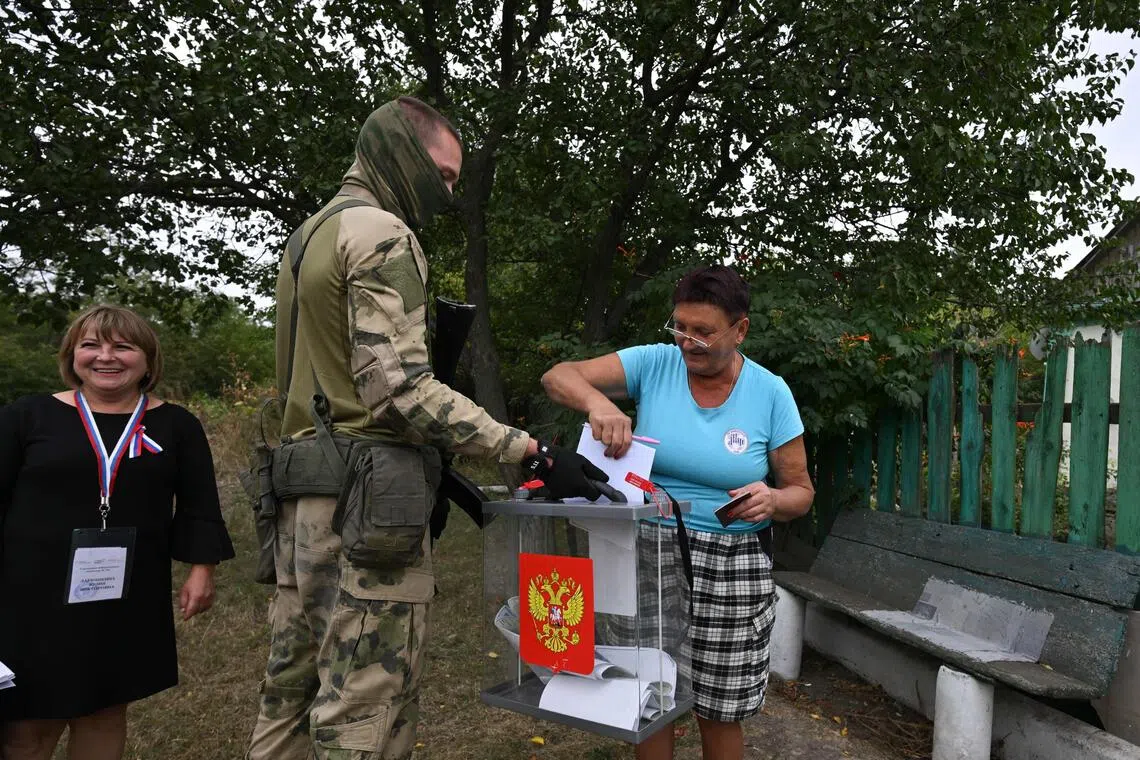
Russia will hold parliamentary elections from September 18 to 20, marking the first nationwide poll since it launched its offensive in Ukraine in February 2022. The tightly controlled vote, with only pro-war parties allowed on the ballot, is expected to affirm support for President Vladimir Putin and his policies amid ongoing economic challenges and war weariness among some Russians. Half of the 450 seats up for grabs will be decided by a national party list vote, while the other half will come from single-member districts across Russia. Notably, no real opposition parties are permitted to participate, ensuring that Putin’s ruling United Russia party retains majority control over the State Duma.
Written by the local model on 2026-09-15,
using this article's own text rather than the other coverage of the
same event.
Russia to hold tightly controlled vote in fifth year of war
AI generated
asserted
Russia → hold → war
Russia will this week hold a tightly controlled election in a vote seen by the Kremlin as a barometer of public opinion on the war with Ukraine, which is dragging into its fifth year.
asserted
which → hold → year
Some Russians have grown weary of economic stagnation and intensifying Ukrainian retaliatory attacks, and there are fears in some quarters that Russian President Vladimir Putin could order a mass call-up of new soldiers after the election.
uncertain
Putin → grow → election
The parliamentary vote – held from Sept 18 to 20 – will be the first since Russia launched its offensive in February 2022, and only the second nationwide poll since then, after a presidential contest that re-elected Putin in 2024.
asserted
that → hold → 2024
Voting is also due to take place in parts of Ukraine occupied by Russia’s army.
asserted
Voting → take → army
The war has killed hundreds of thousands, brought widespread censorship at home, devastated eastern Ukraine and seen Moscow hit with unprecedented Western sanctions.
asserted
Moscow → kill → sanctions
With Moscow having banned criticism of the war, no real opposition parties will be on the ballot, and Putin’s ruling United Russia party is assured to scoop a majority of seats in the State Duma.
asserted
party → ban → Duma
A European diplomat told AFP that while the election was “quite a sham”, it was a “ritual the Kremlin considers essential”, and that it would be striving to “ensure a high turnout”.
asserted
it → tell → turnout
Even if the results are “predefined”, voting still matters, exiled Russian political scientist Nikolai Petrov said.
asserted
Petrov → predefine → ?
“Just like at the time of the Soviet Union, elections should demonstrate (the) loyalty of citizens,” he said.
asserted
he → demonstrate → citizens
For Putin – in power for 26 years – it is important to “demonstrate to elites that he is still supported, still trusted by ordinary people”, Petrov said.
asserted
Petrov → demonstrate → people
Half of the 450 seats up for grabs will be decided by a nationwide vote for party blocs, with the other half allocated to single-member districts across the country.
asserted
half → decide → country
Only parties that support Putin and the war have been permitted to stand on the national ballot: the ruling United Russia party, the Communist Party, A Just Russia, the nationalist Liberal Democratic Party of Russia and New People.
asserted
that → support → Russia
Russia’s sole anti-war party still active inside the country, Yabloko, was barred from standing.
asserted
party → bar → country
“It’s a choice without a choice,” said 18-year-old Yevdokia.
asserted
Yevdokia → ’ → choice
She had planned to vote for Yabloko, which has called for an end to fighting in Ukraine, but will now vote for New People.
asserted
which → plan → People
The authorities have used the backdrop of the war to ramp up repression to levels unseen since the Soviet Union.
asserted
authorities → use → Union
All of Putin’s top opponents are in jail, exile or dead – like his main challenger Alexei Navalny, who died in a Russian prison in 2024.
asserted
who → die → 2024
While Russia’s Parliament has seen its powers hugely reduced under Putin, legislative elections have previously been sources of tension.
asserted
elections → see → tension
In 2011, widespread fraud and the return of Putin to the Kremlin from the role of prime minister led to Russia’s largest protests since the end of the USSR.
asserted
fraud → lead → USSR
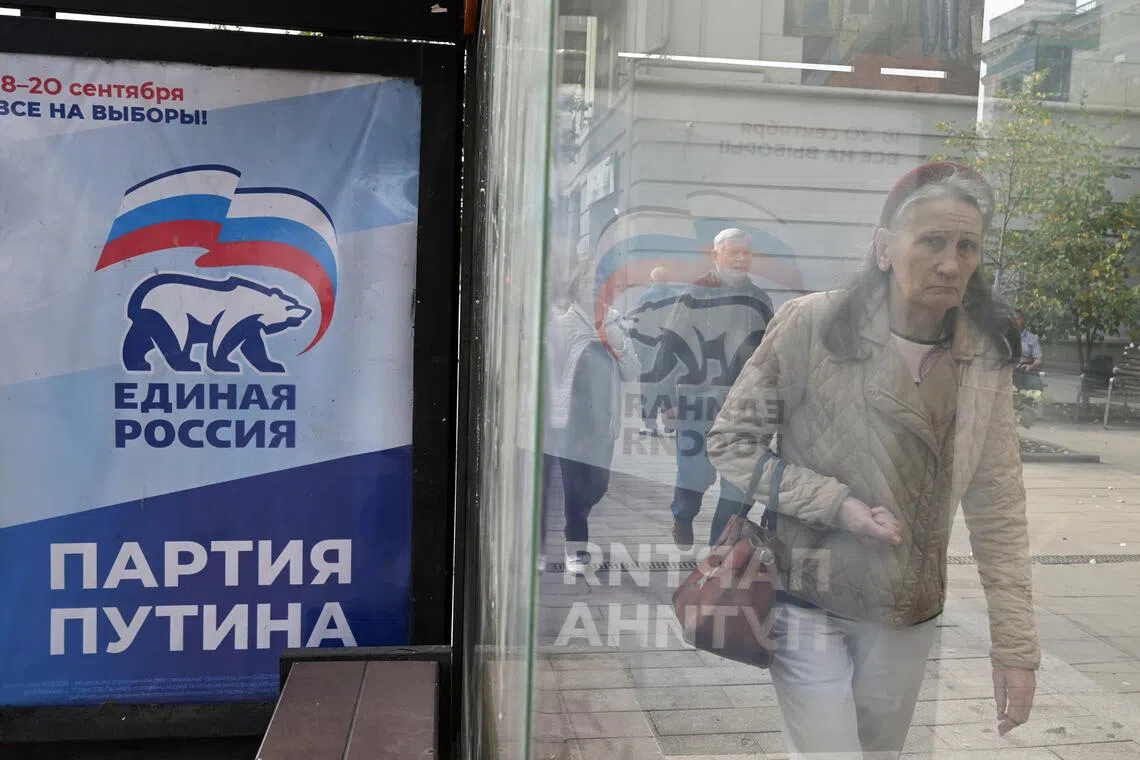
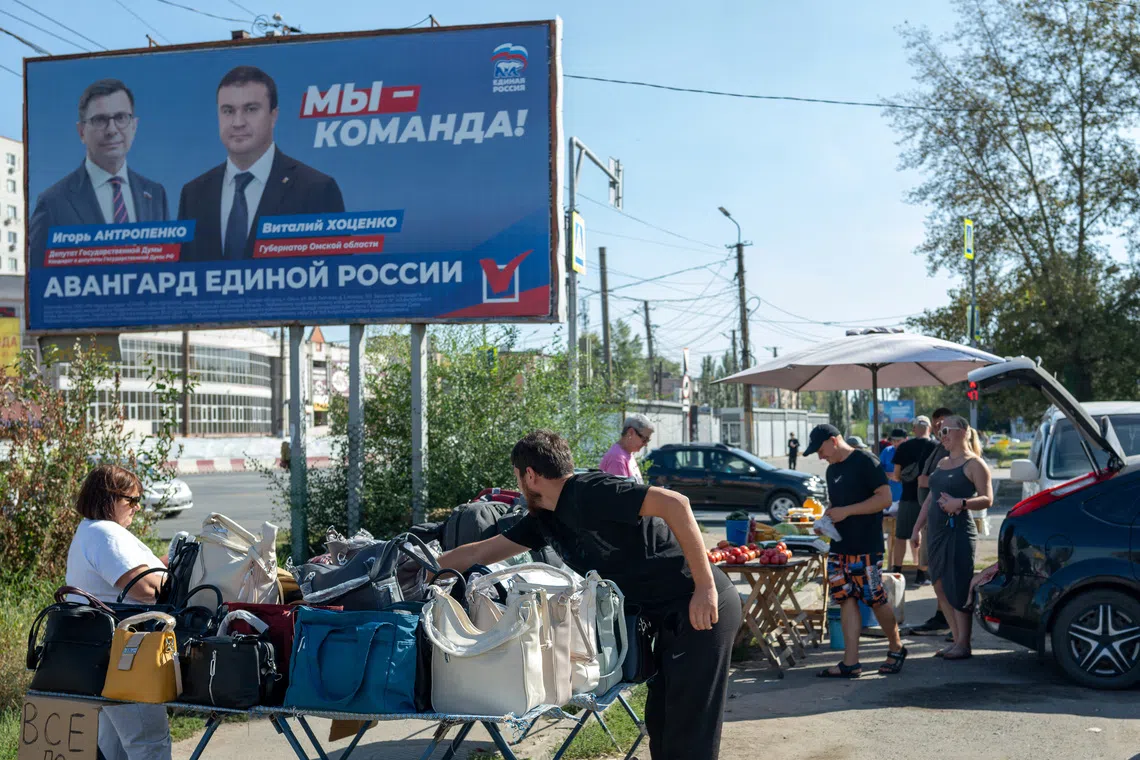
In Moscow, there are few signs that an election will even take place in 2026.
asserted
election → be → 2026
Campaign posters are few and far between, save for generic ones from the authorities urging people to participate – featuring the slogan, “Your voice is Russia’s strength”.
asserted
voice → urge → slogan
Mobilisation fears
The vote will serve as a barometer of feelings on a war that has killed hundreds of thousands and undermined the daily lives of Russians, even those living thousands of kilometres from the front.
asserted
that → serve → front
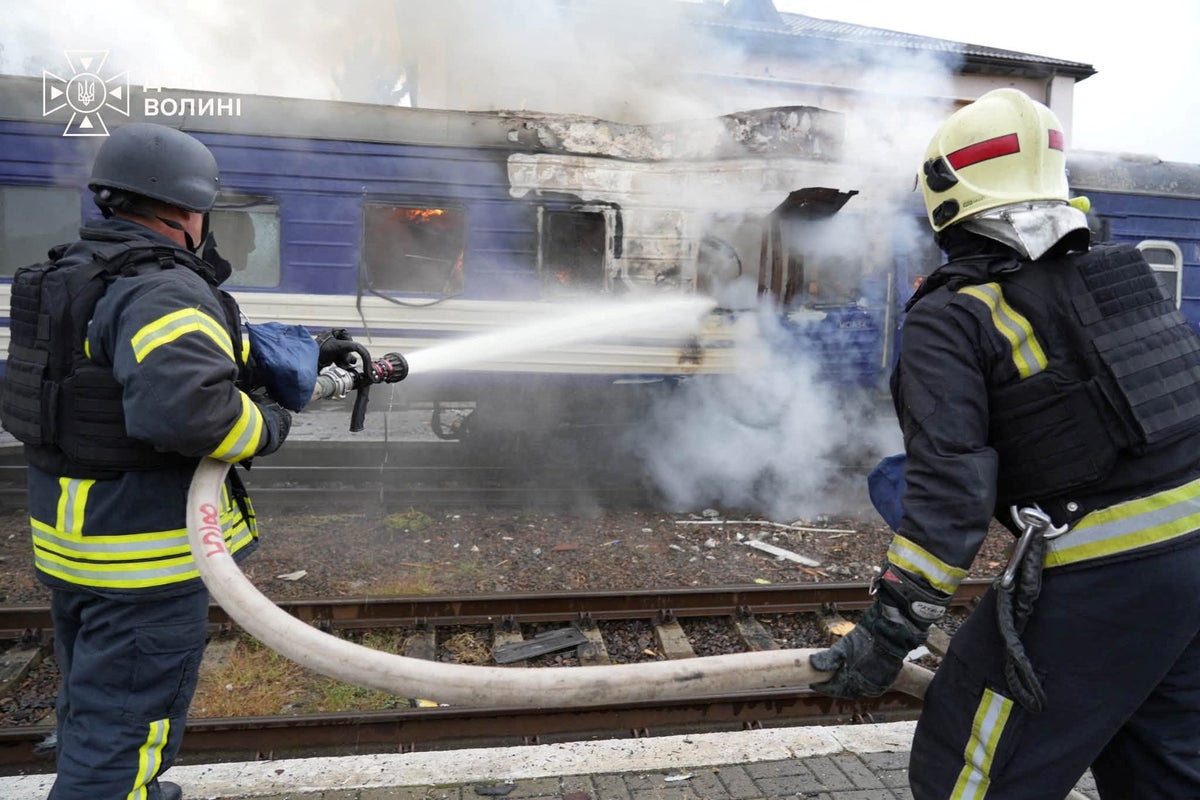
In recent months, Kyiv has stepped up its long-range strikes on Russia – cast as fair retribution for Moscow’s own barrages – causing fuel shortages, billions of rubles in damage and killing civilians.
asserted
Kyiv → step → civilians
Amid persistent rumours, Putin himself has been forced to deny that Moscow plans a new round of mobilisation – similar to the unpopular 2022 call-up of 300,000 reservists – after the vote.
asserted
Moscow → force → vote
Kremlin critics, Kyiv and some Western countries have accused him of planning just that.
asserted
critics → accuse → that
Russian expert Tatiana Stanovaya – of the Carnegie Russia Eurasia Centre, which Moscow banned – believes a call-up is unlikely.
“They made so much effort to convince Russians not (to) worry about it...
asserted
They → ban → it
I would be very, very surprised if it happens.”
asserted
it → happen → ?
With his inevitable victory, Putin would instead see “confirmation of his legitimacy”, she said – “legitimacy of his war”.
asserted
she → see → war
 The Aporia