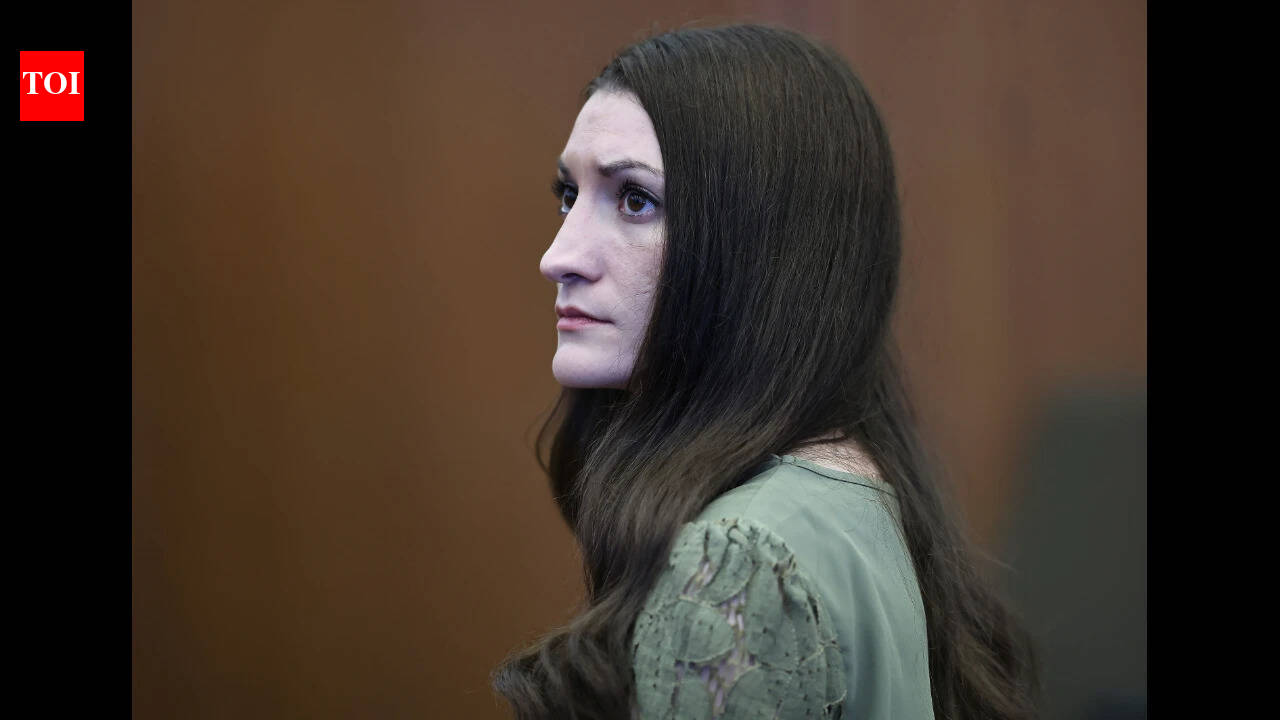
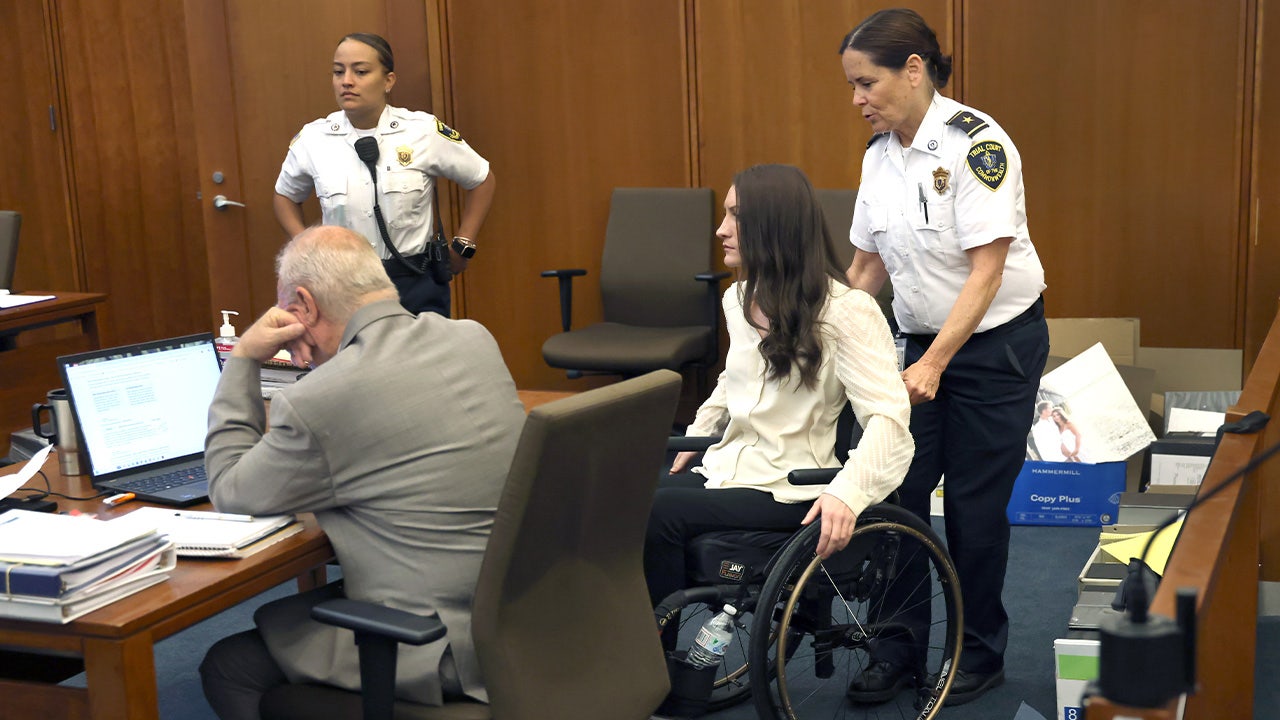
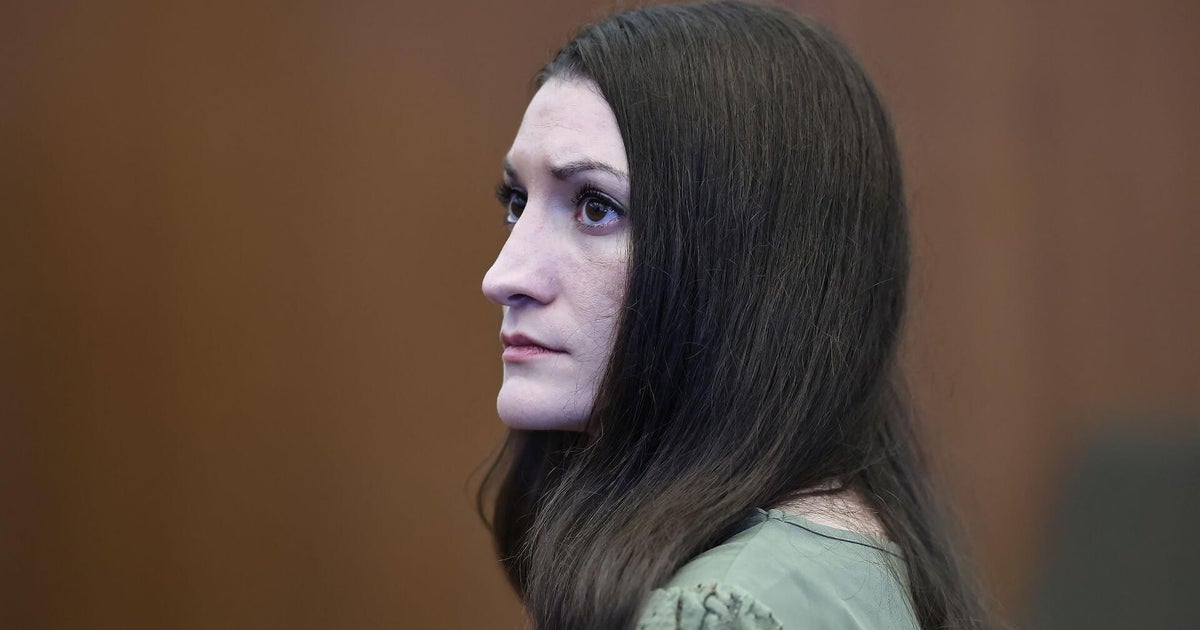
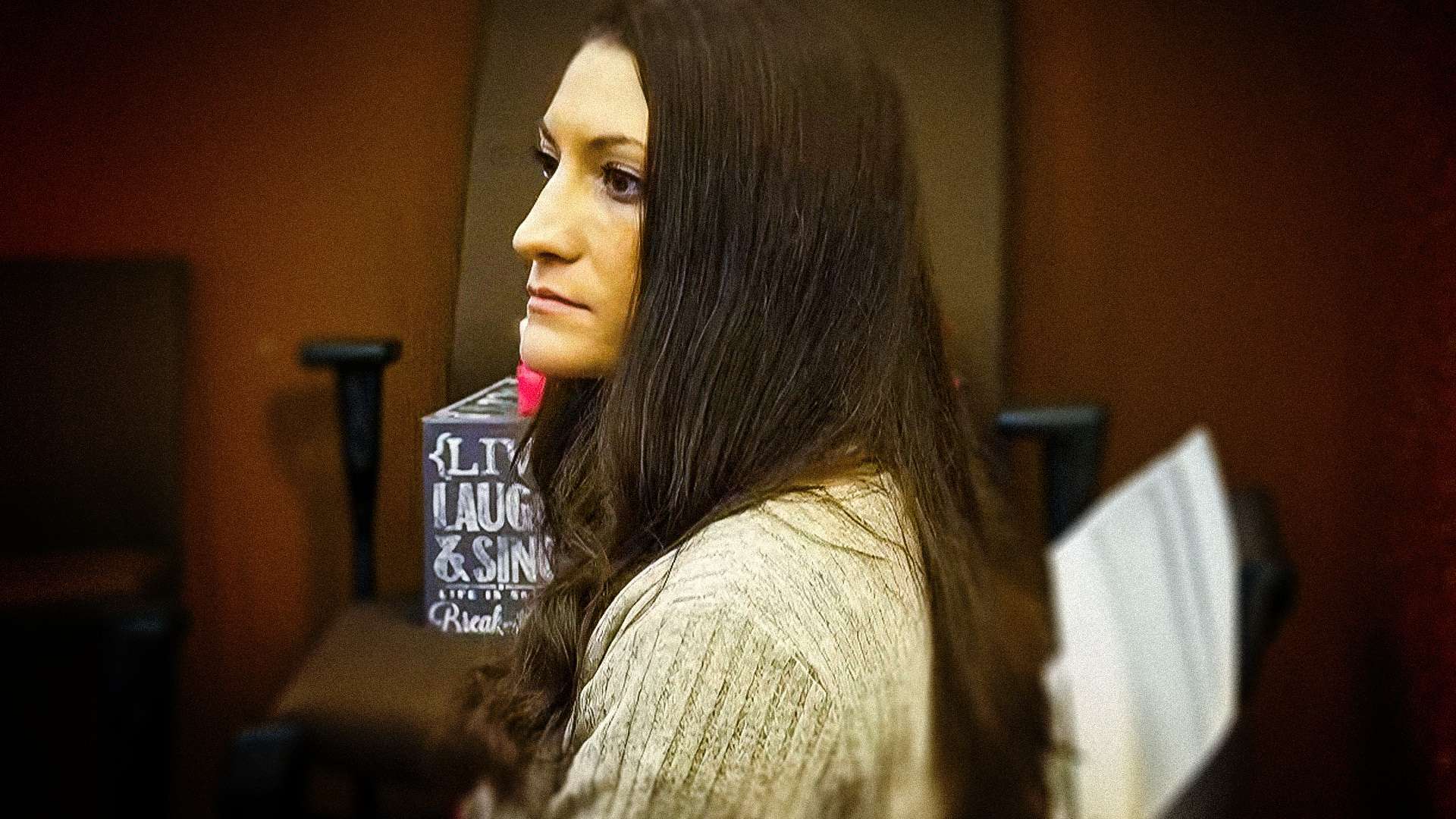
In Lindsay Clancy's murder trial for killing her three children, one holdout juror, Michael Desronvil, expressed certainty that she was criminally responsible. After nearly 40 hours of deliberation, the jury failed to reach a unanimous verdict, leading to a mistrial on September 4th. Jurors were divided 11-1; most believed Clancy should be found not criminally responsible due to postpartum psychosis, while Desronvil maintained there was sufficient evidence showing she had planned and intentionally committed the murders.
Written locally by qwen2.5:14b on 2026-09-18,
using this article's own text rather than the other coverage of the
same event (that is the story summary below).
Story summary
In Massachusetts, a high-profile murder trial for Lindsay Clancy ended in a mistrial after jurors could not reach a unanimous verdict on whether she should be held criminally responsible for killing her three young children. Juror Paula Devlin, who wanted the panel to find Clancy not criminally responsible, told CBS that they saw their decision as an opportunity to improve conditions for other women and families facing similar mental health crises. However, legal analyst Neama Rahmani criticized this approach, stating jurors should base decisions solely on case facts.
The deadlock was due largely to Michael Desronvil's holdout vote; he stated in a statement obtained by CBS News that he felt confident Clancy knew exactly what she was doing and planned the killings based on evidence presented. This stance has led to widespread criticism online, with some alleging bias or political motives. Desronvil told NewsNation that during deliberations, his attempts to explain his viewpoint were repeatedly interrupted.
Desronvil is now represented by Edward Andrew Paltzik, a former Trump lawyer, and claims the backlash may stem from his status as a black Republican. Despite accusations of bias, Devlin insists they only considered evidence presented in court, highlighting perceived flaws in the prosecution's case related to mental health issues. Clancy, 36, faced three counts of first-degree murder for strangling her children — 5-year-old Cora, 3-year-old Dawson, and 8-month-old Callan — in January 2023.
Written for “Lindsay Clancy Trial Juror Controversy” on 2026-10-05,
grounded in this article and the 24 other(s) covering the same event.
- Published
The lone holdout juror in the trial of Lindsay Clancy has said he "didn't have any doubts" that she was criminally responsible for killing her three children.
asserted
she → publish → children
"Based on all the physical evidence, key witnesses and what the prosecution presents, I thought it was enough proof that she knew exactly what she was doing and planned it," Michael Desronvil said in a statement to CBS News, the BBC's US partner.
asserted
Desronvil → base → News
The judge declared a mistrial on 4 September after the jury failed to reach a unanimous verdict following nearly 40 hours of deliberating.
asserted
jury → declare → deliberating
Clancy admitted to the killings but her lawyers argued she had been suffering from postpartum psychosis.
asserted
she → admit → psychosis
Prosecutors said the killings were calculated.
asserted
killings → say → ?
Warning: This article contains distressing details
The 36-year-old was charged with three counts of first-degree murder after strangling Cora, five, Dawson, three, and Callan, eight months, at the family's Massachusetts home before jumping out of the second-floor window.
asserted
old → contain → window
To find Clancy guilty, jurors had to be unanimously convinced beyond reasonable doubt that she intentionally killed her children and that she did not do so as a result of postpartum psychosis, a rare and serious condition.
asserted
she → find → psychosis
The jury - nine women and three men - considered a range of options including not guilty by reason of insanity, manslaughter and first-degree murder.
asserted
jury → consider → insanity
Several jurors have said following the mistrial being declared that the panel was ultimately divided 11-1 in favour of finding Clancy not criminally responsible.
Desronvil said he believed the evidence presented in court showed she had planned the killings.
"I didn't have any doubts," he said in a statement to CBS on Thursday.
asserted
he → say → Thursday
"As I tried to explain different possible theories during deliberation, I kept getting cut off as if I had doubts based on the evidence presented."
asserted
I → try → evidence
Paula Devlin, one of the other jurors, told CBS Mornings that the panel had spent several days trying to convince Desronvil to change his mind.
asserted
panel → tell → mind
"We all worked together to convince ourselves once we got to that point where it was 10 to 2," she said.
asserted
she → work → 2
The jury foreperson, a retired fifth-grade teacher, described not being able to reach a verdict as "awful" and an "emotional rollercoaster".
asserted
foreperson → describe → verdict
She told NBC that Desronvil had "admitted he had reasonable doubt", but as she started filling out the verdict sheets, he apparently said: "But I'm still not going to say that she's not guilty by reason of insanity."
asserted
she → tell → insanity
Another juror told local CBS station WBZ-TV that most of the jurors had been "very firm in their stance" from the start and "the stand-alone juror was not the only one that was unwilling to see things from the other side".
But they added that because Desronvil would not "follow" his reasonable doubt nor offer logical reasoning for his position, they felt Clancy had not receive a fair trial.
asserted
Clancy → tell → trial
The identities of all 11 jurors have not been officially disclosed but in the US, once a case is over, any juror can choose to speak publicly about a case and their deliberations.
asserted
juror → disclose → case
Patrick Clancy, the children's father and Lindsay Clancy's ex-husband, is due to speak publicly about the case in an interview with the CBS programme 60 Minutes on Sunday.
asserted
Clancy → speak → Sunday
In it, he is expected to discuss his grief, his memories of his children and the conspiracy theories that have flooded social media since the trial began.
asserted
trial → expect → media
He said he still speaks to his children "all the time", describing it as "a way I stay connected to them".
asserted
I → say → them
During the trial, Clancy's defence team had attempted to use her being put on more than a dozen medications in the lead-up to the killings, as well as seeking help from a suicide hotline and an emergency room, as evidence of her psychosis.
asserted
her → attempt → psychosis
Postpartum psychosis can involve hallucinations and delusions, and her lawyers argued that she was unable to understand the nature of her actions or distinguish right from wrong.
asserted
she → involve → wrong
A forensic psychiatrist who testified for the defence said Clancy experienced a "command hallucination" and a "delusion of influence" when she killed her children.
asserted
she → testify → children
However, her psychiatrist testified for the prosecution that Clancy did not show signs of psychosis during their sessions, while another psychiatrist noted that the condition was not currently recognised by the American Psychiatric Association.
asserted
condition → testify → Association
Under Massachusetts law, prosecutors had to prove beyond any reasonable doubt that Clancy was criminally responsible for the jury to find her guilty.
asserted
her → have → doubt
The defence did not have to prove her mental illness or lack of criminal responsibility.
asserted
defence → have → responsibility
The mistrial leaves the case unresolved.
asserted
mistrial → leave → case
Prosecutors have not said whether they will seek a retrial.
asserted
they → say → retrial
Clancy's lawyer, Kevin Reddington, has said he hopes to reach an agreement with prosecutors to avoid a second trial.
asserted
he → say → trial
He told ABC's Good Morning America that he was upset that the lone juror would not acquit Clancy.
asserted
juror → tell → Clancy
He said the holdout "would not apply the law of reasonable doubt" as instructed by the judge, adding: "That's not right.
asserted
That → say → judge
The next court hearing is scheduled for 29 September at Plymouth Superior Court in Massachusetts.
asserted
hearing → schedule → Massachusetts
 The Aporia