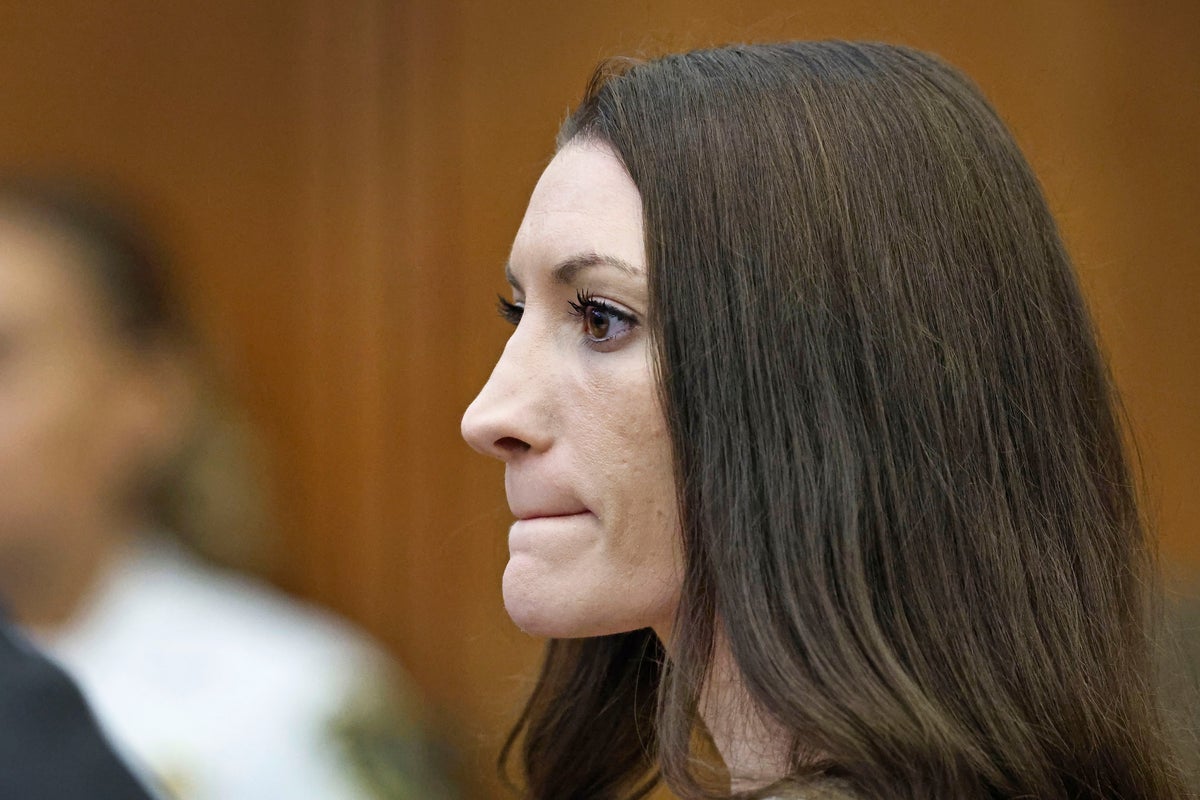
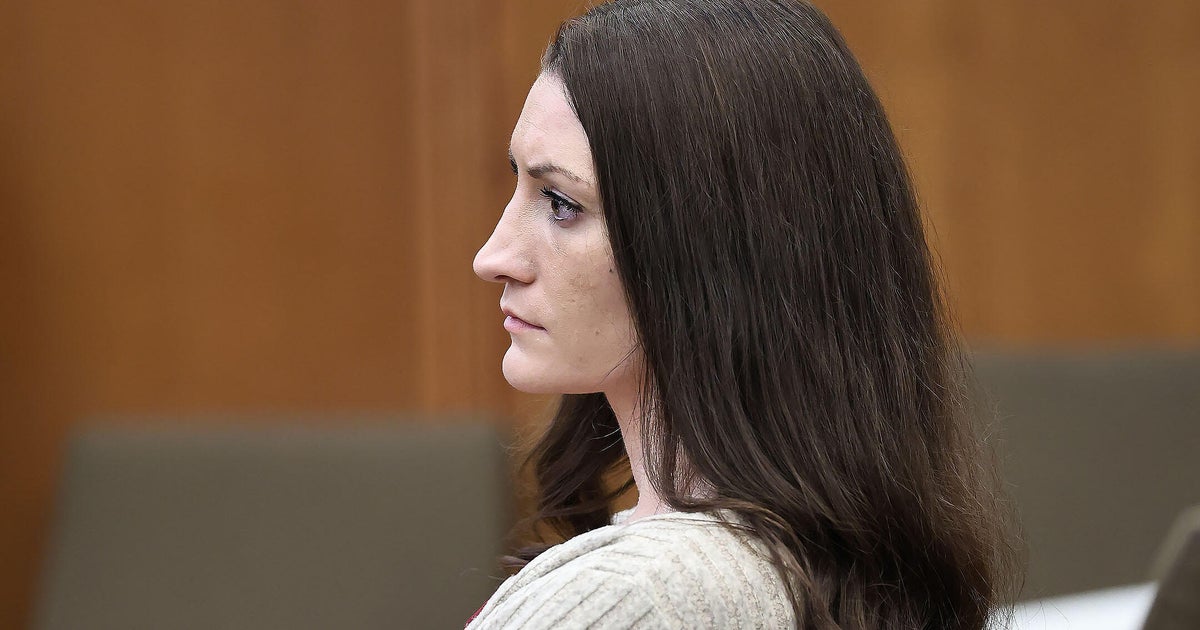
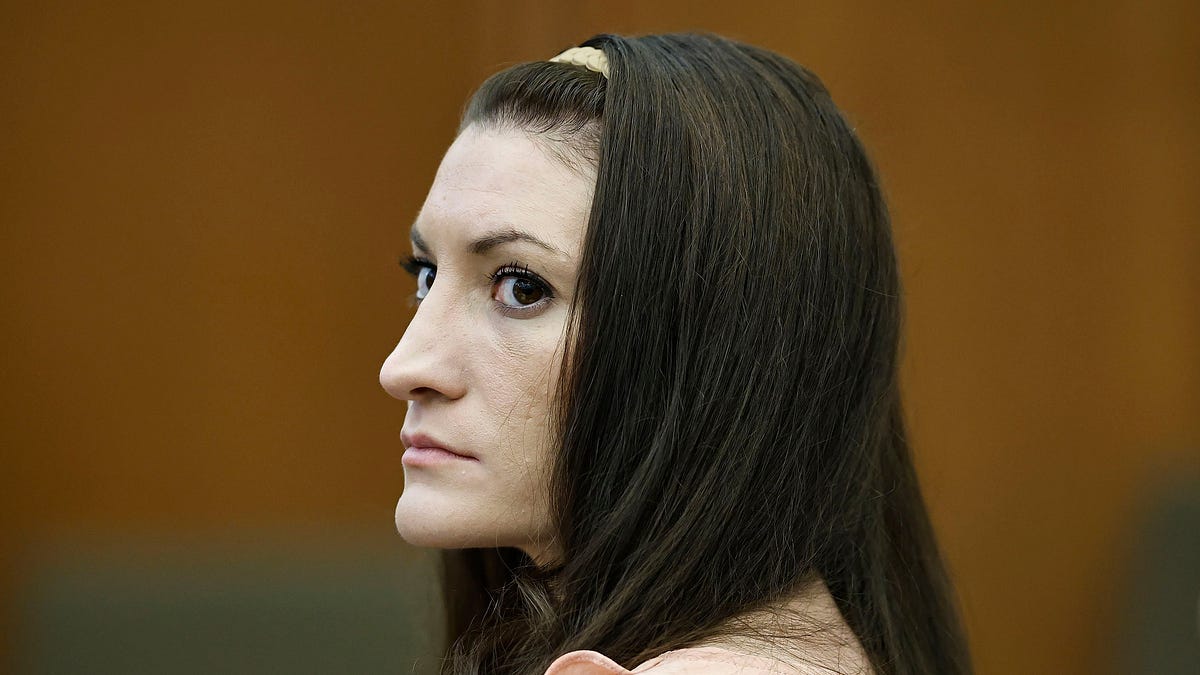
Over the course of nearly a month, Lindsay Clancy has stood trial for the January 2023 killings of her three young children, a catastrophic tragedy that has riveted the country.
asserted
that → stand → country
The scenes unfolding in Judge William Sullivan’s courtroom in Plymouth, Massachusetts, have been excruciating.
asserted
scenes → unfold → Plymouth
“I can’t do this,” Clancy sobbed at one point, as testimony about the fatal injuries she inflicted on her children was delivered.
asserted
she → do → children
Patrick, Clancy’s former husband, who has publicly forgiven her, took the stand amid viral conspiracy theories suggesting that he was the one who really killed their children.
asserted
who → forgive → children
Then there were the family members, including Clancy’s mother and sister, who testified to Clancy’s declining mental health in the months before she killed her children, forcing them to relive the pain of a loved one struggling to get the help she begged for.
asserted
she → be → help
Meanwhile, outside the courtroom, hundreds of people, mostly women, have turned up to support Clancy.
asserted
hundreds → turn → Clancy
Many argue they could have easily been in her place because of the systemic failures around maternal health.
uncertain
they → argue → health
Indeed, postpartum psychosis affects roughly one to two out of every 1,000 women after giving birth.
asserted
psychosis → affect → birth
One must wonder if prosecutors ever regret the decision to go to trial.
asserted
prosecutors → wonder → trial
“It’s a witch hunt for fame,” forensic psychologist Leslie Dobson told a criminal justice podcast in early August, arguing that prosecutors should have offered a plea agreement and civil commitment rather than push a murder trial.
asserted
prosecutors → ’ → trial
“If the prosecutors think they’re winning by winning, they’re horrible people.”
asserted
they → think → ?
The rage resonates across social media, where threads pondering the same themes are rampant, and the prosecution’s strategies, including invoking “mortal sin” in questioning Patrick Clancy’s mother, have been roundly condemned.
asserted
threads → resonate → mother
“This prosecution is a malicious circus with no benefit,” one observer wrote on Facebook.
asserted
observer → write → Facebook
To be sure, Clancy has her detractors.
asserted
Clancy → have → detractors
There are those, including prominent right-wing commentators, who call her a “monster” who methodically killed her children and should be punished.
asserted
who → be → children
Others, like Katie Miller, go further: “Lindsay Clancy deserves to die for murdering her three children.”
asserted
Clancy → go → children
Such exhortations for severe punishment tend to elide two certainties: No one, neither Clancy nor her defense team, disputes that she killed her children.
asserted
she → tend → children
Even if she wins, she will be committed, likely for life, to a psychiatric hospital.
asserted
she → win → hospital
Which forces an uncomfortable question: Should this ever have gone to trial?
asserted
this → force → trial
I spoke with Marisol Orihuela, a clinical professor at Yale Law School and director of the Mental Health Justice Clinic, about the avenues the prosecution could have pursued—and the inherent challenges of evaluating mental health within the American criminal justice system.
uncertain
prosecution → speak → system
Let’s start by defining what it means to evaluate competency to stand trial.
asserted
it → start → trial
That’s a great question, because the two can often get confused.
asserted
two → ’ → ?
Anyone criminally charged in the United States has a due process right to be competent during certain critical moments in criminal proceedings.
asserted
Anyone → charge → proceedings
That includes pleading guilty or standing trial.
asserted
That → include → trial
When someone does not have a rational understanding of the proceedings or cannot rationally assist in their defense, then they do not have the competency to stand trial, and the prosecution cannot proceed.
asserted
prosecution → have → trial
That is different from what we call the insanity defense, or a defense where someone is not criminally responsible for the actions that occurred based on a mental health condition.
asserted
that → call → condition
That has more to do with someone’s ability to appreciate right from wrong at the time of the offense.
asserted
That → have → offense
My understanding of what the commonwealth is arguing is that Lindsay Clancy wanted to and tried to specifically kill the children and had the intent to kill the children and knew what she was doing.
asserted
she → argue → what
It’s really about criminal responsibility, which also matters for what happens after the trial.
asserted
what → ’ → trial
In jurisdictions around the country, when someone is acquitted based on a mental health condition, what follows is commitment based on that status.
asserted
follows → acquit → status
In the Clancy trial, what incentivizes prosecutors to deliver such a harsh sentence?
asserted
what → incentivize → sentence
If we give every benefit of the doubt to the commonwealth in this case, we would have to think that they really believe that she is criminally responsible, that she understood right from wrong.
asserted
she → give → wrong
And the way that we give meaning to that is to provide a very lengthy sentence.
asserted
we → give → sentence
We call these justifications for sentencing and how to respond to crimes through sentencing.
asserted
We → call → sentencing
Another justification is what we call deterrence: an effort to prevent this person from doing it again or to send a message to the rest of the community so nobody else does it.
asserted
nobody → call → it
Prosecutors might think that they need to deliver a hefty sentence to send that message.
uncertain
they → think → message
But here in this case, Clancy is not going to be free, no matter what happens.
asserted
what → go → case
And I think there’s a really good debate about what role deterrence has here.
asserted
deterrence → think → role
That you did something really wrong, so we’re going to give meaning to that wrongness by imposing a lengthy sentence—and I think that might be one of the motivators for this prosecution.
uncertain
that → do → prosecution
I haven’t watched the whole trial, but the parts I have watched and some of the questions, specifically how they’re phrased by the prosecution, suggest a level of blame-worthiness on Lindsay Clancy, especially for having concerns about taking medication.
asserted
they → watch → medication
…and 58 more, not listed.
 The Aporia