Story summary
In Massachusetts, a high-profile murder trial for Lindsay Clancy ended in a mistrial after jurors could not reach a unanimous verdict on whether she should be held criminally responsible for killing her three young children. Juror Paula Devlin, who wanted the panel to find Clancy not criminally responsible, told CBS that they saw their decision as an opportunity to improve conditions for other women and families facing similar mental health crises. However, legal analyst Neama Rahmani criticized this approach, stating jurors should base decisions solely on case facts.
The deadlock was due largely to Michael Desronvil's holdout vote; he stated in a statement obtained by CBS News that he felt confident Clancy knew exactly what she was doing and planned the killings based on evidence presented. This stance has led to widespread criticism online, with some alleging bias or political motives. Desronvil told NewsNation that during deliberations, his attempts to explain his viewpoint were repeatedly interrupted.
Desronvil is now represented by Edward Andrew Paltzik, a former Trump lawyer, and claims the backlash may stem from his status as a black Republican. Despite accusations of bias, Devlin insists they only considered evidence presented in court, highlighting perceived flaws in the prosecution's case related to mental health issues. Clancy, 36, faced three counts of first-degree murder for strangling her children — 5-year-old Cora, 3-year-old Dawson, and 8-month-old Callan — in January 2023.
Written for “Lindsay Clancy Trial Juror Controversy” on 2026-10-05,
grounded in this article and the 24 other(s) covering the same event.
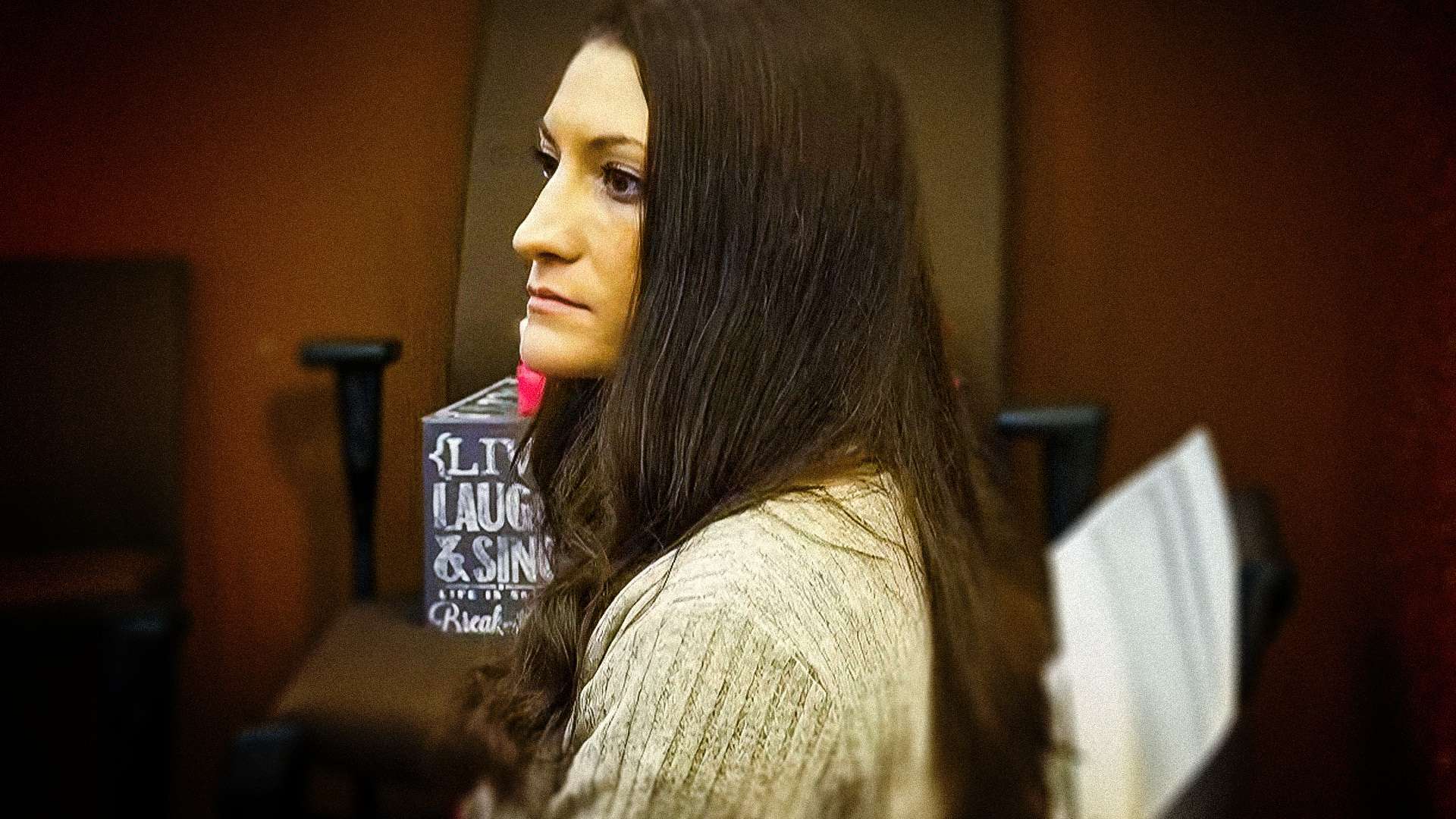
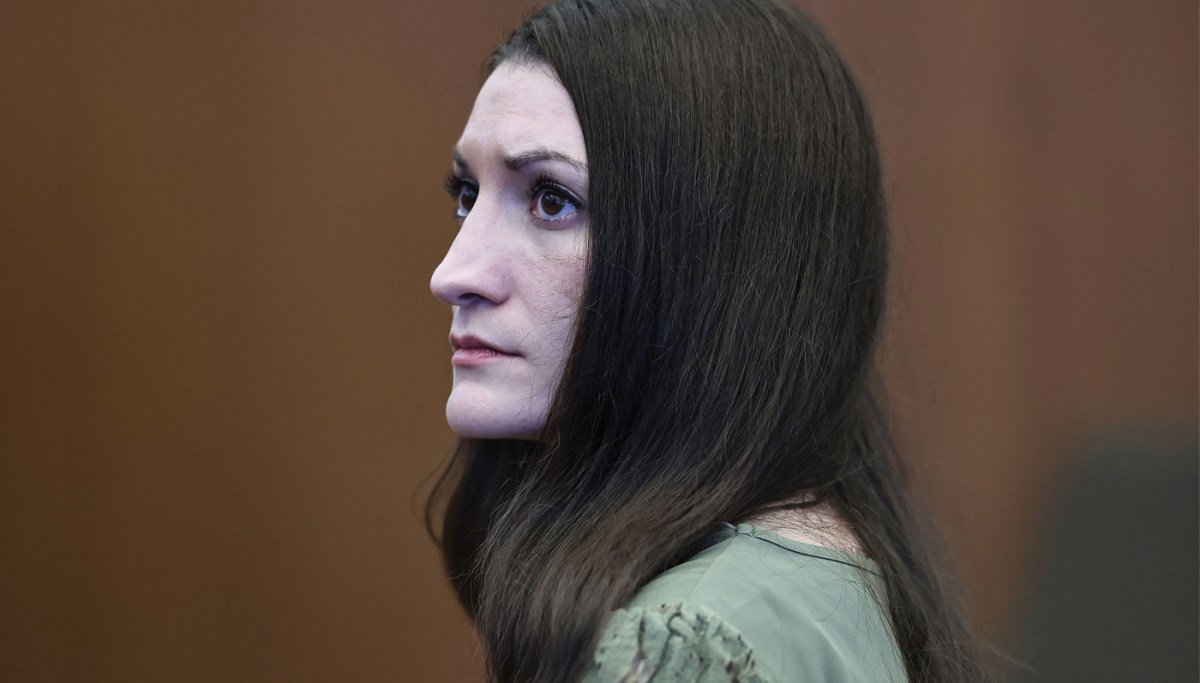
The trial of Lindsay Clancy—the Massachusetts woman who admitted to killing her children but pleaded not guilty by reason of insanity—ended in a mistrial after a jury deadlocked 11–1, unable to reach a unanimous consensus on whether the 36-year-old mother should be held criminally responsible.
asserted
mother → admit → consensus
Prosecutors have yet to announce if they will retry the case.
asserted
they → have → case
But that one holdout juror has been filling in the social gap.
asserted
juror → fill → gap
Michael Desronvil was the lone vote to convict Clancy after days of deliberations.
asserted
Desronvil → convict → deliberations
First came the news that the juror—then still anonymous—had been charged with a misdemeanor in 2021 for allegedly assaulting his then-wife; the charge was dropped after the victim said she did not want to testify.
uncertain
she → come → wife
We also learned that Desronvil had an active restraining order against him tied to allegations that he attacked his nephew, and that he was facing eviction proceedings.
asserted
he → learn → proceedings
The Boston Globe subsequently revealed his identity "through photos published online, court records, and an interview with one of his fellow jurors."
asserted
Globe → reveal → jurors
Much of the debate around Desronvil—the ostensible the impetus for the coverage—comes down to the question of whether he lied on his jury form.
asserted
he → come → form
The short questionnaire asks, among other things, if the prospective juror (or anyone in his household or family) has ever been arrested, charged with a crime, or served a court order.
asserted
juror → ask → order
"I don't see how they would've allowed him to be a member of this jury," explained Michael Coyne, the chief legal analyst for NBC10 Boston, which broke the story about Desronvil's history.
asserted
which → see → history
It is virtually impossible to know if Desronvil lied.
asserted
Desronvil → know → ?
The questionnaire is confidential, and, per the Massachusetts government, is "destroyed by the court as soon as practicable after [a juror is] excused."
asserted
juror → destroy → court
Notably, we do know that none of the allegations raised above—unsavory as they may be—disqualified him from serving.
uncertain
they → know → him
Under Massachusetts law, someone may not be impaneled on a jury if he "has been convicted of a felony in the last 7 years" or is "currently charged with a felony."
uncertain
he → impanel → felony
Maybe Desronvil should have been convicted of misdemeanor assault.
asserted
Desronvil → convict → assault
But he wasn't charged, much less convicted, of a felony.
asserted
he → charge → felony
So neither applies.
asserted
neither → apply → ?
Which raises the questions: Why are we doing this?
asserted
we → raise → this
Would anyone be subjecting Desronvil to this interrogation, and publicly picking apart his life, had he voted the other way?
asserted
he → subject → life
And, maybe most importantly, how are the allegations against him supposed to be related to why he voted the way he did?
asserted
he → suppose → him
The closed-door struggle dragged on for several days, with the jury repeatedly expressing it could not come to an agreement.
uncertain
it → drag → agreement
That intrigue climaxed with a message it sent the judge near the end.
asserted
it → climax → end
"The note indicates that the juror has acknowledged doubt but refuses to apply it," Judge William Sullivan said September 4, addressing Clancy's defense attorney, Kevin Reddington.
asserted
Sullivan → indicate → attorney
"That note does not indicate that the juror refuses to follow the law."
asserted
juror → indicate → law
It's a narrative Desronvil outwardly rejects now that his name is a matter of public record.
asserted
name → reject → record
"I didn't have any doubts," he said in a statement posted to X by his attorney, Edward Andrew Paltzik.
asserted
he → have → attorney
"As I tried to explain different possible theories during deliberation, I kept getting cut off as if I had doubts based on the evidence presented.
asserted
I → try → evidence
Based on all the physical evidence, key witnesses, and what the prosecution presented, I thought it was enough proof that she (Clancy) knew exactly what she was doing and planned."
asserted
she → base → what
The trial hinged on jurors placing themselves in Clancy's mind the day she killed her children.
asserted
she → hinge → children
Or was she locked in a psychotic episode, unable to understand right from wrong and conform to the law?
asserted
she → lock → law
It was, effectively, an impossible question to answer.
asserted
It → answer → ?
People will naturally come to varying conclusions.
asserted
People → come → conclusions
That Desronvil arrived at a different one than the other jurors does not render his service illegitimate.
asserted
service → arrive → jurors
It is how juries are supposed to work.
asserted
juries → suppose → ?
A holdout who refuses to approve a guilty verdict may be a bulwark against a wrongful conviction.
uncertain
who → refuse → conviction
Obtaining a unanimous verdict in a criminal case is, by design, a difficult task.
asserted
Obtaining → obtain → design
It also helps explain why the American Bar Association recommends, for example, that felons be excluded from juries only if they "are in actual confinement or on probation, parole, or other court supervision"—afterward, the organization says, they should be eligible to serve.
asserted
they → help → probation
Individuals who have had personal contact with the criminal justice system, the counterargument goes, may be too biased against the government to render an impartial verdict.
uncertain
counterargument → have → verdict
But juries are supposed to represent a true cross section, not just a slice, of the community.
asserted
juries → suppose → community
Those cross sections can surprise us.
asserted
sections → surprise → us
…and 4 more, not listed.
 The Aporia