Supreme Court Blocks Trump’s Mail Ballot Scheme

Mother Jones · collected 2026-09-15 · by Pema Levy and Ari Berman
Read the original at Mother Jones ↗

Summary

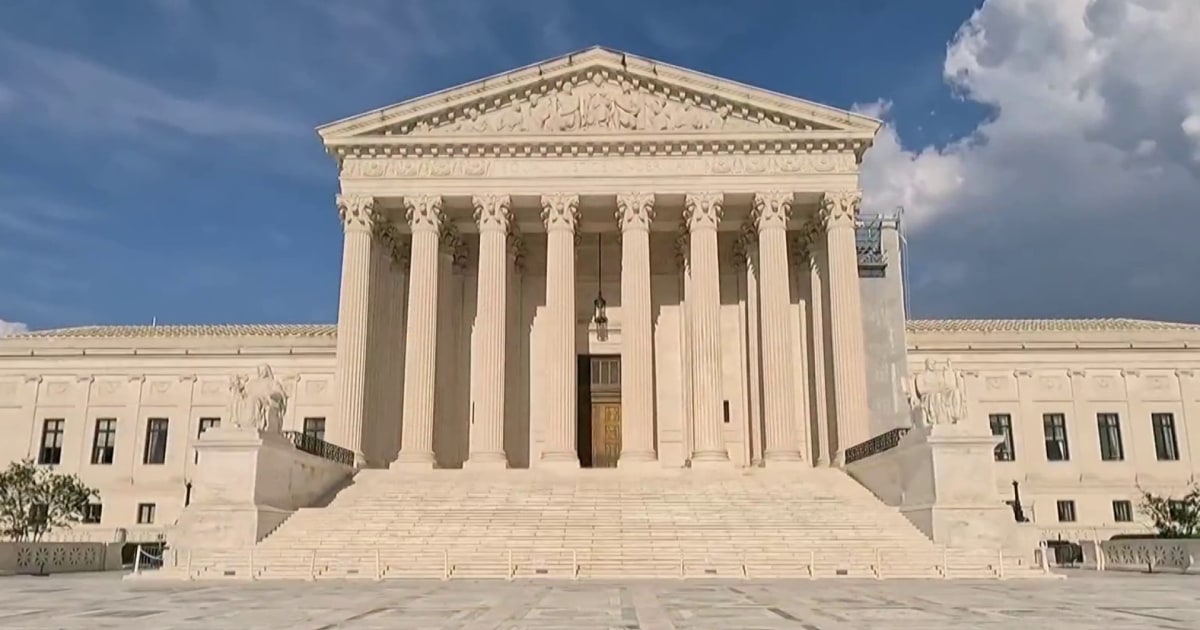
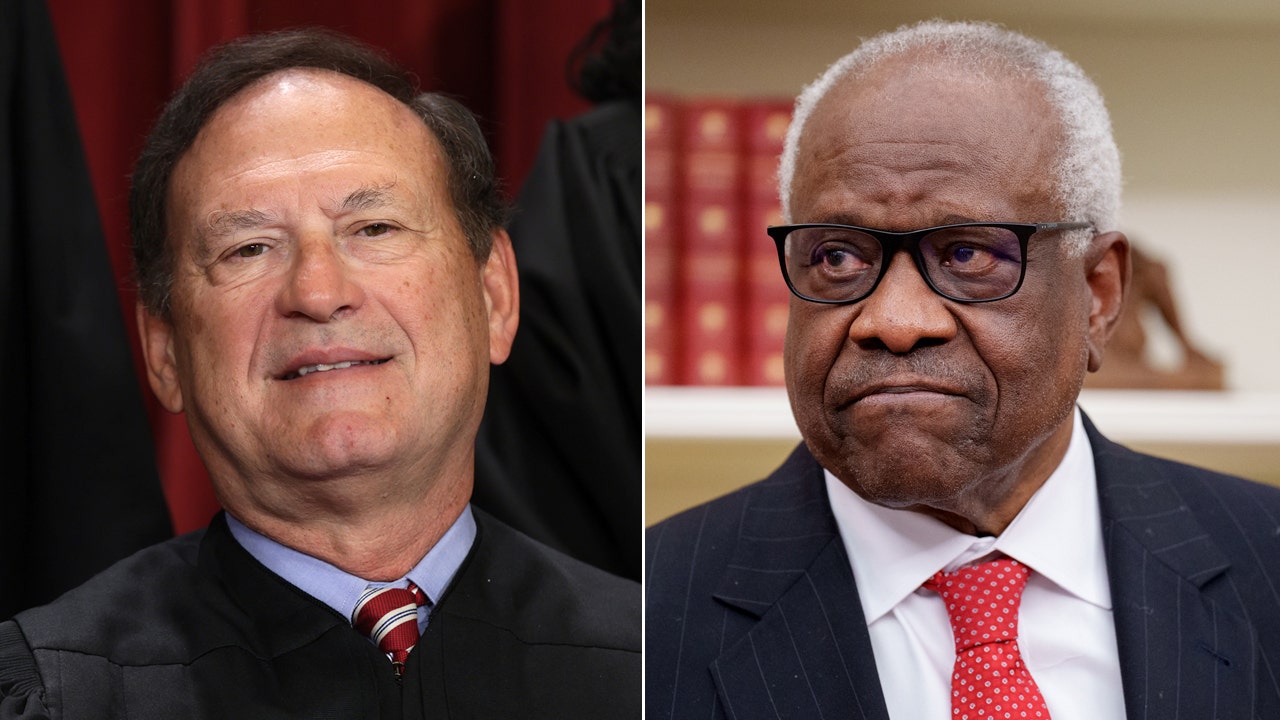
On Monday, the Supreme Court blocked President Trump's effort to implement new US Postal Service rules limiting ballot delivery for the midterms, arguing that it was unlikely to prevail legally and that such action could disenfranchise many voters. Justices Alito and Thomas dissented, suggesting support for similar actions in future elections. The article describes this as part of a broader pattern of Trump attempting to interfere with voting processes to benefit Republican candidates.
Written by the local model on 2026-09-16, using this article's own text rather than the other coverage of the same event (that is the story summary below).

Signals How these are calculated →

Claims extracted
73
claim-shaped sentences
Uncertain
12%
9 of 73 hedged
Leaning
Leans strongly left
of the writing, not the subject
Correction & hedging signals
95.3
corrections and hedging in what we collected; not a measure of accuracy
Outlets on this story
9
Politics
Narrative spread
1
articles carrying this framing
Analyzed 2026-09-16 · source text last changed 2026-09-15 · how these are computed

AI analysis (generated at analysis time, not now)

Story summary

On August 24, a second federal judge blocked the US Postal Service (USPS) from implementing new rules that would tighten mail-in voting requirements, following a similar decision earlier. These rules, initiated by President Donald Trump’s administration and opposed by Democrats, were intended to require unique barcodes on ballot envelopes and mandate states upload voter information into a federal portal. However, with just 50 days until the November 3 midterms, election officials argued these changes were too late to implement without causing significant disenfranchisement.

The Supreme Court denied Trump’s request to overturn this injunction, ruling that it was too close to Election Day for such drastic changes. The decision is seen as a major victory for Democrats who fear restrictions on mail-in voting could suppress turnout among their base. Notably, Justices Alito and Thomas dissented, arguing the new rules were lawful but agreeing they couldn't be implemented in time for this election cycle.

Written for “Supreme Court Rejects Trump Voting Re…” on 2026-09-15, grounded in this article and the 8 other(s) covering the same event.
Why this leaning score
The article's own words the score was based on. Each is quoted verbatim and was checked against the article text before being stored, so you can find it in the original.
Score -0.65 Confidence high
Leaning score -0.65 for article 9670 (high confidence, 5 verified quotes) · logged 2026-09-16

Story

📰 Supreme Court Rejects Trump Voting Re…
Politics · 9 article(s) covering the same event.

How this is being covered How these are calculated →

Article leaning vs. publisher reliability
Source leaning vs. consistency

Compared with similar articles

This article reads leans strongly left and hedges 12% of its claims. Each row says how that neighbour differs.
NBC News · 0.87 cosine similarity
⚖️ leaning not scored 🔴 no claims extracted 📰 publisher trust 95
“Both articles describe the Supreme Court's decision on September 15, 2026, denying Trump's efforts to impose mail-in voting restrictions.”
The Guardian · 0.86 cosine similarity
⚖️ Leans left further right than this 🔴 16% hedged 7 of 43 📰 publisher trust 60
“Both articles describe the Supreme Court's rejection of Donald Trump's efforts to restrict mail-in voting on the same date.”
Washington Examiner
⚖️ Leans left further right than this 🔴 18% hedged 7 of 39 📰 publisher trust 96
“Both articles discuss the Supreme Court's action on Monday evening blocking the implementation of President Trump's mail-in voting executive order for the upcoming midterm elections.”
The Guardian
⚖️ Leans right further right than this 🔴 9% hedged 12 of 133 📰 publisher trust 60
“Both articles describe the Supreme Court's rejection of Donald Trump’s bid to restrict mail ballots for midterm elections on the same date.”
Fox News
⚖️ leaning not scored 🔴 15% hedged 2 of 13 📰 publisher trust 95
“Both articles describe the Supreme Court's denial of Trump's administration request for relief regarding mail-in ballot rules on the same date.”
The Bulwark
⚖️ Centre further right than this 🔴 0% hedged 0 of 2
“Both articles describe the Supreme Court rejecting President Trump's scheme to impose new vote-by-mail requirements on states, occurring on the same date and time.”
Los Angeles Times
⚖️ Leans left further right than this 🔴 21% hedged 9 of 43 📰 publisher trust 95
“Both articles describe the Supreme Court's decision on September 15, 2026, to block President Trump's plan to impose new postal service rules for voting by mail in the November elections.”
Los Angeles Times
⚖️ leaning not scored 🔴 22% hedged 7 of 32 📰 publisher trust 95
“Article A discusses warnings from California and other states about impending chaos due to USPS mail ballot rules, while Article B reports on the Supreme Court's action blocking Trump’s plan. These describe different stages of a related issue.”
The Guardian · 0.87 cosine similarity
⚖️ leaning not scored 🔴 5% hedged 1 of 19 📰 publisher trust 60
“Article A describes a decision by a US appeals court on September 11, while Article B refers to a Supreme Court order on September 15.”
The Guardian
⚖️ Leans left further right than this 🔴 13% hedged 7 of 52 📰 publisher trust 60
“Article A discusses Trump's general efforts and legal challenges against mail-in voting, while Article B specifically reports on a Supreme Court decision blocking Trump’s scheme. These appear to be different stages of the same issue.”

Publisher

Mother Jones · 97 article(s) · 0 correction(s) detected
No corrections detected for this publisher. That may mean careful reporting, or simply that nothing has been checked.

Who wrote this

Ari Berman
2 article(s) here · 1 carrying a prediction
🔮 His plan to disrupt mail-in voting, which he perceives would harm Democrats more than Republicans, was the latest.
2026-09-15 · assertive framing · Supreme Court Blocks Trump’s Mail Ballot Scheme
🔮 The unsigned opinion by the court’s conservative majority, issued over dissents from the three Democratic appointees, said it was too soon for states to challenge Trump’s executive order from March 2026 severely restricting mail-in voting because they had not shown how they would be harmed by it.
More on this subject from Ari Berman
Pema Levy
2 article(s) here · 1 carrying a prediction
🔮 His plan to disrupt mail-in voting, which he perceives would harm Democrats more than Republicans, was the latest.
2026-09-15 · assertive framing · Supreme Court Blocks Trump’s Mail Ballot Scheme
🔮 The Supreme Court may be deferential to President Donald Trump and the legal arguments put forward by his Justice Department.
Also by Pema Levy
Nothing else under this byline is closely related to this article, so these are simply their most recent.

Topics

Democrats US Postal Service the Postal Service the Supreme Court the White House

Subjects

Trump PERSON · 5× the Postal Service ORG · 2× the Supreme Court ORG · 2× Clarence Thomas PERSON · 1× Democrats NORP · 1× Donald Trump PERSON · 1× Republicans NORP · 1× Samuel Alito PERSON · 1× US Postal Service ORG · 1× the White House ORG · 1×

Narrative

Following the Supreme Court’s decision on August 24 to allow the executive order to move forward, she specifically blocked the new USPS rule after a new challenge from states and voting rights groups, finding that states working “on a prescribed timeframe” would be “unable to pivot this late in the election cycle, nearly guaranteeing significant disenfranchisement.”
framing: assertive · carried by 1 article(s) · first seen 2026-09-15
🔮 His plan to disrupt mail-in voting, which he perceives would harm Democrats more than Republicans, was the latest.
2026-09-16 · Mother Jones
Supreme Court Blocks Trump’s Mail Ballot Scheme · assertive framing

Claims (73 extracted, 9 hedged)

President Donald Trump’s latest effort to steal the midterms has played out in plain view. asserted
effort → steal → view
His plan was to force states to conform to last minute, untested, and too-late-to-implement vote-by-mail requirements with the inevitable result of disenfranchising thousands, if not millions, of voters. asserted
plan → force → voters
The only thing Trump needed to launch this bomb into November’s elections was the go-ahead from the Supreme Court. asserted
Trump → need → Court
But on Monday evening, the court refused to okay the scheme. asserted
court → refuse → scheme
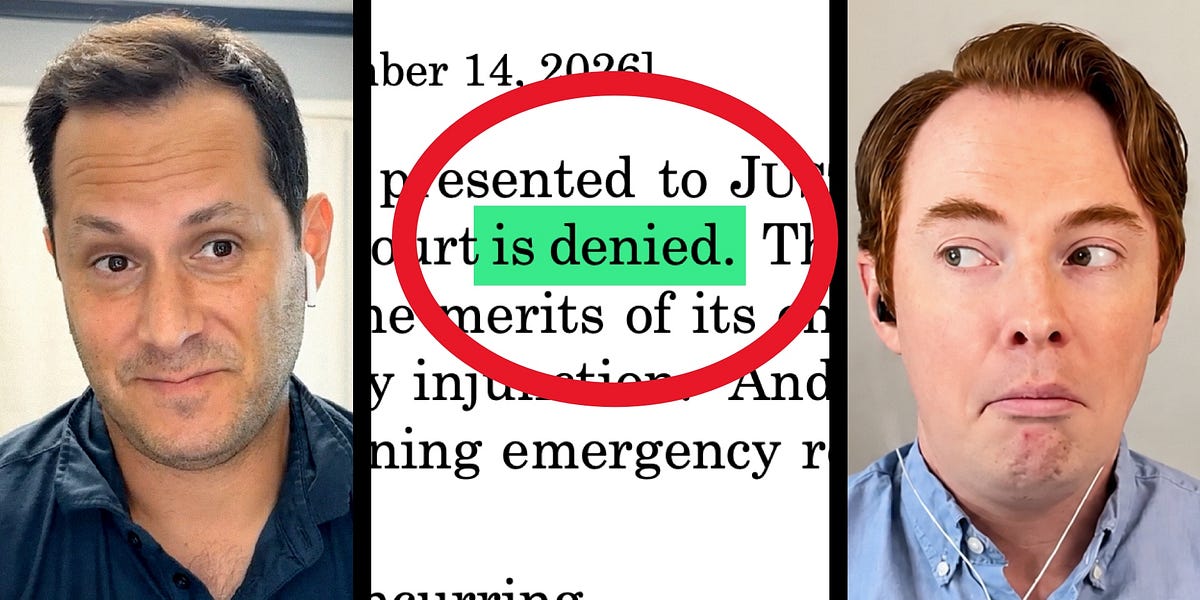
The brief, unsigned order stated that the Trump administration was unlikely to prevail in its argument that its US Postal Service rule limiting ballot delivery was legal, and that the harm of letting the rule take effect was too great. asserted
rule → state → effect
As with so many of Trump’s corrupt and lawless actions—from his crypto schemes to bulldozing the East Wing of the White House—the president often carries out his illegal schemes in public. asserted
president → bulldoze → public
His plan to disrupt mail-in voting, which he perceives would harm Democrats more than Republicans, was the latest. asserted
he → disrupt → Republicans
By sanitizing the effort with the language of executive orders, rule-making, and court documents, the administration hoped to blind people to the election-stealing scheme underneath it all. asserted
administration → sanitize → it
It was an attempted heist in broad daylight. asserted
It → attempt → daylight
On Monday, only two justices publicly went along with this plan. asserted
justices → go → plan
In a dissent, Justice Samuel Alito, joined by Justice Clarence Thomas, argued that the government likely had the authority to regulate mail-in ballots in the way the administration tried. asserted
administration → join → way
A third justice, Brett Kavanaugh, agreed, but said implementing it so close to the election would cause too much harm. asserted
implementing → agree → harm
That means there are likely three votes, if not more, that would side with a Trump administration push to implement its mail-in ballot rules for the 2028 elections and beyond. asserted
that → mean → elections
Trump has been set on winning this fall’s midterms by any means for more than a year. asserted
Trump → set → year
Shortly after returning to power in 2025, he issued an executive order requiring citizens to show a passport or similar document to prove citizenship when registering to vote. asserted
he → return → citizenship
But the president has no authority to interfere with states’ administration of elections, and a federal court blocked the order. asserted
court → have → order
Next, he pressed Congress to pass the SAVE Act, which would have similarly required documentary proof of citizenship. asserted
which → press → citizenship
When that failed, he issued the March 2026 executive order that led to today’s court action, this time instructing the Postal Service to limit the delivery of mail-in-ballots by promulgating a rule that places new requirements on how states can send mail ballots. asserted
states → fail → ballots
The rule, formally unveiled in late August, would have allowed the Postal Service to throw out thousands, even millions, of ballots that are legally cast. asserted
that → unveil → ballots
It’s an illegal power grab that states, election officials, and legal experts warned would cause a preventable and monumental disaster. asserted
states → ’ → disaster
“The rule threatens to disenfranchise millions of elderly voters, disabled voters, military voters, and all others including the most vulnerable who depend on mail voting, in both red states and blue,” four experts wrote in an amicus brief to the Supreme Court. asserted
experts → threaten → Court
The Trump administration even acknowledged the fallout. asserted
administration → acknowledge → fallout
In asking the justices to allow the USPS rule to take effect, the administration downplayed it as merely imposing “modest envelope-design and addressee-information requirements.” asserted
administration → ask → requirements
But a few pages later, the brief argued that failing to swiftly implement the rule—an impossible feat so close to the midterms—would have disastrous results. asserted
failing → argue → results
Unless the rule takes effect immediately, “there is a grave risk that States may not have taken the necessary steps to comply…potentially depriving those States’ citizens of the ability to vote by mail.” uncertain
States → take → mail
In other words, even the administration knew that rushing out the rule would lead to mass disenfranchisement—it simply wouldn’t accept that that was a good reason to block implementation of its “modest” envelope requirements. asserted
that → know → requirements
Though it held against Trump this time, the Supreme Court let the order get this far. asserted
order → hold → Trump
On August 24, the court threw the midterms into turmoil by ruling that it was too soon for states to challenge the executive order because it wasn’t yet affecting the states. asserted
it → throw → states
Justice Ketanji Brown Jackson denounced that ruling as a “Kafkaesque nightmare” that “contributes to pre-election chaos instead of quashing it.” asserted
that → denounce → it
The Postal Service had unveiled its rule on August 21, which specified that it will only deliver mail-in ballots if states both hand over their voter rolls to the Trump administration via an online portal that the Postal Service has yet to complete, and adopt new envelope and bar code requirements. asserted
Service → unveil → requirements
In addition to the Postal Service rule, Trump’s executive order instructs the Department of Homeland Security to create a nationwide database and individual lists of citizens in each state, presumably to limit who can vote. asserted
who → instruct → state
Such a system might be used to override state voter rolls with potentially inaccurate lists. uncertain
system → use → lists
That portion of the order was put on hold in a different legal challenge, but the administration has appealed to the Supreme Court, which will soon seperately decide whether DHS can use it. asserted
DHS → put → it
This means that the threat of administration meddling in the midterms through this executive order has not disappeared. asserted
administration → mean → order
Trump’s executive order is a massive power grab that aimed to usurp states’ authority to run their own elections and radically transform the role of the Postal Service from delivering the mail to determining who receives a ballot according to Trump’s whims. uncertain
who → aim → whims
“Never before has USPS attempted to interfere with elections in this way, let alone a fast-approaching election,” the 23 states challenging the rule told the court. asserted
states → attempt → court
“And nothing in federal law authorizes USPS to refuse to deliver ballots.” In addition to the scheme’s obvious illegality, election officials have repeatedly told courts it would be impossible to implement six weeks before the midterms. asserted
it → authorize → midterms
“In some States, unrebutted evidence establishes that compliance with USPS’ rule would be impossible ahead of the midterms, meaning that millions of voters would be unable to vote by mail and some would not be able to vote at all,” the 23 states challenging the rule wrote. asserted
states → establish → rule
“In the remaining States, there would be chaos—and a significant risk that millions more voters would be denied the ability to vote.” asserted
voters → remain → ability
A Postal Service whistleblower told Sen. Richard Blumenthal (D-Conn.) on August 31 that the new USPS system was “secretive, rushed, chaotic, and fundamentally flawed” and could lead to a “catastrophic failure which could derail the midterm elections.” uncertain
which → tell → elections
…and 33 more, not listed.

💬 Give feedback
🕘 History 🎫 Support