BBC News
· collected 2026-09-15 · by Lisa Lambert, Kwasi Gyamfi Asiedu, Kayla Epstein
- Published
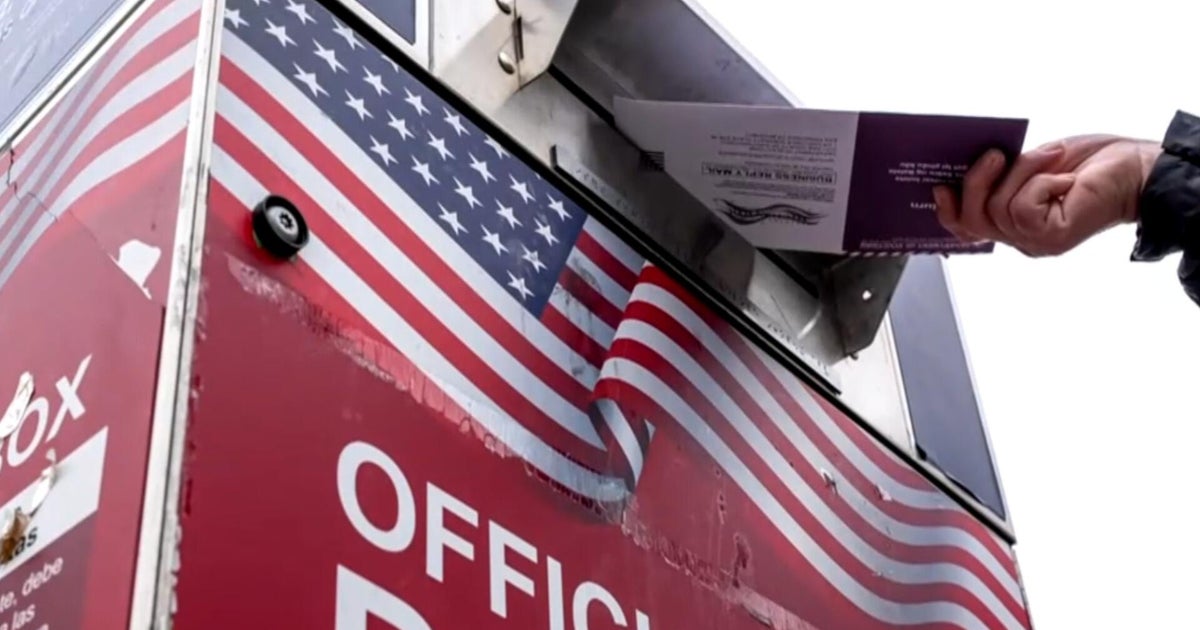
The US Supreme Court has rejected President Donald Trump's plan to restrict voting by mail before November's midterm elections, in a setback for the White House.
asserted
Court → publish → House
The justices upheld a federal judge's order that temporarily blocked the US Postal Service (USPS) from moving forwards with new requirements for postal ballots.
asserted
that → uphold → ballots
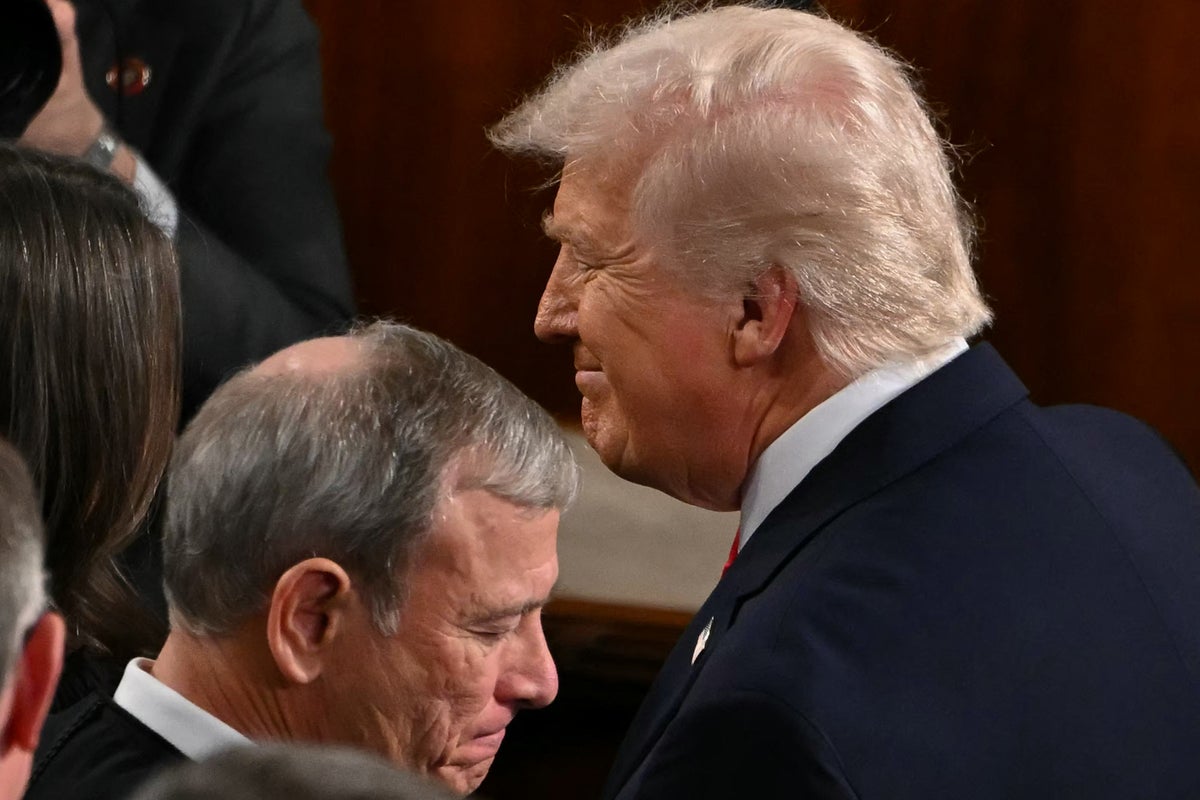
Trump called the decision a blow to his political party.
asserted
Trump → call → party
"Republicans just got another bad decision from the United States Supreme Court," the president wrote on Truth Social.
asserted
president → get → Social
One legal group said in response that the decision would prevent the USPS from "sowing chaos in our elections".
asserted
decision → say → elections
Justice Brett Kavanaugh, a conservative, agreed with the ruling, but indicated he might later rule in Trump's favour as litigation in the case continues.
uncertain
litigation → agree → case
Trump, who argued the rules would combat electoral fraud, signed an executive order in March that directed the USPS to deliver ballots only to voters on lists of citizens.
asserted
that → argue → citizens
Legal challenges argued that the move violated states' constitutional rights to run elections.
asserted
move → argue → elections
Election officials from 24 Democratic-led states and the District of Columbia also warned that the proposed changes were not ready for implementation and could prevent ballots from reaching voters.
uncertain
changes → lead → voters
Meanwhile some Republican-led states, including Florida, Louisiana, and Montana, supported the president in court filings.
asserted
states → lead → filings
Justice Kavanaugh wrote in the opinion that there was "at least a fair prospect that the final rule falls within the Postal Service's statutory authority".
asserted
rule → write → authority
But he argued that "applying the rule in the 2026 elections would be arbitrary and capricious"
asserted
applying → argue → elections
Justices Samuel Alito and Clarence Thomas, also conservatives, dissented.
asserted
Alito → dissent → ?
They wrote that the challenge to Trump's order was a "Hail Mary pass" that was unlikely to be successful ultimately.
asserted
that → write → order
In a Truth Social post, Trump criticised the top court's Monday decision, as well as other key rulings against him such as striking down his executive order to limit birthright citizenship, and also a key element of his tariff policies.
asserted
Trump → criticise → policies
"The Supreme Court has really let our Country down!" he wrote, alleging some justices were "totally unable to show the courage necessary to save our America".
asserted
justices → let → America
"These are not the people I interviewed to serve on the United States Supreme Court," the president wrote.
asserted
president → interview → Court
About 30% of voters, mostly Democrats, cast postal ballots in the general election two years ago.
asserted
% → cast → election
However, several states like Oregon, Washington, and Colorado rely heavily or entirely on mail ballots for their elections, requiring Republicans to use the system as well.
asserted
states → rely → system
Seven Republican state election officials warned the justices, external that allowing significant changes to mail ballot rules so close to the midterm elections would "lead to mistakes, delays, and confusion".
asserted
allowing → warn → mistakes
Local election officials told the BBC this week they were proceeding as normal but had begun drafting contingency plans in case the court upended existing mail ballot procedures.
asserted
court → tell → procedures
The rule changes would have resulted in "thousands of people disenfranchised" in Cherokee County, Georgia, its election director Anne Dover told the BBC.
asserted
director → result → BBC
The heavily Republican county voted 69% for Trump in the 2024 election, in which about 10,000 of its residents voted by mail, according to Dover.
uncertain
residents → vote → Dover
Monday's decision earned praise from legal groups who have challenged other aspects of the Trump agenda.
asserted
who → earn → agenda
"Today's Supreme Court decision prevents the US Postal Service from sowing chaos in our elections," Trevor Potter, president of Campaign Legal Center, said in a statement.
asserted
Potter → prevent → statement
Since returning to the White House, Trump has sought to restrict voting by mail.
asserted
Trump → return → mail
While he himself has voted by post, he has long claimed this method allows non-citizens to cast ballots and is prone to fraud.
asserted
citizens → vote → fraud
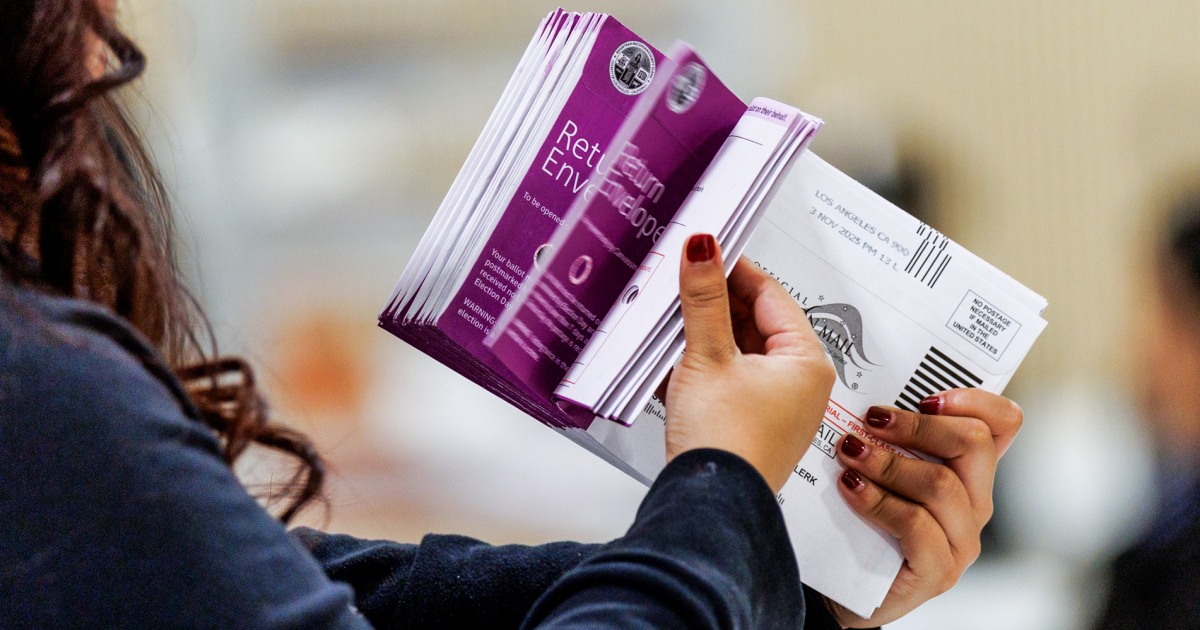
In March's executive order, the president directed USPS to introduce unique barcodes on postal ballot envelopes.
asserted
president → direct → envelopes
State and local election officials would also be required to supply information to an online portal about voters who receive mail ballots.
asserted
who → require → ballots
Twenty-three states and Washington DC sued to stop Trump's order.
The postal workers' union also said clerks could not be trained in time for the election.
uncertain
clerks → sue → election
In court filings, the Trump administration maintained the new USPS rules were constitutional.
asserted
rules → maintain → filings
It said states "cannot choose to use the federal mails to carry out their elections but then insist that their election-related mail is somehow exempt from the Postal Service's rule-making authority, conferred by Congress".
asserted
mail → say → Congress
Boston-based Judge Indira Talwani imposed an injunction on 4 September blocking Trump's order.
asserted
Talwani → base → order
She ruled that implementing the measures close to November's elections could disenfranchise voters.
uncertain
implementing → rule → voters
Last week, a US appeals court refused to put Judge Talwani's order on hold.
asserted
court → refuse → hold
On Sunday, another federal judge, Judge Carl Nichols, ruled against Trump's order.
asserted
judge → rule → order
Some states have already begun distributing mail-in ballots ahead of the midterm elections, which will decide which party controls Congress.
asserted
party → begin → Congress
Some states that had not yet sent ballots had already printed their election materials, and changing their voting materials would have required starting the process anew.
asserted
changing → send → process
"Hypothetically, if we did have to implement, it would have a huge impact, and it would be very costly.
asserted
it → have → impact
At this point, we already have our envelopes printed," Josh Zygielbaum, the Adams County, Colorado clerk and recorder, told the BBC the day before the Supreme Court ruled.
asserted
Court → have → BBC
…and 5 more, not listed.
 The Aporia