That is 0 articles you have read today.
The Aporia is free and carries no advertising, so readers are the only
thing paying for it. If you are getting this much out of it, a small
donation is what keeps it independent.
Daily limit reached
You have read 0 articles today.
That is more than the 15 a day The Aporia gives away,
and well past what it can carry on nothing. Your allowance resets at
midnight.
There is no advertising here and nothing about you is sold, so readers
are the only thing paying for it. If the site is worth this much of
your day, it is worth a few dollars.
Everything else stays open: the
maps, the
directory and
search do
not count against this, and neither does re-opening something you have
already read today.
In Irkutsk, Russia, reports of a laboratory worker dying from pneumonic plague have caused international concern but local indifference. Russian officials dismissed these claims after postmortem tests did not detect plague, and no special measures were implemented in response. Despite US offers for assistance and calls for transparency, many residents in Irkutsk do not perceive the situation as serious and believe Russia can handle it independently.
Written locally by qwen2.5:14b on 2026-10-06,
using this article's own text rather than the other coverage of the
same event (that is the story summary below).
Story summary
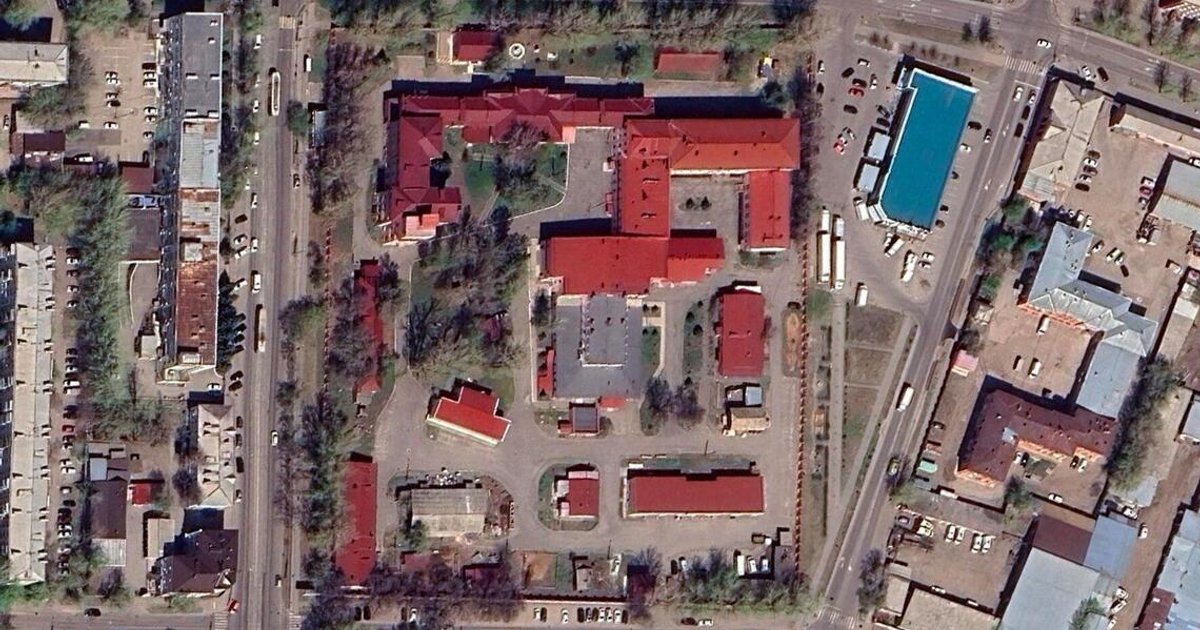
A 28-year-old lab technician named Darya Shipilova died of pneumonic plague in Siberia after breaking a test tube containing the pathogen at the Irkutsk Anti-Plague Institute. The incident prompted authorities to place around 200 people who had contact with her into quarantine and closed several hospitals for three weeks. Governor Igor Kobzev implemented mask mandates in response, while Russia's Chief State Sanitary Doctor Anna Popova traveled from Moscow to oversee the outbreak personally. Despite these measures, some critics accuse the Russian government of not providing sufficient information about the incident or potential risks of a wider spread, comparing it to concerns during the early days of the COVID-19 pandemic in Wuhan, China. The U.S. State Department is monitoring the situation closely and has urged Russia to share accurate details quickly. Reports suggest that pneumonic plague can be treated effectively with antibiotics if caught early, yet fears remain about potential spread due to cooler seasonal temperatures aiding containment. Overall, international health authorities are on high alert as they assess options for addressing this developing public health crisis.
Written for “Plague Outbreak in Siberia” on 2026-10-07,
grounded in this article and the 65 other(s) covering the same event.
Why this leaning score
This article does not take a side on a contested political
question, so it has no leaning score. That is an
answer rather than a gap: a match report or a rescue can be warmly
or critically written without being left or right, and scoring it
anyway is how approval of a subject gets recorded as a political
position.
No political leaning scored for article 61353 · logged 2026-10-06
‘Nobody seems to care’: Russian city shrugs off plague reports
Irkutsk, Russia -
asserted
city → seem → reports
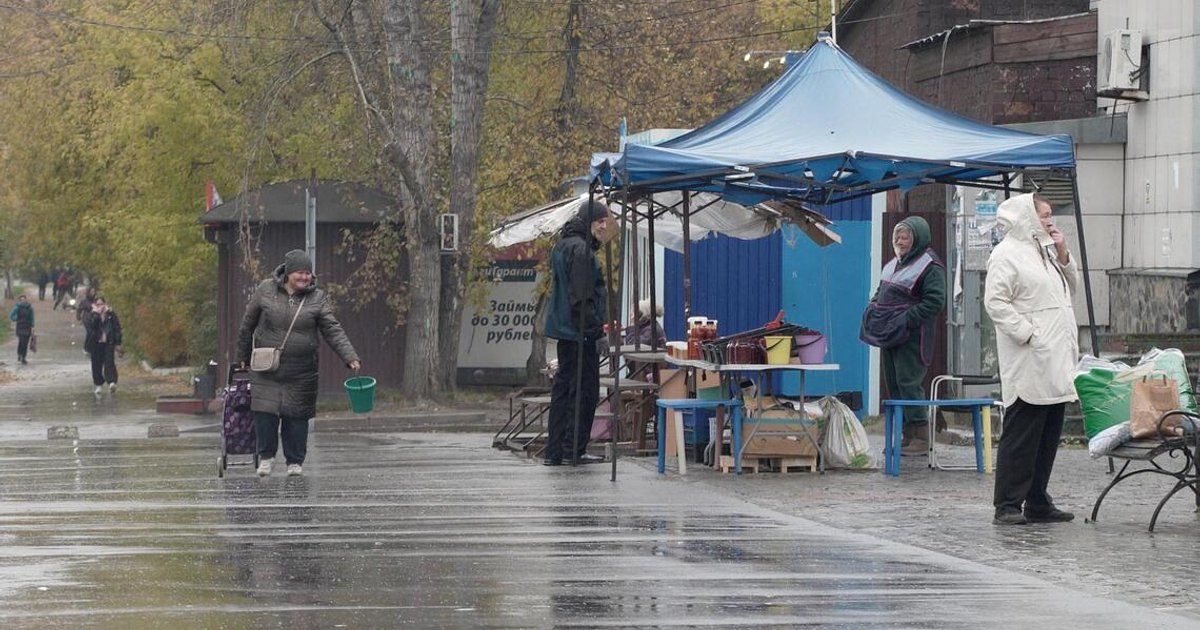
Reports of a plague laboratory worker’s death in Siberia have caused waves of speculation outside Russia, but in the city where she worked, many appeared unfazed.
asserted
many → cause → city
The laboratory worker’s death was first reported on Oct 2.
asserted
death → report → Oct
Several Russian media outlets reported she had died from pneumonic plague, a highly contagious form of the deadly disease, and that dozens of people had been quarantined.
asserted
dozens → report → people
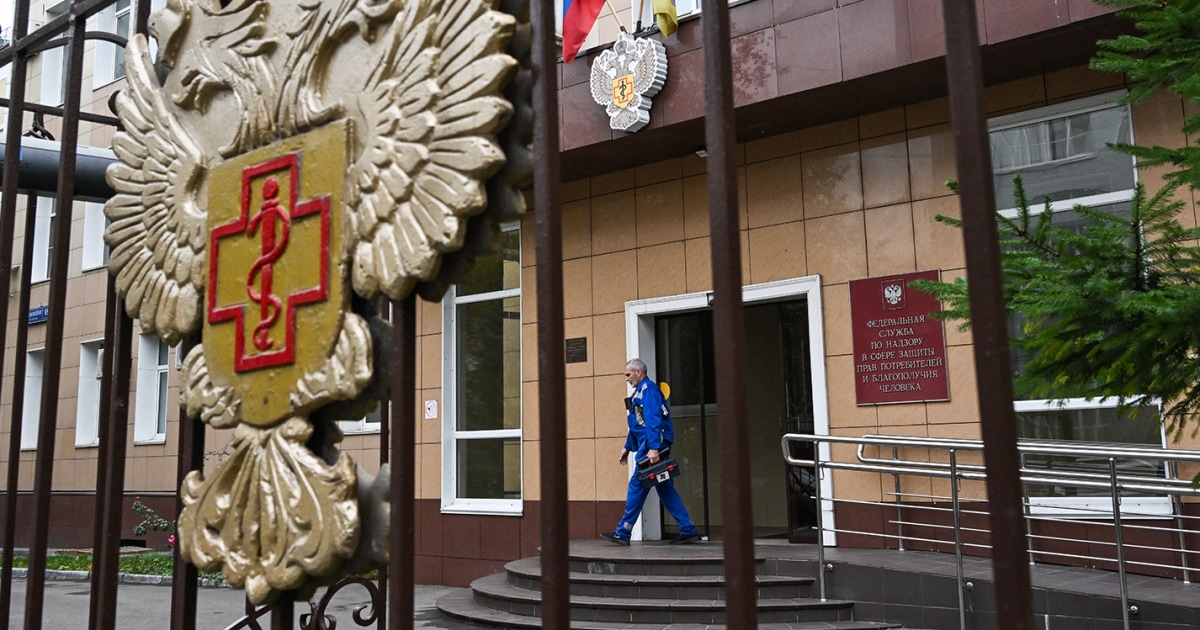
But Russian officials played down the reports this week, saying that postmortem tests did not detect the disease in her body and that no special measures were in place.
asserted
measures → play → place
“If it were really serious, I think they would have shut everything down by now,” one man, who did not provide his name, told AFP in the remote Siberian city of Irkutsk.
asserted
who → think → Irkutsk
“As it stands, nobody really seems to care,” he added.
asserted
he → stand → ?
Another man in Irkutsk said he had asked his parents to take precautions like washing their hands, but that he did not view it as a “serious threat”.
asserted
he → say → threat
Russian news outlet People of Baikal reported on Oct 2 that the laboratory technician, whom it named as 28-year-old Darya Shipilova, may have contracted plague from a broken test tube.
uncertain
it → report → tube
Other media reported a possible link between her death and a lab accident at the facility.
asserted
media → report → facility
US President Donald Trump has offered to help Russia, if necessary, and Secretary of State Marco Rubio has called for Russia to be “transparent”.
asserted
Russia → offer → State
On Oct 6, Trump said he was due to speak shortly with Russian President Vladimir Putin on the reports.
asserted
he → say → reports
‘We can handle it’
asserted
We → handle → it
Some residents in Irkutsk questioned whether the laboratory worker had died of plague at all.
“I don’t think it was actually plague,” one man in the city said, without giving his name.
asserted
man → question → name
Plague is a bacterial disease that can occur in several forms, including pneumonic plague, which is the most contagious type and can be transmitted by respiratory means.
asserted
which → occur → means
Pneumonic plague can be fatal if not treated early, according to the World Health Organisation (WHO).
uncertain
plague → treat → Organisation
In a press briefing earlier on Oct 6, a WHO spokesman said the risk from the incident appeared to be “moderate to low”.
asserted
risk → say → incident
The governor of the Irkutsk region said that health authorities found no evidence that the woman had died of plague.
asserted
woman → say → plague
Moscow appeared to counter Washington’s offer to help on Oct 6, saying it was ready to help the United States with its own infectious diseases.
“Today I read that Trump wants to help the city of Irkutsk,” said another local resident.
asserted
resident → appear → Irkutsk
“We can handle it ourselves,” the man added.
asserted
man → handle → it
The US national public health agency, the Centers for Disease Control and Prevention (CDC), said in a post on X it was “closely monitoring reports” of a suspected plague case in Russia, adding there was “no indication of a broader threat to the United States”.
asserted
it → say → States
 The Aporia