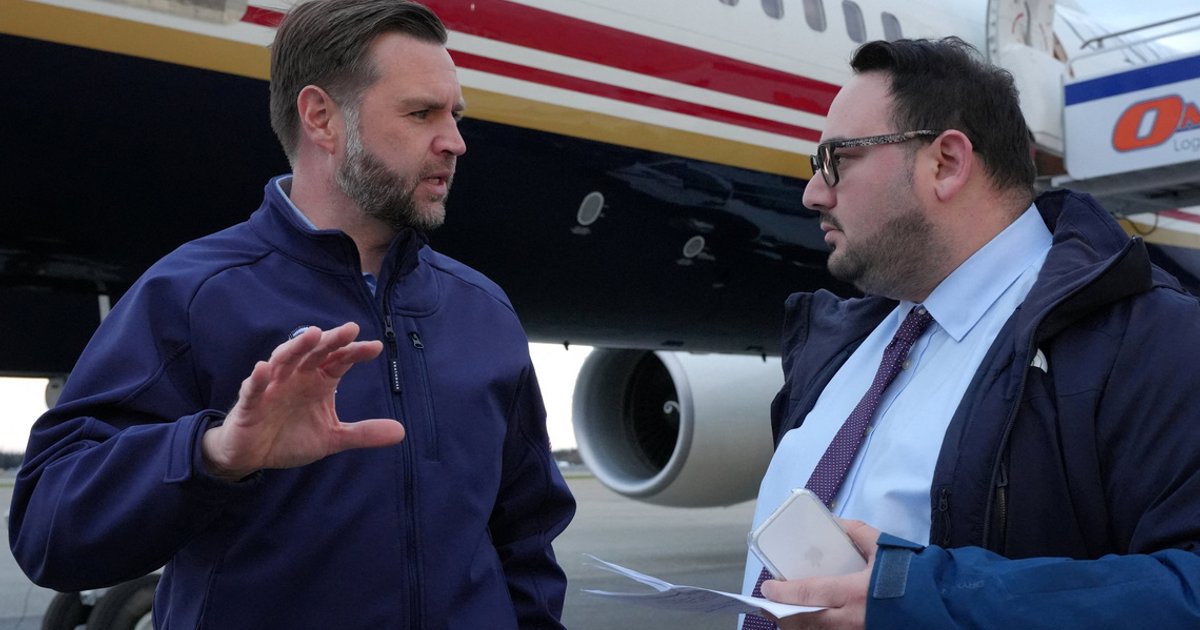
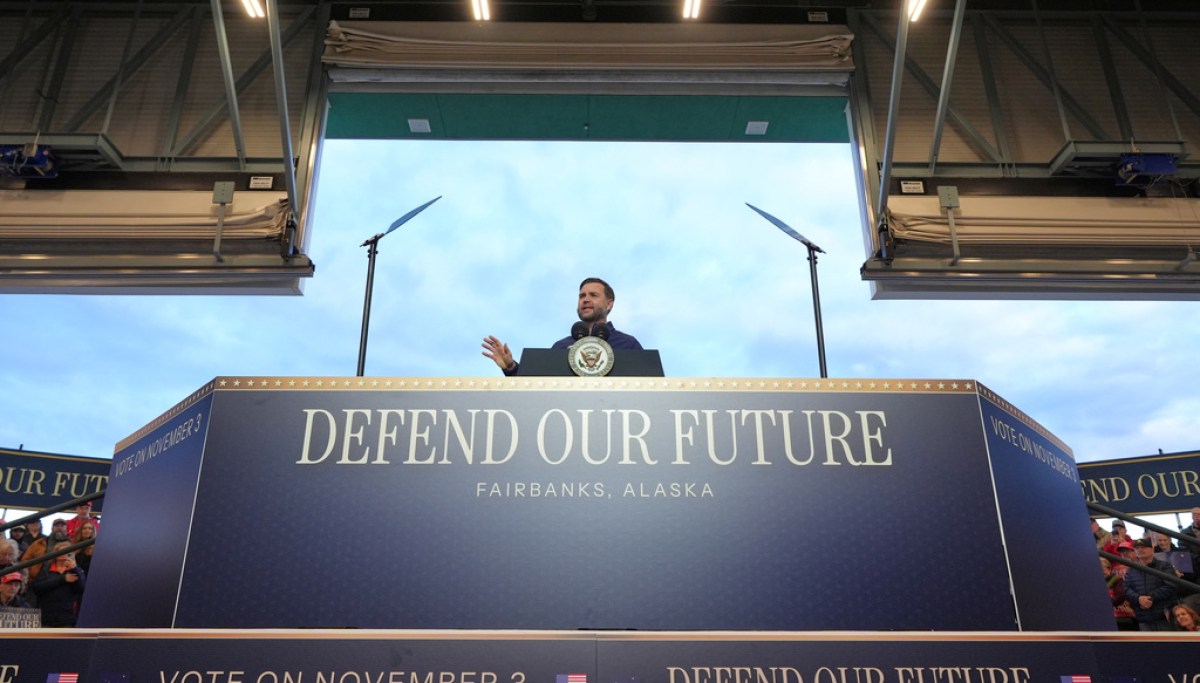
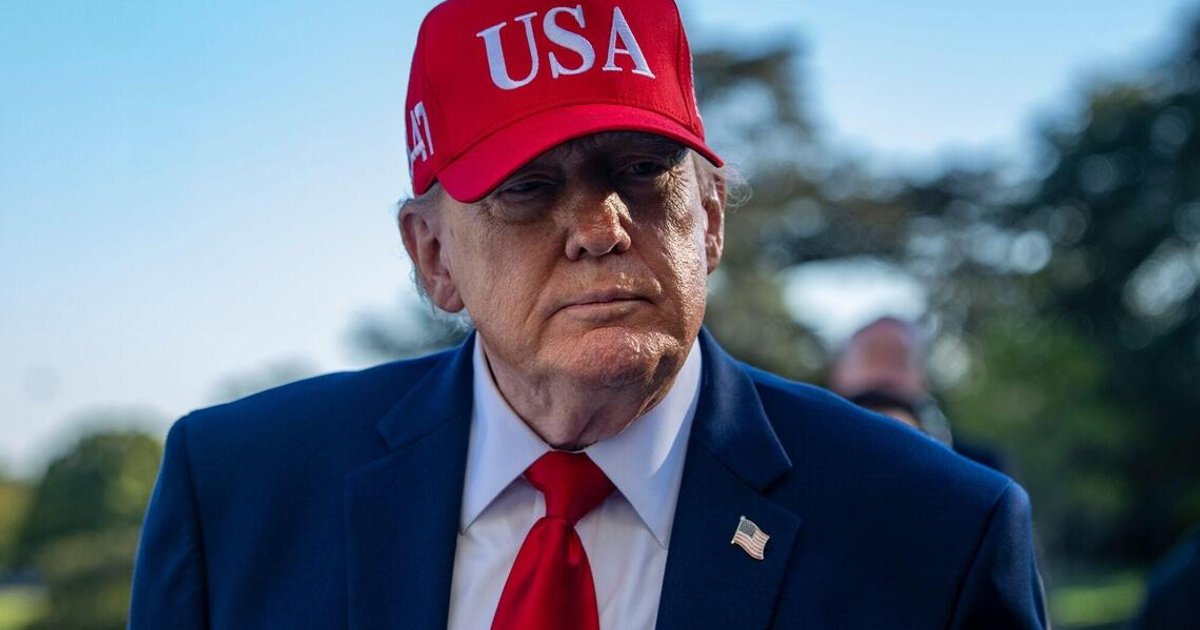
US Vice President JD Vance gave an exclusive interview to Reuters on Monday while campaigning in Alaska, a state that has emerged as a key battleground in the November elections that will determine control of Congress.
asserted
that → give → Congress
This transcript of the interview, which took place after a rally at Fairbanks International Airport for Republican US Senator Dan Sullivan, has been edited lightly for length and clarity.
asserted
which → take → length
Jacob Bogage, Reuters:
Mr. Vice President, let's start here.
asserted
's → start → ?
Can you tell me about where things stand with Iran right now?
asserted
things → tell → Iran
Vice President JD Vance:
Well, you know, we're at a place where the Iranians are trying to terrorize the world economy by shooting at commercial shipping.
asserted
Iranians → know → shipping
They're largely failing.
asserted
They → fail → ?
They're hitting some ships, but not enough to stop the flow of oil and gas.
asserted
They → hit → oil
So what that means is, their response to us destroying the nuclear program was to try to terrorize commercial shipping and exercise leverage over the United States of America.
asserted
us → mean → America
And where we are is, as the president said, the nuclear program's been destroyed, but every time they try to squeeze the world economy, we actually squeeze them harder.
asserted
we → say → them
And so I think what the president has said is, look, you guys fundamentally are not in a game that's going to work out for you.
asserted
that → think → you
Every time they try to cause damage to the world economy, they end up causing much greater damage to themselves, and eventually they're going to have to decide either to make smarter decisions or to suffer the consequences.
asserted
they → try → consequences
You've played a pivotal role in terms of American foreign policy writ large, turning how the US engages on the world's stage from conflicts without direct American interests, like Ukraine, to conflicts with direct American interests, like Iran.
asserted
US → play → Iran
Tell me a little bit about what does it take for the US to resume kinetic attacks?
asserted
US → tell → attacks
What do you need to hear?
asserted
you → need → What
Or, rather, what do you need to not hear?
asserted
you → need → what
That's obviously a decision the president of the United States will make.
asserted
president → make → States
But you know, we have to start with a fundamental goal here.
asserted
we → know → goal
The goal here is to prevent the Iranians from having a nuclear weapon, and really to prevent regional nuclear proliferation.
asserted
goal → prevent → proliferation
Because, as the president's reminded people, it's if the Iranians get a nuclear weapon, then other countries will get a nuclear weapon.
asserted
countries → remind → weapon
Bogage:
Is that a larger focus than where this conflict began?
Vance:
To finish that question, what that means is their nuclear facilities, their enrichment facilities, have been destroyed, and we're going to ensure that they can't rebuild those facilities and rebuild their nuclear capacity.
asserted
they → begin → capacity
That's fundamentally the goal here, and everything else that's happening, from them terrorizing shipping to our response to that, is really a subplot of the much bigger goal of keeping them from having a nuclear weapon.
asserted
them → happen → weapon
You talk about preventing regional proliferation.
asserted
You → talk → proliferation
Is that a goal that has expanded from the original goal of this operation?
asserted
that → expand → operation
I mean, I think that's one of the reasons why the president didn't want Iran to get a nuclear weapon, because he realized that if they did, then a lot of other countries would then sprint for a nuclear weapon.
asserted
lot → mean → weapon
So, you know, you don't want the world's largest state sponsor of terrorism to have a nuclear weapon.
asserted
sponsor → know → weapon
You also don't want to radically increase the number of nuclear weapons in the world.
asserted
You → want → world
The president hears a lot about that.
asserted
president → hear → that
It's something that came up in the conversation with (Chinese President) Xi (Jinping) that the president has said multiple times publicly.
asserted
president → come → that
He doesn't like mass proliferation of nuclear weapons.
asserted
He → like → weapons
Bogage:
Who is the US negotiating with right now?
Vance:
Well, that's a good question.
asserted
that → negotiate → Who
You know we're negotiating with the political leadership of the country, specifically, you know, the foreign minister has led the negotiations, the president of the country, a number of people work for them.
asserted
number → know → them
But one of the things we picked up on is it's not totally clear how their country makes decisions.
asserted
country → pick → decisions
If you go back to the original agreement that we struck, it was very simple.
asserted
it → go → that
It basically said we're going to open up the Strait of Hormuz, the United States is going to lift our blockade, and we're going to talk about the nuclear program.
asserted
we → say → program
That's really all it said.
asserted
it → say → ?
And they couldn't even keep the end of the bargain where they didn't shoot at commercial shipping.
asserted
they → keep → shipping
And our assessment of why that is, is because, yeah, you have people in the country who want to make a deal, and we're willing to talk to them.
asserted
we → have → them
You also have people in the country who are trying to sabotage a deal, which I think is very stupid for their country.
asserted
I → have → country
But you know, it's ultimately their decision to make.
asserted
it → know → ?
Bogage:
Iran has said for 47 years, and I'm not going to weigh in on whether it's believable or not, that they don't want a nuclear weapon.
asserted
they → say → weapon
…and 39 more, not listed.
 The Aporia